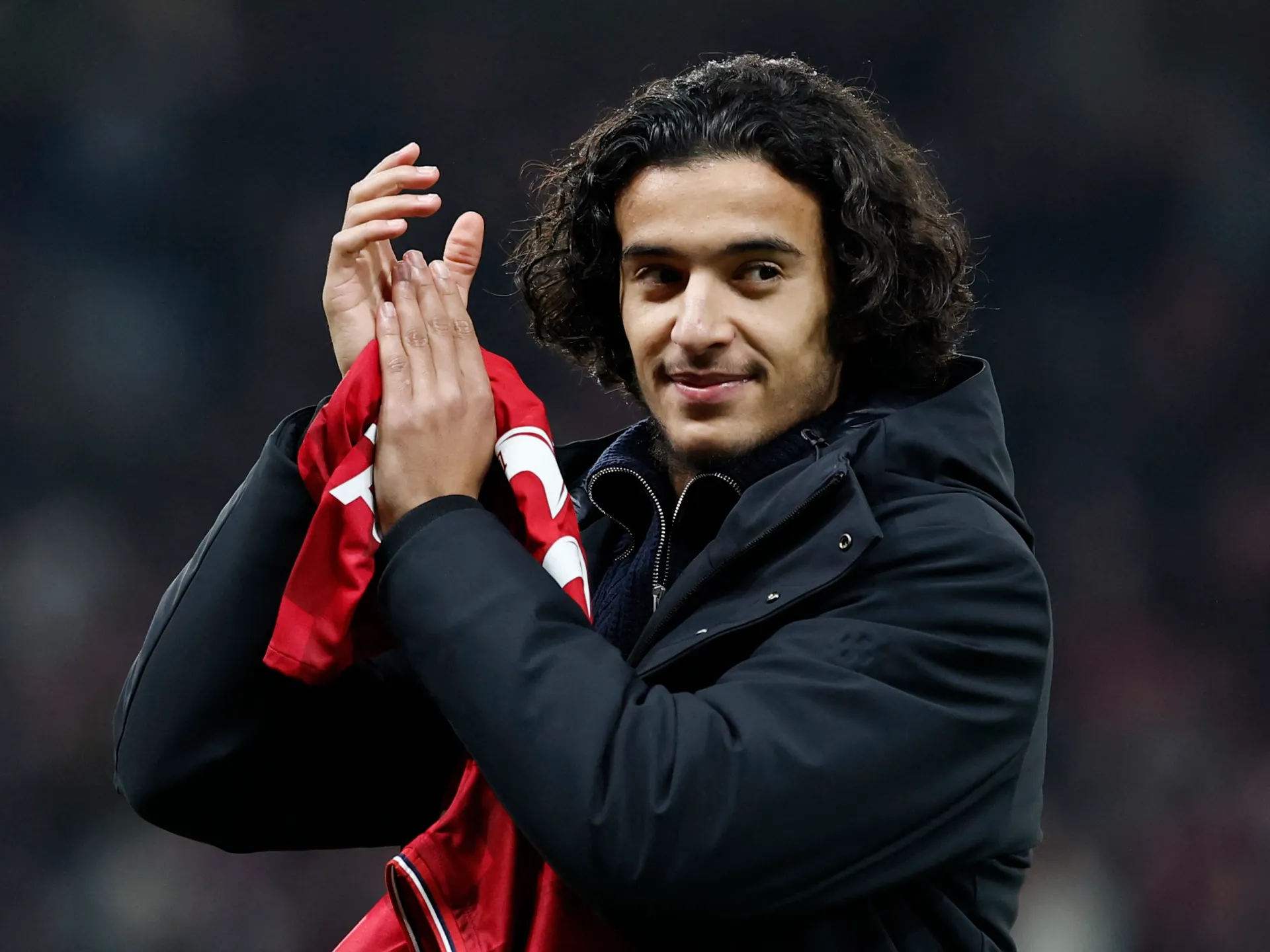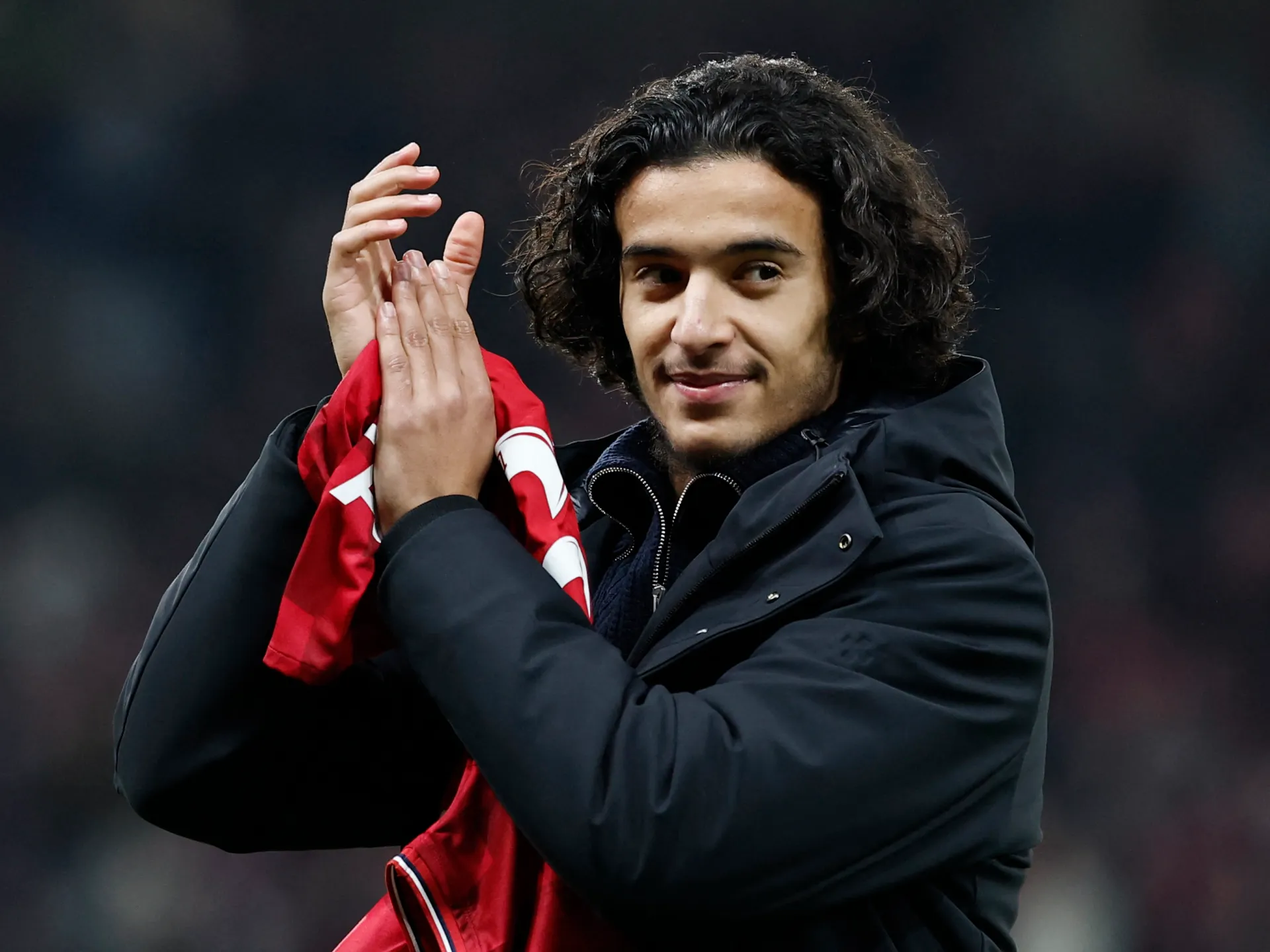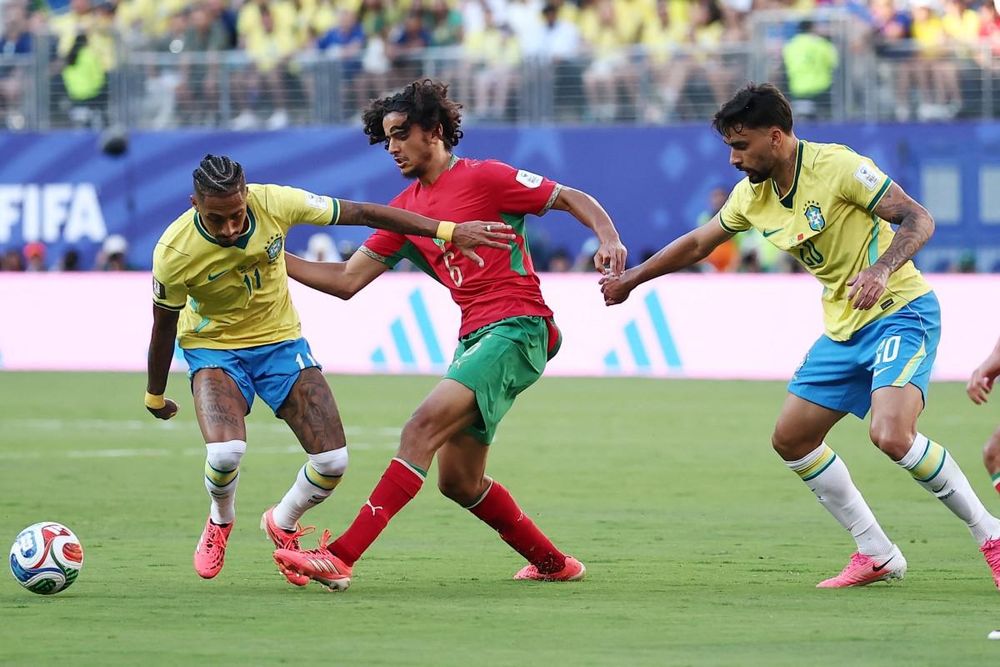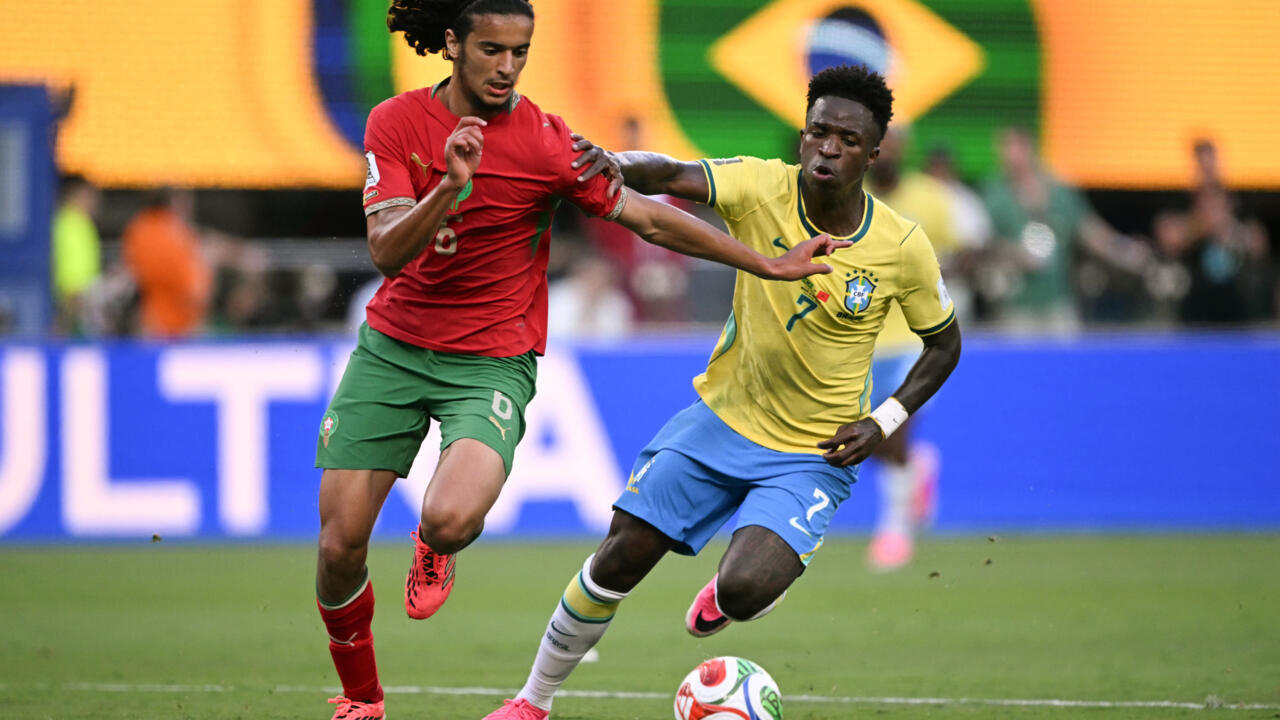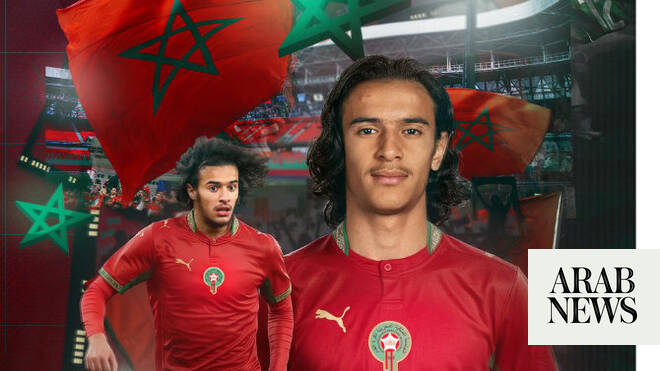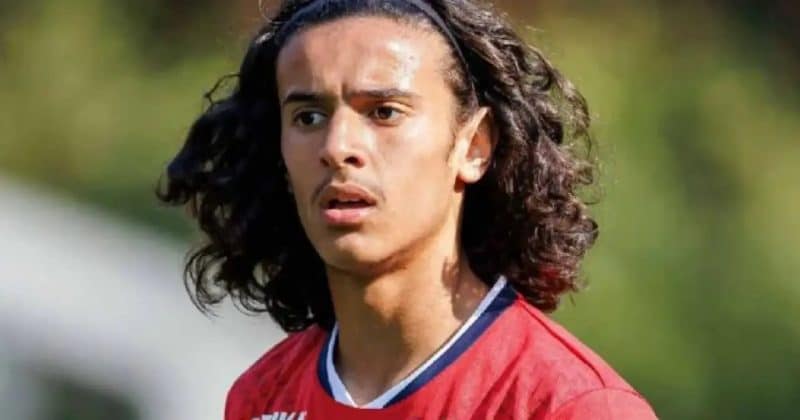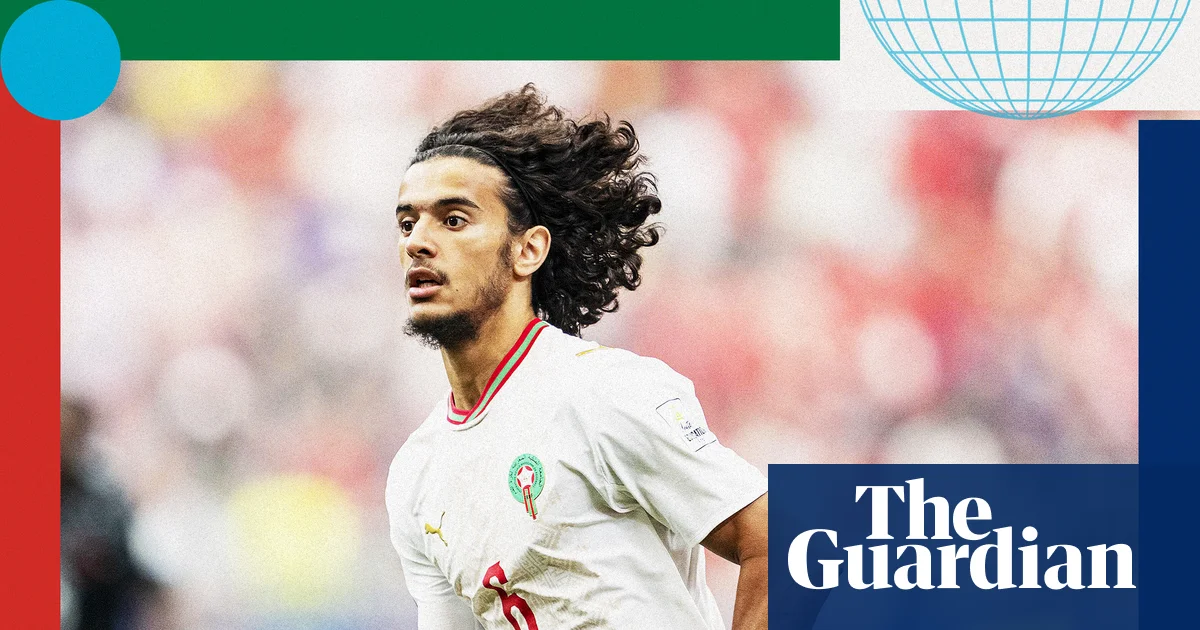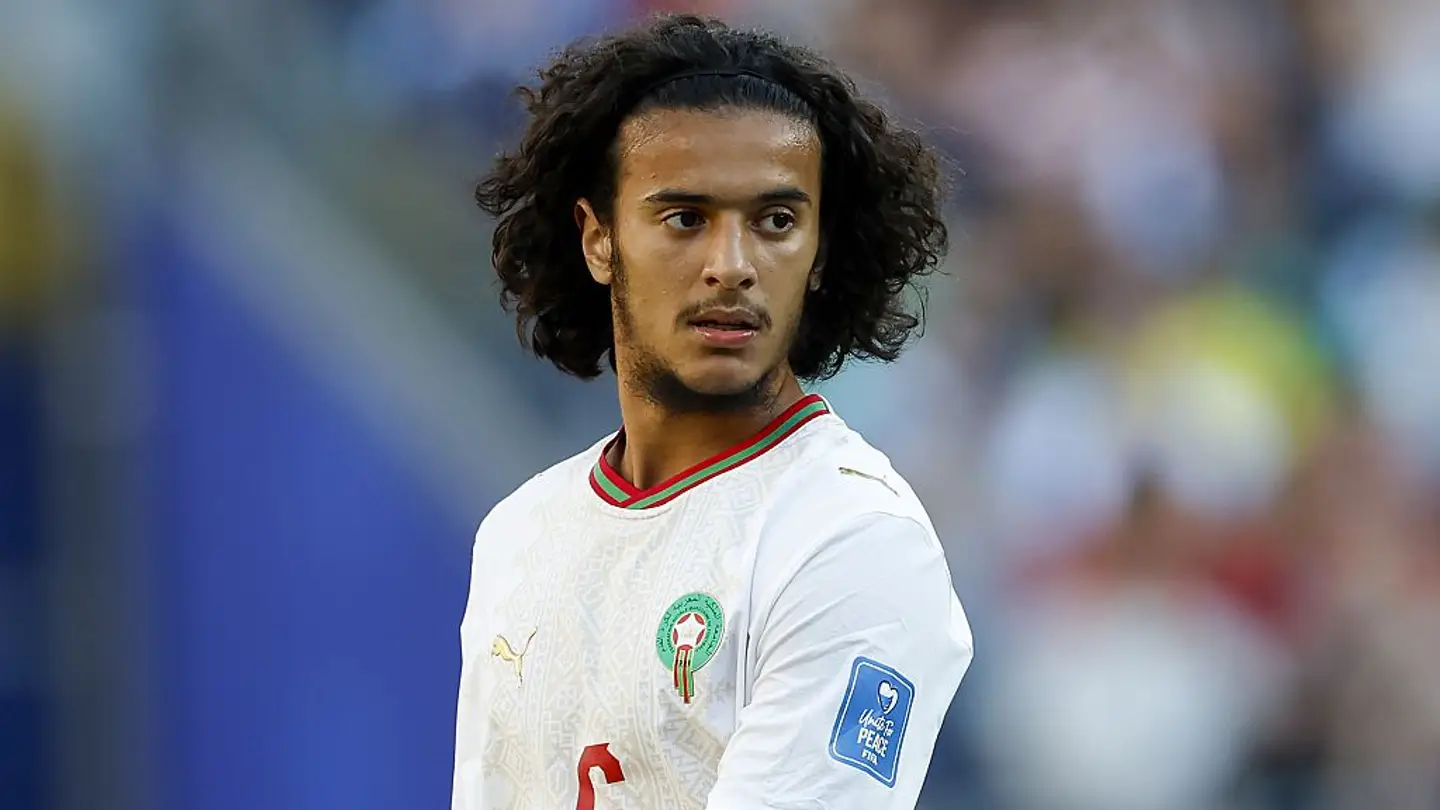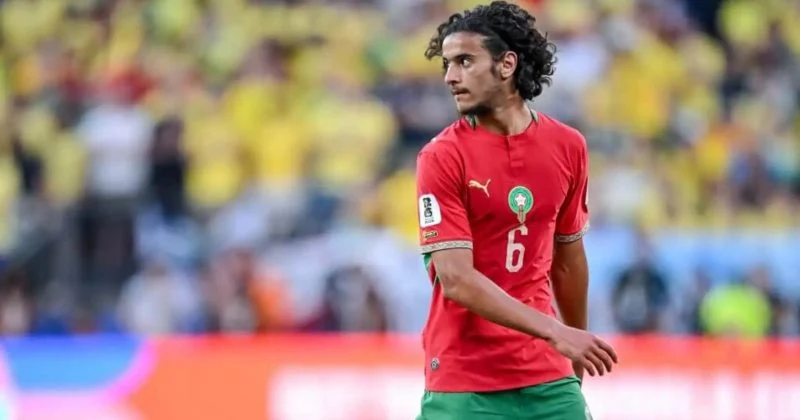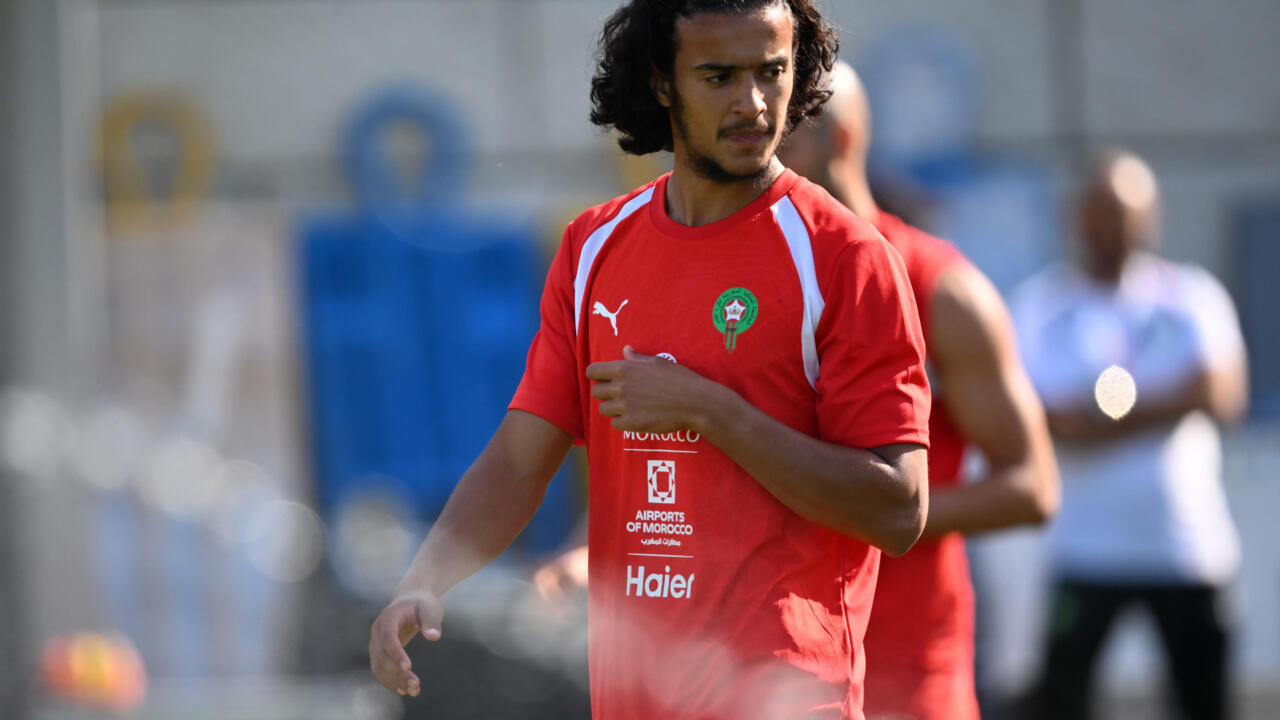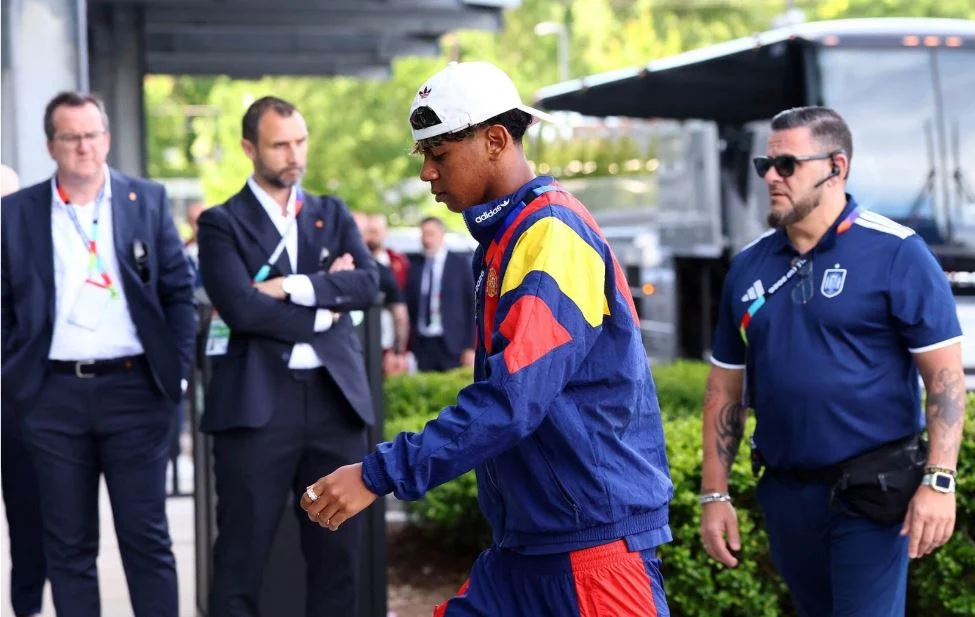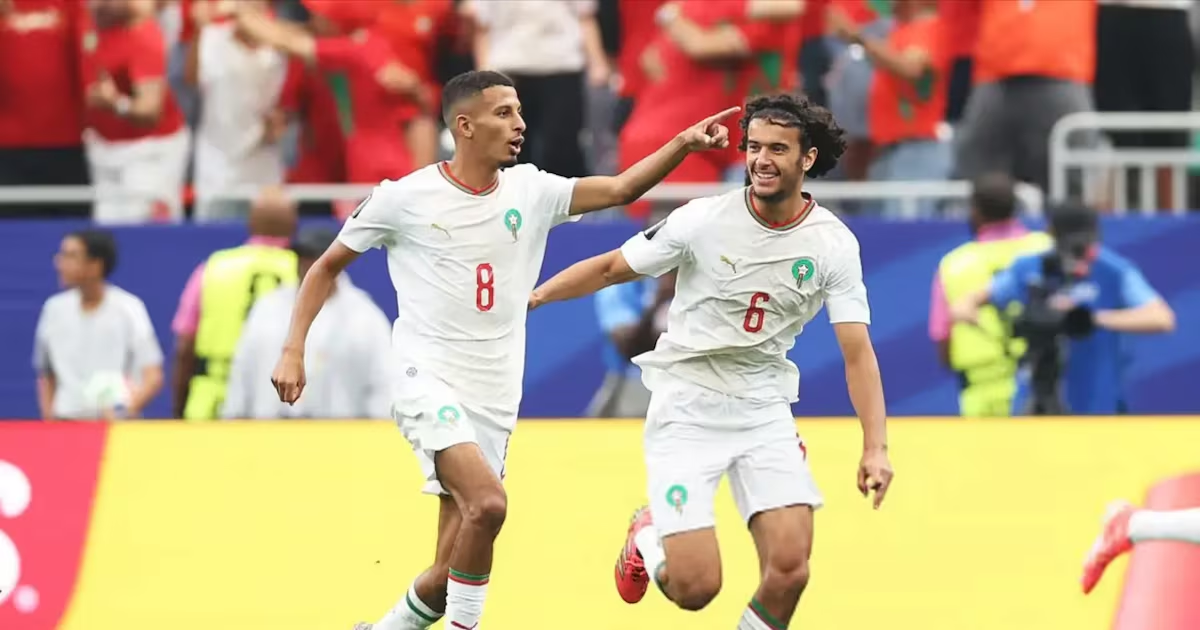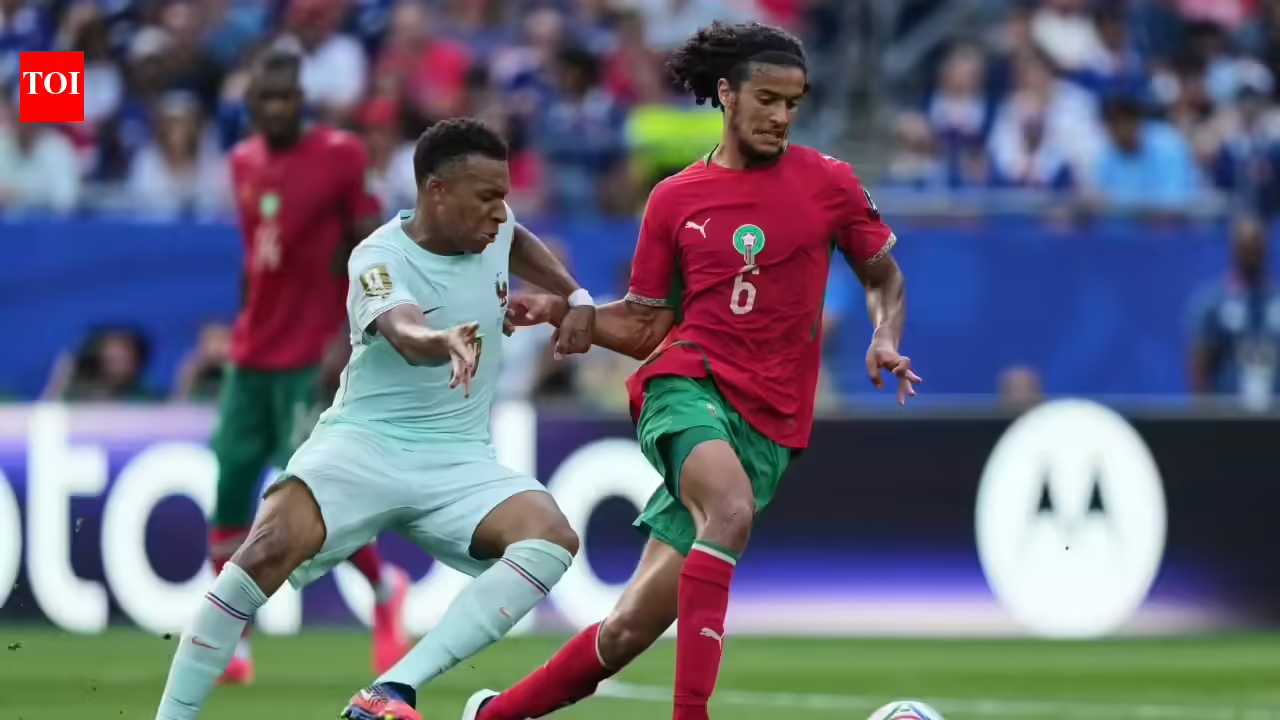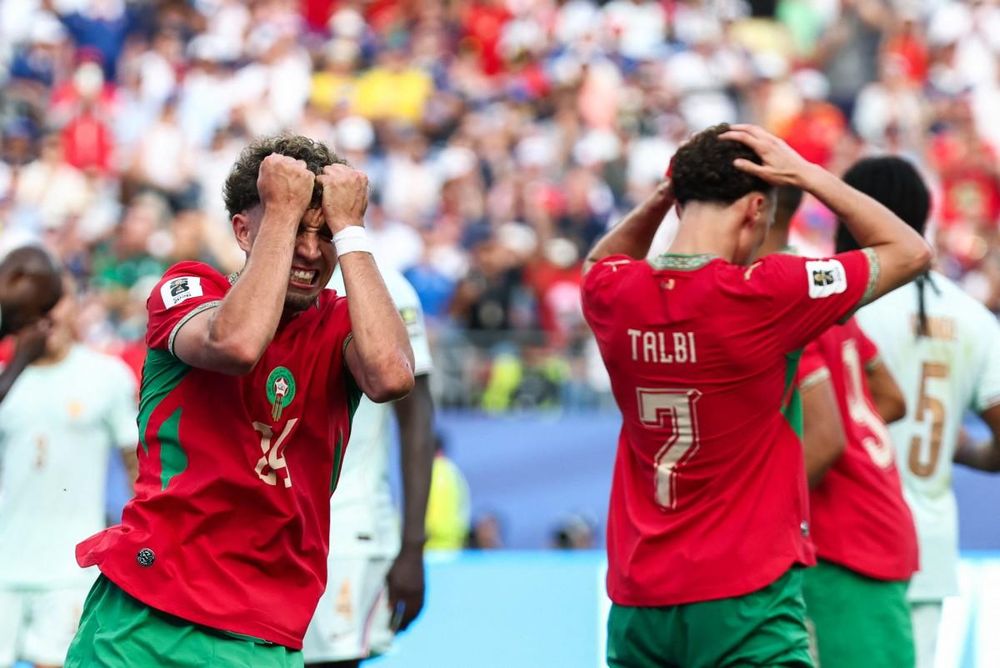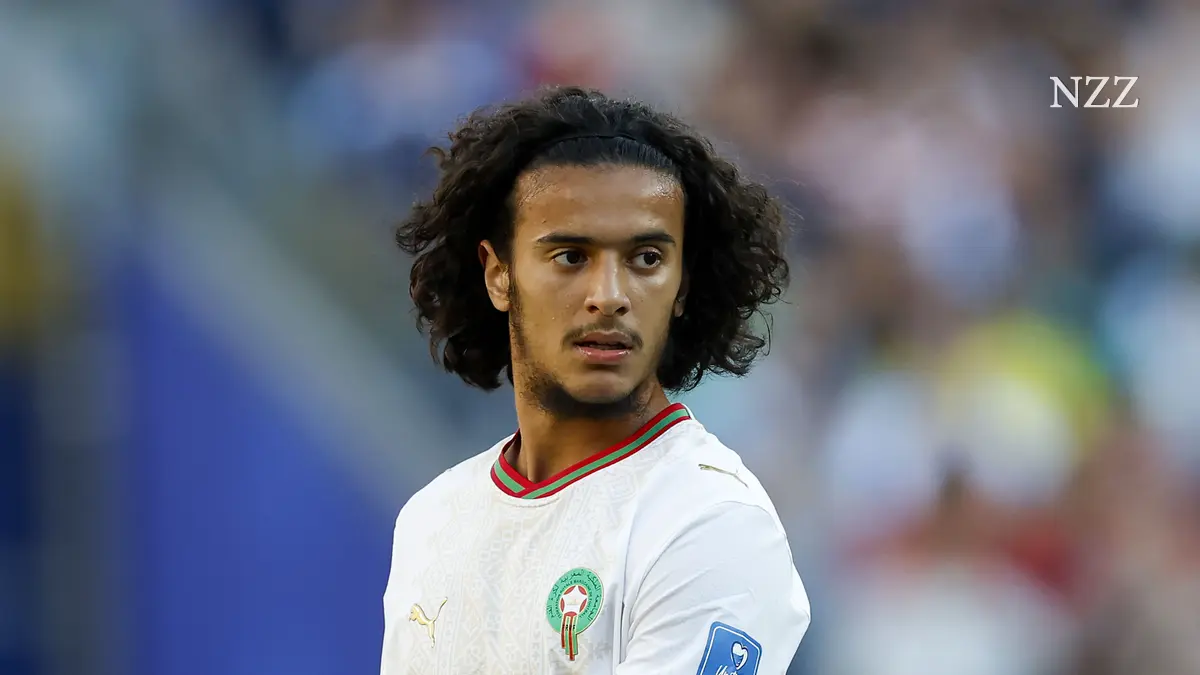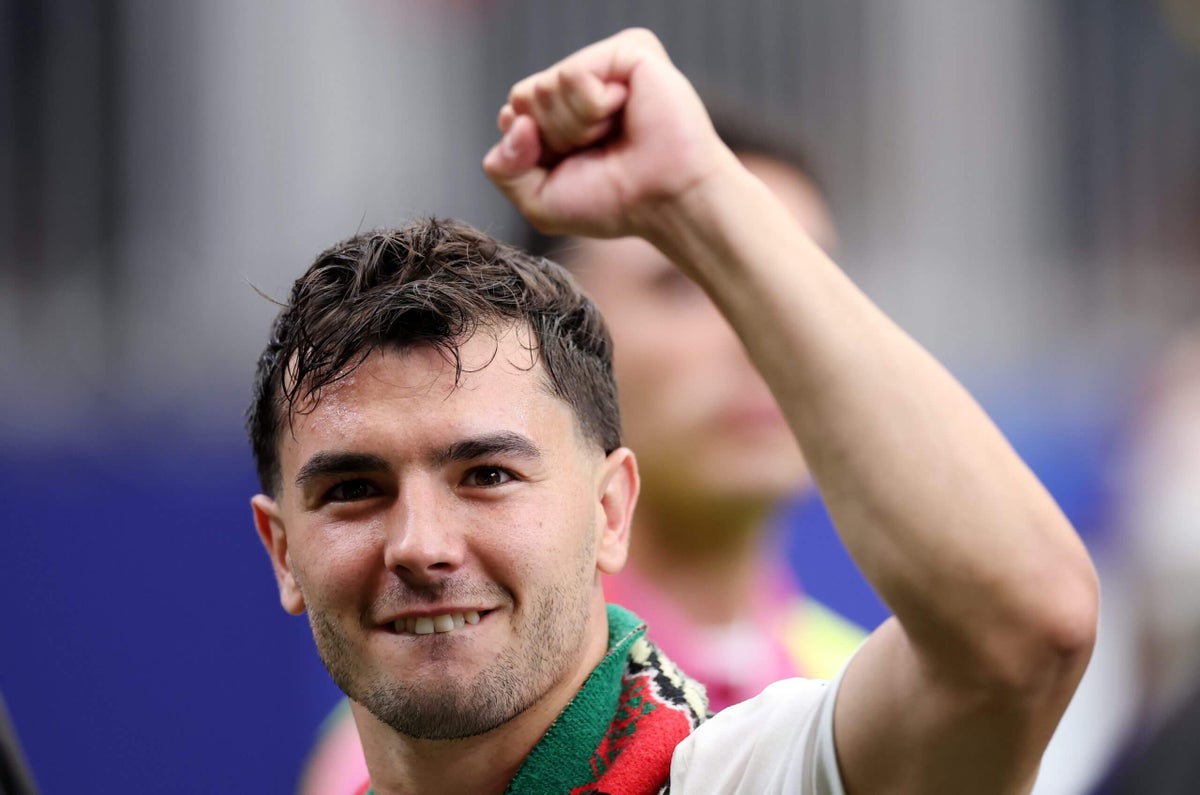
When the national anthems play before the World Cup quarter-final between Morocco and France, it will be no surprise if TV cameras linger a little longer on Ayyoub Bouaddi.The 18-year-old has been one of the breakout stars of this tournament, showing remarkable technical ability and composure in midfield, especially in a dominant performance during a 1-1 draw with Brazil in the group stage.Extra intrigue ahead of the match today (Thursday) comes from him being born in France and having represented the country at youth level as recently as March this year, before deciding to switch allegiance about a month before the World Cup began.The even more interesting detail is that Bouaddi’s case is far from unique.Morocco’s 26-strong squad for this tournament contains 19 players born outside the North African country — either in France, Spain, the Netherlands, Belgium or Canada — who are eligible through their family backgrounds.The Moroccan national team is far from the first to call up players from a country’s global diaspora. Nor is theirs the squad with the most members born elsewhere at this World Cup — Curacao’s 26 featured only one player from that Caribbean island, with most of them having grown up in the Netherlands.But Morocco’s strategic approach to the issue — and how it has contributed to a transformation of their footballing fortunes — is what makes their case stand out, and Bouaddi is widely seen as their biggest catch yet.So, how do Morocco persuade so many talented youngsters, born abroad, to play for them? And how do players decide which country to represent?The turning point came in 2014, with the arrival of new leadership at the Moroccan Football Association.Fouzi Lekjaa, still that body’s president today, systemised what had previously been an informal process by setting up a specific department for scouting and liaising with diaspora players.Ayyoub Bouaddi was impressive in his World Cup debut for Morocco against Brazil (Mauro Pimentel/AFP via Getty Images)This was in line with government priorities at the time.Morocco had been part of the 1998 World Cup finals in France (where they had two players in the 22-strong squad born outside the country and were eliminated at the group stage) but had failed to qualify since. The country’s authorities wanted to increase their standing within the global game, aware of the benefits that status can bring.That desire to become a football superpower has only strengthened over time.One Moroccan FA source, speaking anonymously (like several others consulted for this article) as they did not have permission to comment, put it like this: “Football in Morocco is important on a political and social level, as a matter of state.”Lekjaa also has the status of a government minister in Morocco, with the ability to influence public funding disbursement. Over $65million (£48.6m) has been invested in the state-of-the-art King Mohammed VI Football Academy near Rabat, the country’s capital city.The man given responsibility for this new department was Morocco’s then technical director Nasser Larguet, another key figure in its modern football history.It is now run by Rabie Takassa, who coordinates a team of seven scouts based in Spain, France, the Netherlands, Belgium, Germany, Italy and Scandinavia.“We have a database of all Moroccan players in Europe, updated every year,” Takassa tells The Athletic. “We start identifying them at eight or nine years old. We monitor them and add them when they are 12 or 13. Currently, across all age groups, we have nearly 3,000 players included.”A priority is making personal contact with youngsters who stand out at academies or with national teams from a very early stage.The Biggest Myth About Penalties At World CupsChristopher Hamill, Alexander Barker“We approach those with potential for development to reach the international under-15 level to explain the project and try to bring them on board,” Takassa says.“We open lines of communication with their family and those close to them. We only talk about the sporting side of things, how we’re organised and our facilities. We show them videos. It (the King Mohammed VI academy) has everything; it’s one of the best in the world. Anyone coming from Barcelona, Real Madrid, Chelsea or Manchester City wouldn’t notice the difference.“The level of play also influences things. There were players who hadn’t agreed to join us because, back then, we didn’t regularly qualify for the World Cup or get very far in the tournament. Their agents would advise them to choose another national team.”When Morocco finally qualified again in 2018, key players included French-born defender Romain Saiss, Madrid-born full-back Achraf Hakimi and Dutch-born midfielder Sofyan Amrabat.Then at the 2022 tournament, they made the semi-finals with a squad including 14 players born outside Morocco — the first African nation to get that far at a World Cup. That number increased again this year, to 19. When Morocco played Brazil in their opening group match, for a time they had 11 players on the pitch who were born overseas.Among the most high-profile and successful cases among the current squad is that of Real Madrid playmaker Brahim Diaz. Born in Malaga, Spain, he was eligible to play for Morocco through his paternal grandmother.In 2017, Morocco’s then manager Herve Renard travelled to England to meet Brahim, who was in the academy at Manchester City. It was a cordial meeting, but Brahim’s priority remained Spain, and he played for that country’s under-19 and under-21 sides.Brahim, then 21, even made a full debut for Spain in June 2021, scoring in a 4-0 friendly win against Lithuania. Even if there were special circumstances connected to that match (the senior squad were unable to fulfil the fixture because of Covid restrictions following a positive test in the group), he told the Spanish FA’s in-house media channels that the opportunity was “a dream come true”.Brahim made his sole senior appearance for Spain in a June 2021 friendly (Jurij Kodrun/Getty Images)Still, Morocco’s courtship continued. The fact he had already played for Spain was not an obstacle as changes to FIFA rules in 2009 mean players can switch national teams so long as they have not made a senior competitive appearance.Renard’s successor, Walid Regragui, travelled to Italy to speak with Brahim, who was then playing regularly in Serie A for Milan on loan from Real Madrid, to try to convince him to represent Morocco at the 2022 World Cup.Brahim again listened but declined, as his ambition was still to play for Spain. But he did not make their squad for that tournament in Qatar. Spanish FA sources told The Athletic that Brahim’s representatives then pushed hard with the 2024 European Championship on the horizon, claiming he asked for a guarantee he would be selected.Sources close to the player deny this, while admitting to disappointment that Luis De la Fuente, who was appointed Spain head coach in December 2022, never spoke personally to him about the situation, despite having coached him with the under-19s and under-21s.Regragui maintained regular contact with Brahim, visiting him multiple times when he returned from Italy to play for Madrid. FA president Lekjaa was also involved in the process, as well as “some very important figures in Morocco”, said sources with knowledge of the case.Meanwhile, Spain still did not seem interested. In October 2023, when then Villarreal and now Crystal Palace winger Yeremy Pino had to pull out of a squad through injury, De la Fuente replaced him with Barcelona’s Ansu Fati, who had just started a disappointing season on loan at Brighton & Hove Albion, not Brahim.A few months later, Brahim gave the green light to the Moroccan FA to start a naturalisation process, which was quickly expedited with the help of the country’s government.He has started all five of Morocco’s World Cup finals matches on their run to the last eight, with the victory over Canada in the round of 16 being his 31st appearance for them overall. Only France’s Michael Olise (five) has more than his four assists in the competition.“This tournament has been a dream,” Brahim said on Spanish radio station Cope following that game on Saturday, echoing his words after that Spain debut five years ago.Bouaddi playing for France in an under-16s friendly against Germany in February 2023 (Gualter Fatia/Getty Images for DBF)Bouaddi’s case is another success story for Morocco and a “significant loss” for France, the French FA’s technical director Hubert Fournier told The Athletic.Everyone in French football was well aware of Bouaddi’s potential as he developed at top-flight club Lille. He spent two years at France’s famed Clairefontaine academy (graduates include Kylian Mbappe and Thierry Henry) and represented the nation of his birth at various youth levels up to the under-21s.Even though he starred for Lille in the 2025-26 Champions League at just 18 years old, it was always going to be difficult for him to make France’s talent-packed squad for this World Cup — such is their midfield depth, there was no room for Eduardo Camavinga, a two-time Champions League winner with Real Madrid.“It’s his choice,” Fournier added. “We couldn’t offer him the opportunity to go to the World Cup right now.”Bouaddi had that choice because Morocco’s recruitment team put a huge amount of work into persuading him to switch allegiances.“It’s been a process that began a long time ago, an absolute priority,” a Moroccan FA source told The Athletic. “We’re talking about one of the greatest talents of his generation.”That process accelerated when Lekjaa and current national team head coach Mohamed Ouahbi travelled to Lille in March this year to meet the player and his family. Lille chairman Olivier Letang also visited Morocco and talked to Lekjaa. Sources familiar with the process said Ouahbi — himself born in Belgium to Moroccan parents — pressed a lot of the right buttons during those conversations.These sources say that family ties and a cultural draw play as big a role in such decisions as personal ambition.When Bouaddi was named in Ouahbi’s World Cup squad in May, he posted a picture on Instagram of himself, aged 10, at one of their games during the 2018 edition of the tournament in Russia, wearing a Morocco shirt.
Morocco’s World Cup recruitment drive: Brahim, Bouaddi… but no Lamine Yamal
The North African country has made a concerted effort to bring young talent born overseas into their international fold. And it's working...
2,297 words~10 min read