FIFA just rolled out one of the most interesting pieces of sports technology in years, and blockchain had absolutely nothing to do with it.
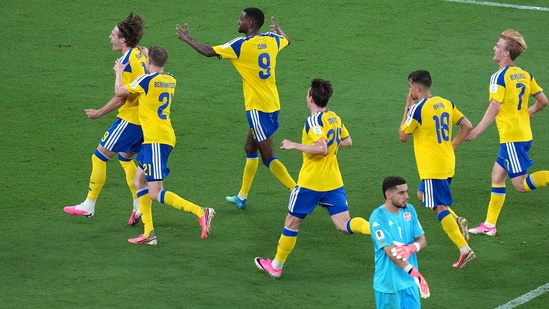
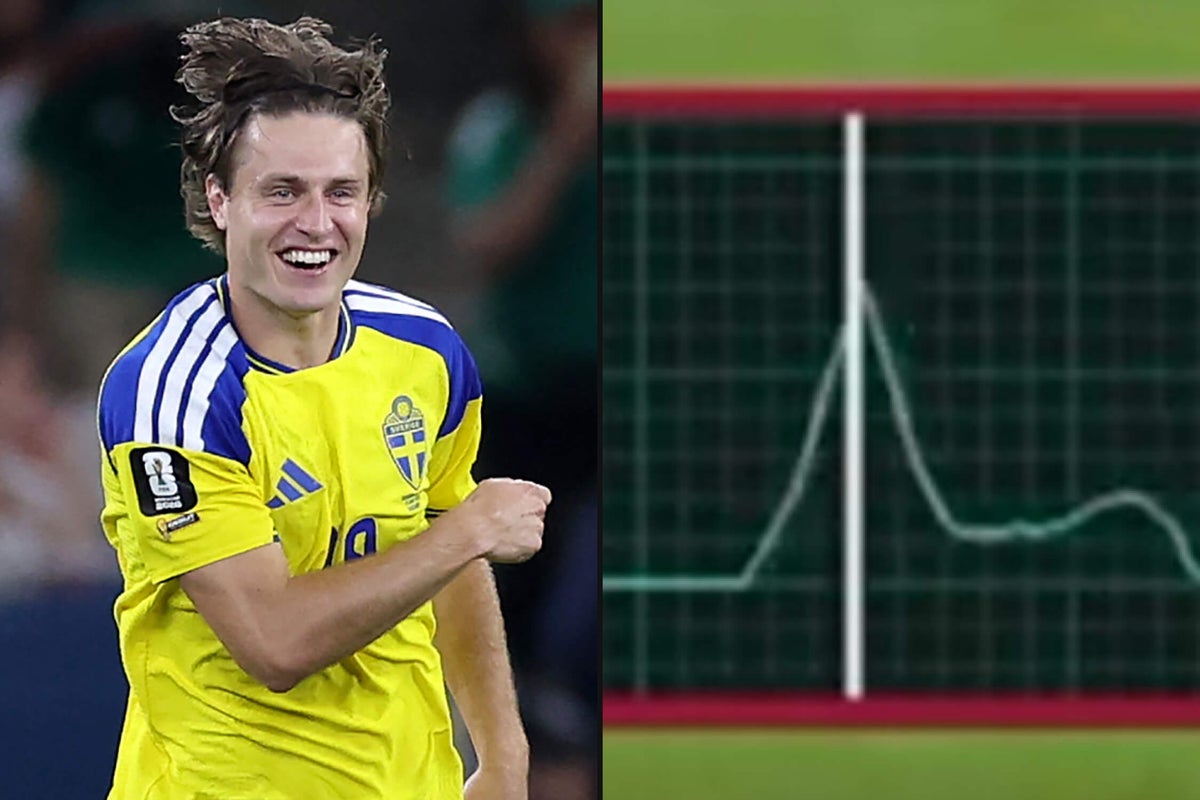
The 2026 World Cup introduced Snicko-style touch-detection technology during Sweden’s 5-1 victory over Tunisia on June 15. The system confirmed a faint contact by Alexander Isak that led to Mattias Svanberg’s goal, resolving the kind of marginal call that has haunted referees for decades.
How the technology actually works
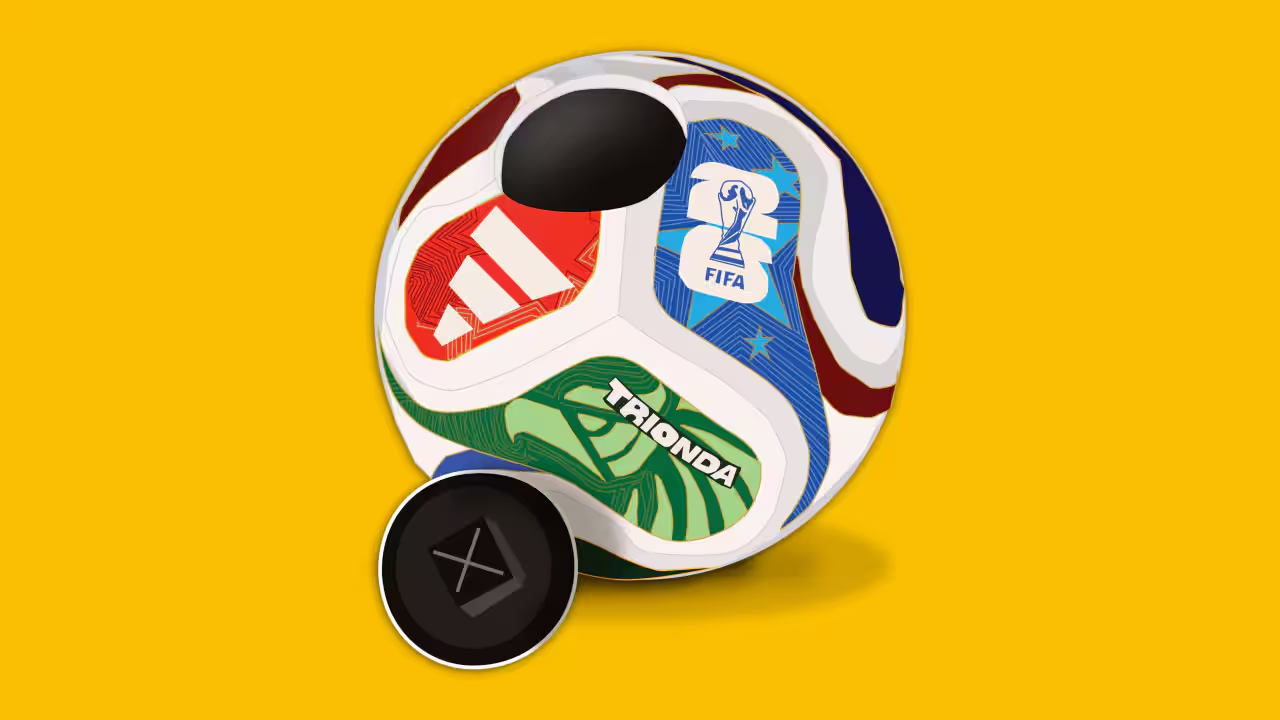
Think of it as cricket’s Snickometer, but for football. The system relies on a motion-sensing microchip embedded inside the Adidas match ball that tracks contacts 500 times per second. When a potential touch occurs, the system generates audio-visual spike graphics similar to what cricket fans have seen with UltraEdge technology for years. VAR officials can then review those spikes alongside video footage to determine whether a player actually made contact with the ball.
The primary targets are the decisions that generate the most controversy: handballs, fouls, and offside-related touch calls.