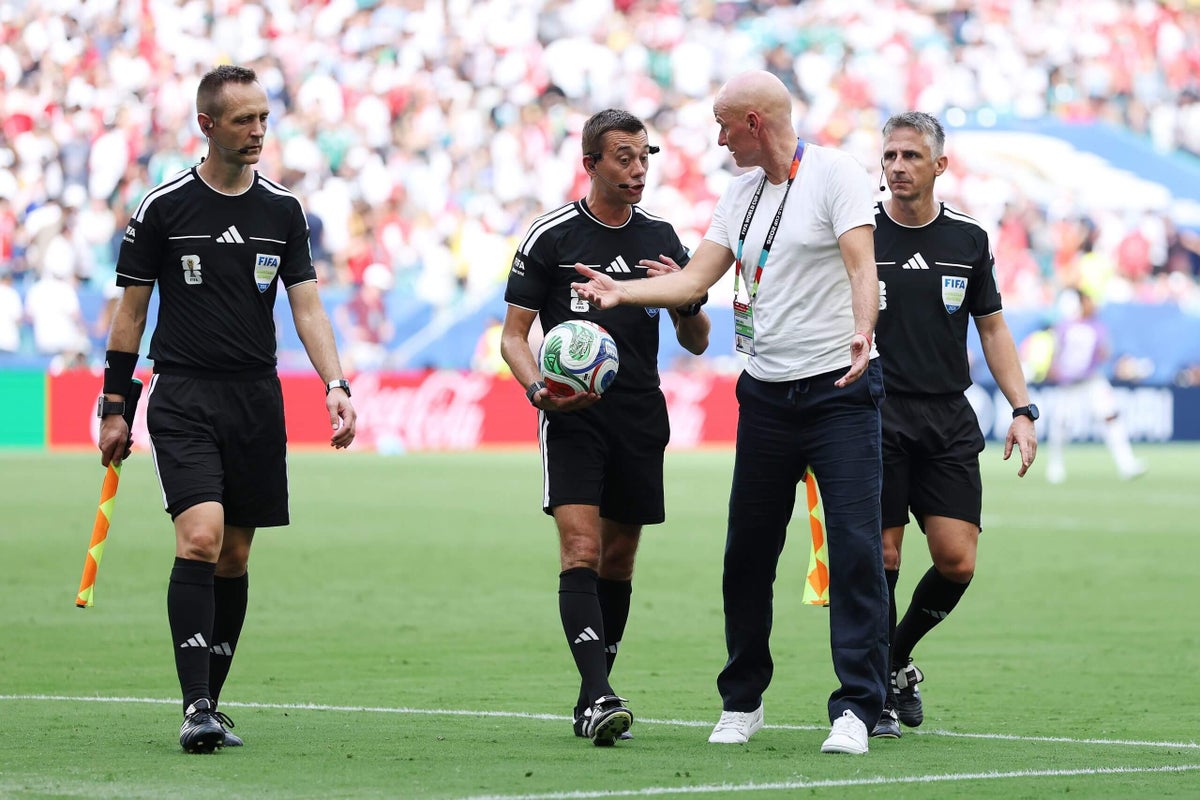
A sensor-packed ball just settled one of the most controversial moments of the 2026 FIFA World Cup. England coach Thomas Tuchel confirmed that FIFA used the match ball’s internal chip to verify that Jude Bellingham’s equalizer against Norway never made contact with the overhead Spidercam cable. England went on to win the quarterfinal 2-1.
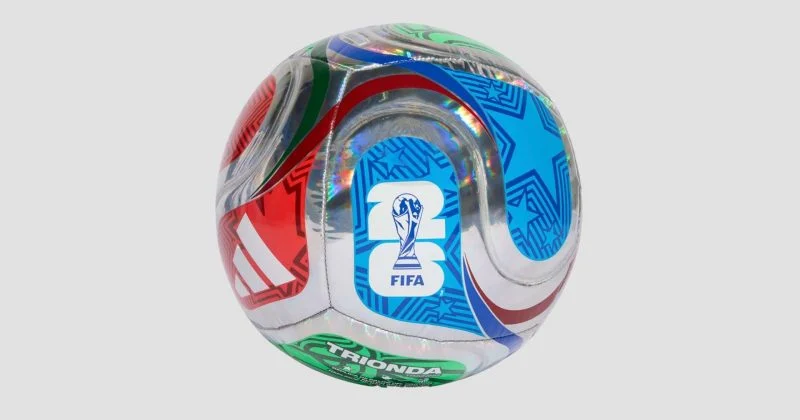
The ball’s embedded sensor, capturing data at roughly 500 times per second, showed no anomalous peaks at the moment in question. The goal stood.
What actually happened in the match
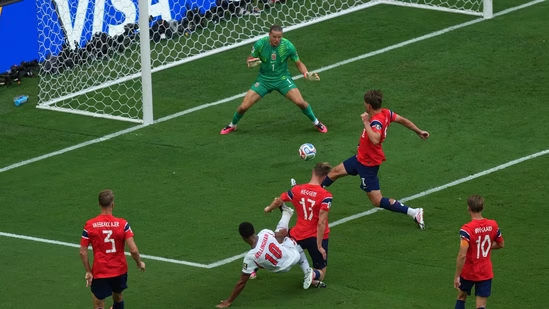
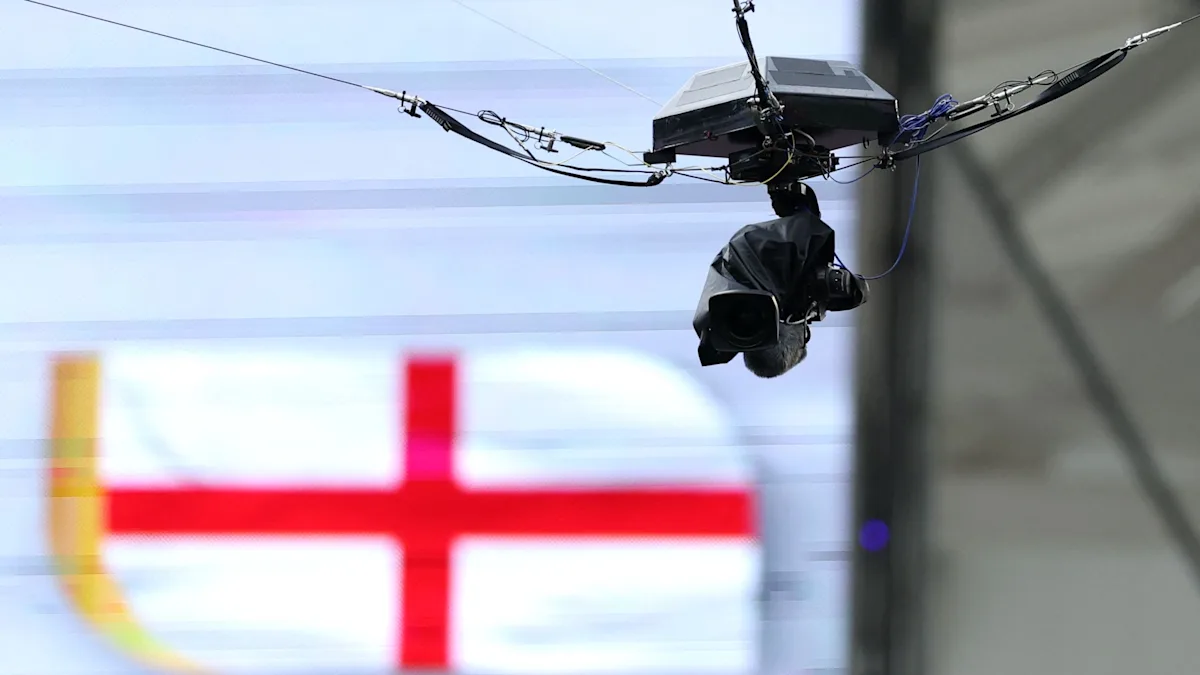
England faced Norway in the World Cup quarterfinals on July 11, 2026. In the 45th minute plus stoppage time, Bellingham found the net to level the score. But replays showed the ball had passed dangerously close to the Spidercam’s overhead cable system.
FIFA stepped in with its Connected Ball technology, first introduced during the 2022 World Cup in Qatar, which uses an inertial measurement unit inside the ball to track movement, spin, and impact forces in real time. The data was clear. No contact. Tuchel acknowledged that his squad had some “fortune” during certain phases of the game, but on the Spidercam question specifically, he pointed to FIFA’s sensor verification as definitive proof.