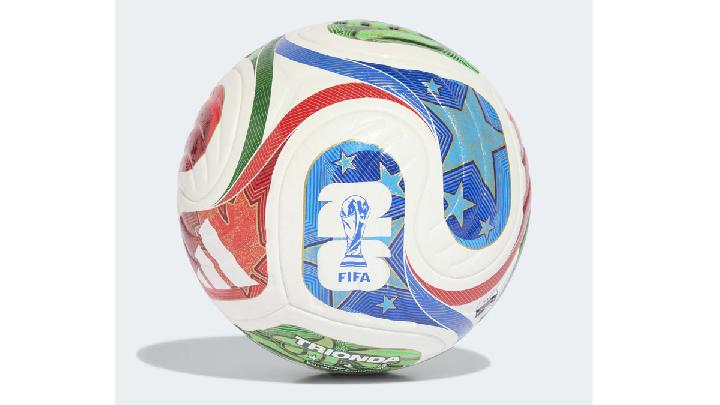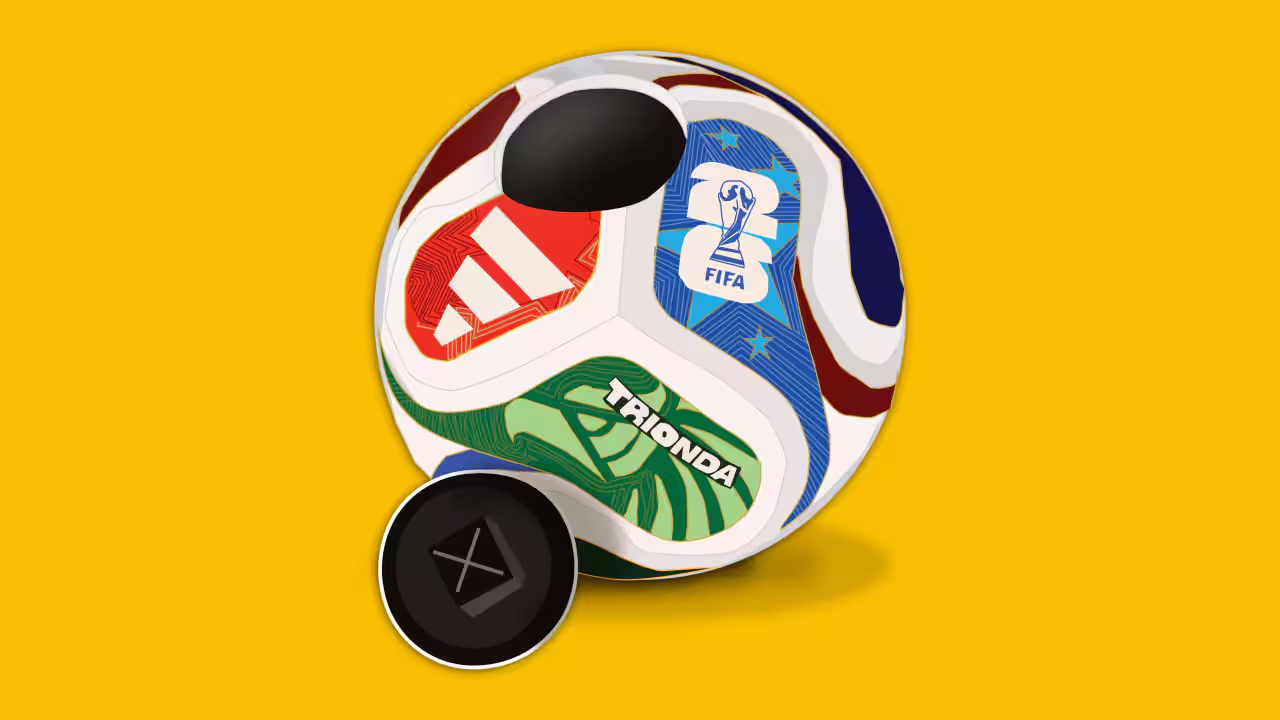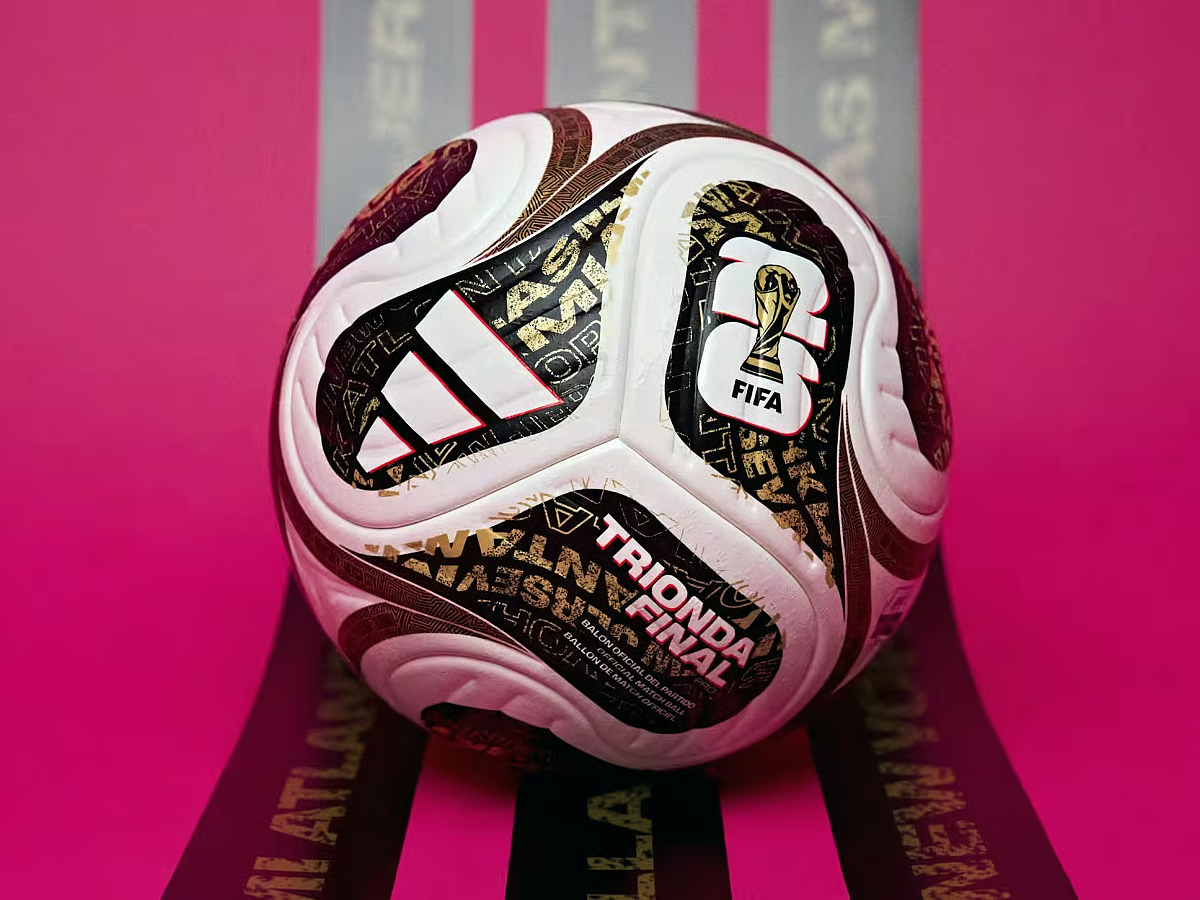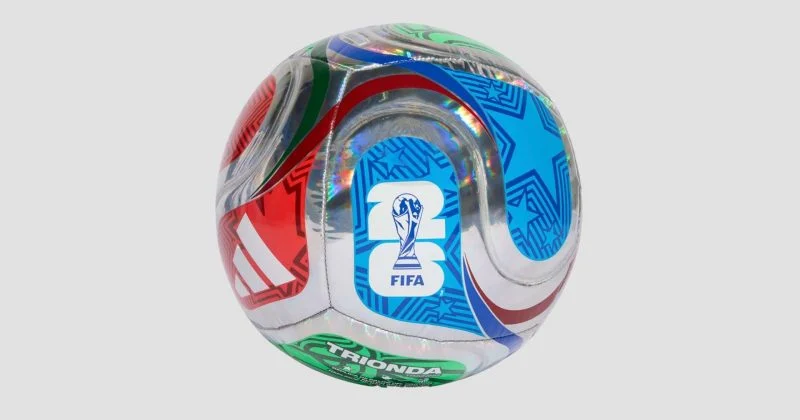
The ball knows when you touched it. More precisely, it knows exactly how you touched it, how fast it was spinning when you did, and where it was headed next. The Adidas Trionda, the official match ball for the 2026 FIFA World Cup, packs an embedded sensor that captures data 500 times per second and feeds it directly to the Video Assistant Referee system.
How the Trionda actually works
At the core of the Trionda sits a 500Hz inertial measurement unit, or IMU, motion sensor chip. In English: a tiny computer that measures movement, speed, spin, and trajectory in real time, then broadcasts that data to match officials faster than a midfielder can complain about a yellow card.
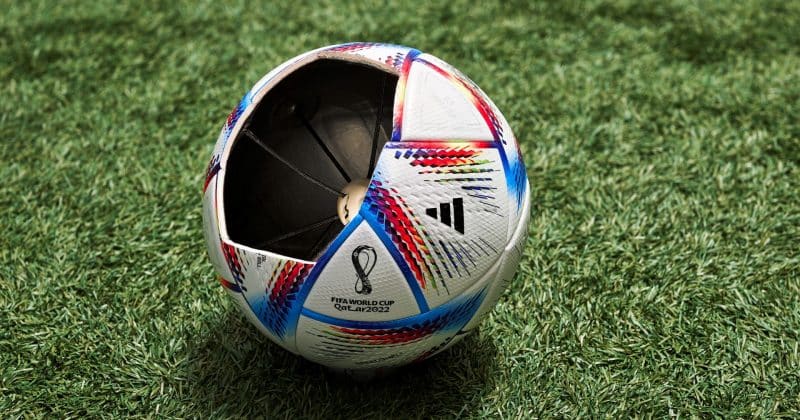
This isn’t the first time FIFA has experimented with smart ball technology. The connected ball system debuted during the 2022 Qatar World Cup, where it assisted with semi-automated offside decisions. The Trionda builds on that foundation with notable design refinements.
Previous iterations placed the sensor in a way that could subtly affect the ball’s weight distribution. The Trionda repositions the chip within the sidewall of one panel, a change aimed at improving balance and ensuring the ball performs like, well, a ball.