Story audio is generated using AI
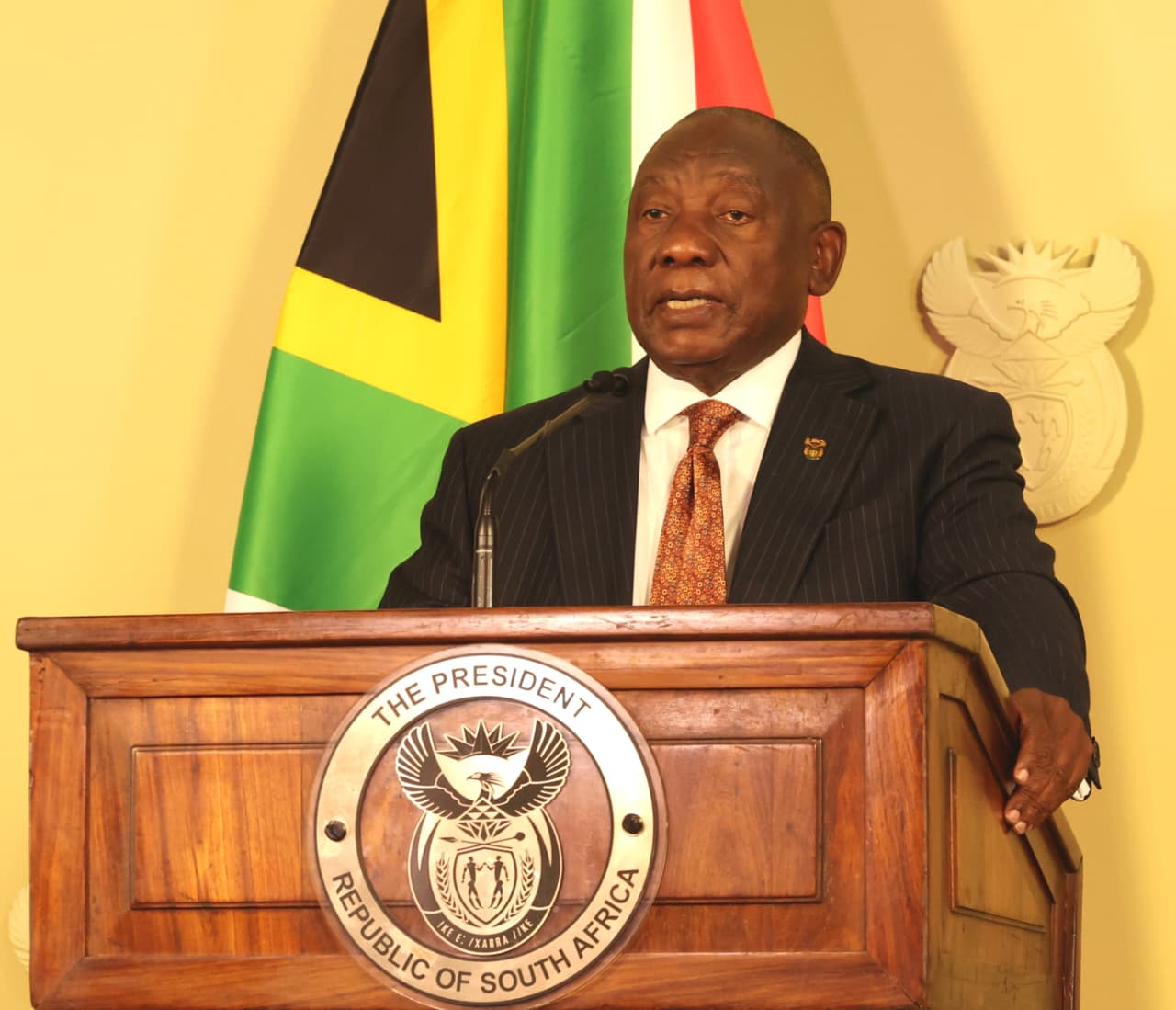
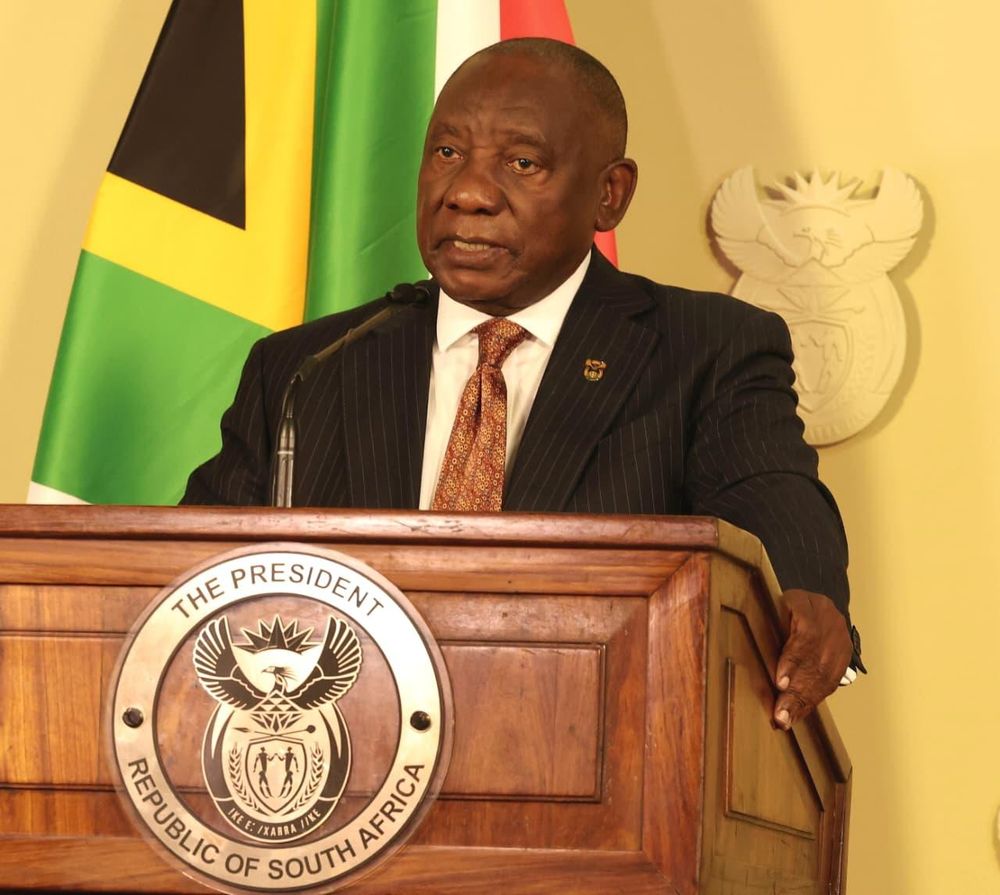
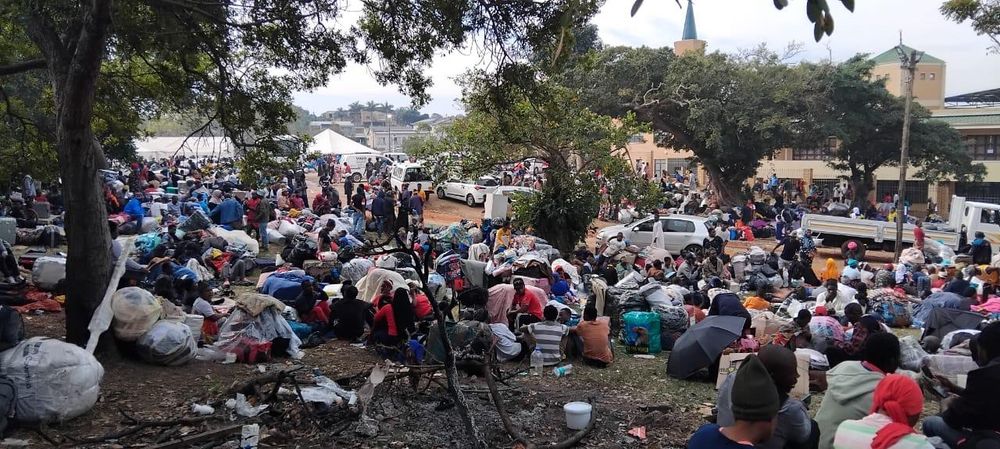
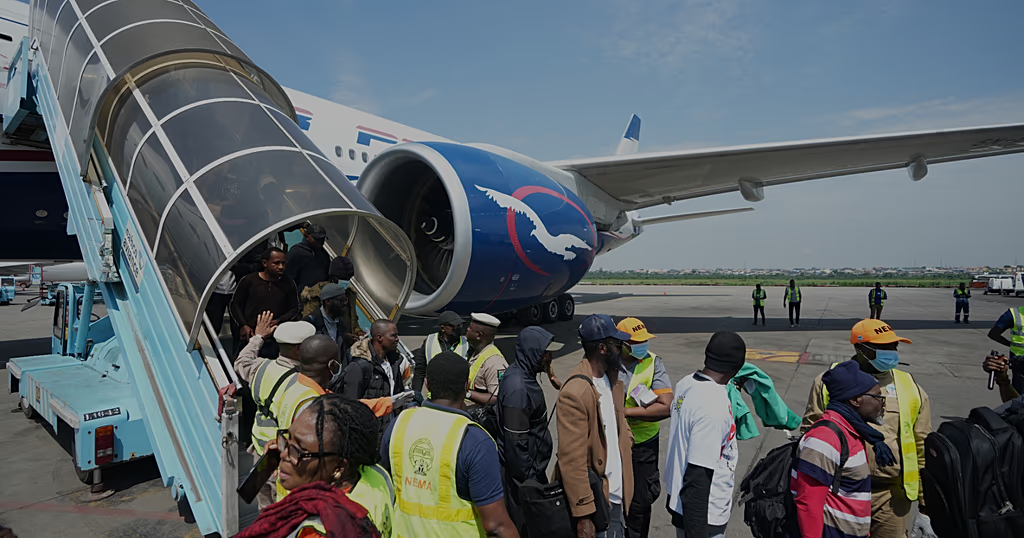
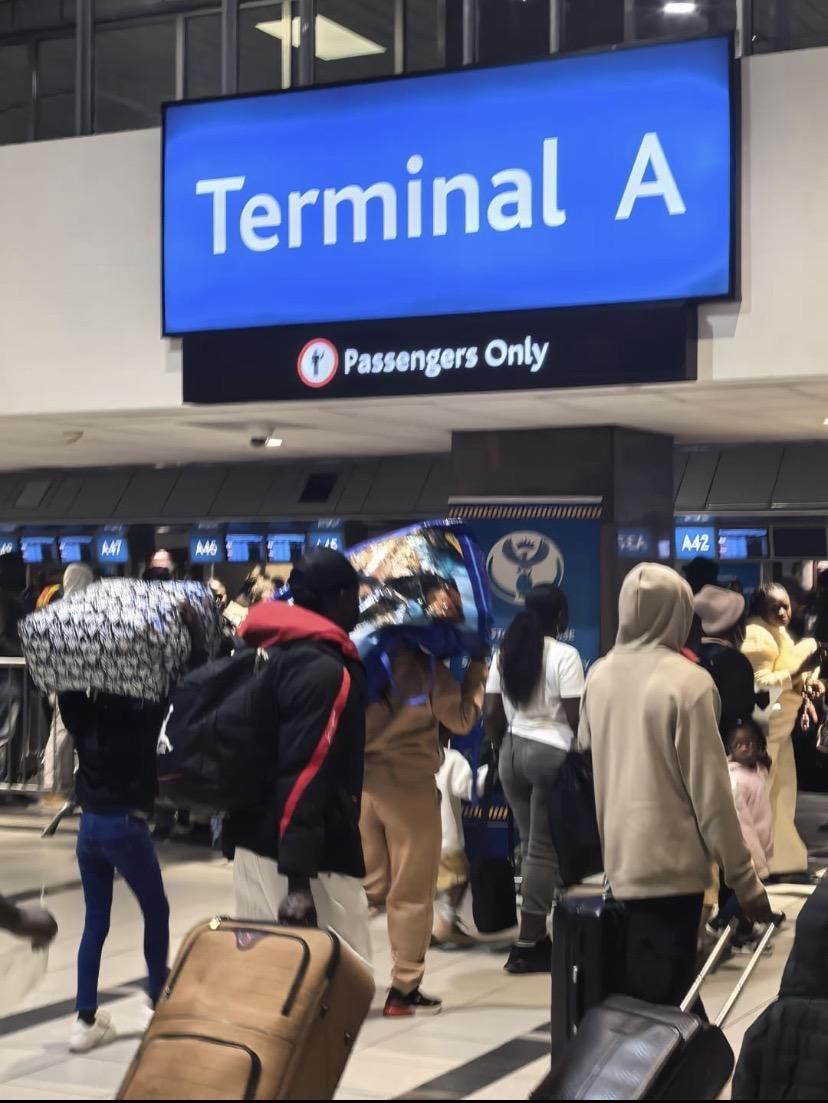
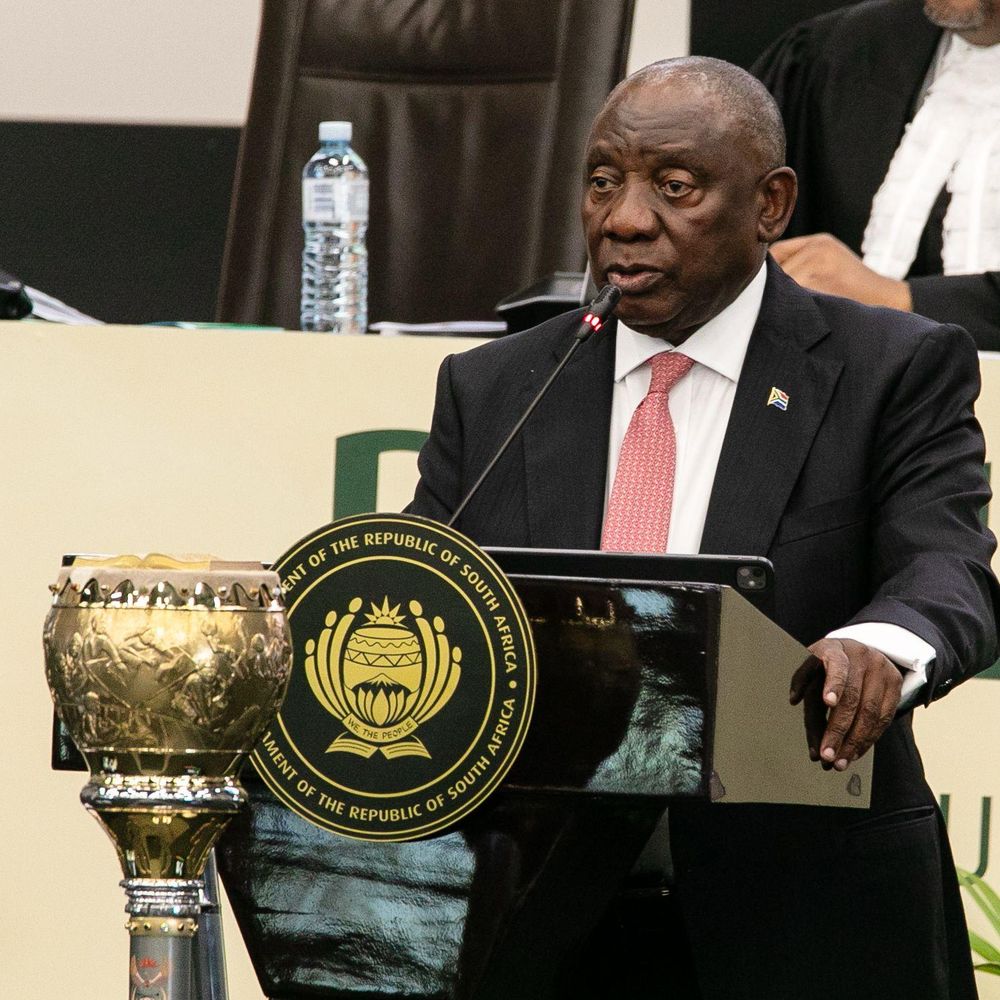
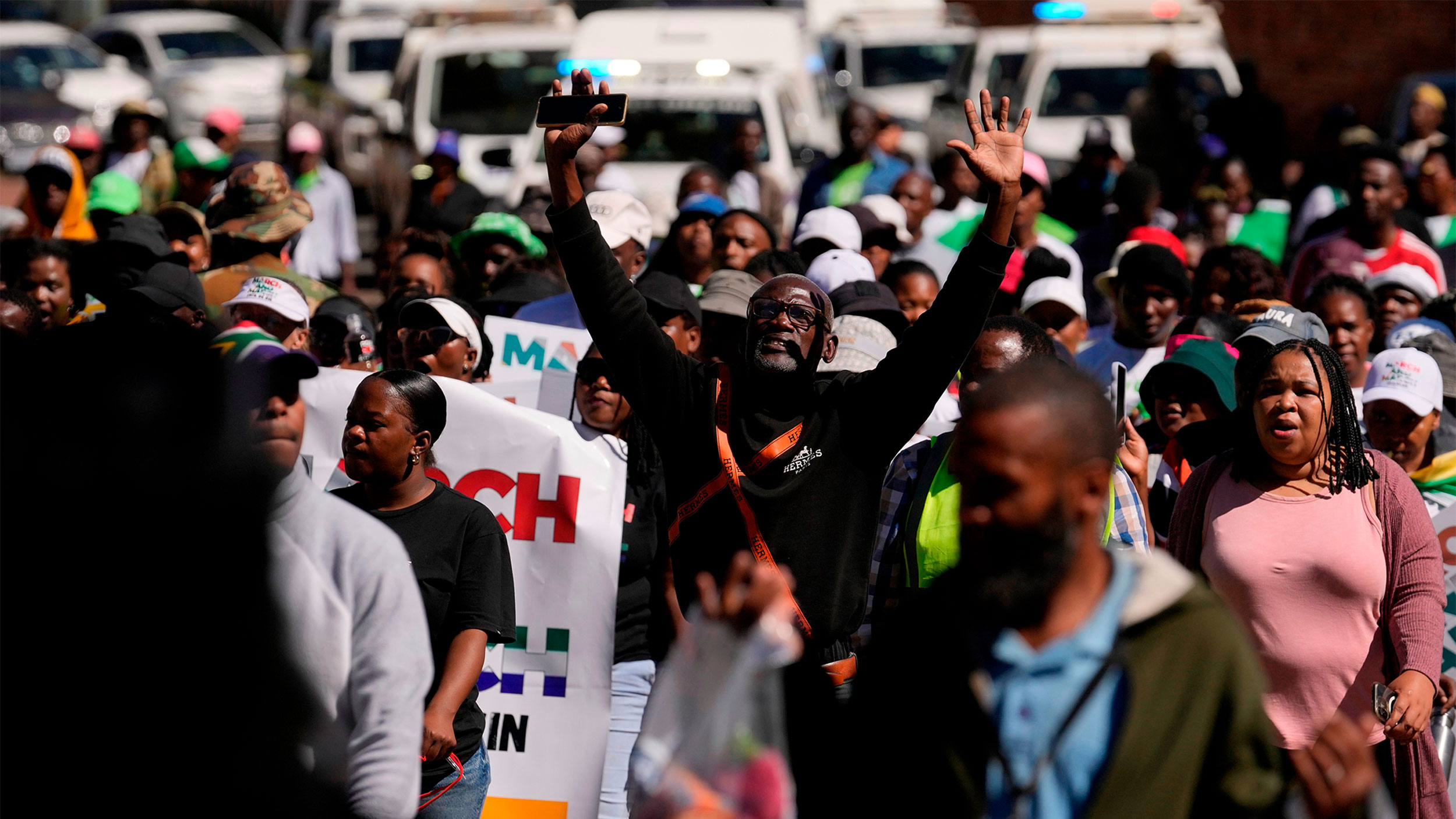
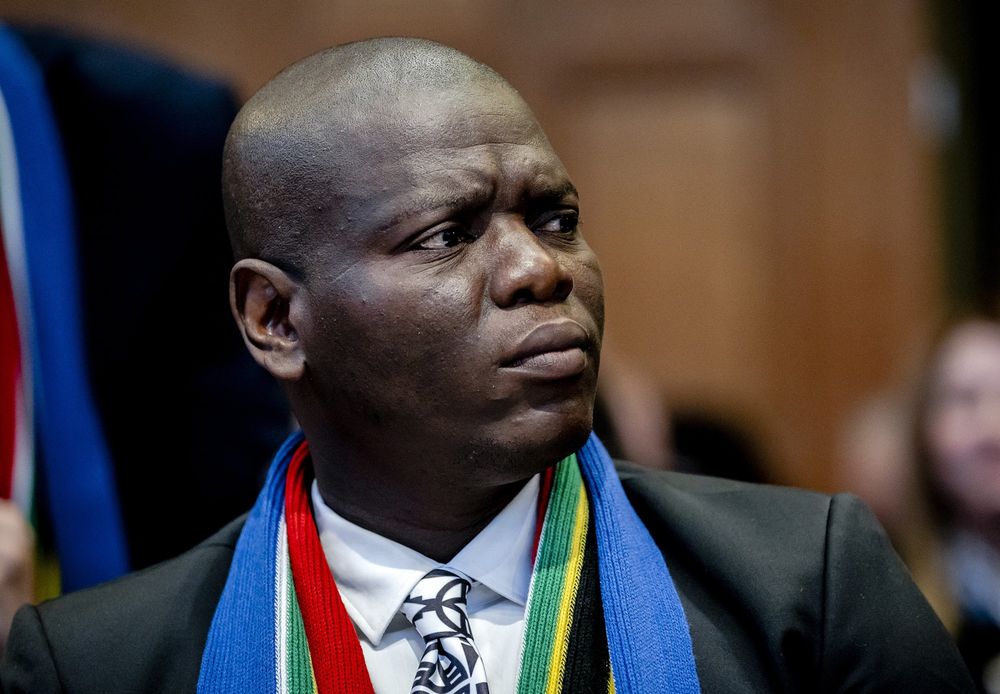
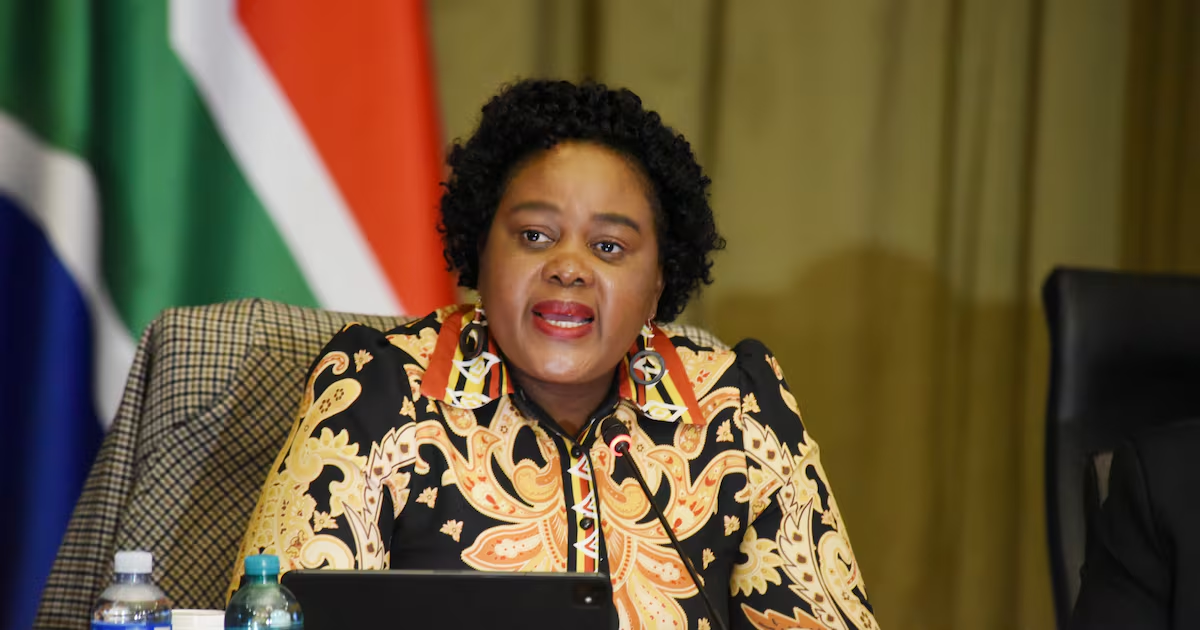
The government says consular services are being expanded for South African companies that operate on the rest of the African continent and are facing fallout from tensions over anti-immigrant protests that have swept across the country.Part of the government’s response, co-ordinated through the department of international relations & co-operation (Dirco), involves direct engagement with South African companies operating elsewhere on the continent and beyond, said justice & constitutional development minister Mmamoloko Kubayi.According to Kubayi, international relations & co-operation minister Ronald Lamola has already met affected businesses and the government is providing support and consular services to companies that have faced a backlash or operational difficulties linked to the tensions over illegal migration and the treatment of foreign nationals in South Africa.“The brand [South Africa] is hurting; we can’t lie about it, the backlash, and that’s why [that is] part of the work that we are doing as government,” Kubayi, also chair of the inter-ministerial committee on migration, said on Sunday. “Part of the work that we are doing as government, as well, through Dirco, is engagement with … South African companies abroad. Minister Lamola has met them and we’re providing … support services and consular services for those businesses on the continent and outside the continent so that where they face a backlash, where they face difficulties, there would be one of the areas that we would have to look at as well.”From telecoms and banking to retail and entertainment, South African companies have spent decades building brands across African markets, making reputational damage a potential commercial concern.South Africa is also increasing its trade with other African countries under the African Continental Free Trade Area (AfCFTA). South Africa’s exports under the AfCFTA amounted to about R2bn, mainly to Ghana, Kenya, Egypt, Rwanda, Cameroon and Algeria.Imports from AfCFTA-implementing countries, including Kenya, Egypt, Algeria, Morocco and Tunisia, amounted to about R610m over the same period. The move by the government also follows calls by the country’s largest business lobby groups, Business Unity South Africa and Business Leadership South Africa, who in June called for the orderly handling of immigration tensions. They warned that “South Africa benefits enormously from legal investments as well as genuine entrepreneurship, skills and talents from other African countries. Consequently, when individuals tar foreign nationals, they directly harm South Africa’s economic interests.” Dirco will also continue engaging the Southern African Development Community (Sadc) and the foreign ministries of affected countries, including Malawi, Nigeria and Ghana, whose nationals have featured prominently in recent deportation operations. The engagement aims to co-ordinate repatriation protocols, share operational information and provide regular, factual briefings to foreign missions to counter misinformation and disinformation.“Our government appreciates the initiatives by several African countries, including Nigeria, Ghana and Malawi, on repatriating their citizens from South Africa. The government is actively co-operating with them to facilitate the safe, orderly and voluntary repatriation of its citizens. We maintain that our immigration challenges must be addressed strictly through lawful, peaceful and constitutional means,” Kubayi said. Lamola chairs the Sadc Council of Ministers, with South Africa due to take over the full Sadc chairmanships in August.The inter-ministerial committee says more than 40,000 people have been arrested for contraventions of the Immigration Act since the start of the year, including over 7,400 in the past month alone.“The green ID is the most defrauded piece of identity documentation in South Africa. There are studies that say it is the most defrauded on the African continent, and it’s easy to understand why: it’s got a physical photograph that can be manipulated or exchanged or swapped. If you lose your green ID or someone steals it, it can be easily manipulated by putting another photo in there. And I think even more recently, we’ve now seen the ability of AI to manipulate those documents, even at a greater scale than what we’ve had before,” said home affairs minister Leon Schreiber. The consular push comes as the government continues to publicise its enforcement record before a June 30 deadline set by anti-immigration groups for illegal foreign nationals to leave South Africa.