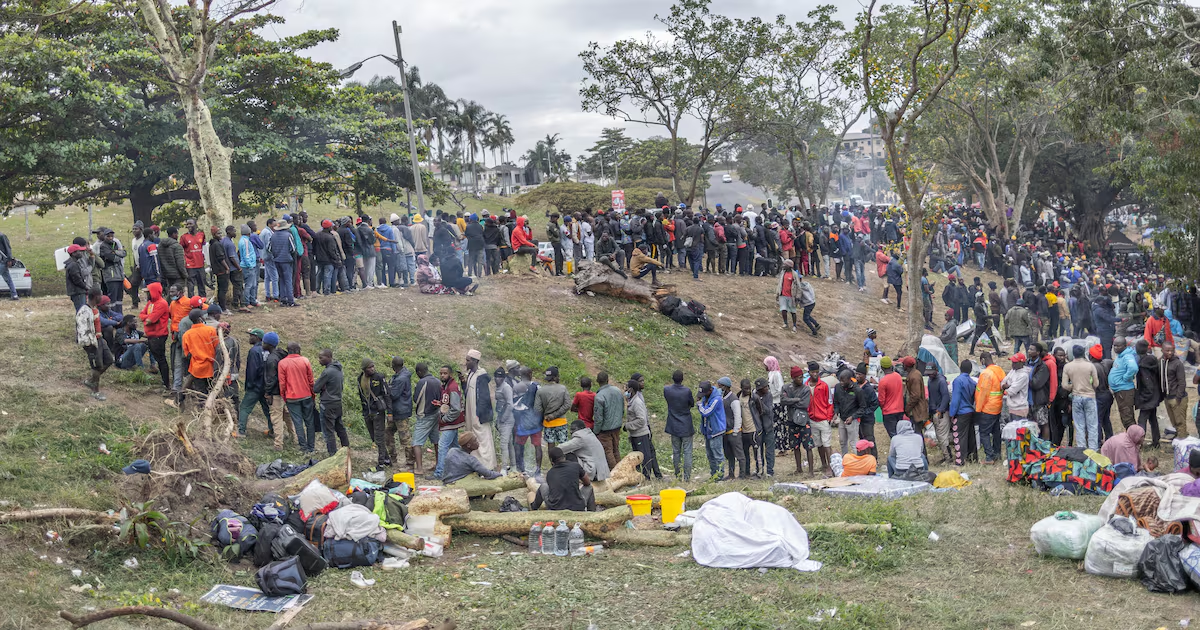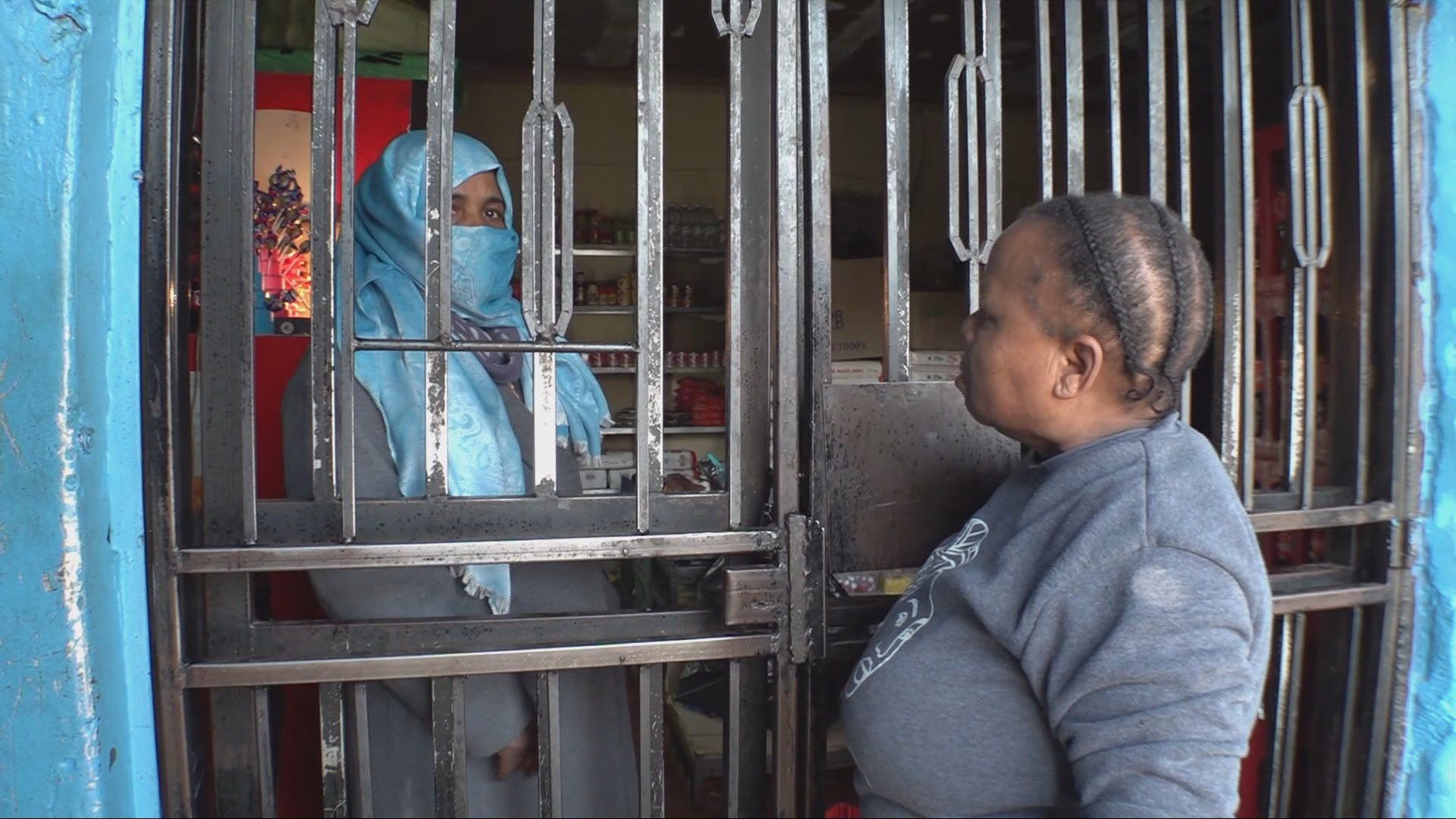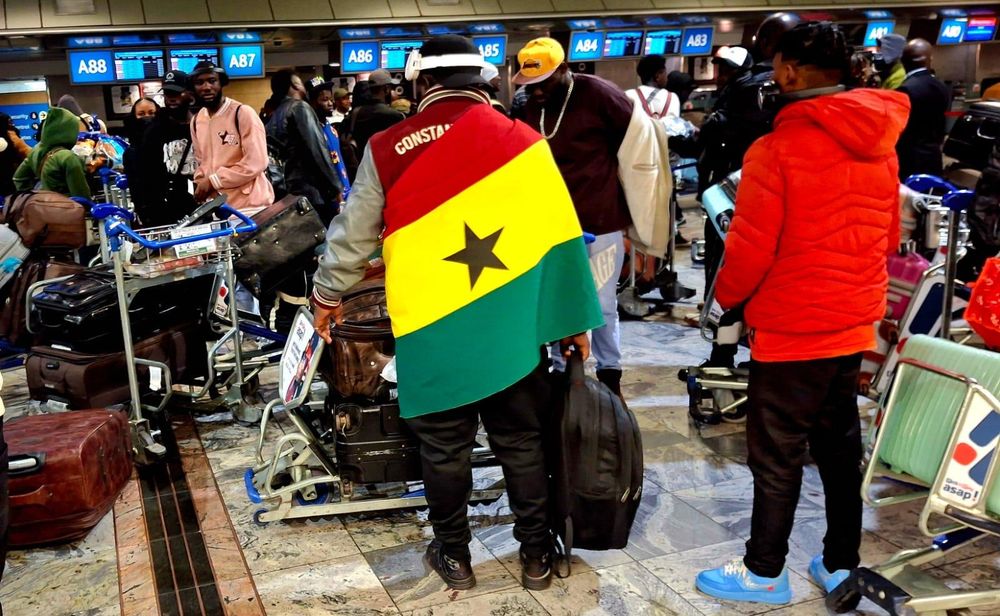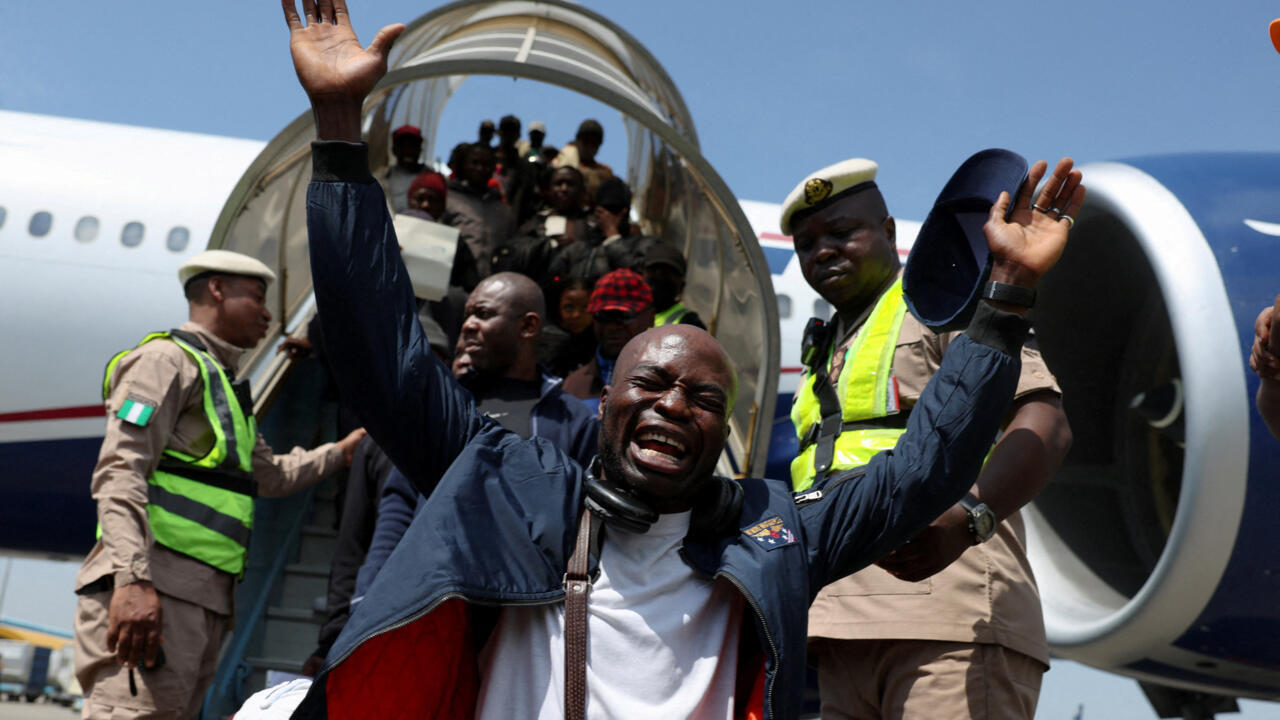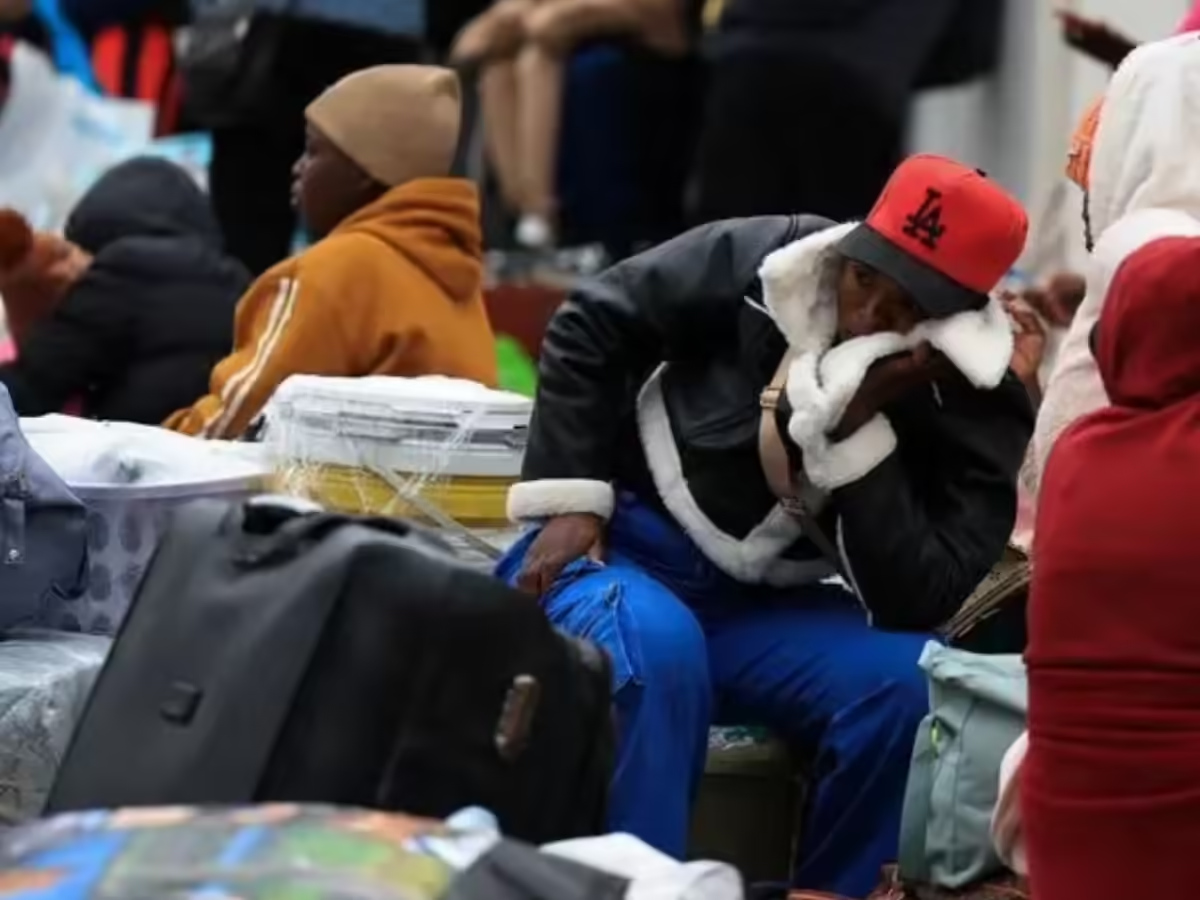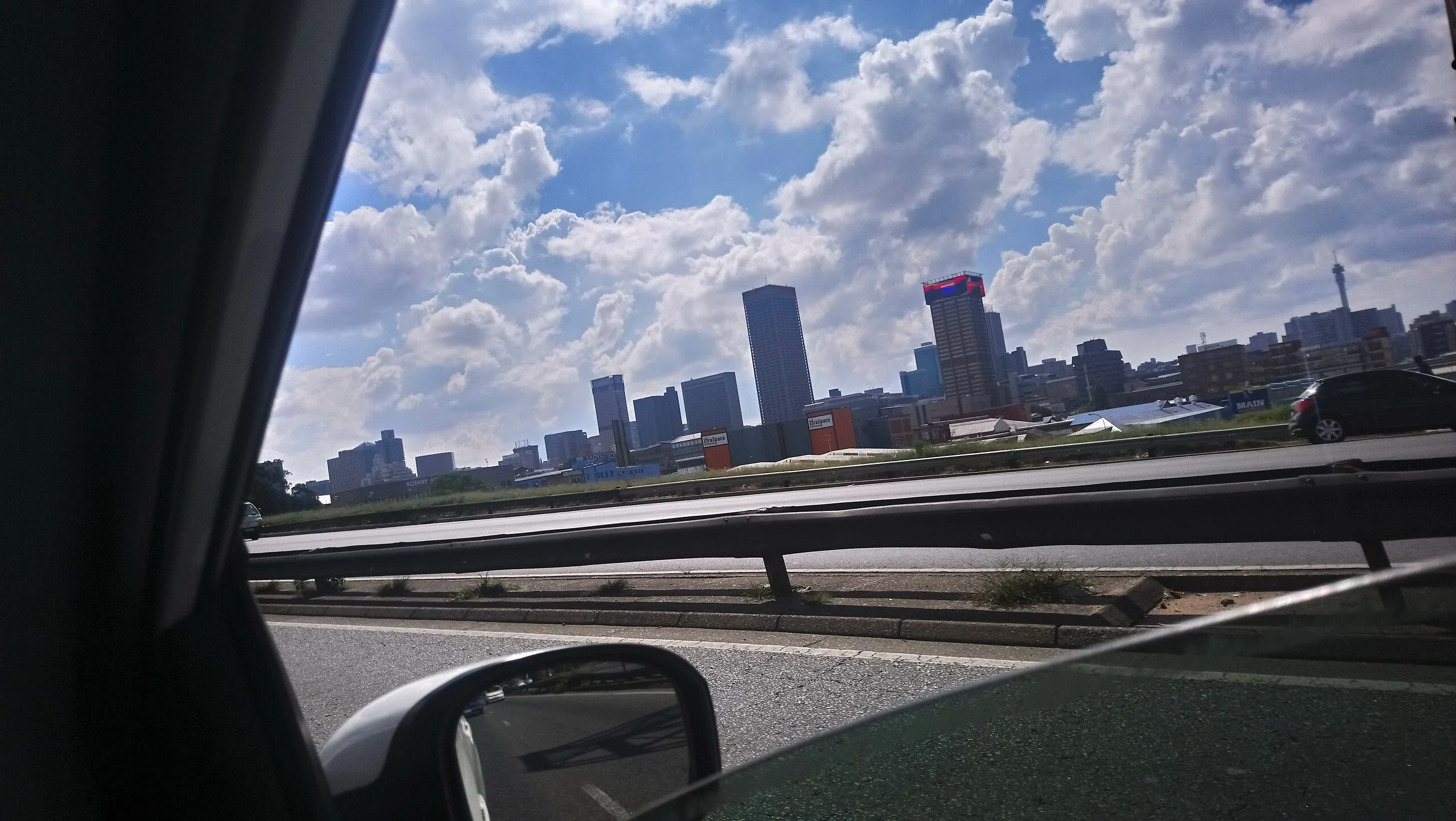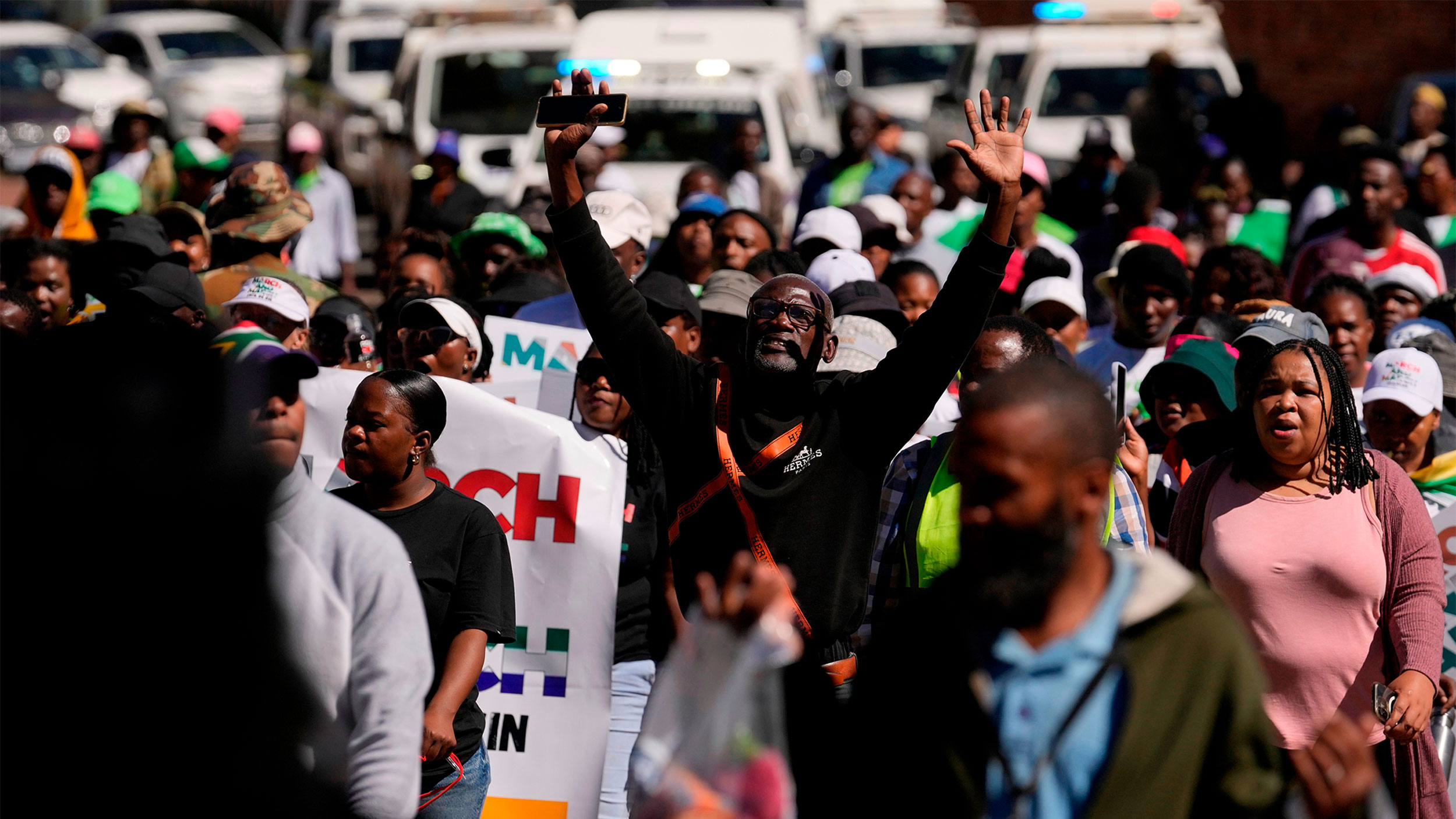
In South Africa, tensions over immigration have reached a crisis point. Anti-immigration protesters in the country have threatened foreign-owned businesses and foreign workers, and it hasn’t stopped with rhetoric. Acts of violence have followed, with migrants from Nigeria and Ghana being singled out.Ambassadors from both countries have intervened. The Nigerian government has even offered to repatriate its citizens. The World’s Host Marco Werman spoke with Sethulego Matebesi, a professor of sociology at the University of the Free State, south of Johannesburg. He said these tensions have a long history in South Africa.“The protests are being led by what I would say is sporadic civil society organizations,” he said. “But you’ve got at least two political parties which have been very explicit to say they do not want these foreigners, illegal immigrants in South Africa.”Marco Werman: What is the argument the protesters are making against immigration?Sethulego Matebesi: Many of our employers in South Africa, like, for instance, in agriculture, will hire cheap foreign laborers. And the problem with that is these foreigners will have to be housed, which becomes a problem for the government.Our local clinics are 200% occupied on a daily basis. So, in short, there are credible, genuine grievances coming from South Africans to say, we do have a problem of unemployment in our country. We’ve got a huge problem with crime, and rightly or wrongly, Nigerians have been blamed for many of the challenges that South Africa is facing.South Africans hold up signs during a protest against illegal migration, in Johannesburg, South Africa, April 29, 2026.Themba Hadebe/APWhen you say rightly or wrongly, those Nigerians are being blamed. Are those fair accusations in your opinion?No, well … there is also scientific evidence that, to a large extent, Nigerians are involved in trafficking drugs in South Africa. But one has to be very cautious also because [it’s] not all of them, definitely. There are those who are actually advancing this country’s economy. Those who are involved in legal businesses.There has also been a sentiment in the past where it seems as if South Africa is anti-African, because if you look at all these immigrants that we are referring to, they are actually from the African continent. We hope that these xenophobic tendencies within the country will not lead to political mudslinging and a blame game between South Africa and many African countries.As I said, the Nigerian government has offered to repatriate its citizens. Do Nigerians feel confident that the South African government will protect them and they won’t have to return home?Well, it’s difficult because … if you find it very difficult to protect your own citizens, it’s going to be very difficult to guarantee that. But the South African government, from time to time, indicated that they do not support this kind or protest.I am certain that the government will come out and make a pronouncement to say they will protect these immigrants in the country. But we are extremely good as a country at coming up with policies and legislation, but enforcement is the huge problem.I’m wondering what reaction has been from other countries in the region like Zimbabwe, Mozambique, Botswana. Where they’ve also experienced working in South Africa and anti-immigrant feelings. Is this spilling across the border?Yes, there have been some statements coming from Zimbabwe in the past. There have also been civil society organizations, all these immigrants organizing themselves to put pressure on the government, and there’s been a bit of a pushback on that.That was a year or so ago, where some of these immigrants were given a compromise from the South African government. But I will not be surprised if some of these African countries also take a stance on this particular matter.So finally, Sethulego, you started by saying that this anti-immigrant feeling and violence in South Africa is a recurring thing. Where do you think this moment, though, fits into South Africa’s wider history? Is it a sign of something deeper and more troubling?It is definitely more troubling. We had a huge problem with regards to governance challenges, corruption and basic service delivery, in most municipalities, it is a huge challenge. We are now on the brink of a water crisis in the country. Huge water crisis where some municipalities cannot provide clean water to residents on a regular basis. That is a huge problem. Housing is a problem.Energy provision, electricity, what we call load shedding in the country, where from time to time the electricity has to be shut down to try and balance the grid. So, it’s all these problems that South Africans are facing on a daily basis. And they now believe that, and it’s almost like scapegoating, they believe that These foreigners are also contributing to this particular problem.I mean, it sounds like the anti-immigrant sentiment is coinciding with basic resource demands like water and electricity, and that’s making this moment even more fraught.Yes, basic service delivery is a problem with our municipalities. Then all these kind of things then boils down to the tension that we’re currently seeing in South Africa.This interview has been lightly edited and condensed for clarity.The story you just read is not locked behind a paywall because listeners and readers like you generously support our nonprofit newsroom. Now more than ever, we need your help to support our global reporting work and power the future of The World. Can we count on you?
Anti-immigrant sentiment rises in South Africa - The World from PRX
As tensions over immigration reach a crisis point in South Africa, the Nigerian government has even offered to repatriate its citizens. The World's Host Marco Werman speaks with professor Sethulego Matebesi about the growing protests and violence.
899 words~4 min read