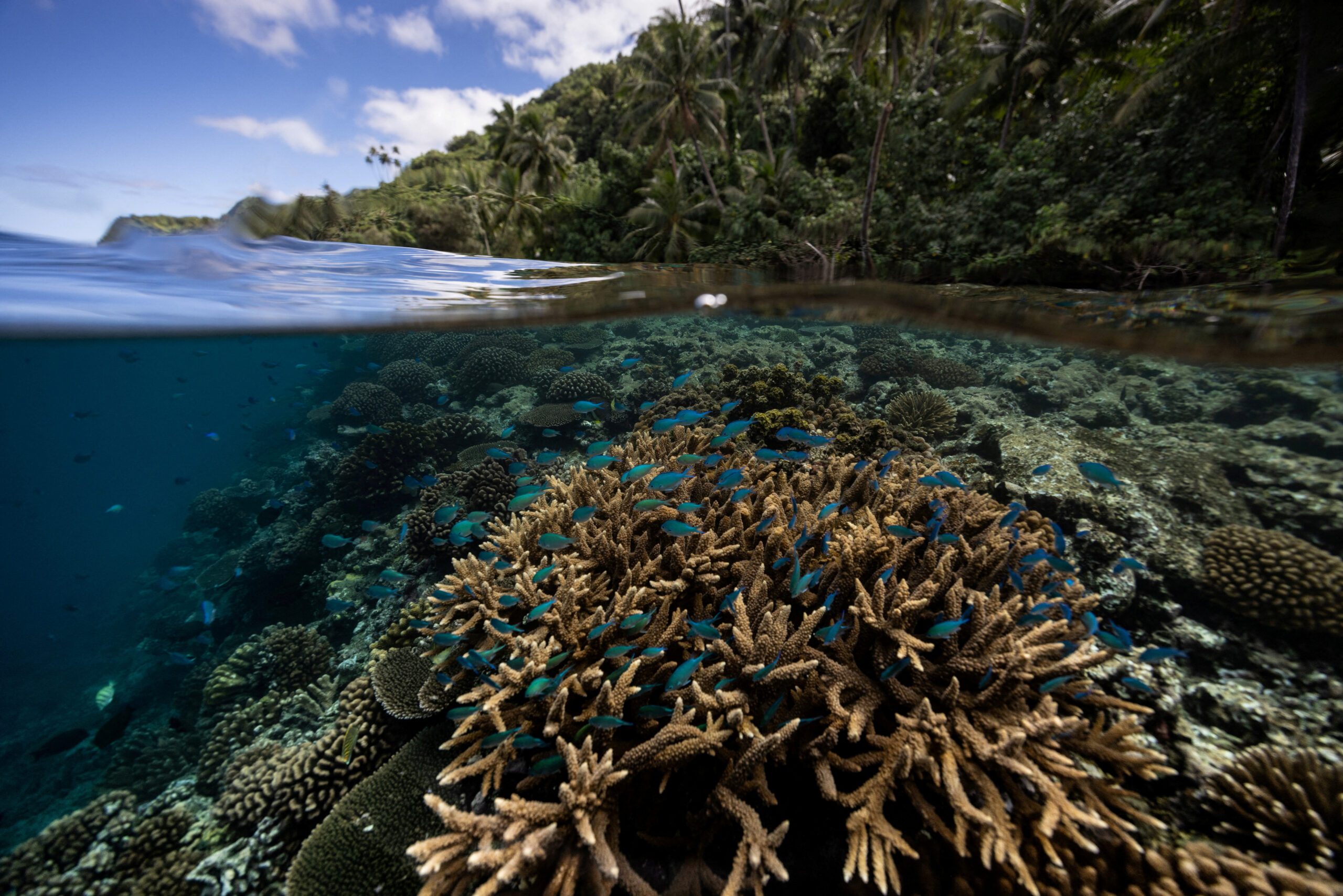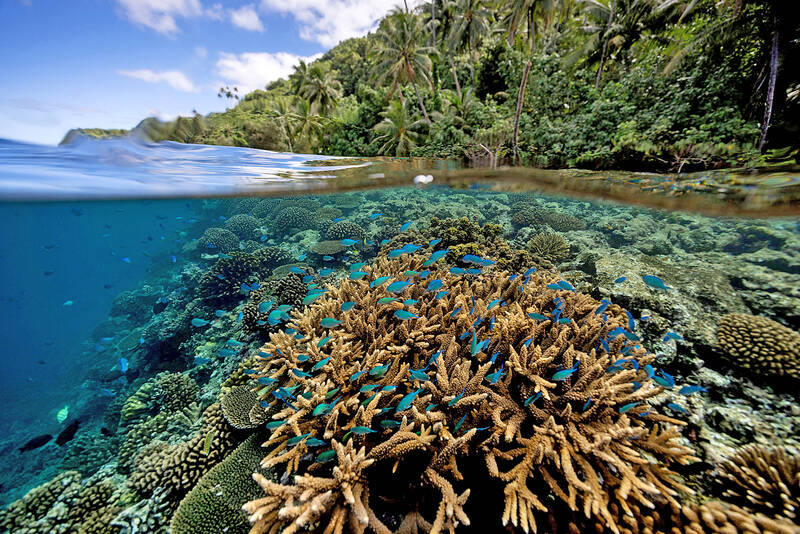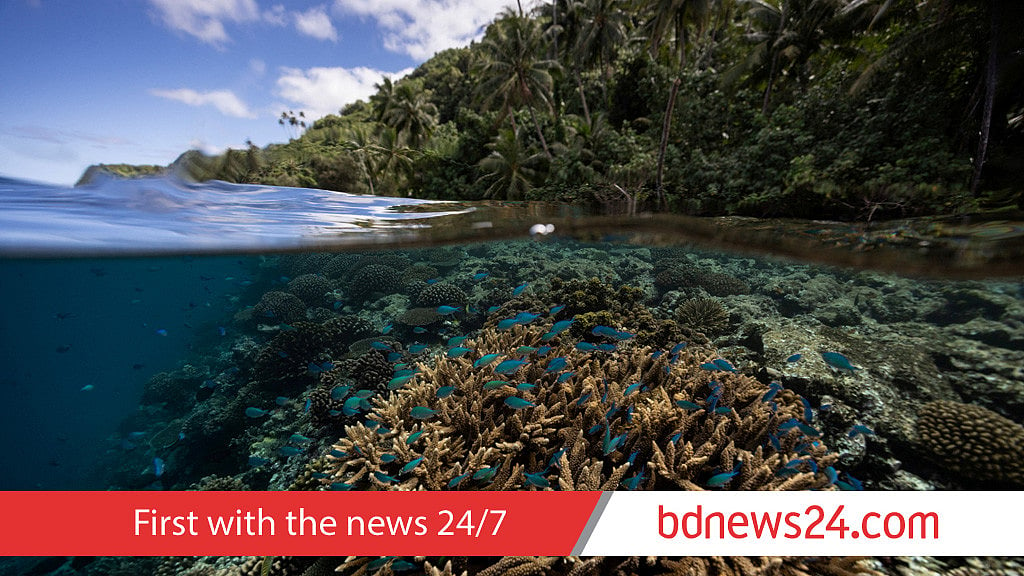
MAJURO, Marshall Islands—Perched on the bow of an aluminum landing craft, Anne Cohen gazed a few yards ahead of the vessel toward a yellow robot gliding across the emerald Majuro lagoon.
The unmanned surface vehicle, called Yellowfin, was quickly becoming one of the coral researcher’s most dependable guides in these Central Pacific waters.
“She’s the best dive buddy,” said Cohen, a tenured scientist at the Woods Hole Oceanographic Institution in Cape Cod. Programmed to navigate to a precise set of coordinates, the robot cut through small swells like a tiny sailboat without a mast, directing Cohen toward a destination she had traveled thousands of miles to revisit.
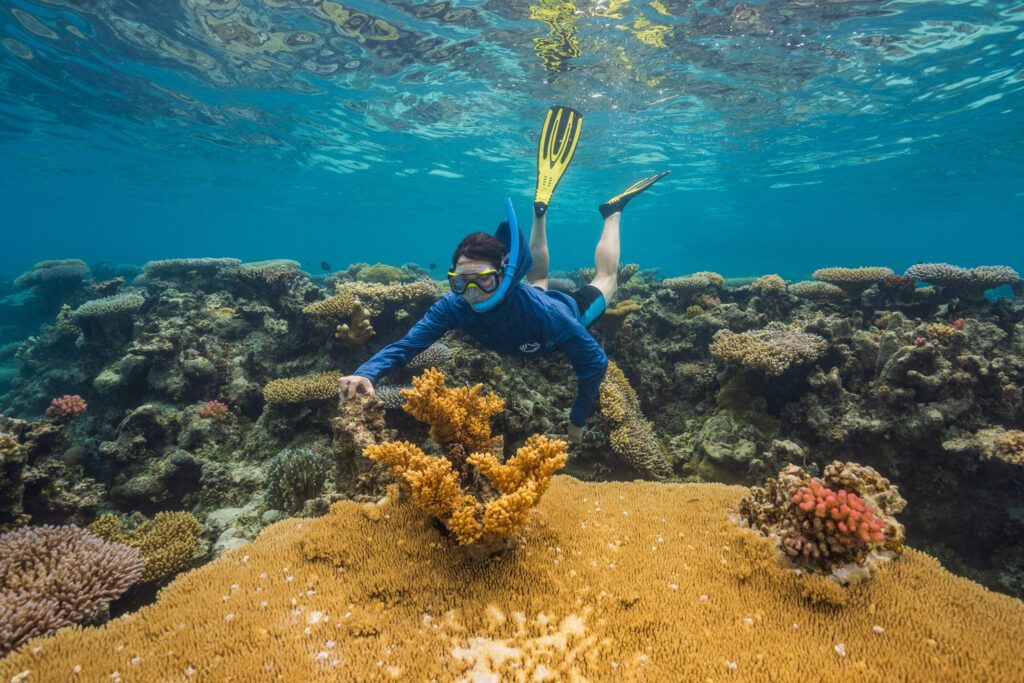
When the robot finally paused, hovering in place, Cohen recognized it as her cue. Somewhere below should be a patch of reef she’d been observing over the last few years, and she was eager to see how it was faring. Each visit carried a growing weight of uncertainty.
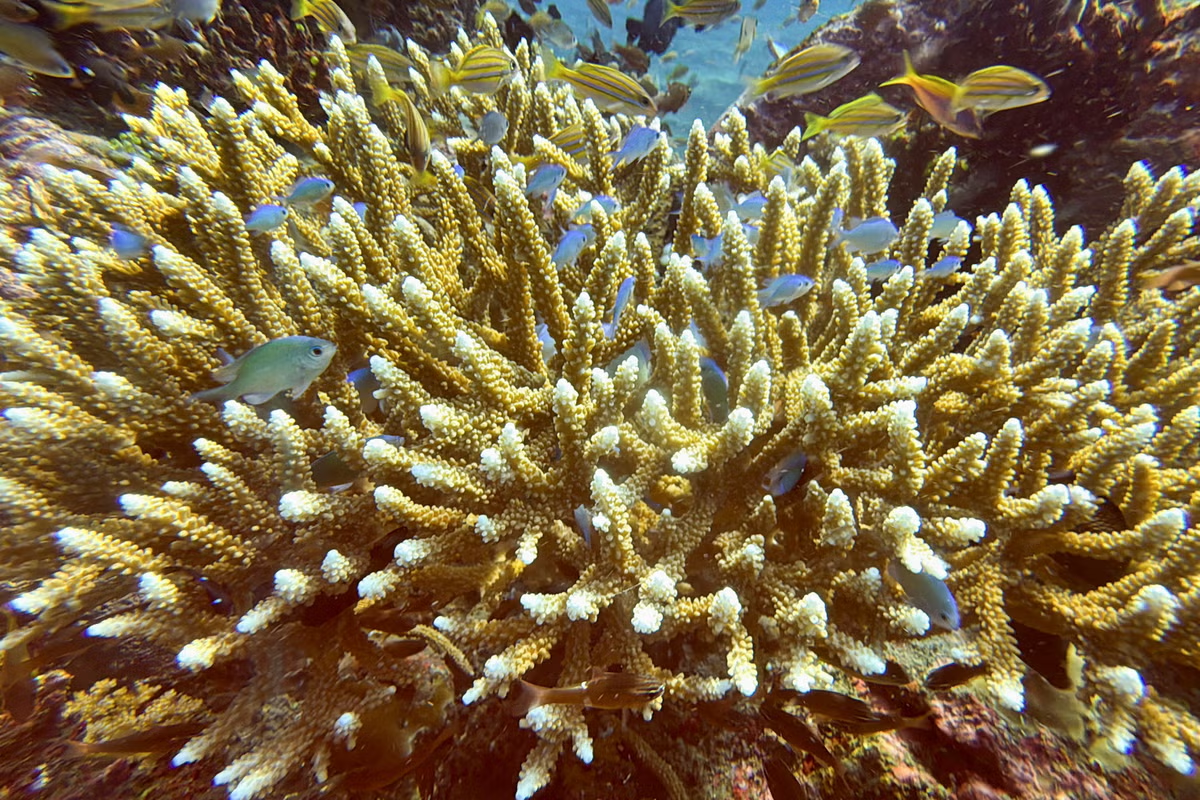
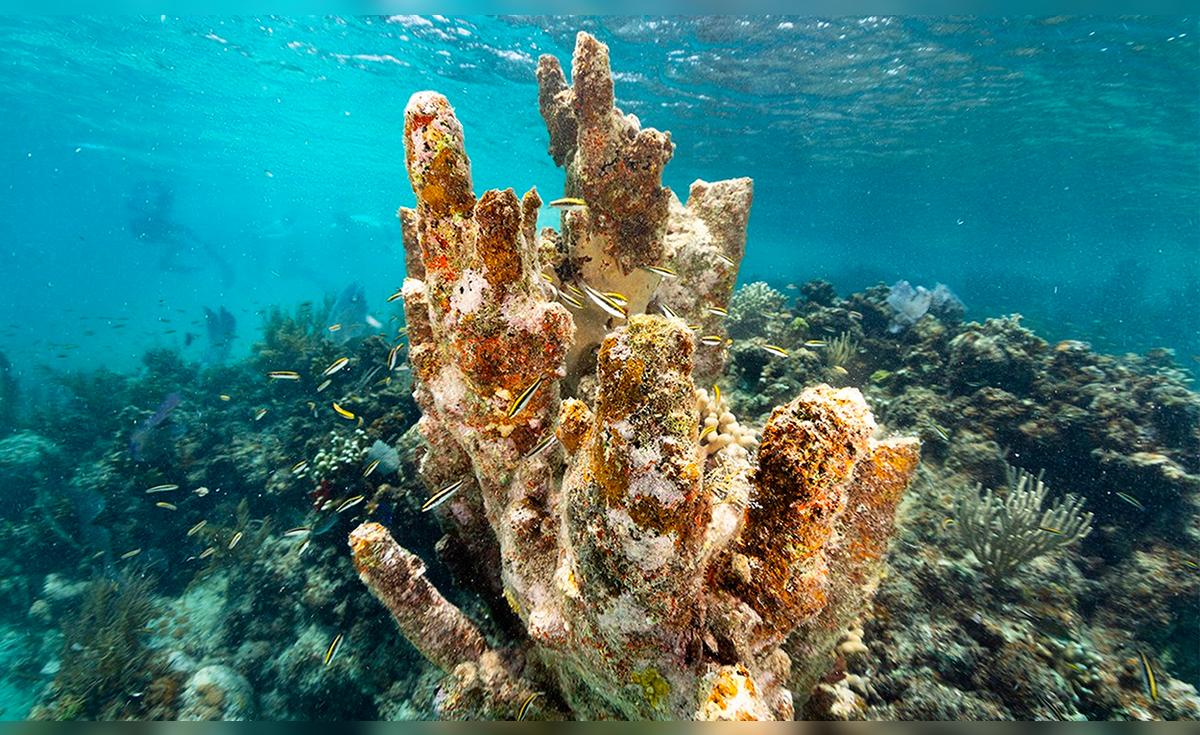
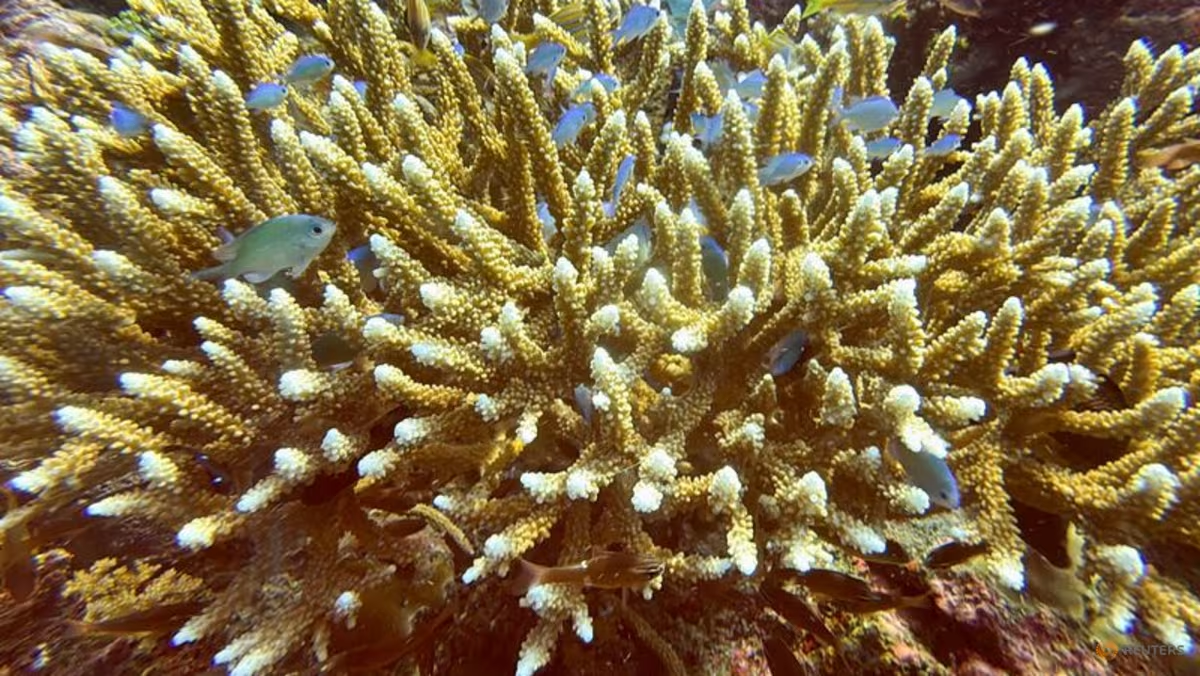
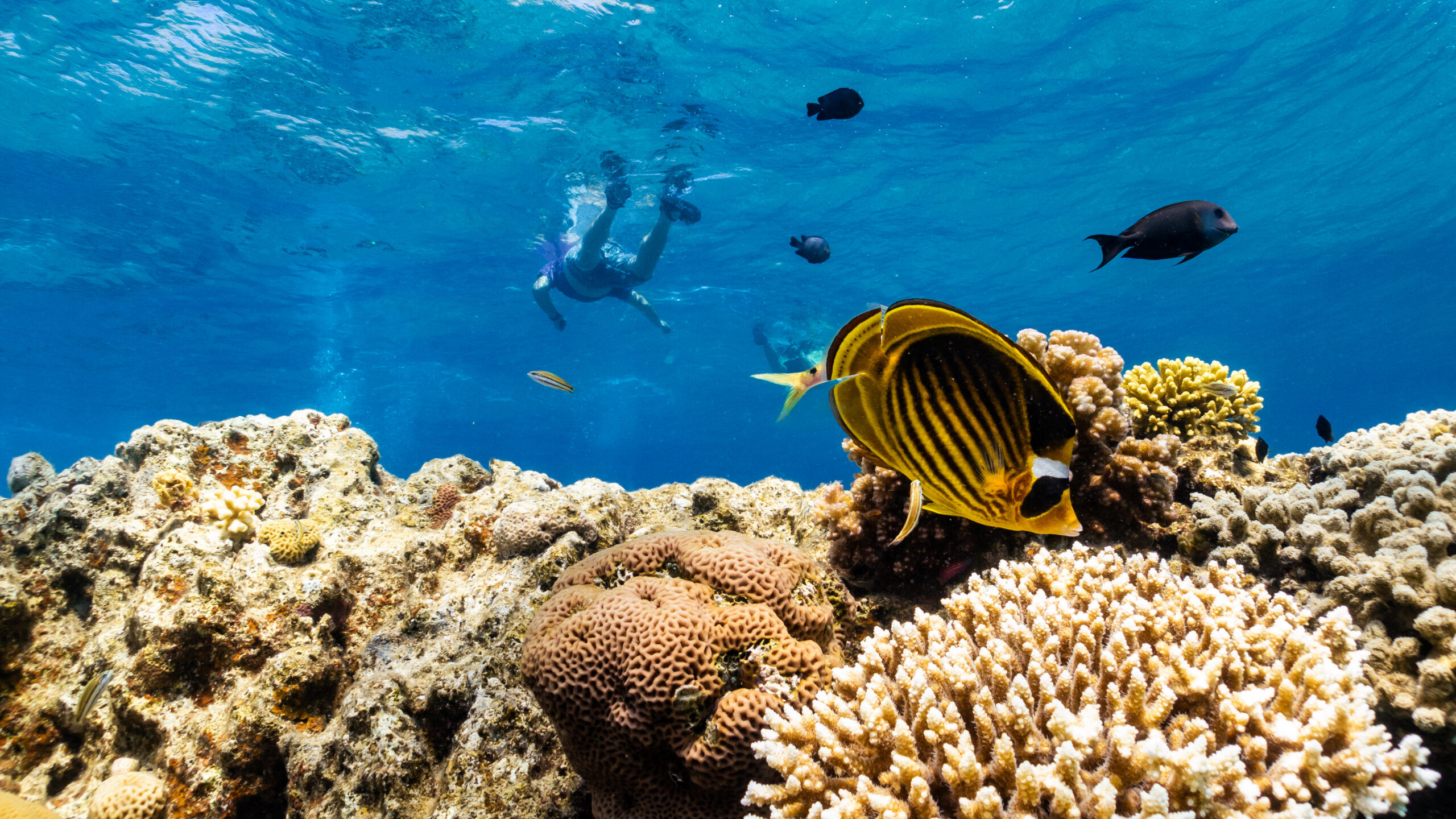
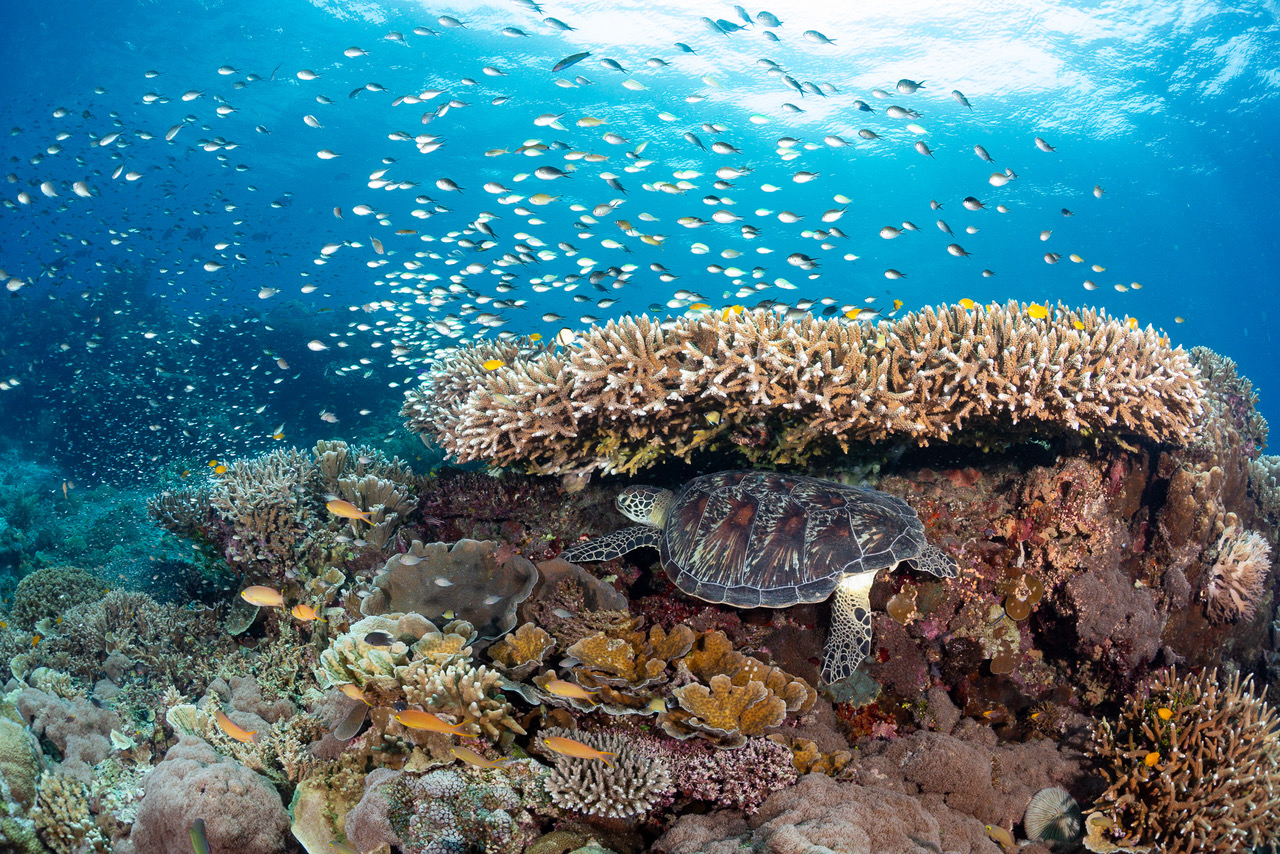
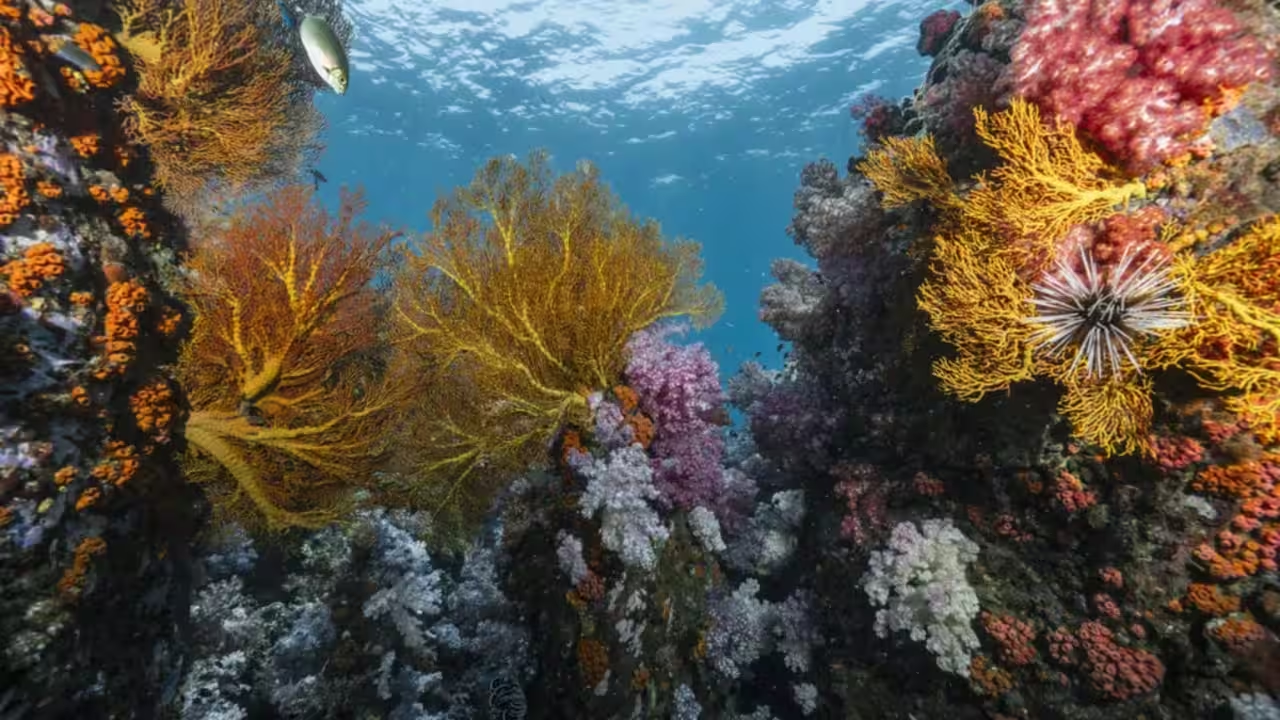
Since 2023, record-breaking marine heat waves have swept through the tropics, fueling the most severe global coral bleaching event ever recorded. More than 80 percent of the world’s reefs have been impacted in at least 83 countries and territories. Corals have been so stressed by the extreme temperatures, they’ve expelled the tiny algae living inside their tissues that provide them with food and their brilliant hues, leaving them pale, ghostly and struggling to survive. Many have not recovered.