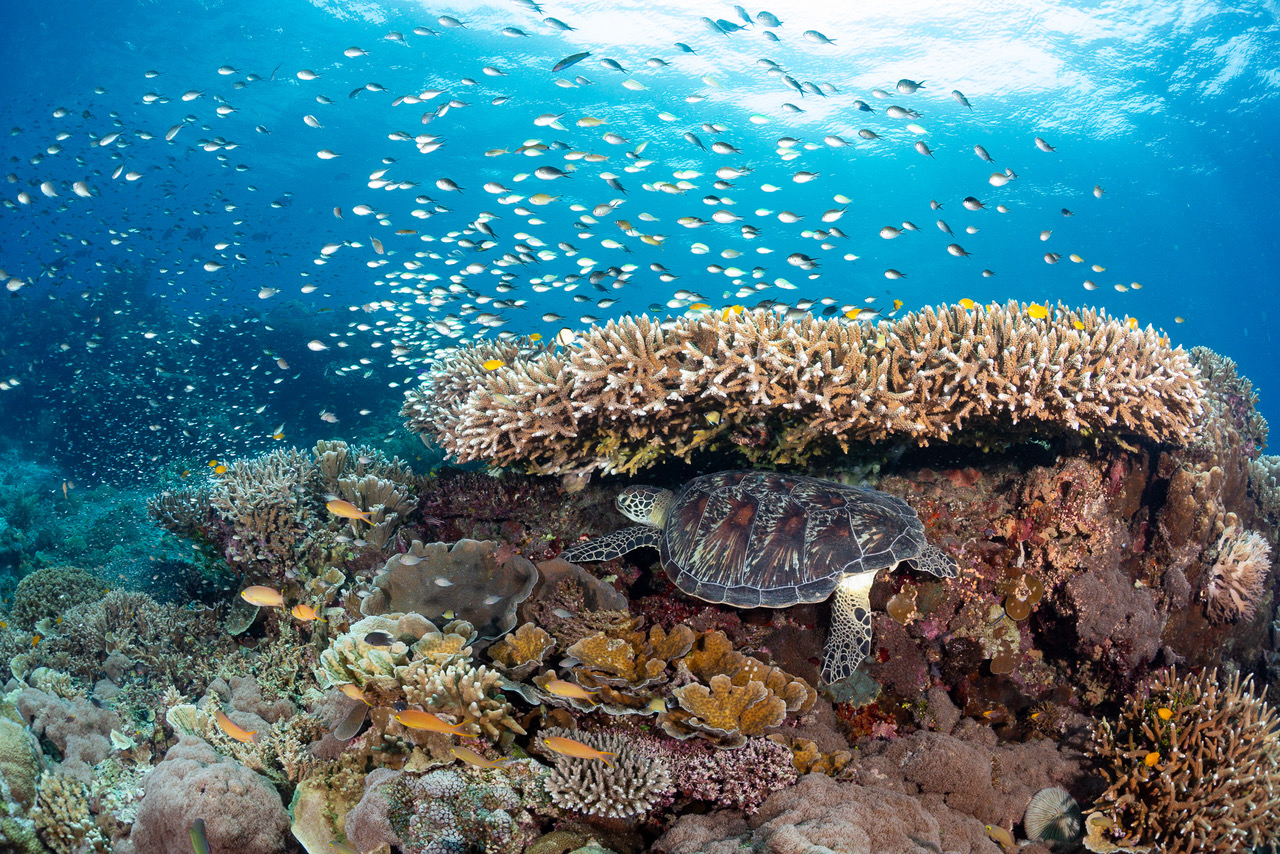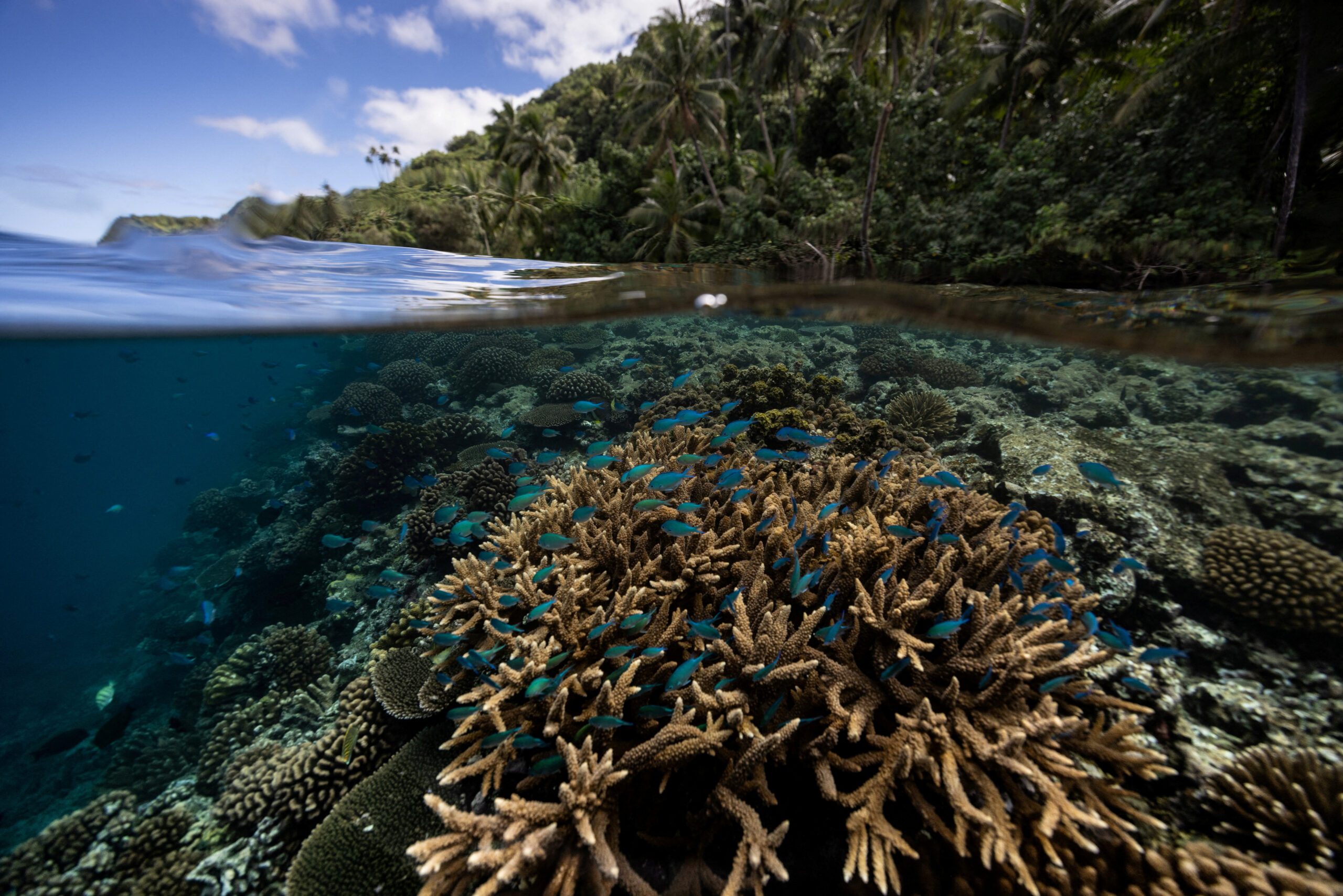
Dr. Stacy Jupiter is the Executive Director of the Wildlife Conservation Society's Global Marine Program. Melissa Wright is Bloomberg Ocean Initiative Lead at Bloomberg Philanthropies. For years, the dominant story on coral reefs has been one of inevitable loss, with news headlines focusing on mass bleaching, ecosystem collapse, and catastrophic tipping points. As ocean temperatures continue to rise, many people have come to see the decline of the world’s reefs as unavoidable. The threats are real and urgent, but new evidence points to a more complicated and useful conclusion: some reefs still have a meaningful chance to survive and recover, provided they are protected. A major new analysis, published today with the support of Bloomberg Philanthropies, identifies more than 165,000 square kilometers of coral reefs, across 71 countries and 100 territories and jurisdictions, with the strongest potential to withstand and recover from climate impacts. Drawing on more than 45,000 coral surveys, along with decades of climate and ocean data, the research finds that three times more reefs may be capable of surviving the climate crisis than previously understood. That has major implications for reef-dependent communities, food security, coastal protection, fisheries, tourism, and national economies.
Coral reefs are not doomed – but policy must catch up with the science
A new study shows some reefs still have a meaningful chance to survive and recover from climate impacts – provided they are protected
194 words~1 min read