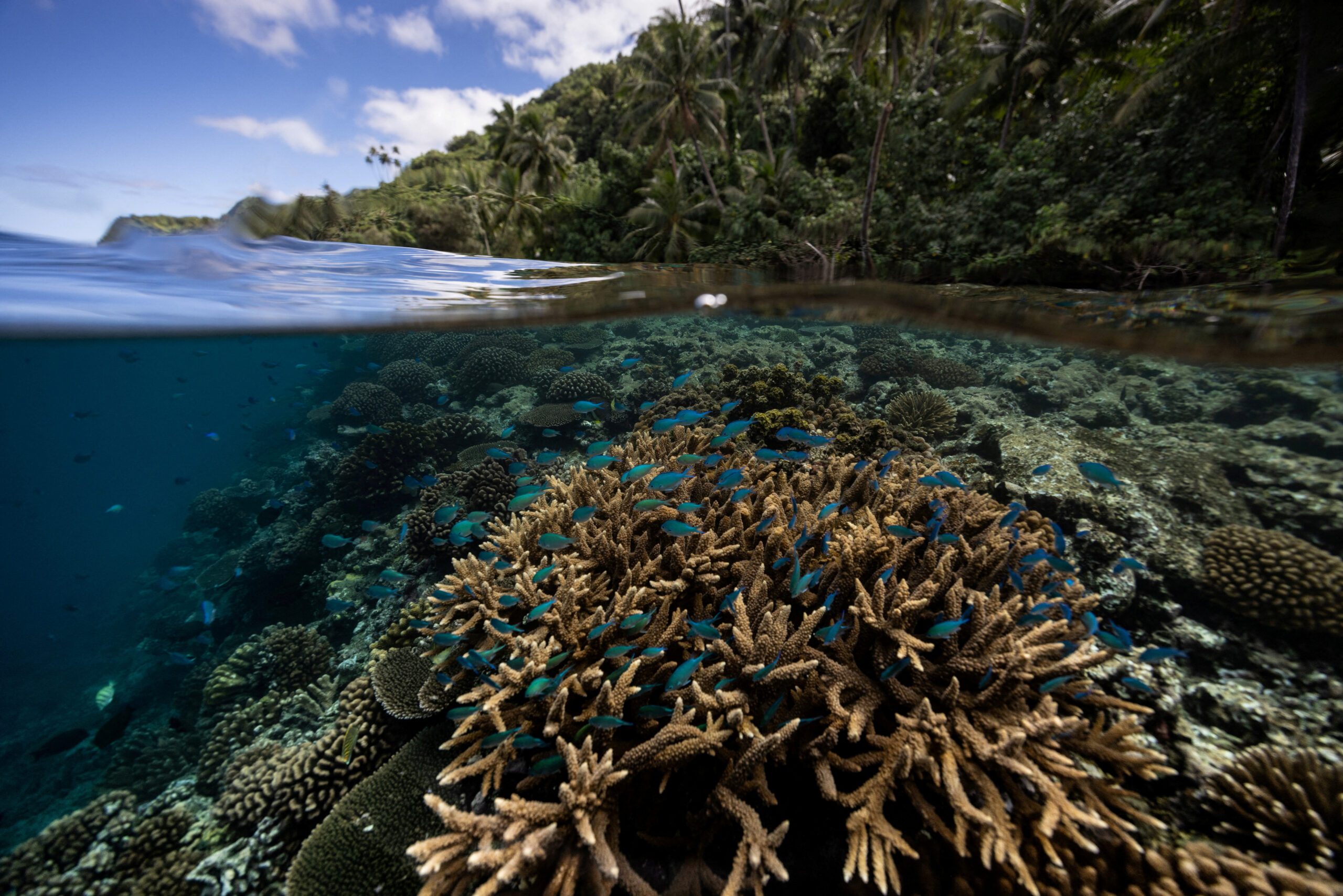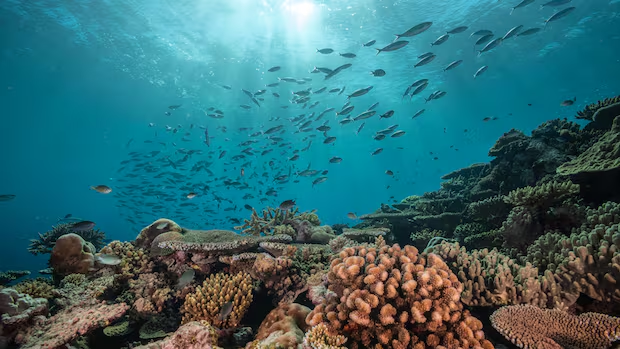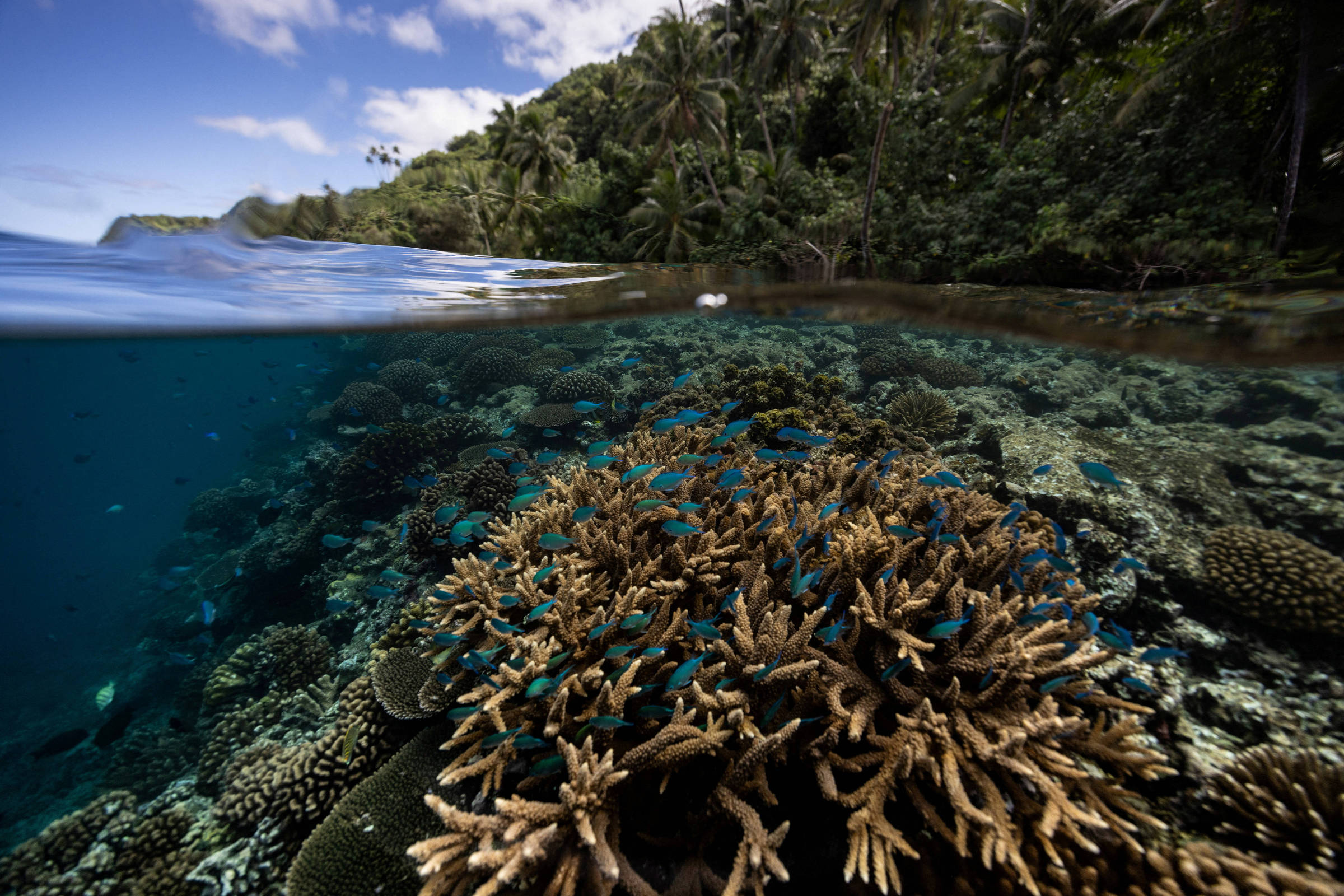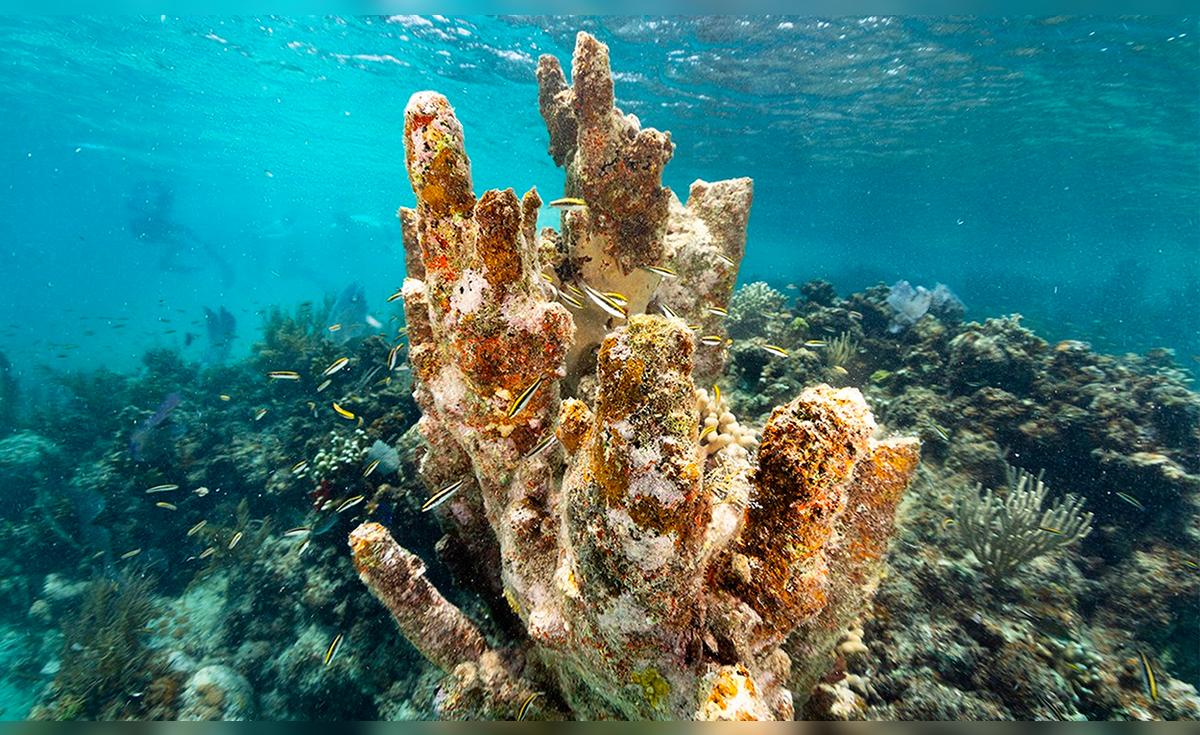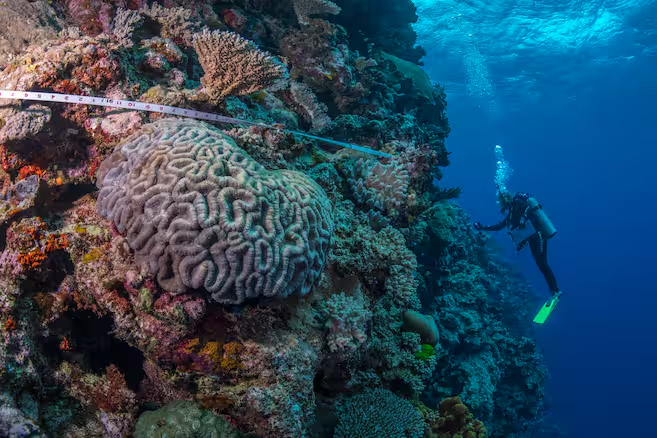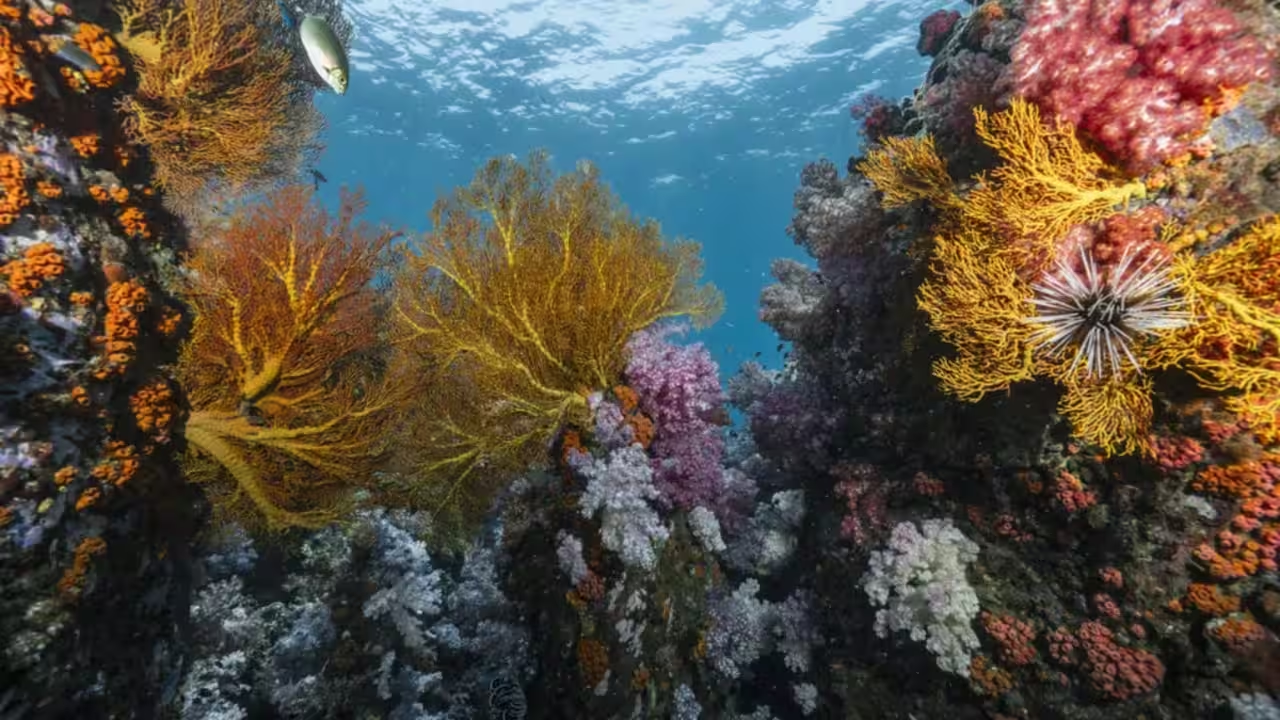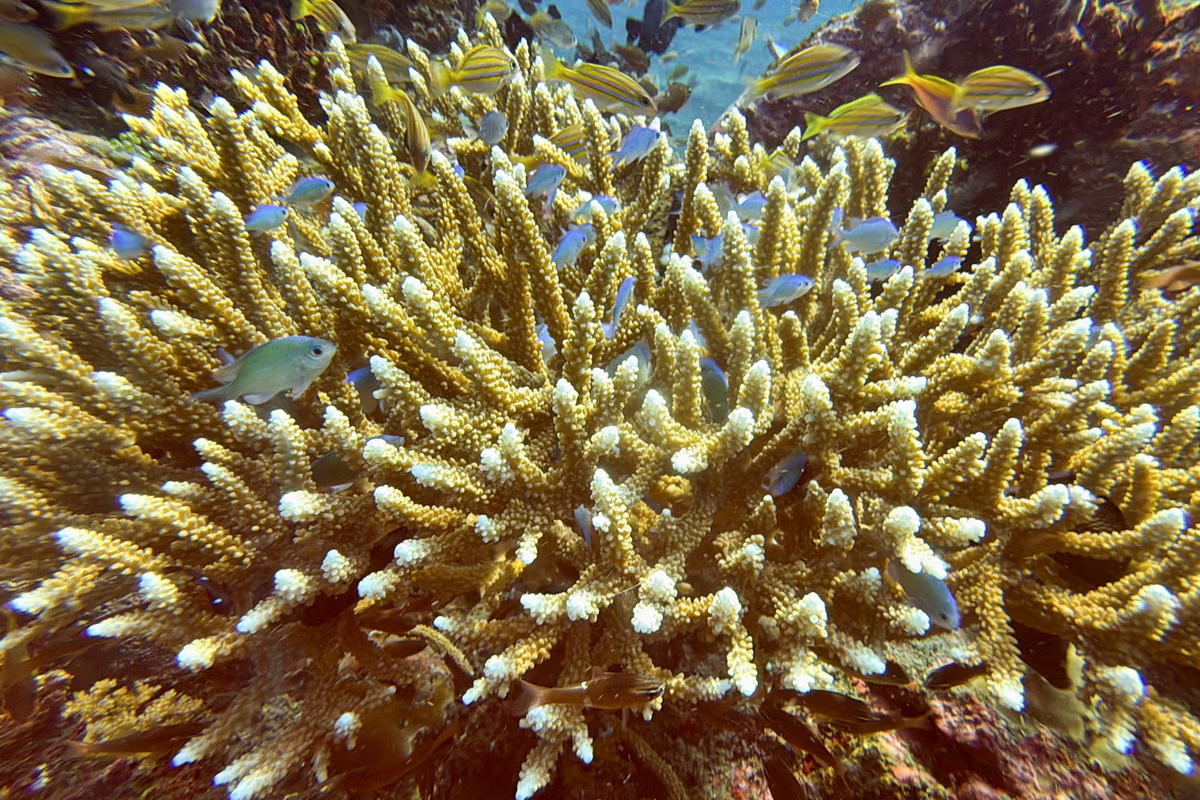
Scientists have identified nearly 166,000 square kilometers (64,000 square miles) of coral reefs capable of surviving and recovering from climate change, a discovery three times larger than previously estimated. This offers a vital new perspective for these critical marine ecosystems.The world's coral reefs, sustaining a quarter of all marine life, have faced severe stress from violent tropical storms, pollution, and mass "bleaching" events caused by soaring ocean temperatures, with some scientists warning of their irreversible decline.An extensive analysis of 45,000 coral surveys, combined with decades of climate and ocean data, pinpointed these climate-resilient reefs across 71 countries and 100 territories, including areas in the Caribbean, Pacific, and Atlantic oceans not previously recognized for their resilience."Coral reefs are often framed as ecosystems beyond saving," said Emily Darling, director of coral conservation at the Wildlife Conservation Society (WCS) and one of the report's authors. Coral reefs are often framed as ecosystems beyond saving (REUTERS)"This research shows otherwise: we know where the hope is and what we need now is political will."The new research will be crucial as countries draw up action plans aimed at bringing 30 percent of their land and marine environments under formal protection by the end of the decade, a target known as "30 by 30." This data will enable governments to strategically consider reef locations in their planning."Only 28 percent of the reefs currently fall within protected and conserved areas, so the opportunity is clear, and so is the urgency, especially as we face an upcoming super El Nino event," Darling said during a briefing.Stacy Jupiter, co-author and executive director of the WCS's Global Marine Program, highlighted that the data provides governments with information to decide where limited conservation funds are best deployed. "In certain cases, where reefs are below certain benchmarks for ecosystem function, it may be a case of triage, where we may need to leave those places," she said.
Scientists find 64,000 sq miles of coral reef capable of surviving climate crisis
The new research will be crucial as countries draw up action plans for ‘30 by 30’ efforts
314 words~1 min read