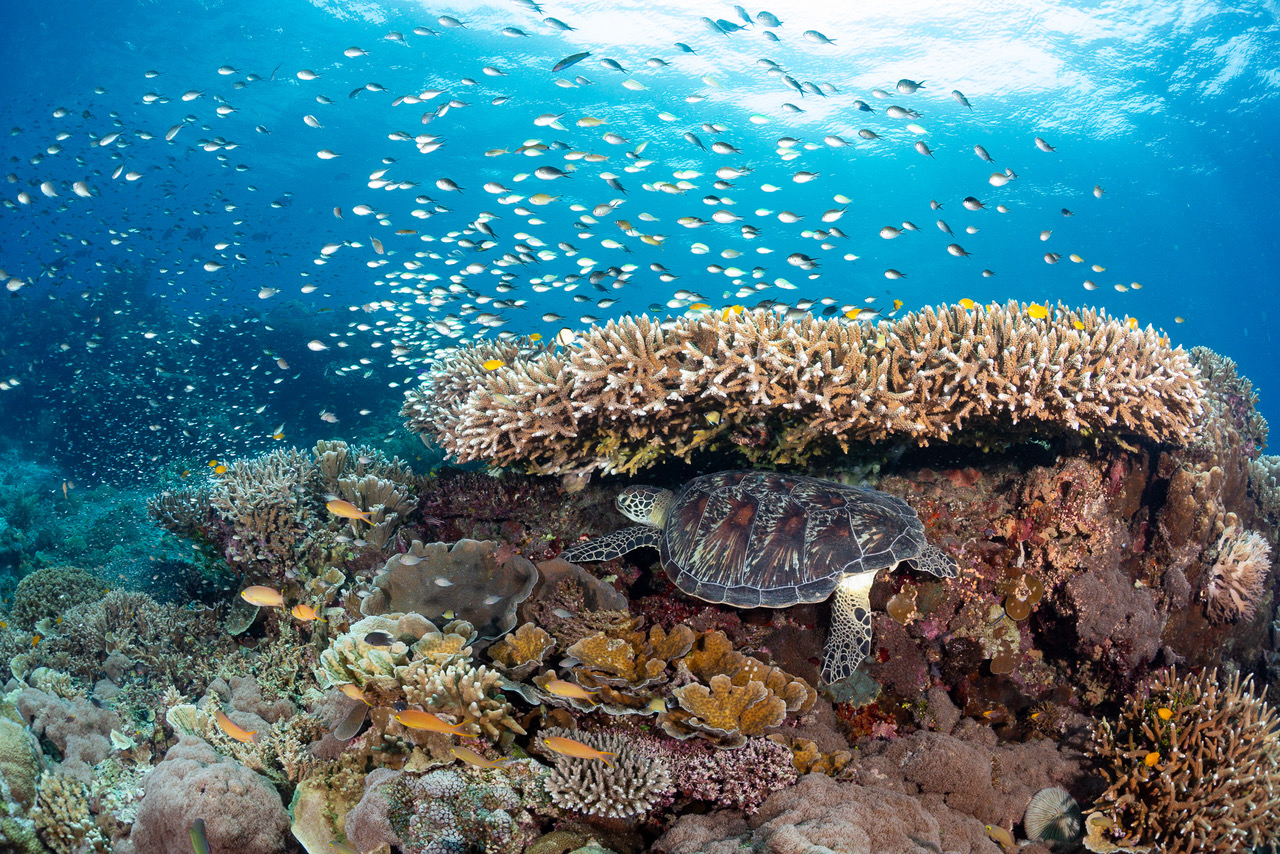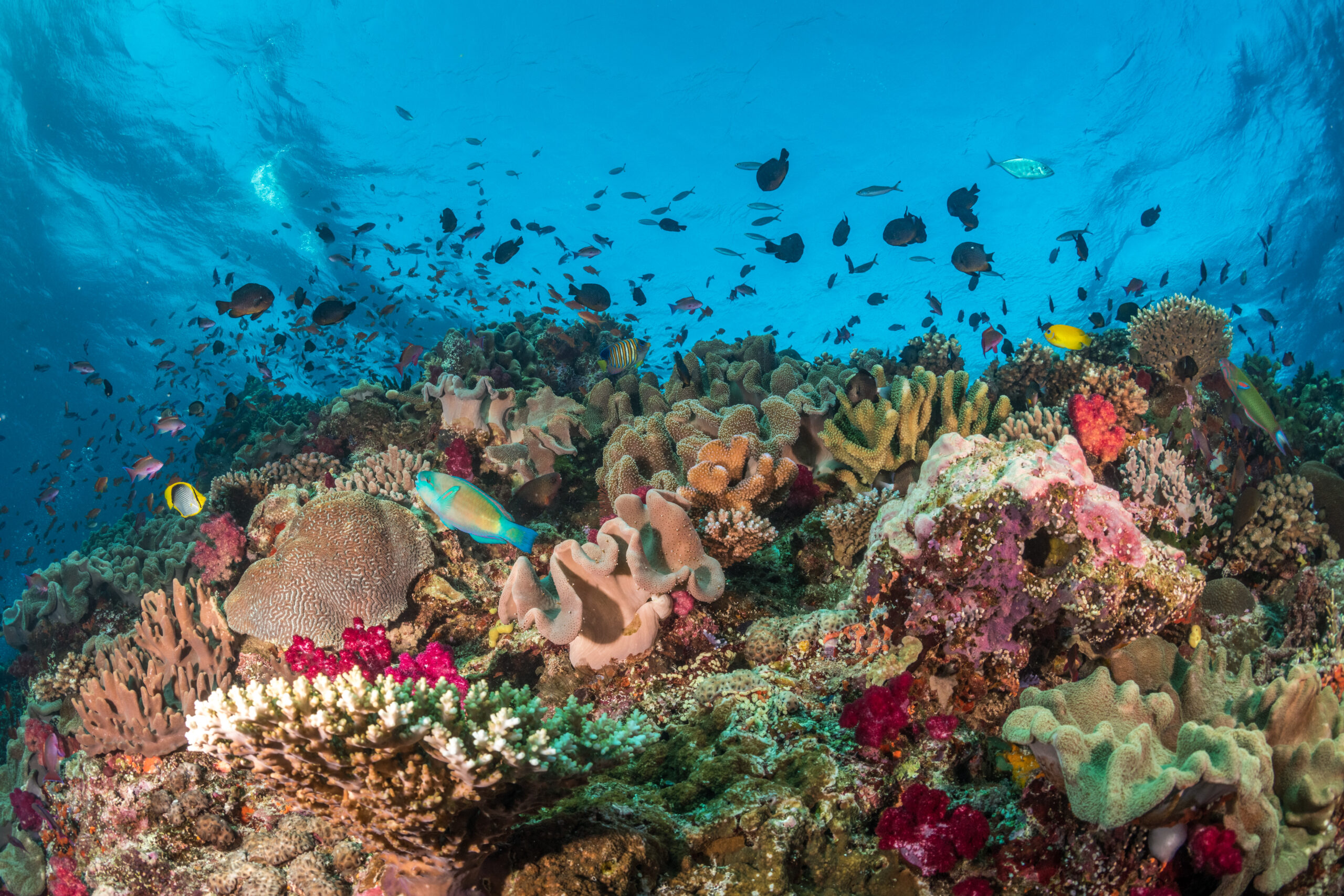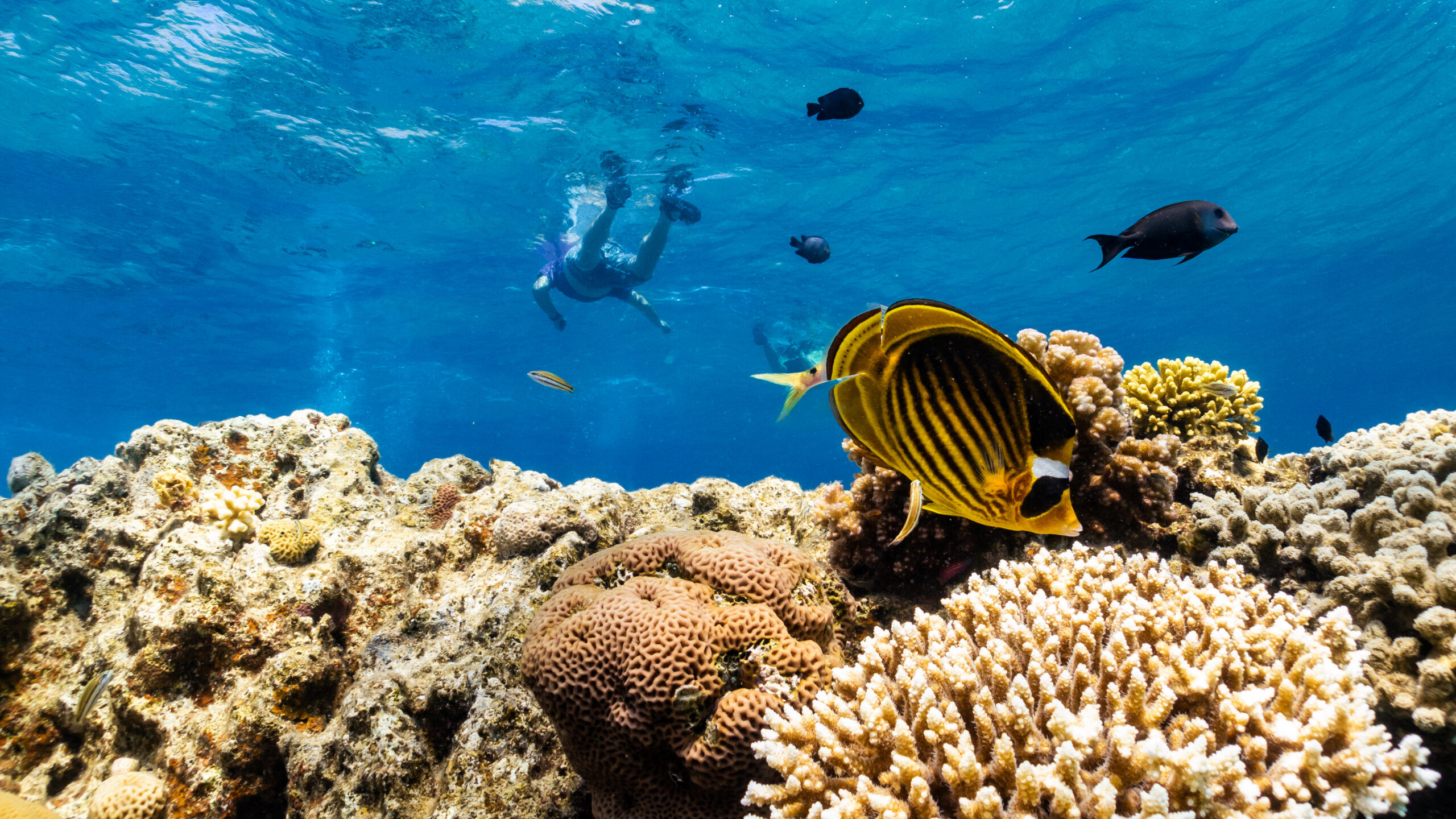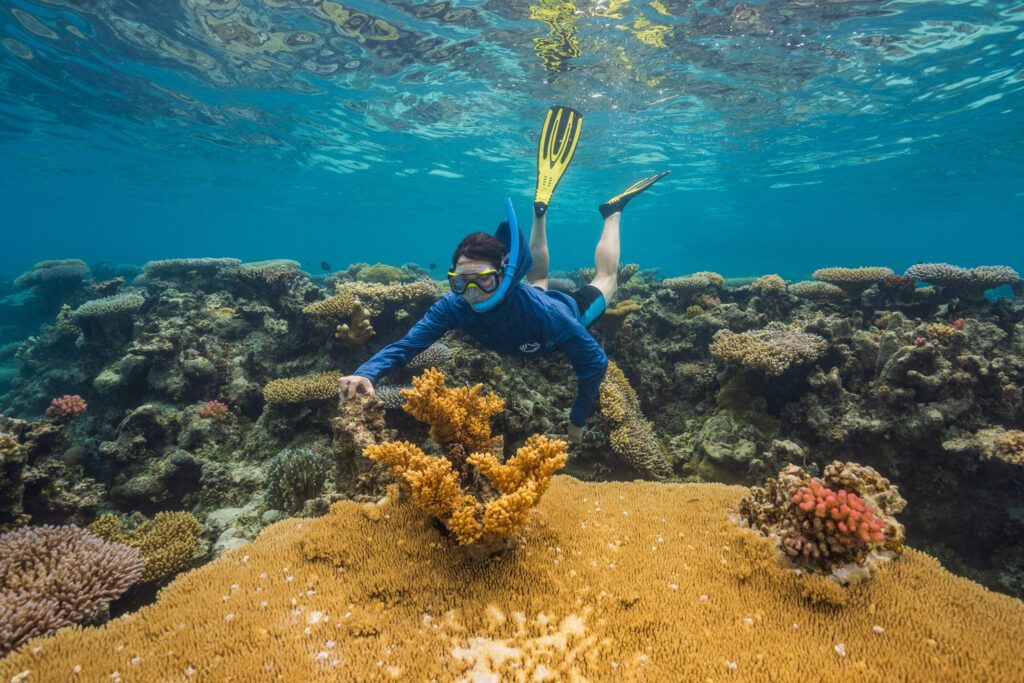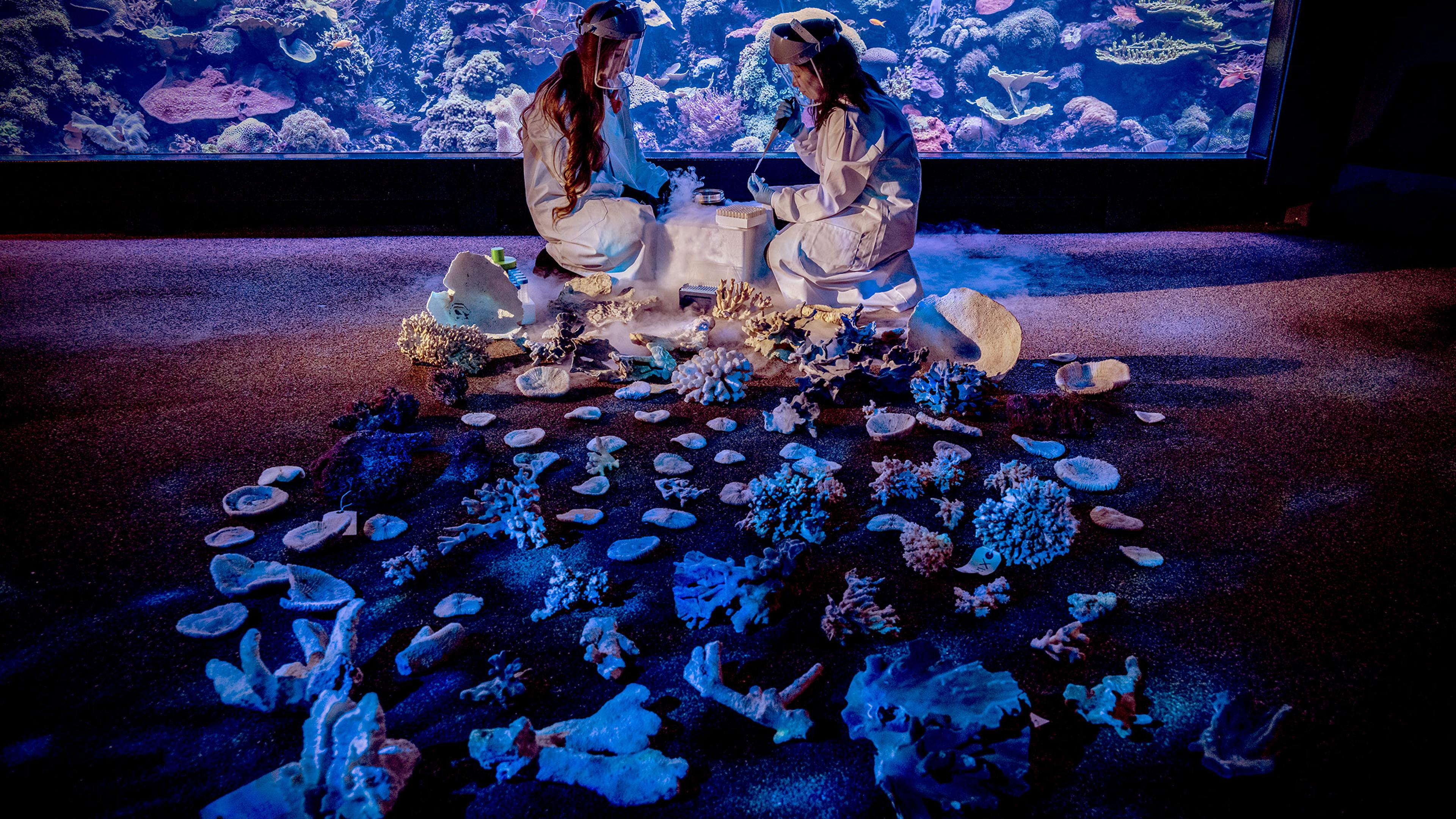
Coral reefs are home to one in four ocean species, support fisheries, and protect coastlines from storm surges and rising sea levels. And they are at risk. Last fall, scientists reported that warm-water coral reefs are passing their planetary tipping point, a threshold that, once crossed, leads to large, accelerating, and often irreversible changes. Photographer Britta Jaschinski spent six months with scientists across the U.K. and Germany as they race to make these critical ecosystems more resilient, whether by freezing coral sperm in biobanks or controlling coral reproduction in labs like the one pictured above. Molecular collections coordinator Laura Sivess of the Natural History Museum, London, and biobank manager Louise Gibson, of the Institute of Zoology, London, are seen collecting coral fragments to be used in genetic diversity and geographic origin investigations.
Inside the Labs Racing to Save The World's Coral Reefs
Scientists are studying how to make these critical ecosystems more resilient to climate change.
132 words~1 min read