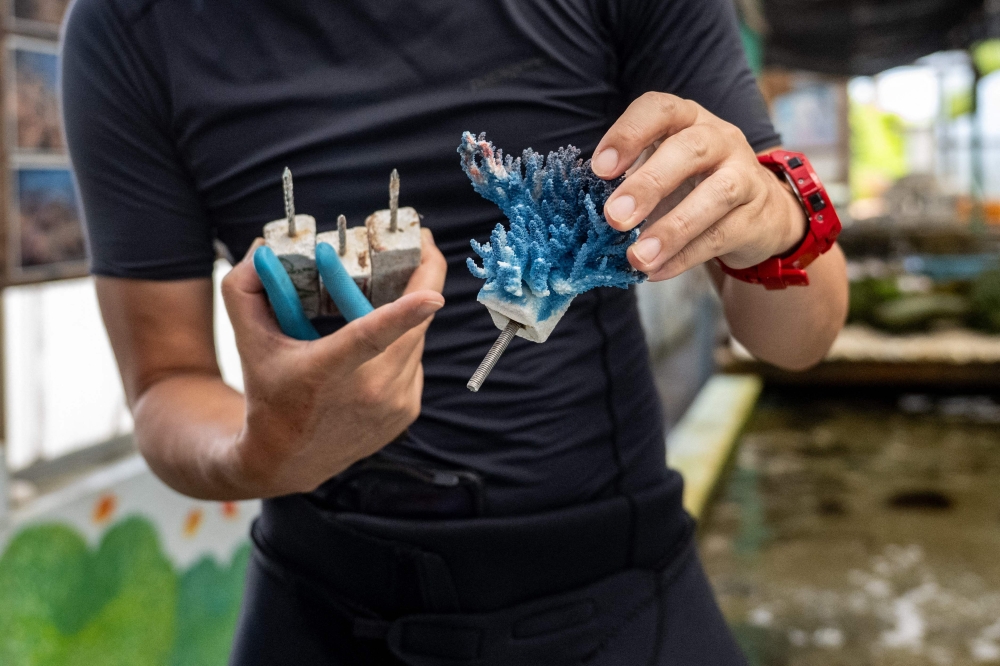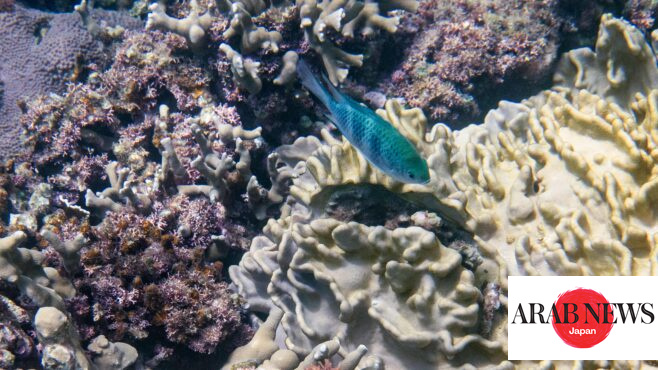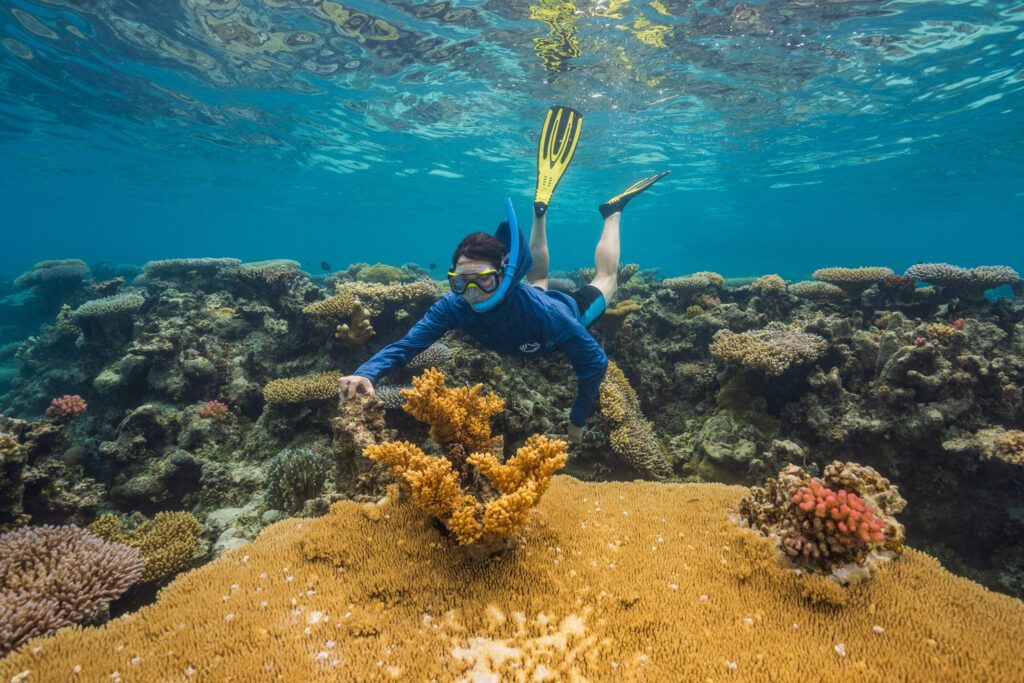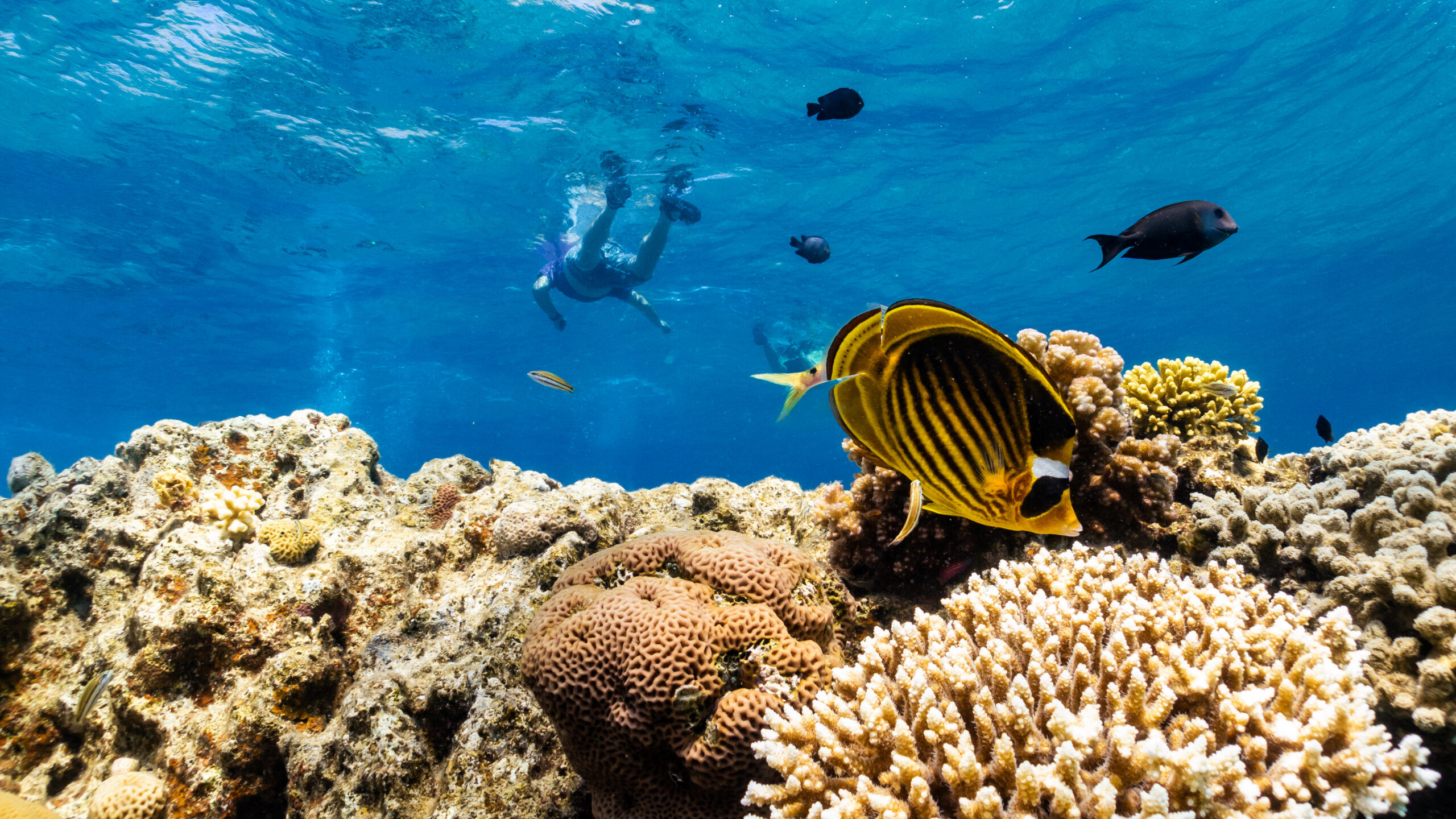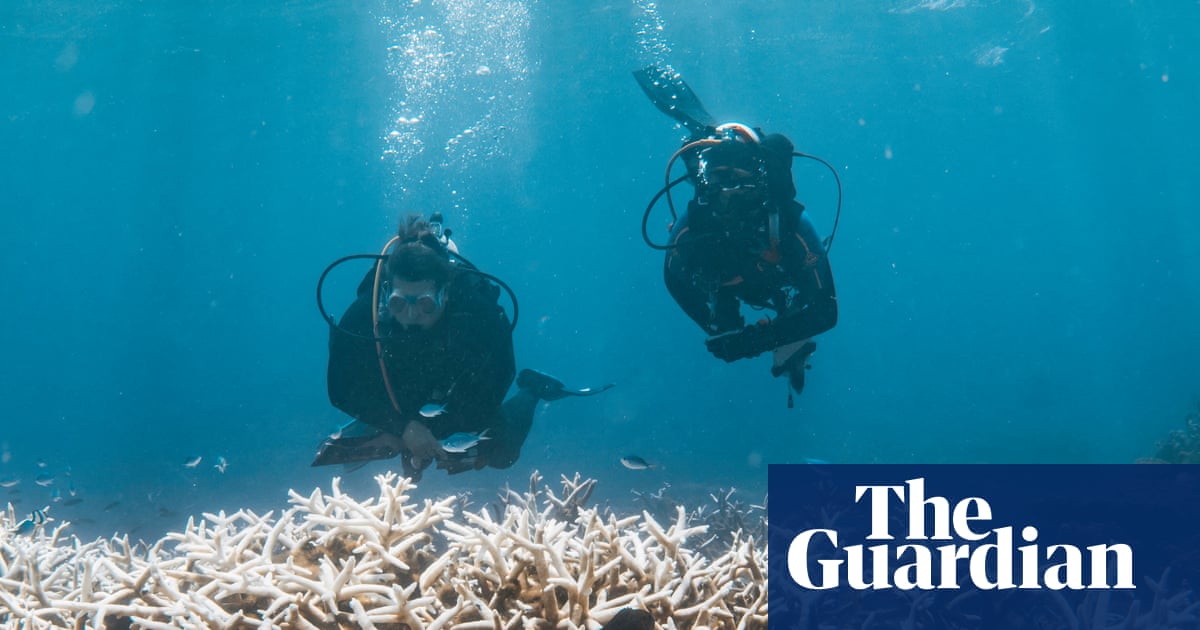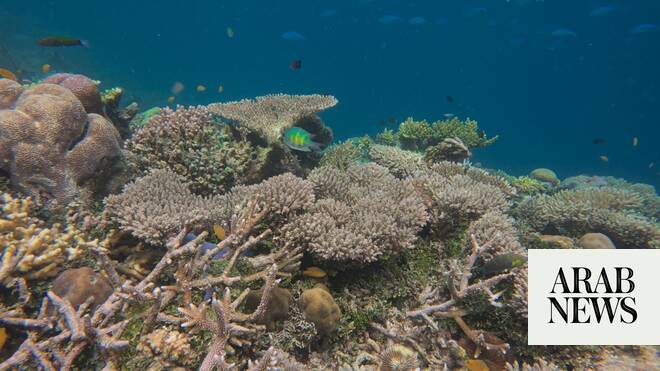
The subtropical southern Japanese region boasts some of the world's most biodiverse hubs of normally multicoloured coral, but a 2024 marine heatwave created "graveyards" of ghostly pale or sickly brown organisms.With the world's oceans the hottest on record in June, and a major El Nino predicted this year, experts fear that 2026 could be even worse for the colonies of polyps and the rich variety of marine life that calls them home.On land, Japan is experiencing a severe heatwave with thousands of people needing hospital treatment over a week.In recent weeks though the ocean around Okinawa has been mercifully cooled by typhoons scooping up deep-sea water as they tear across the Pacific.But Timothy Ravasi, a local marine scientist, warned against complacency.If not this year, "it's almost 100 percent that soon in Okinawa, all around the world, we will have another mass bleaching event," the Okinawa Institute of Science and Technology Graduate University professor told AFP.
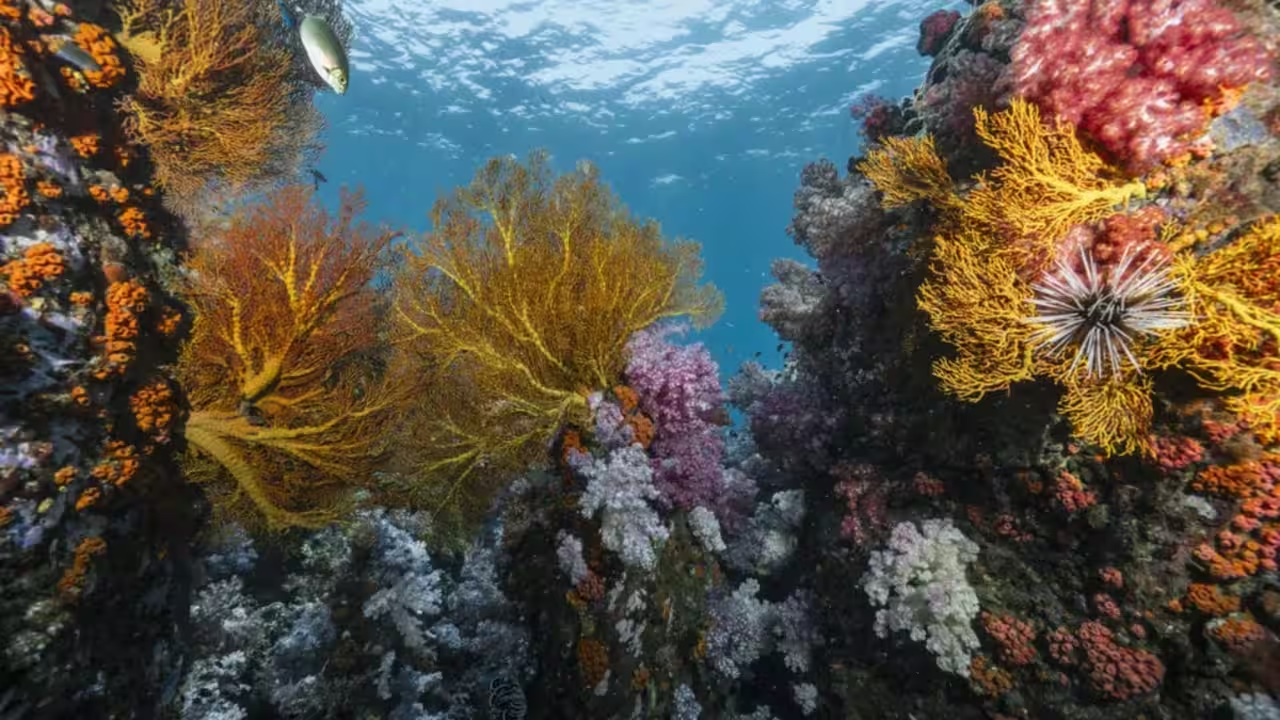
With the world's oceans the hottest on record in June and a major El Nino predicted this year, experts fear that 2026 could have dire effects on coral reefs © Philip FONG / AFP
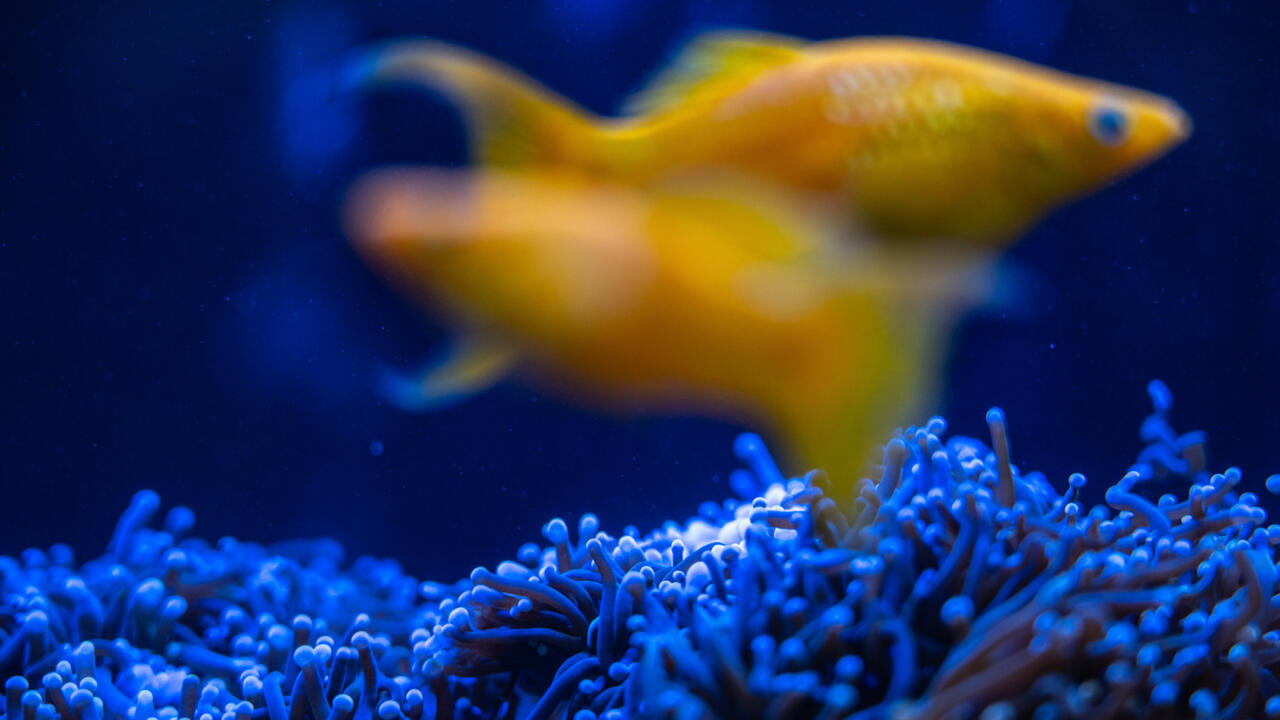
"Just like a bomb, it will explode."That makes his lab's ongoing work with its "heatwave simulator" -- which he says is one of the world's only two such systems -- a race against time.There, rows of whirring white tanks filled with seawater host creatures like coral, giant clams and clownfish in what are meticulously controlled to resemble natural marine environments.By manipulating each tank's temperature and pH levels, scientists can simulate future heatwaves and induce coral bleaching to see how fish and other organisms adapt."If we don't understand what climate change, ocean warming or acidification does to coral ecosystems, there is a chance we're going to lose them," Ravasi said.Pushed to the limitThe Okinawa region, a popular resort destination of many islands with turquoise seas, relies on tourism for over 80 percent of its economy.But hotel construction, combined with overfishing and pollution, is compounding threats already posed by climate to coral.