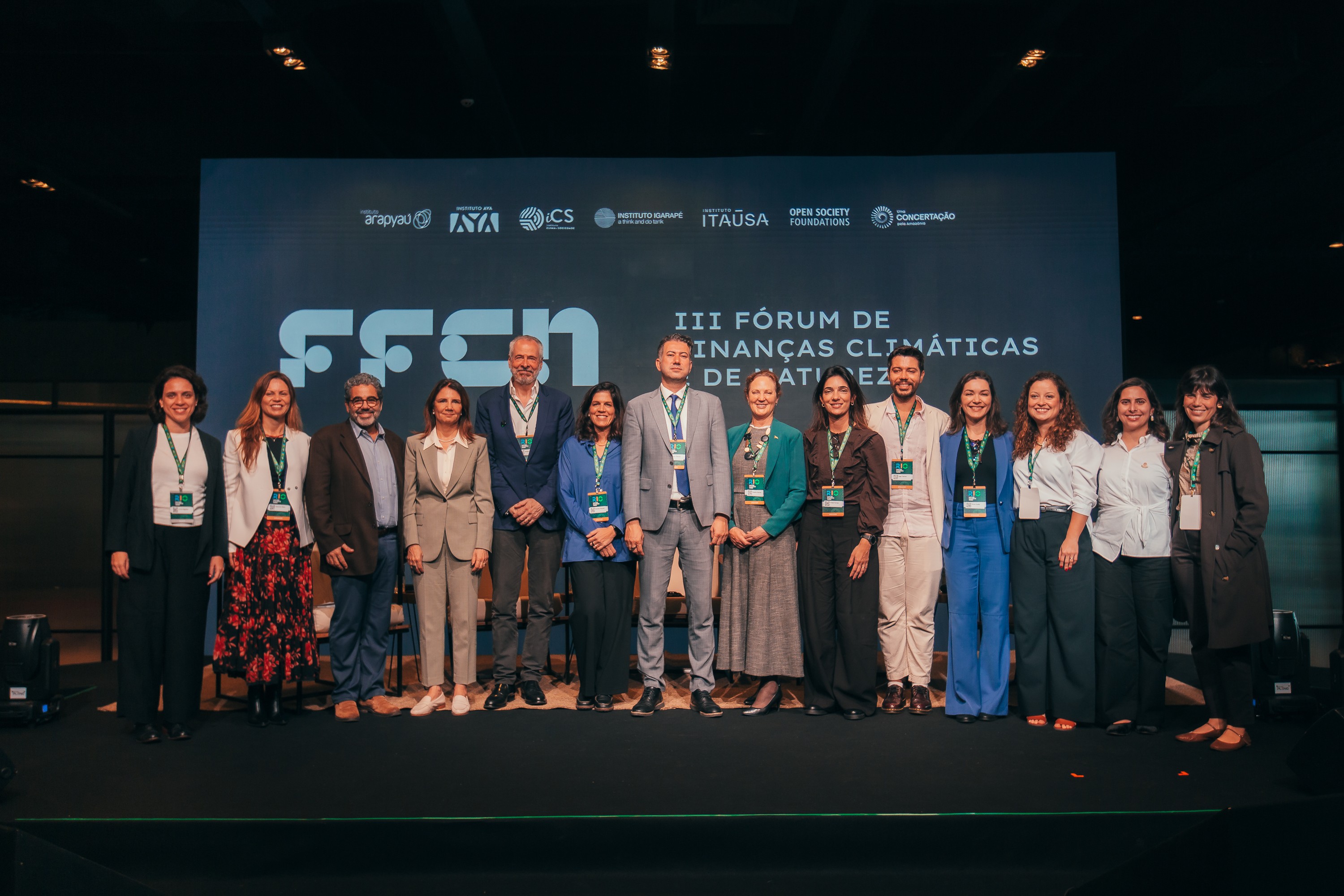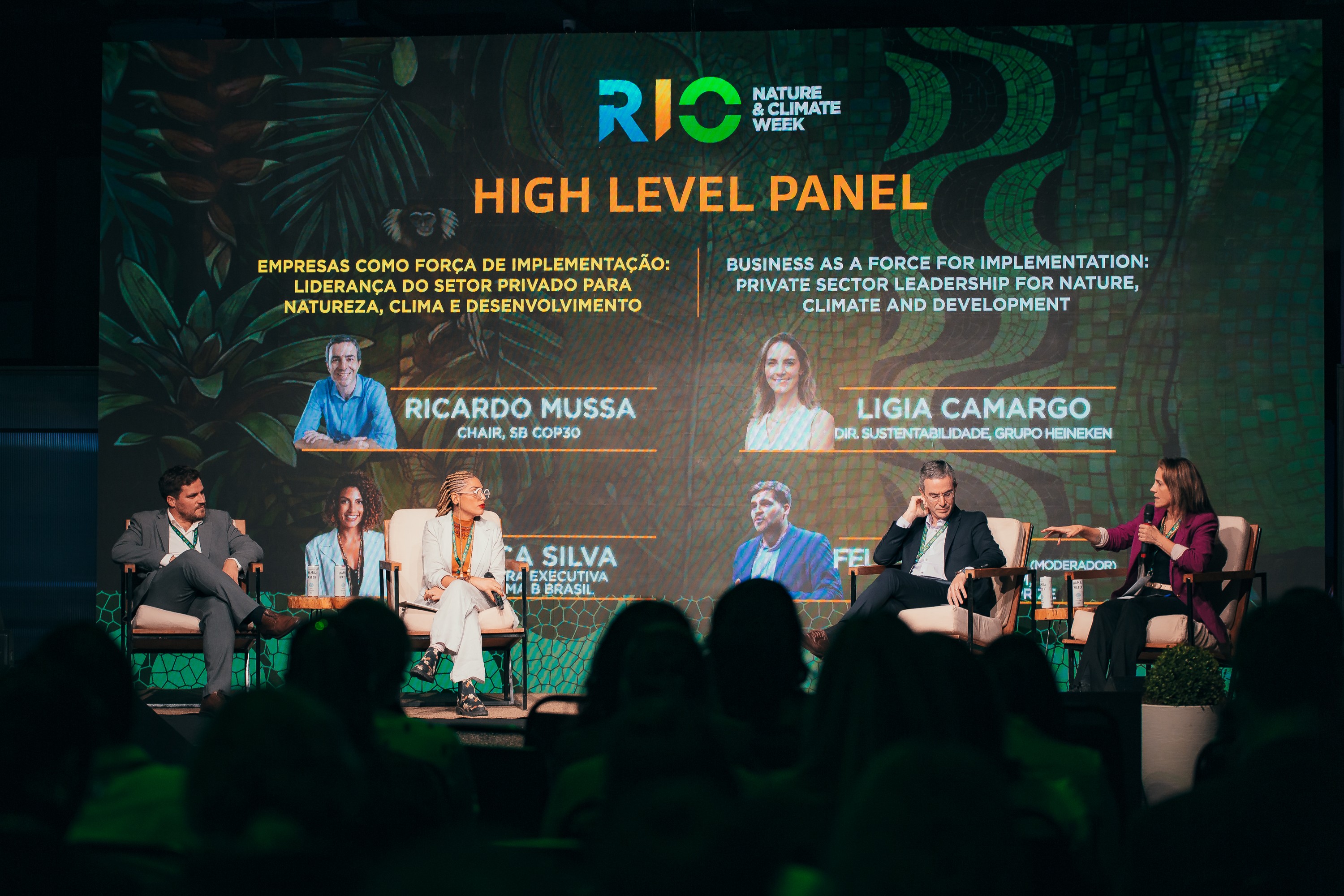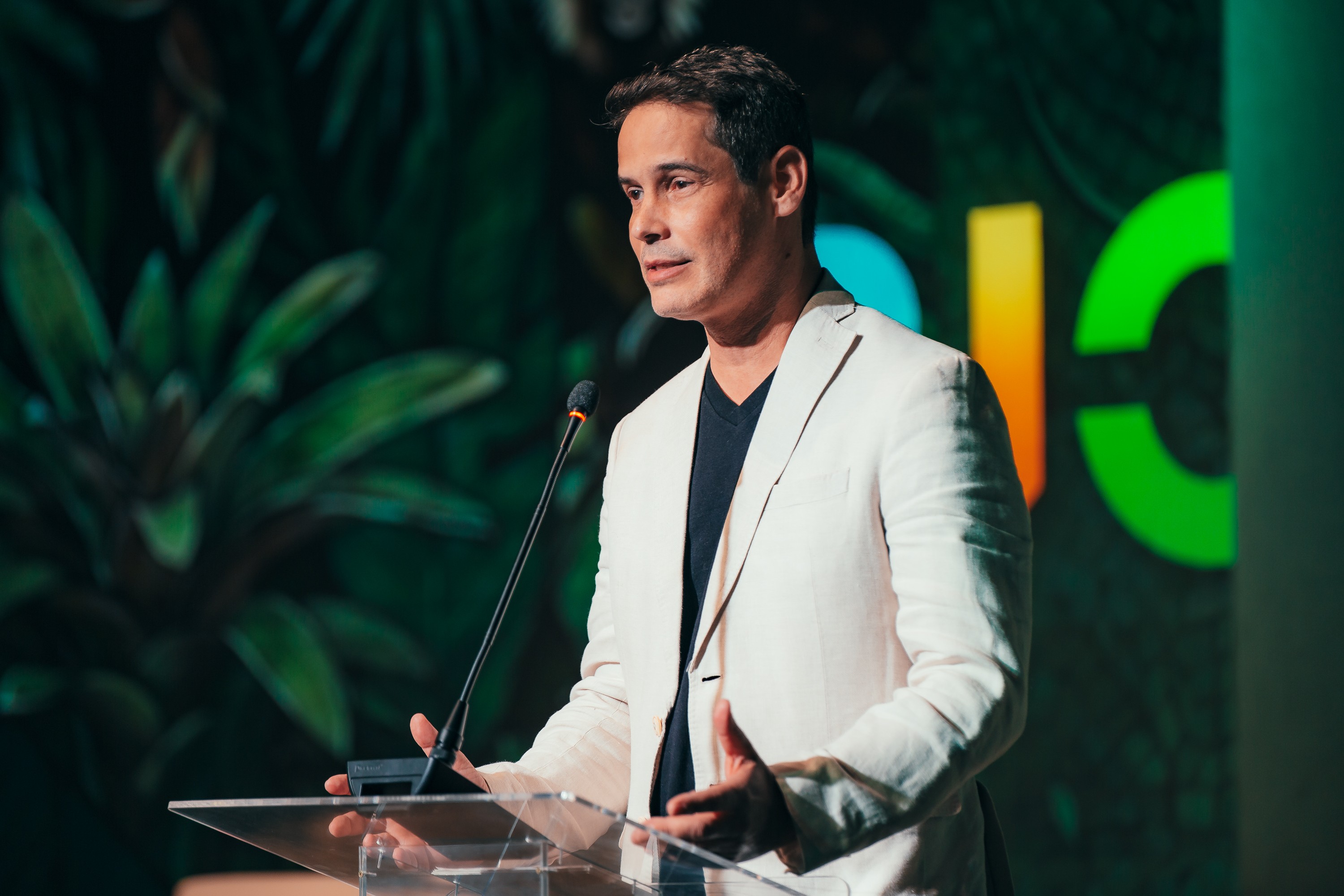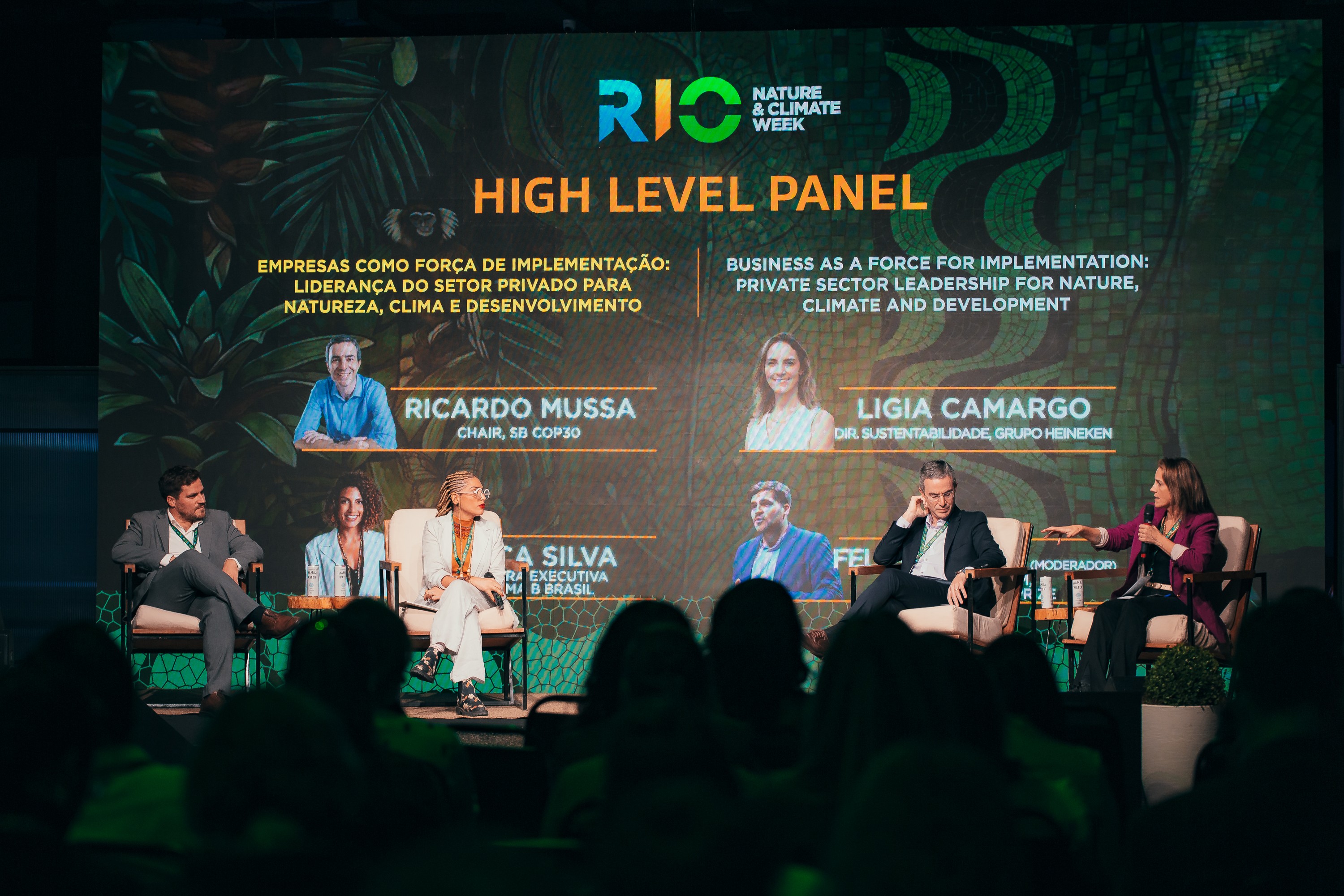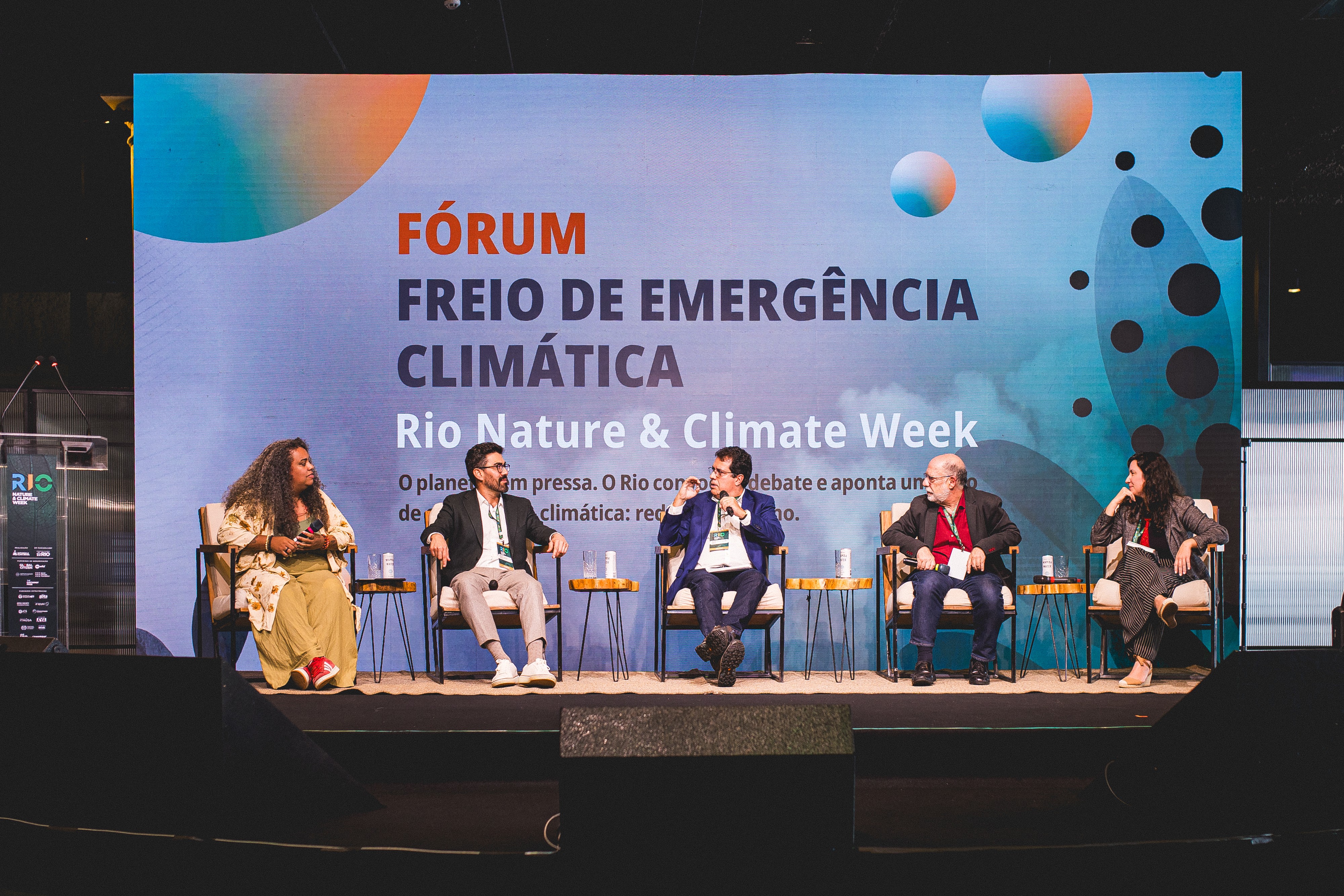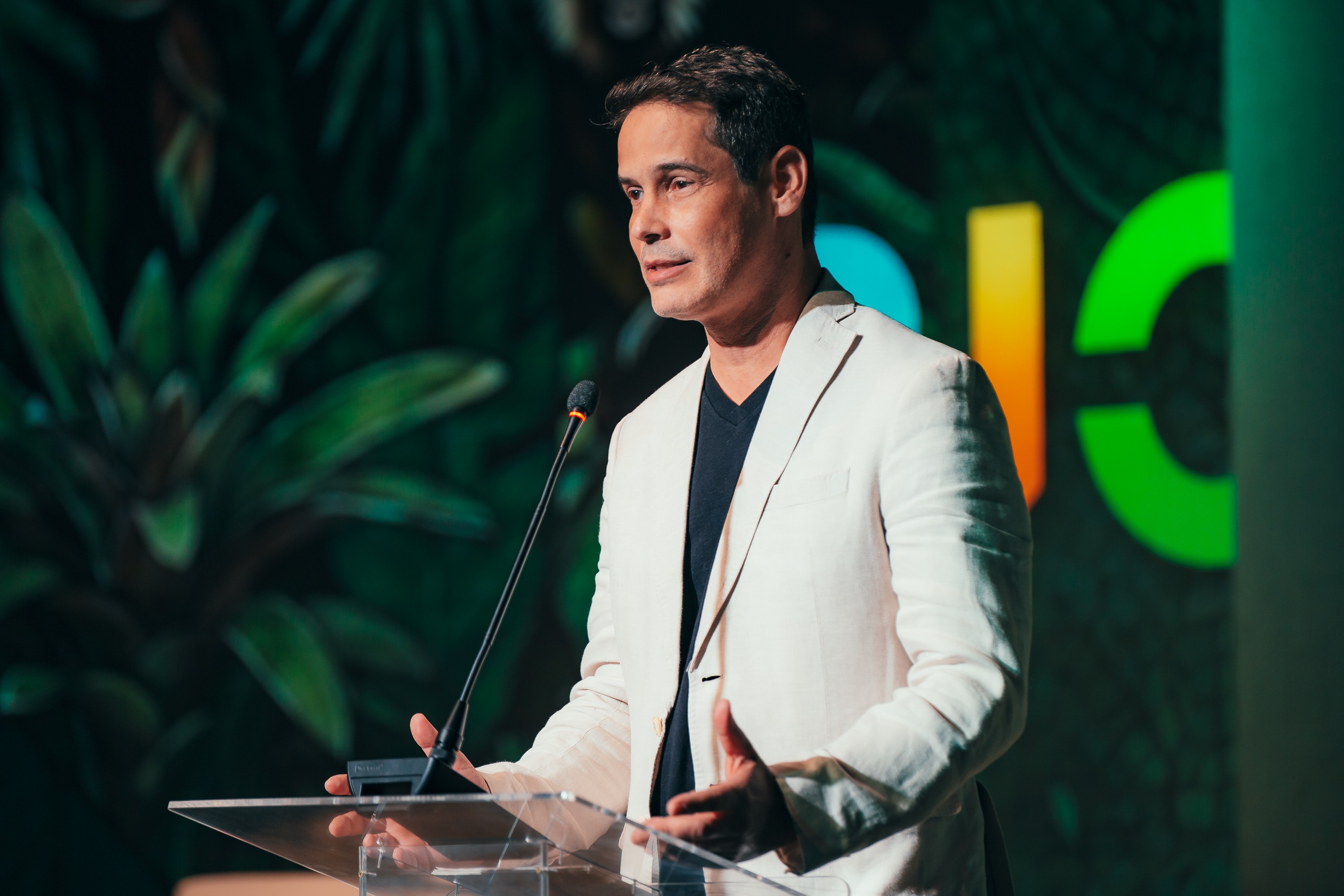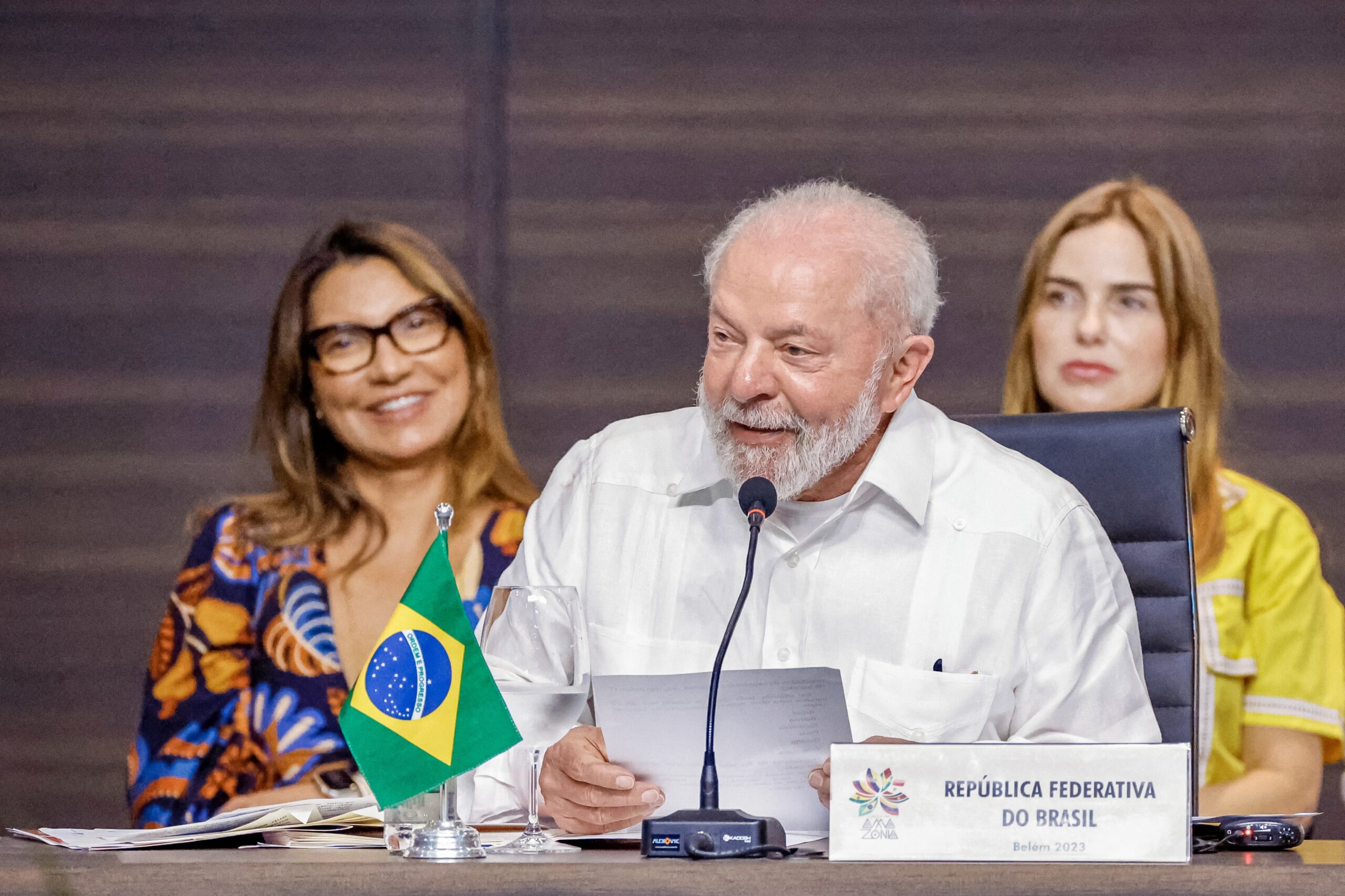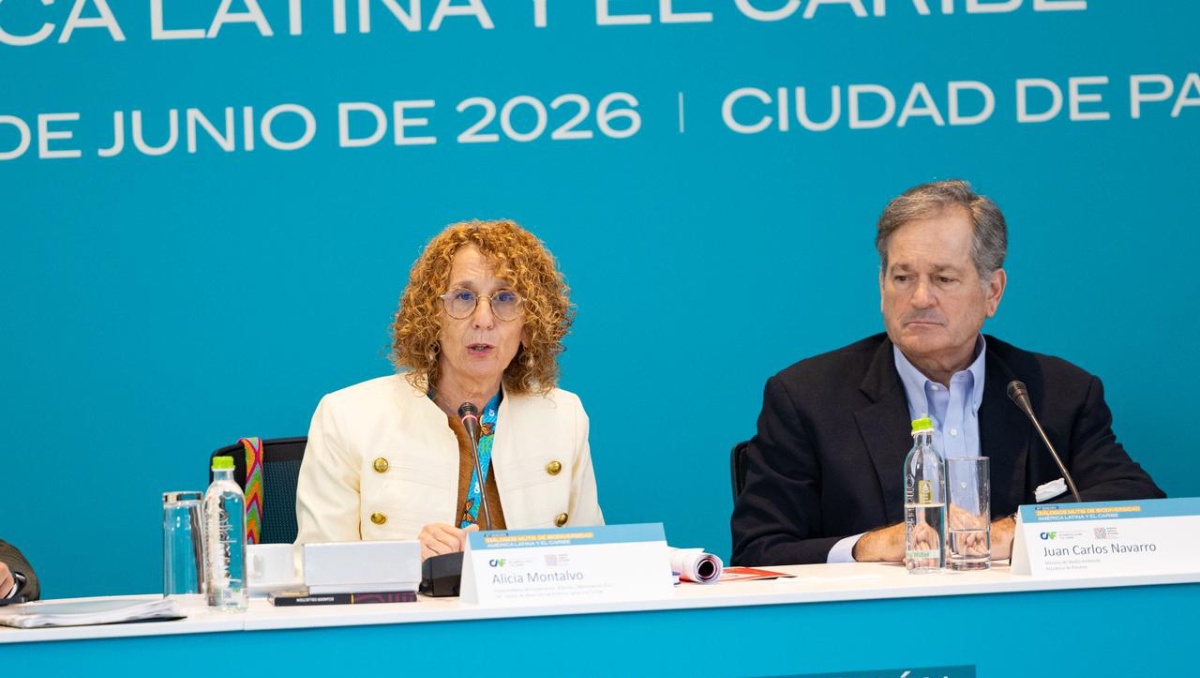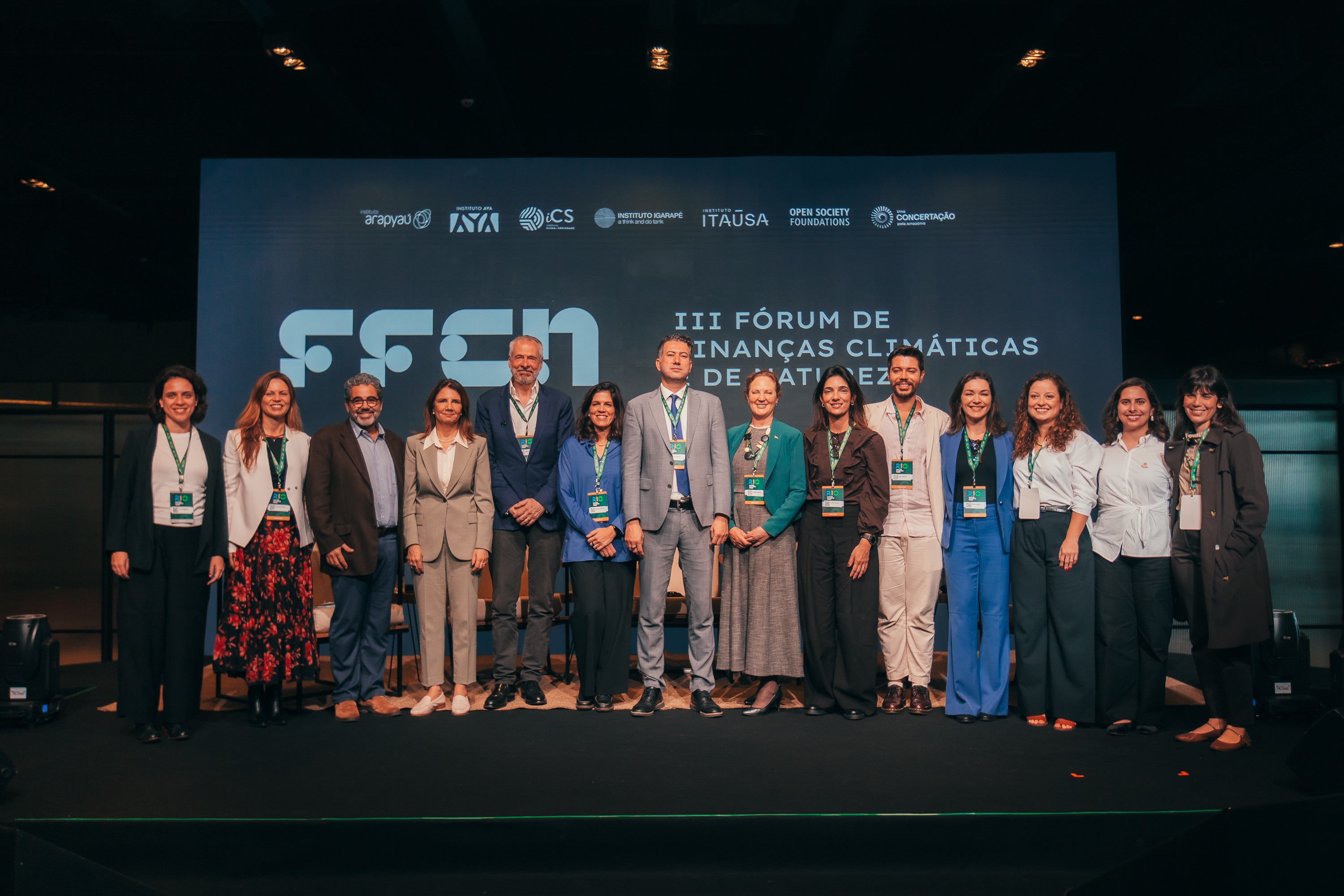
Partnerships among Global South countries emerged as a viable path to accelerating the implementation of sustainable initiatives 0.5x 1x 1.25x 1.5x 2x 00:00 00:00 Panelists at the III Climate and Nature Finance Forum, part of the Rio Nature & Climate Week — Foto: Publicity photo Last week, the Rio Nature & Climate Week and the III Forum on Climate and Nature Finance discussed the challenges and opportunities of the climate agenda to unlock financial initiatives aimed at mitigating the effects of climate change in the post-COP30 context. The 30th UN Climate Change Conference was held in Belém, Pará. A central theme of this process, highlighted by panelists, is implementation. Experts believe that the tools needed to combat climate change effects have already been created and presented by science, but they require frameworks—legal, organizational, and financial—to be executed efficiently. The energy crisis caused by the war in Iran and the subsequent closure of the Strait of Hormuz—a maritime route through which 20% of global oil and natural gas passed before the conflict—was cited among the guests as an example of the importance of developing alternatives to fossil fuels to maintain a country's energy security. - Energy security means not relying on current events. (...) The idea of the Roadmap is to show the various dimensions of this issue, which is no longer just about energy. It's an economic decision, about the viability of a country's project - emphasized André Corrêa do Lago, President of COP30. Ricardo Mussa, leader of SB (Sustainable Business) COP30, pointed out that making investments in environmental preservation in Brazil more attractive depends on promoting the country more positively, as investors tend to perceive the risks in Brazil as higher than they actually are. In this context, some proposals to attract more interest from private capital in Brazil's green market include defragmenting the economy in the Amazon region and building financial structures to mobilize resources in a clear direction. In this process, partnerships between countries in the Global South emerge as promising alternatives to boost preservation initiatives in developing countries like Brazil, as they share and understand the challenges and solutions to similar problems. According to Rogério Studart, a professor at the Brazilian College of Advanced Studies (CBAE-UFRJ), the country "doesn't need dollars, but technological and knowledge partnerships." Marcelo Thomé, Vice President of the National Confederation of Industry (CNI) and President of the Amazon+21 Institute, argued that the business world "has already moved beyond the misconception of linking bioeconomy with activism and ideological agendas," but it is still necessary for authorities to "break away from the logic of small, low-impact philanthropic projects with no productive chain" and develop a conservation agenda for the Amazon and other Brazilian biomes from the perspective of how fundamental these actions are to the country's economic development. - Why are we turning our economy into a dull, boring, basic portrait with no added value? We have the most diverse country in the world in natural assets and human beings. If we reflect this in our economy, we will set the example the world needs to see - highlighted Patrícia Ellen, co-founder of AYA Earth Partners. During the meetings, the President of COP30, diplomat André Corrêa do Lago, and the CEO of COP30, Ana Toni, presented and discussed alongside authorities, experts, business leaders, and investors the Roadmap for a Just, Orderly, and Equitable Transition Away from Fossil Fuels and the Roadmap for Ending and Reversing Deforestation and Forest Degradation by 2030. These documents provide tools and plans to accelerate the implementation of more sustainable policies and economies. Among the panelists, Federal Deputy Sonia Guajajara emphasized that one of COP30's main achievements was the union of traditional knowledge proposals with the protection of territories by indigenous peoples. She also stressed that it is essential for society to pay attention and care to prevent global crises, such as wars, from significantly impacting the prominence of environmental discussions in public debate. - If it remains more profitable to kill and deforest than to protect forests, we have no solution for our planet - she stated. The translation of this text into english was carried out by Project Irineu, O GLOBO's initiative to develop artificial intelligence tools. Here is the link to the original report.
Unlocking financing for the bioeconomy depends on incorporating the agenda into Brazil’s national development plan, experts say at RNCW
Partnerships among Global South countries emerged as a viable path to accelerating the implementation of sustainable initiatives
TL;DRAI
Post-COP30 Brazil's bioeconomy scaling depends on legal frameworks and tech partnerships between Global South countries, not just external capital. Tech leaders should allocate budget to ESG-compliance infrastructure, satellite-data systems, and environmental AI governance as emerging stack requirements.
730 words~3 min read