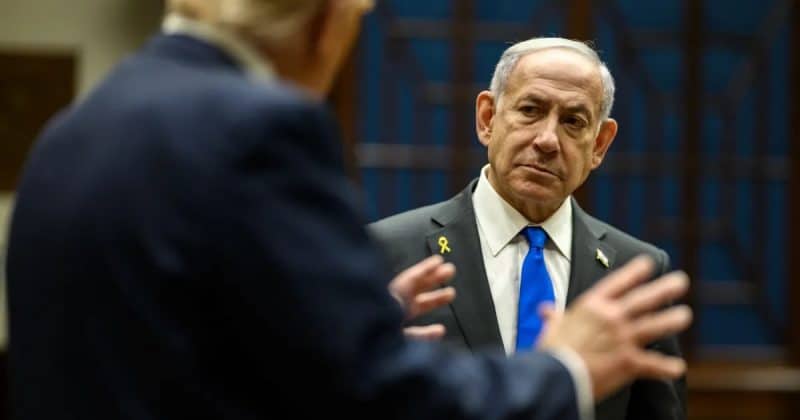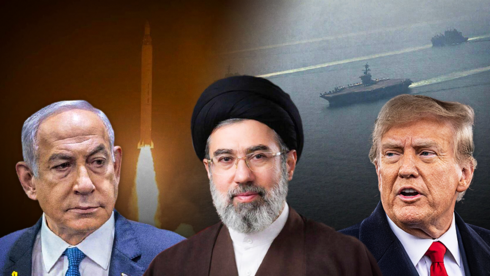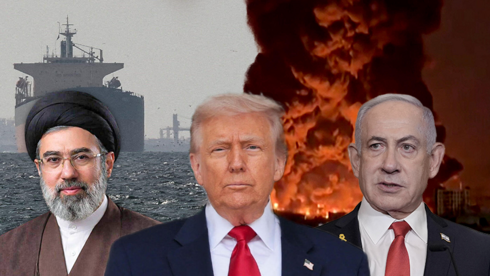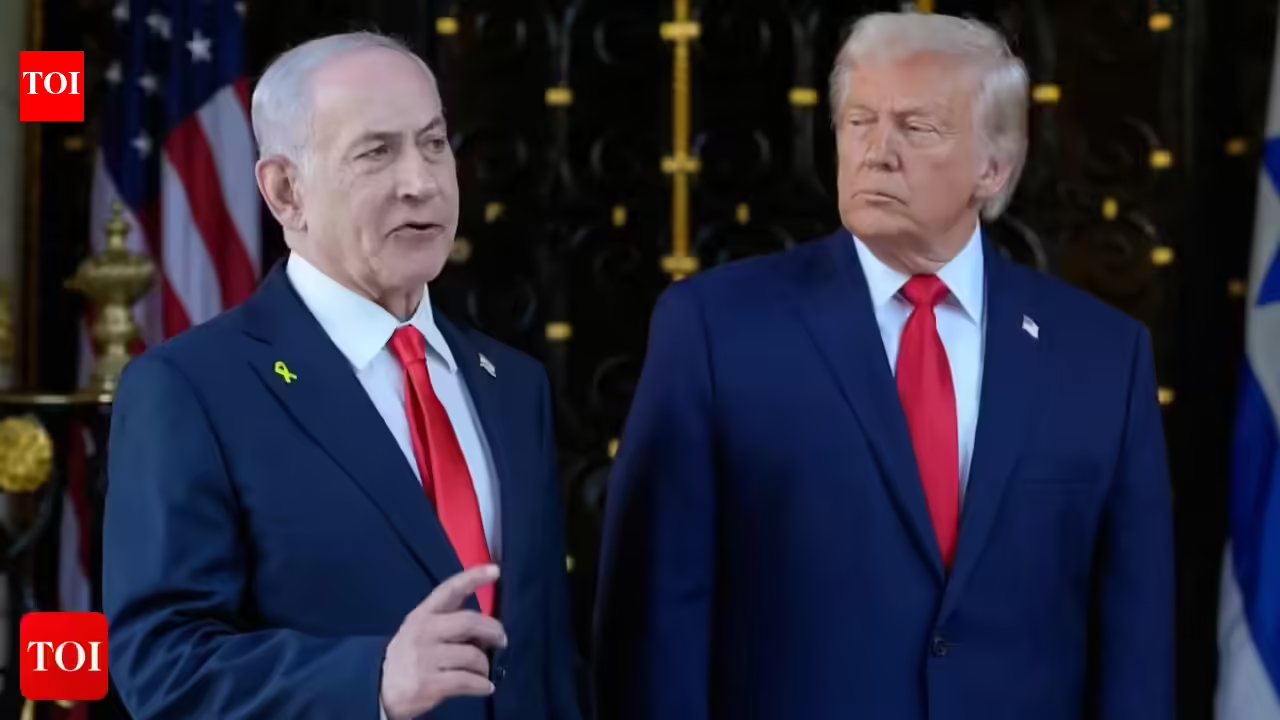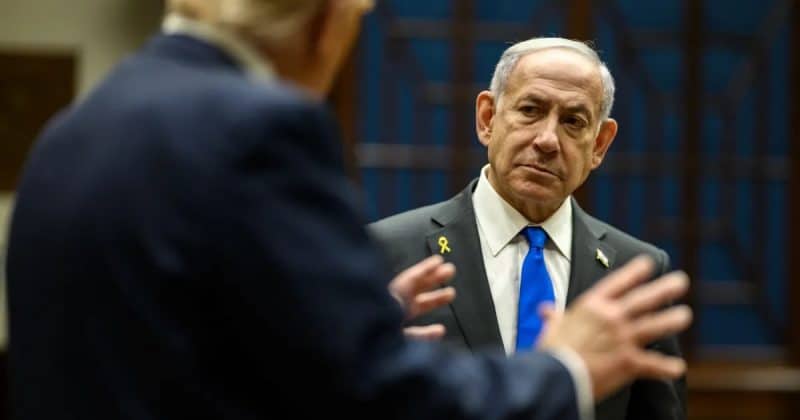
Israel’s top security cabinet is preparing to meet as a US-Iran agreement, brokered by an unlikely mediator, threatens to reshape the geopolitical chessboard in the Middle East. The mini-ministerial council, a smaller subset of the full security cabinet reserved for the most sensitive decisions, is set to convene to evaluate the implications of a deal that Israel had no direct role in negotiating.
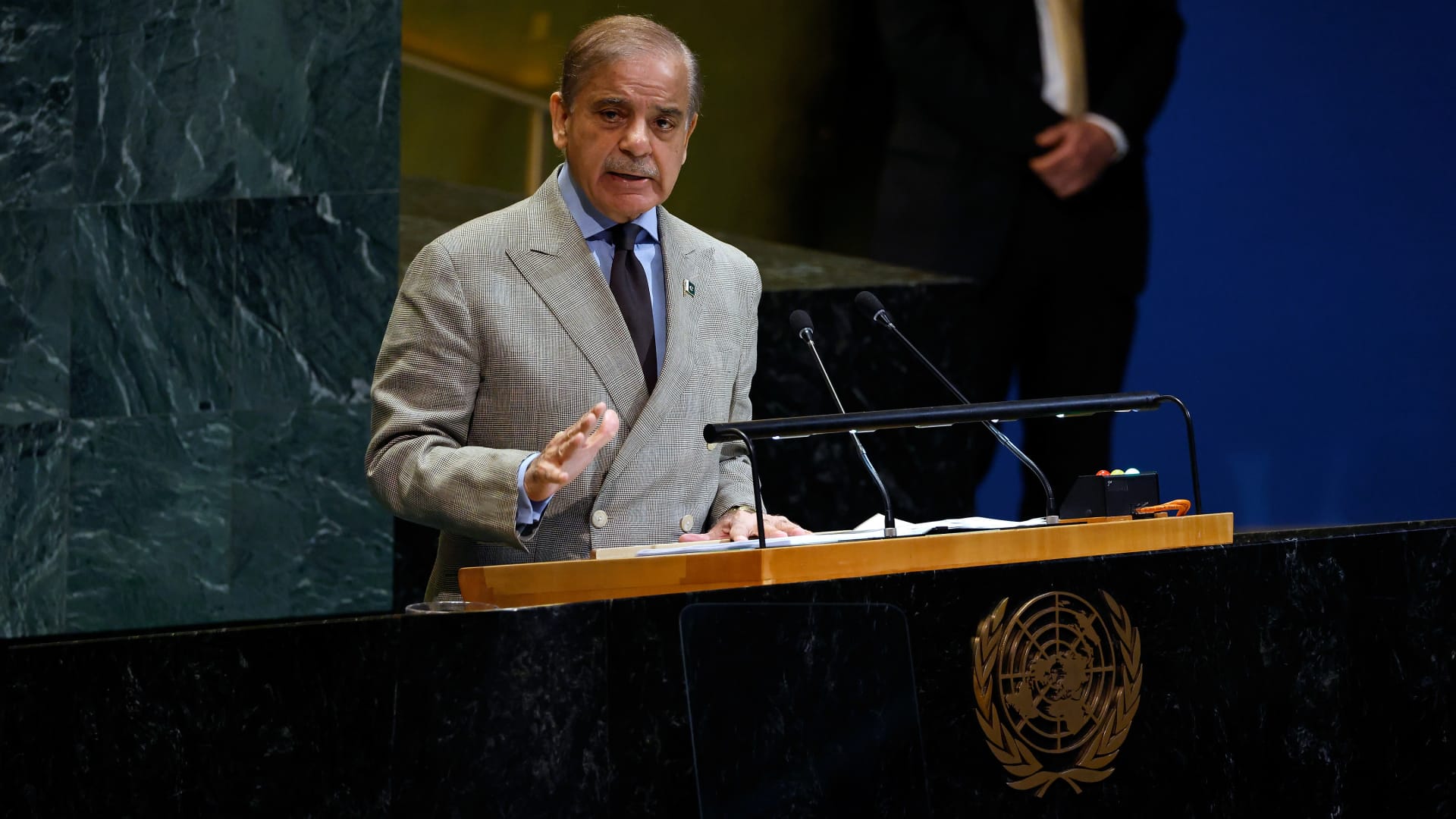
US and Iranian negotiators reportedly agreed on the wording of the deal as of June 12. Pakistan’s Prime Minister Shehbaz Sharif has been acting as mediator, a role that itself represents a notable diplomatic pivot for Islamabad.
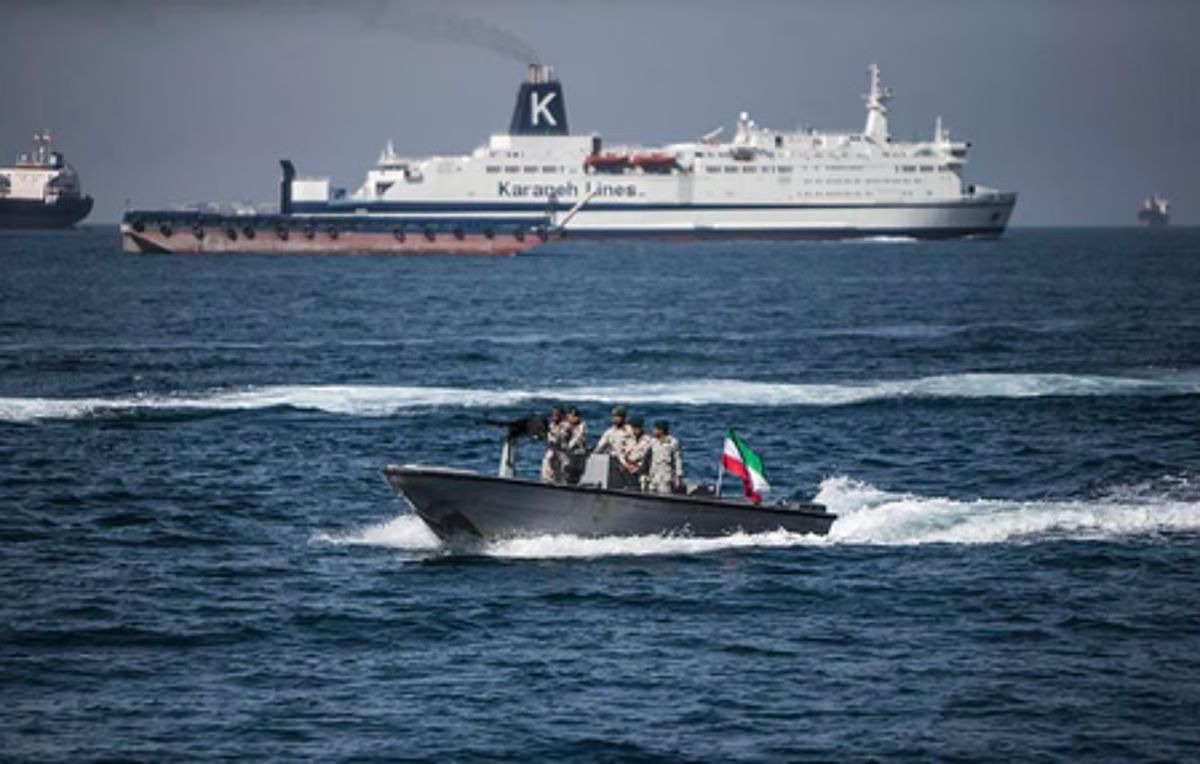
The proposed agreement contains three core elements: a 60-day extension of the existing ceasefire between the two sides, the reopening of the Strait of Hormuz, and the beginning of formal nuclear discussions.
Roughly one-fifth of the world’s oil supply passes through the Strait of Hormuz, and its closure or restriction has historically sent energy markets into panic mode. Reopening it would represent a tangible economic concession from Tehran.
The deal still requires final sign-off from US President Donald Trump and confirmation from Iranian officials. An electronic signing of the peace deal is expected soon.