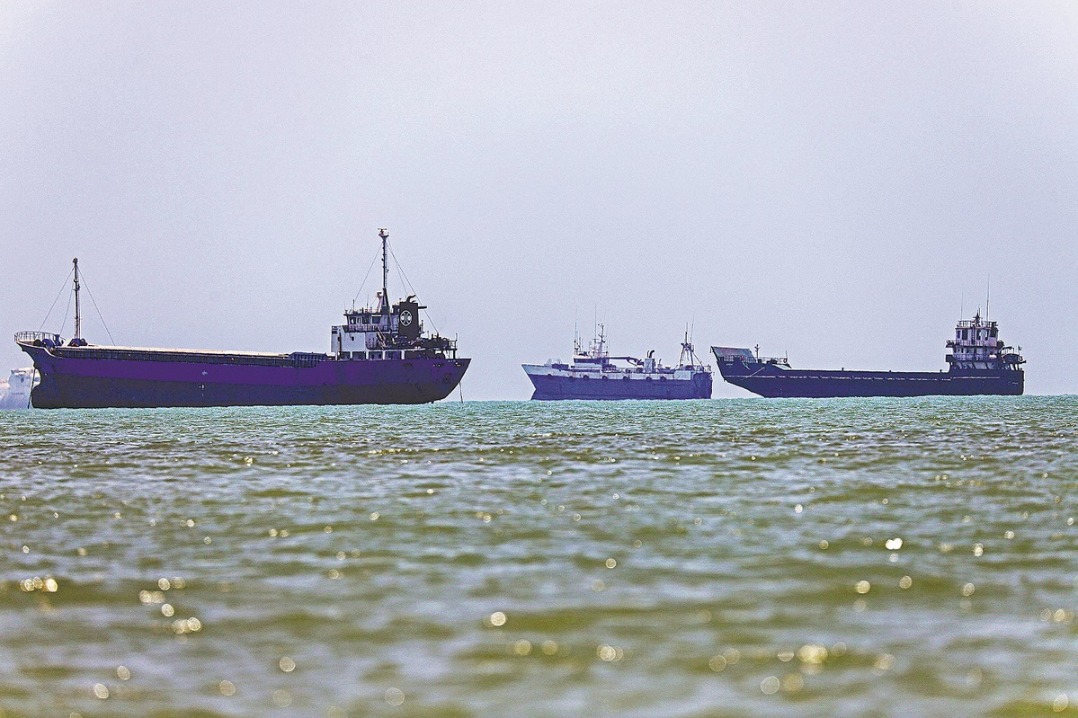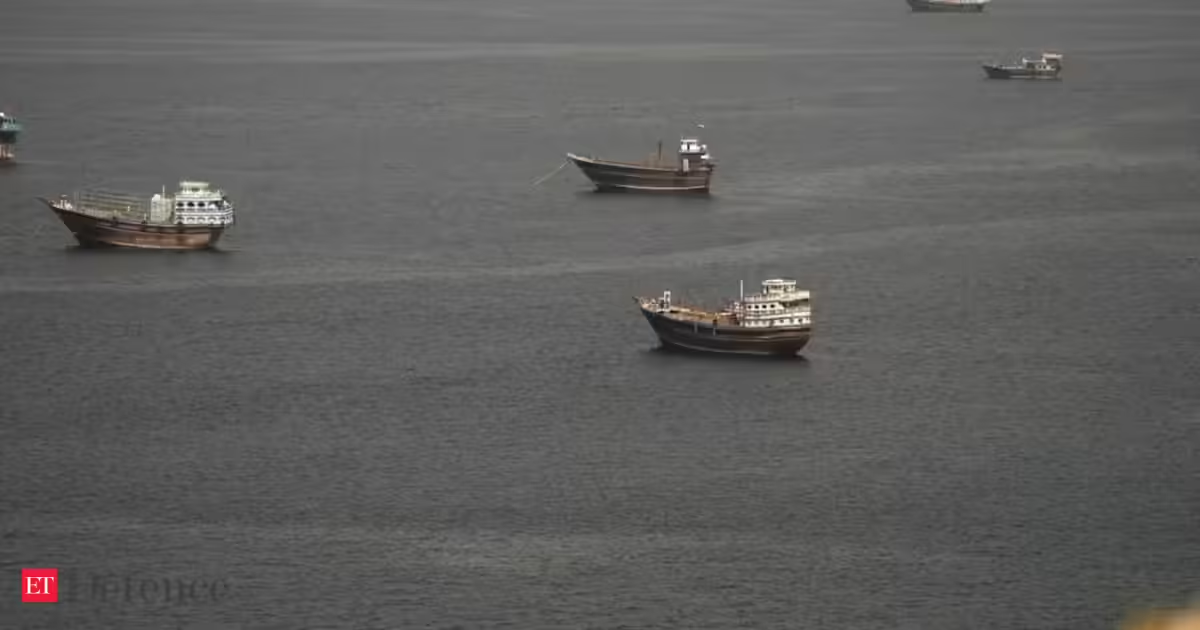
ByAMICHAI STEINJUNE 17, 2026 20:24Updated: JUNE 17, 2026 20:44Senior figures in Israel's defense establishment voiced frustration during a Security Cabinet meeting this week following the announcement of a Memorandum of Understanding (MoU) between the United States and Iran, arguing that the pressure campaign against Tehran was beginning to produce significant results.According to two sources familiar with the discussion, ministers were told that Iran's economy had deteriorated sharply under the US-led naval blockade of the Strait of Hormuz and that the regime was approaching a critical point."The Iranians are now on the verge of economic collapse," cabinet ministers were told.On April 12, US President Donald Trump announced a naval blockade targeting Iran. Under the operation, the US military's Central Command (CENTCOM) imposed restrictions on Iranian ports, preventing Iranian vessels from leaving the Persian Gulf and foreign ships from docking at Iranian facilities.Israeli officials told ministers that the move had a noticeable impact inside Iran.US PRESIDENT Donald Trump, flanked by Secretary of State Marco Rubio and Commerce Secretary Howard Lutnick speaks during a press conference, during the G7 Summit in Evian-les-Bains, France, June 17, 2026. (credit: REUTERS/EVELYN HOCKSTEIN)"There are shortages of basic goods and medicines, and long lines at gas stations," senior security officials reportedly said during Tuesday's cabinet meeting.IDF officers say economic pressure on Tehran was workingAccording to participants, senior IDF officials argued that continued economic pressure could have forced Tehran into an even more severe crisis."If the Americans had maintained the blockade, Iran would not have been able to withstand it," senior IDF officials reportedly told ministers and Prime Minister Benjamin Netanyahu.One of the sectors hit hardest by the blockade was Iran's oil industry, a cornerstone of the country's economy. As one of the world's largest oil exporters, Iran relies heavily on maritime routes to ship crude oil to international customers. Because Tehran lacks major overland export pipelines, the naval restrictions left the country with growing quantities of unsold oil.Iran initially stored excess crude in tankers, including older vessels anchored near its ports. But officials told ministers that storage capacity eventually became exhausted."The Iranians began reducing oil production, meaning the initial stages of shutting down oil fields had begun," officials said.Energy experts warn that shutting down oil fields can cause long-term damage, and in some cases, production cannot be restored quickly or economically. According to officials who briefed the cabinet, continued restrictions could have forced Iran to close additional fields, inflicting potentially irreversible damage on a critical source of state revenue.Those assessments appeared to align with data released by OPEC last week, which showed Iranian oil production fell by 19% over the previous month, suggesting Tehran had already begun scaling back output.Iran to resume oil exportsThe MoU reached between Washington and Tehran now allows Iran to resume oil exports. As part of the agreement, the US administration agreed to suspend sanctions on Iran's oil sector for 60 days, a step expected to ease pressure on the country's energy industry and reduce the likelihood of additional oil-field shutdowns.Several participants in the cabinet meeting, including ministers and senior security officials, reportedly expressed concern that the agreement had effectively relieved pressure at a moment when Iran appeared increasingly vulnerable."They were experiencing severe shortages," one participant reportedly remarked.Senior security officials also warned that the influx of funds expected to reach Iran under the agreement would be "like oxygen for breathing."Still, some experts cautioned against assuming that economic hardship alone would have compelled Tehran to make broader concessions.Dr. Raz Zimmt, director of the Iran and the Shiite Axis Program at the Institute for National Security Studies, told The Jerusalem Post that Iran has undoubtedly suffered significant economic damage."It is clear that Iran has suffered significant economic damage, stemming not only from the blockade but also from a prolonged economic decline that was deepened by waves of public protests and by the war itself," Zimmt said.At the same time, he argued that policymakers often overestimate the relationship between economic pain and political flexibility."However, it would be a mistake to translate the depth of the economic crisis into assumptions about the concessions Iran was or would be willing to make. Even if the country had reached a very severe economic crisis, the regime and the Islamic Revolutionary Guard Corps would likely have found ways to protect their own interests. The people would have been the ones to suffer."Zimmt added that severe economic hardship does not automatically translate into political unrest or regime instability."Hungry people do not necessarily take to the streets," he said. "There is an argument that people struggling to secure their daily bread are often more focused on survival than on political activism. And even if protests had erupted, it is not clear that they would have produced different results from those seen during the demonstrations in January."Follow us on Google
Israel's Security Cabinet officials frustrated with US-Iran MoU | The Jerusalem Post
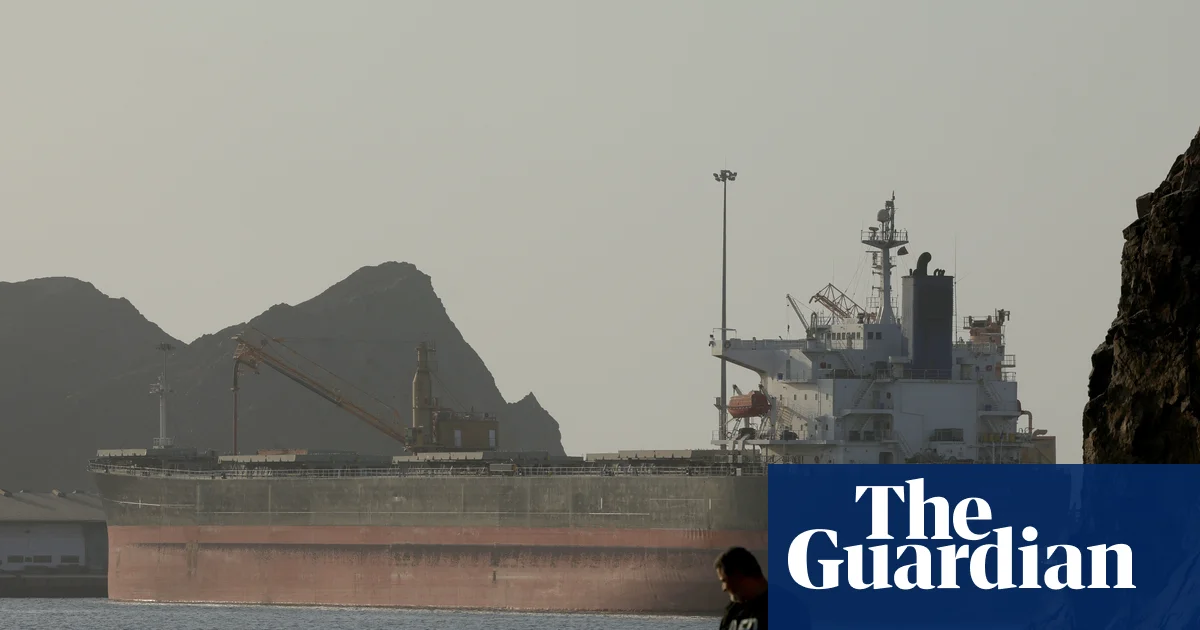
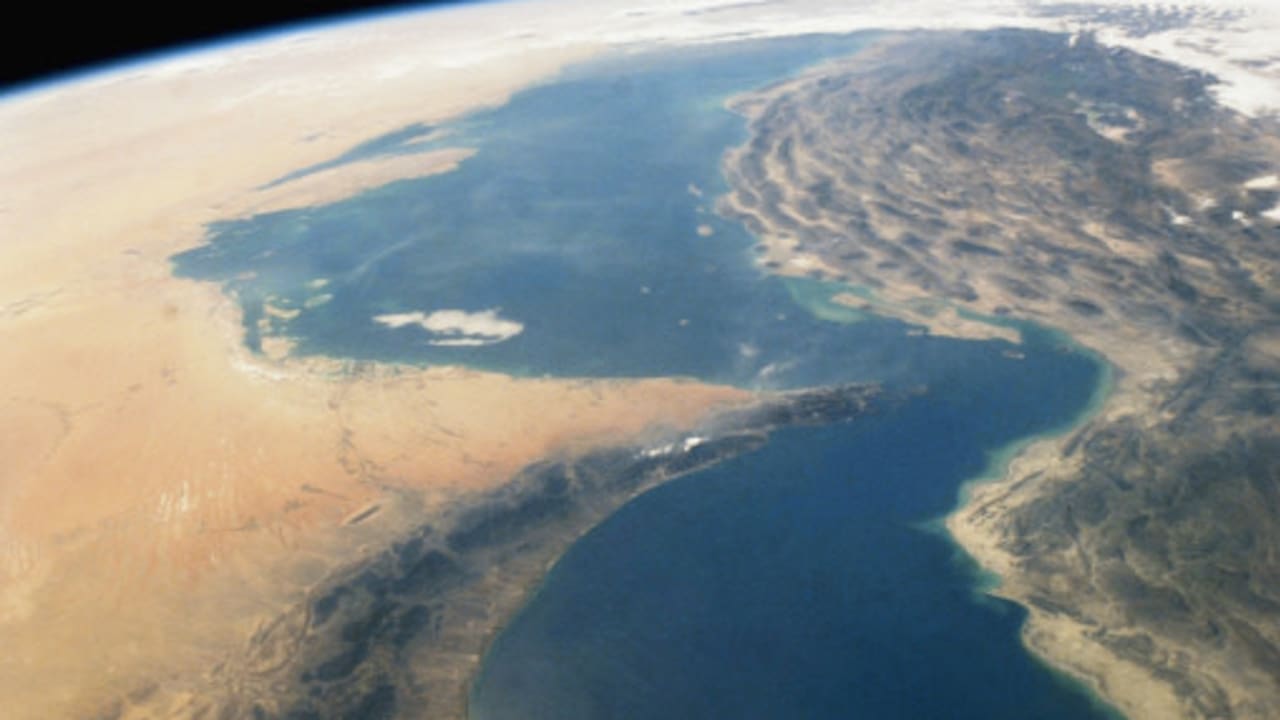
According to two sources familiar with the discussion, ministers were told that Iran's economy had deteriorated sharply under the US-led naval blockade of the Strait of Hormuz.
796 words~4 min read