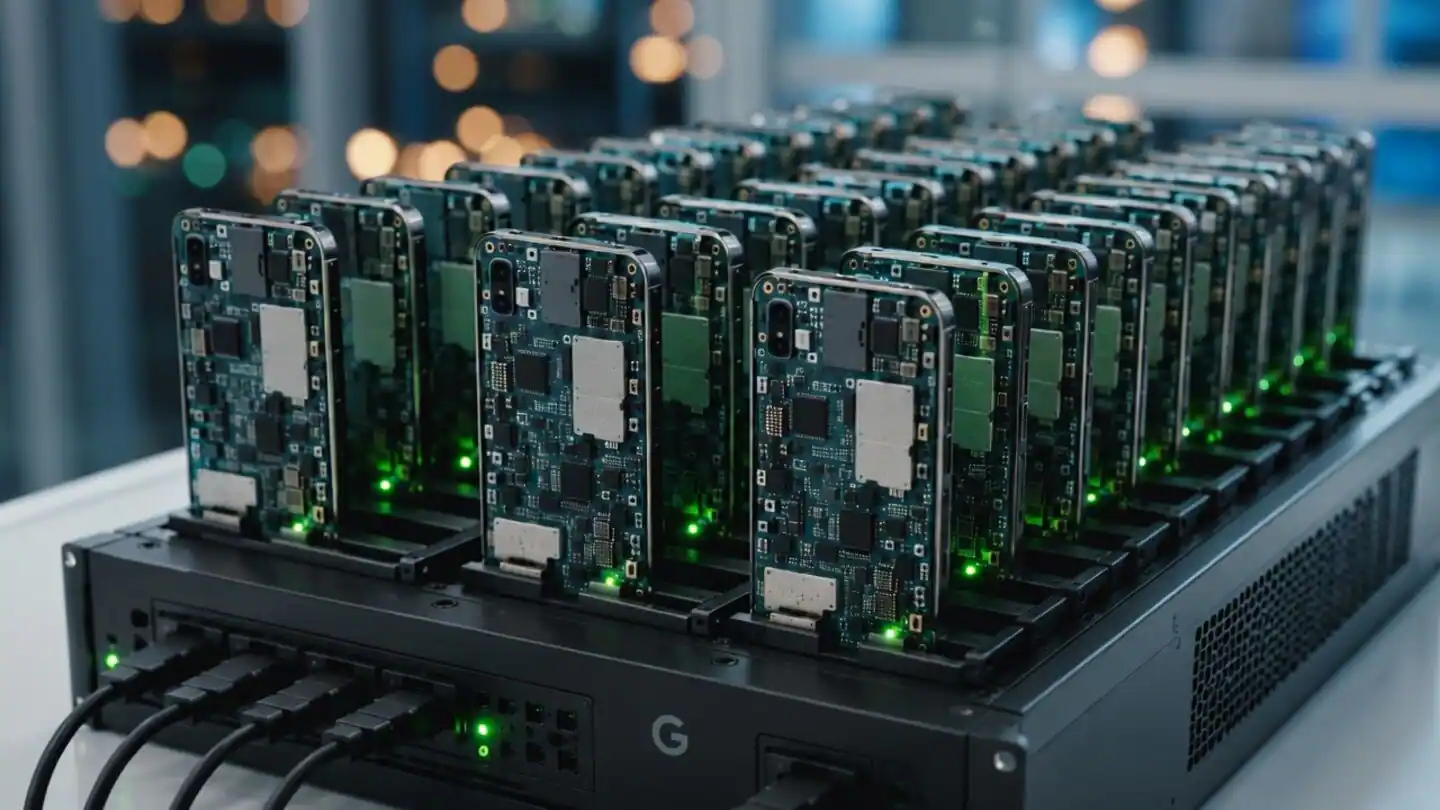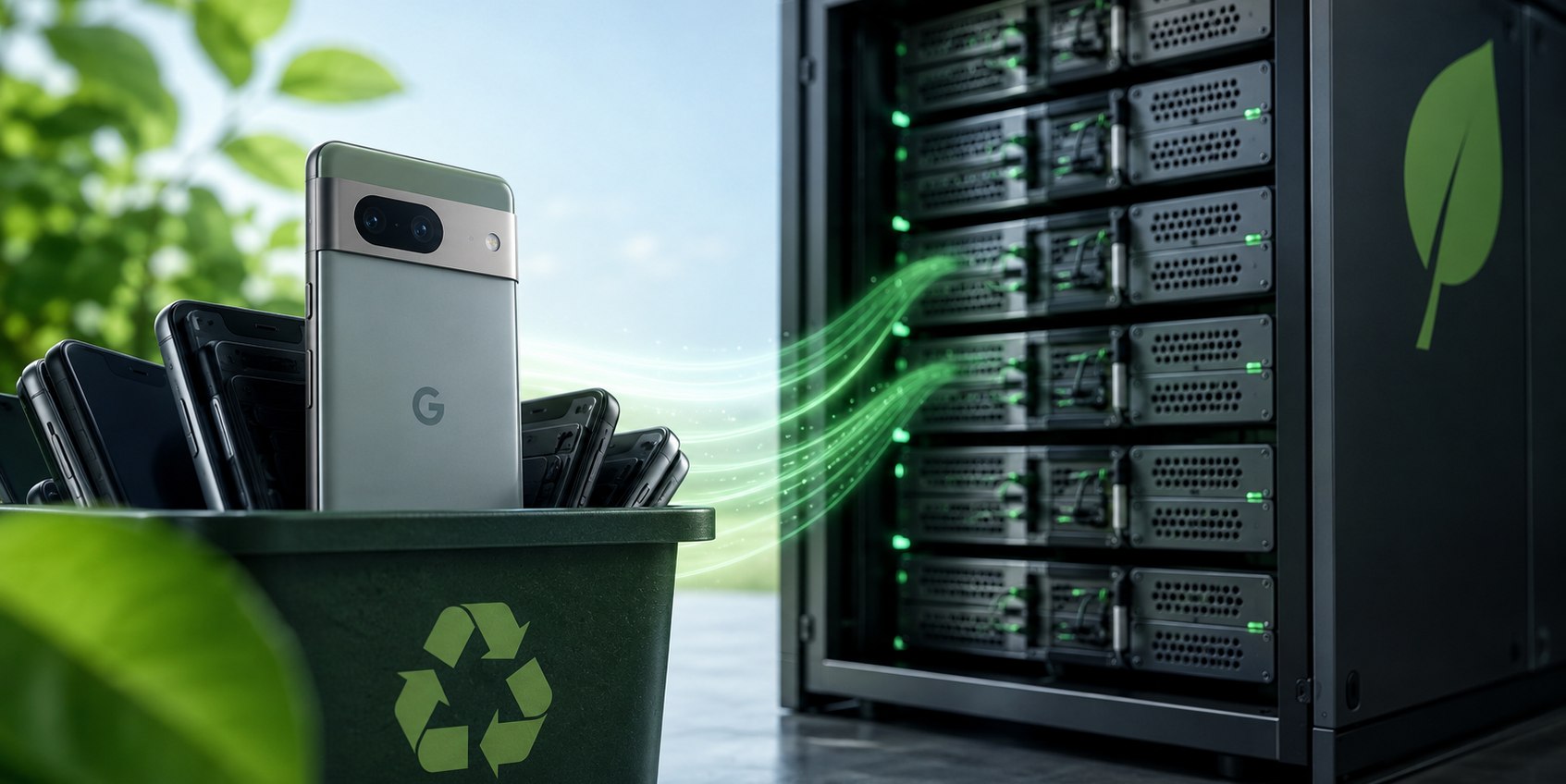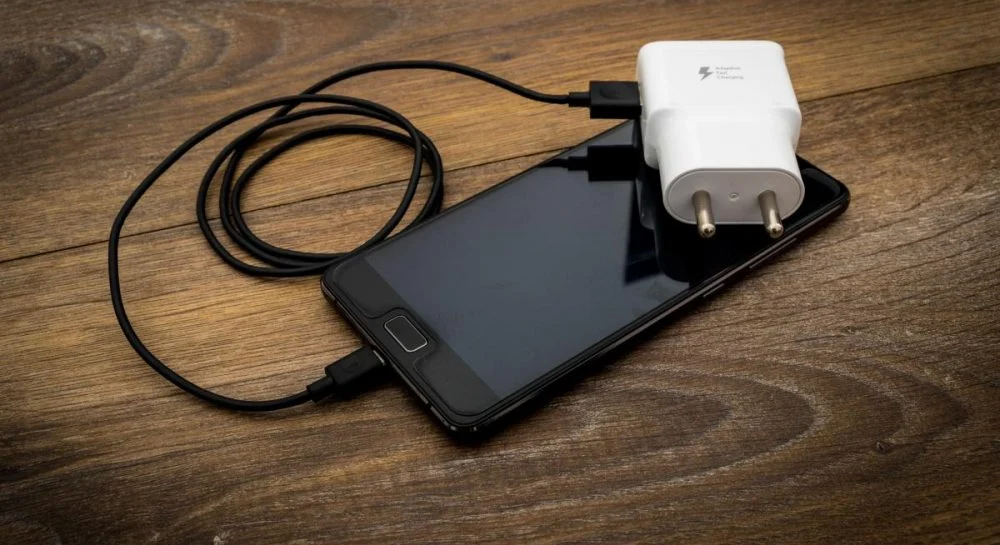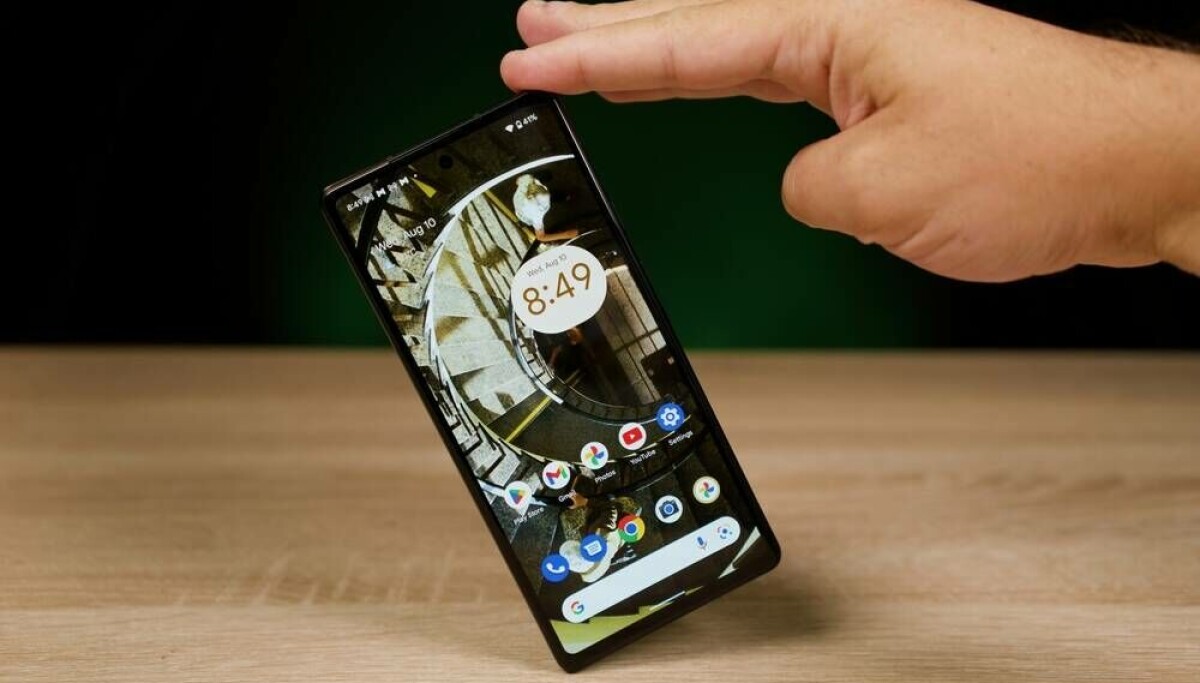
The carbon footprint of computing is a key sustainability challenge. It is driven by two major sources: operational carbon reflects emissions from energy consumed during use, and embodied carbon encompasses emissions associated with hardware manufacturing. While operational carbon is often addressed with efforts such as improved energy efficiency and using clean energy, the manufacturing footprint represents a more complex hurdle.To address this, researchers at the University of California San Diego are building a pathway for the second life of phones through the exploration of “phone cluster computing.” This is a process whereby the motherboards of retired smartphones are extracted, collected into clusters, and redeployed as a general-purpose computing platform. With Google’s support, the university plans to deploy a datacenter built from 2,000 Pixel smartphones that will provide hundreds of researchers and students with low-cost, low-carbon cloud computing, reducing the need for newly-manufactured hardware and their associated emissions.
Smartphones: A significant contributorOn average, people replace their phone every four years. This is generally driven by people’s desire for a new device, including for the functionalities provided by new models. Many replaced phones, however, have their core compute functionalities intact and are still relatively powerful computers with integrated processors, accelerators, memory, and storage. While an old phone might no longer be of interest to its first purchaser, putting it back in service can directly reduce the environmental footprint of computing by avoiding the need for further raw material extraction.This blog discusses a novel strategy: re-deploying unwanted smartphones for cloud computing applications.The single-threaded performance of modern smartphones’ performance processor cores is on-par with or better than those of modern multicore servers (see figure below). The most significant difference between a smartphone and a server is their size: servers contain dozens of powerful multithreaded processor cores and a huge memory capacity, while a smartphone has a handful of heterogeneous processor cores and 8-12GB of memory. One of the key challenges, then, is to target applications that fit into, or can be made to fit into, the capacity of a smartphone.