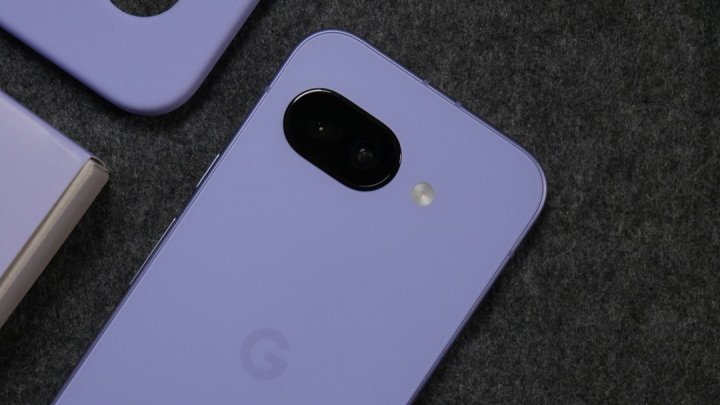
Google has backed a research initiative at the University of California, San Diego, that is using old smartphones to build a large computing cluster.
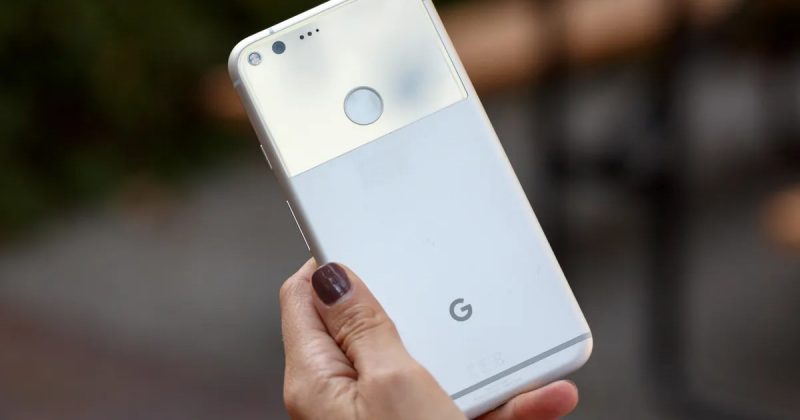
The initiative will see researchers build a cluster from 2,000 retired Pixel smartphones, aiming to provide low-cost, low-carbon cloud computing for students and researchers without requiring new hardware.
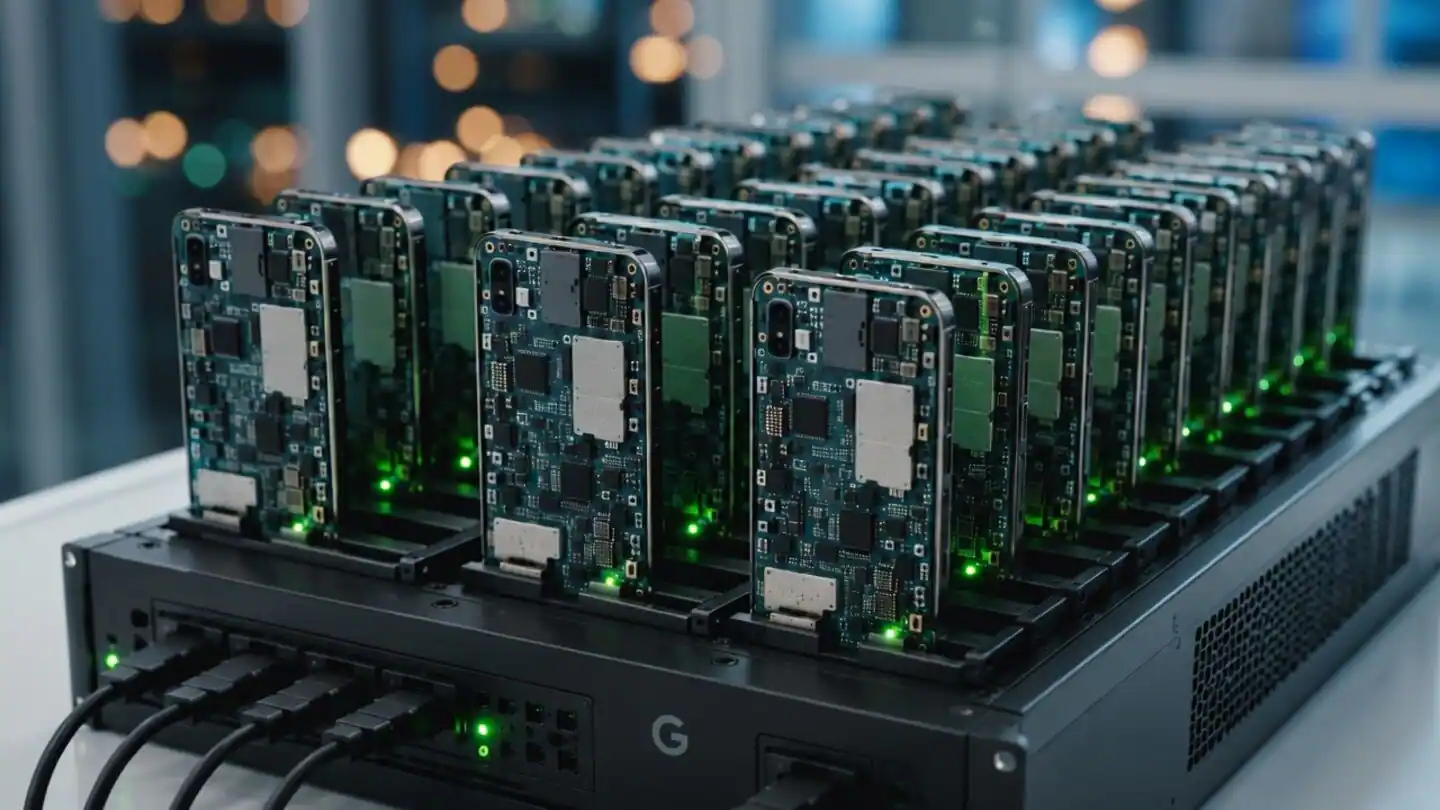
The project, dubbed "phone cluster computing" by researchers, involves stripping retired smartphones down to their motherboards, replacing the Android mobile operating system with a general-purpose Linux distribution, and organizing the devices into self-managing clusters of 25-50 units. The clusters will then be managed by Kubernetes - an open-source platform designed by Google that automates the deployment, scaling, and management of containerized applications.
According to Google, the motherboards in smartphones account for approximately 50 percent of their embodied carbon. The researchers claim that the single-threaded performance of modern smartphone processor cores is comparable to or better than that of modern multicore servers. Benchmarking results suggest that 25-50 phones are equivalent to a single server, with a 2,000-phone deployment providing around 50 server-equivalent compute.