Serving tech enthusiasts for over 25 years.
TechSpot means tech analysis and advice you can trust.
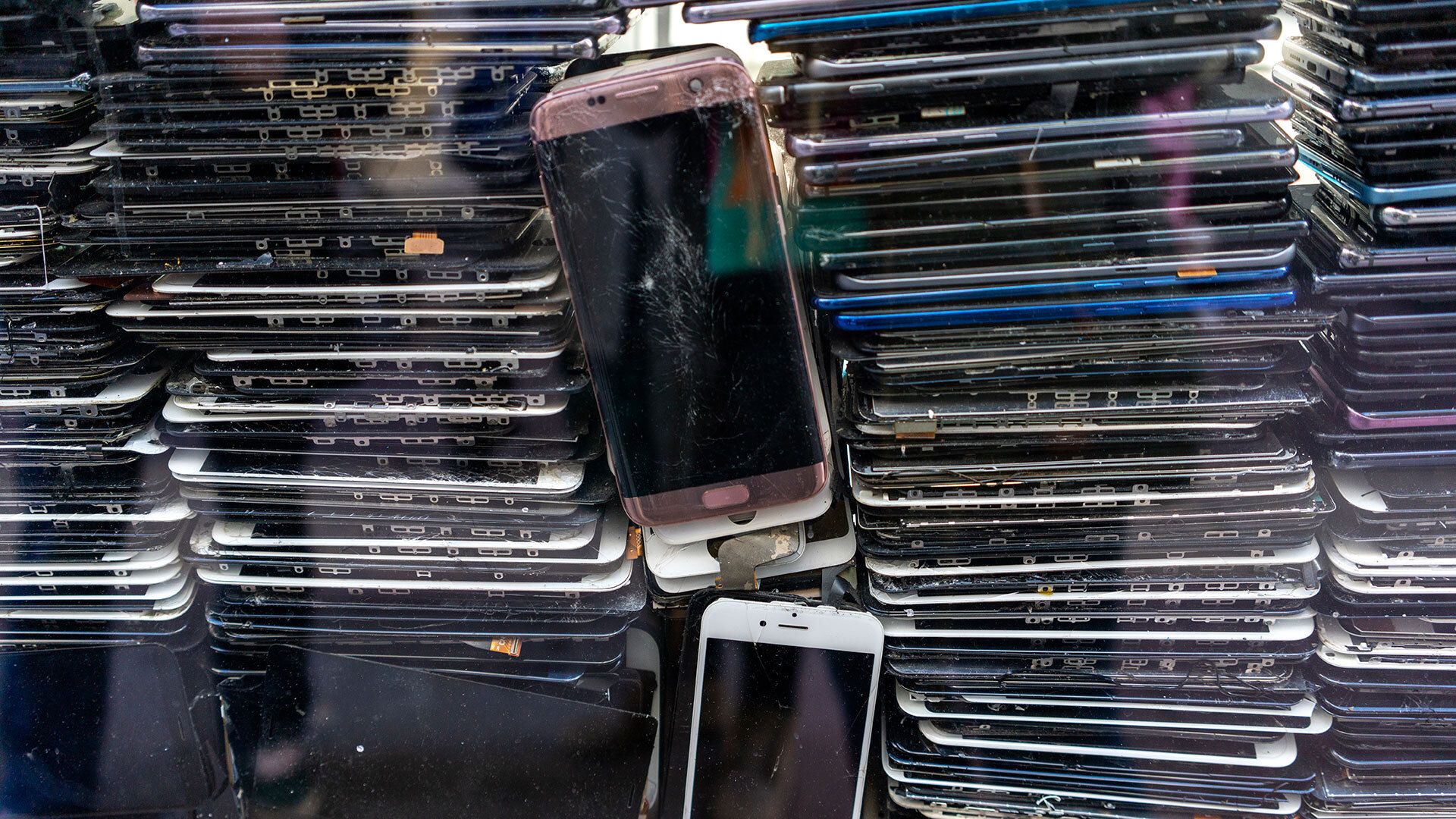
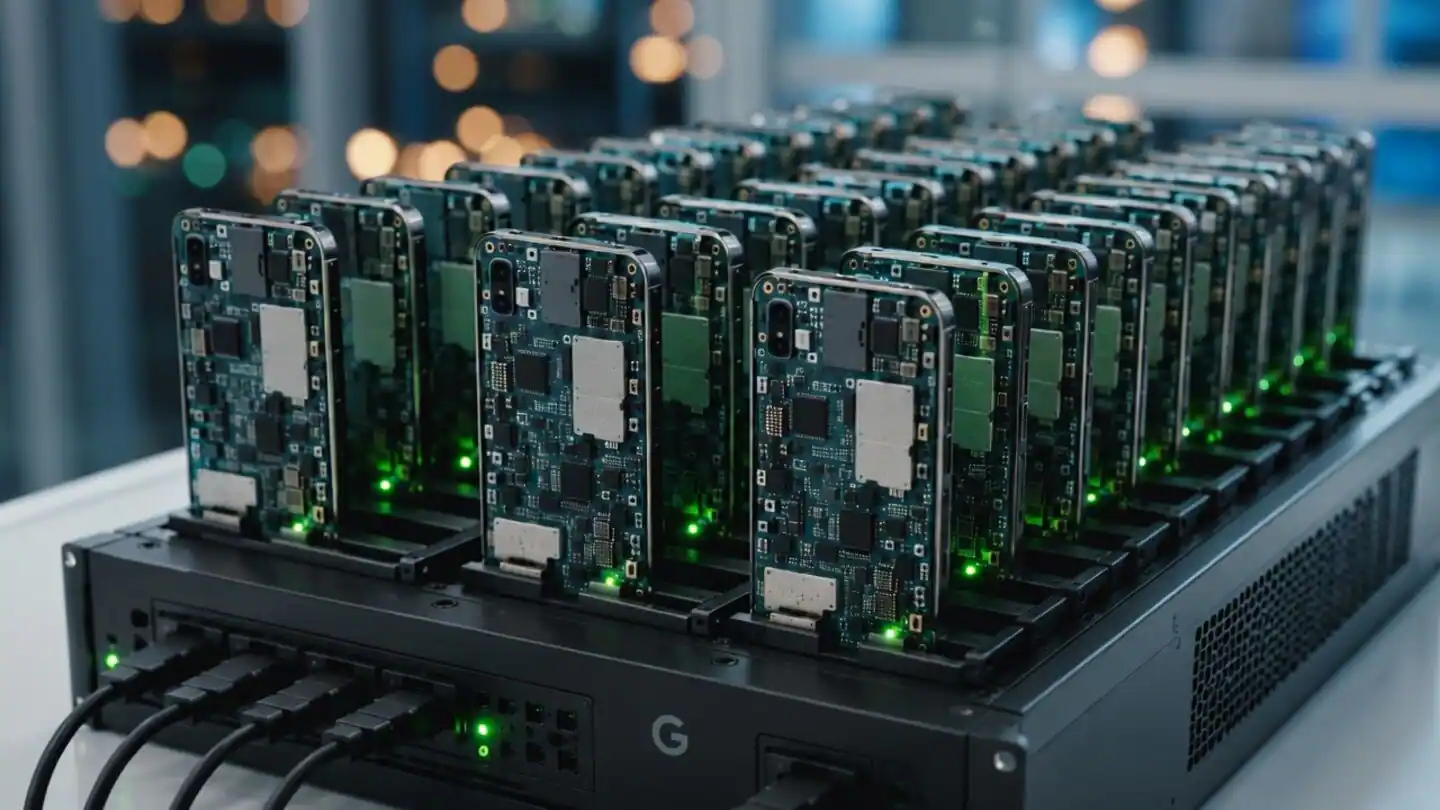
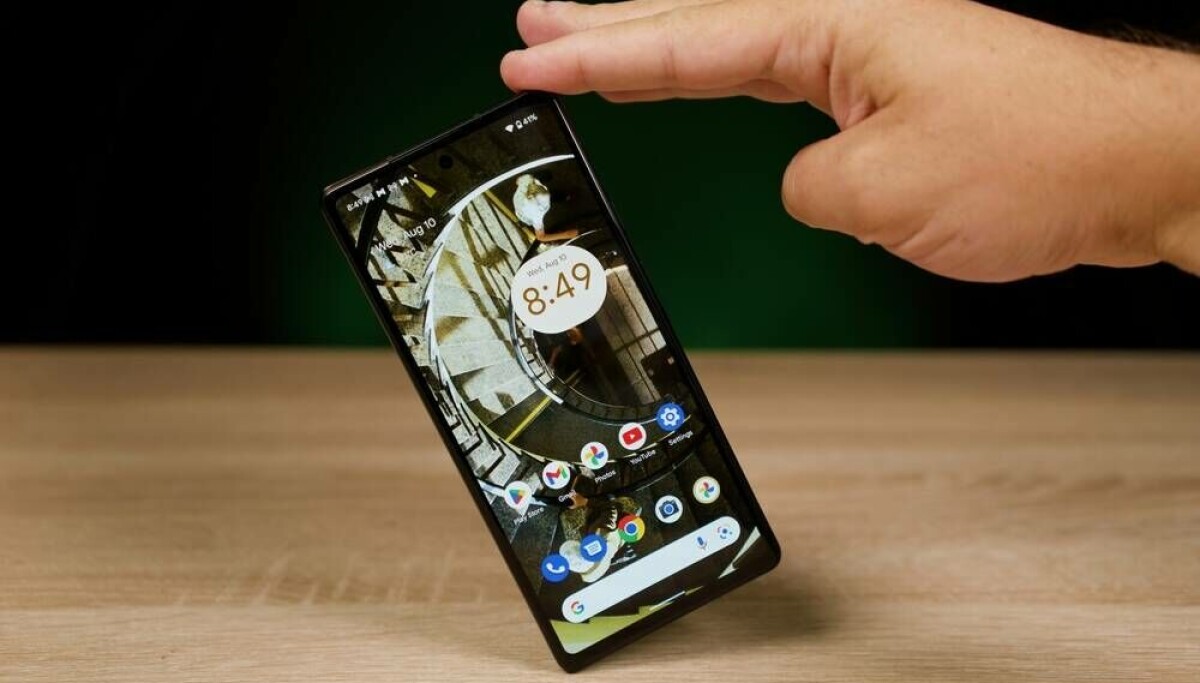
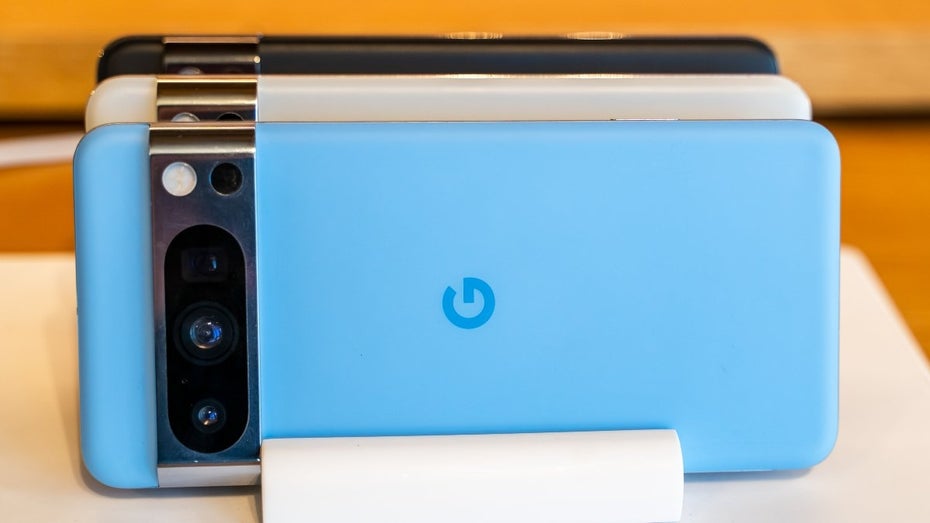
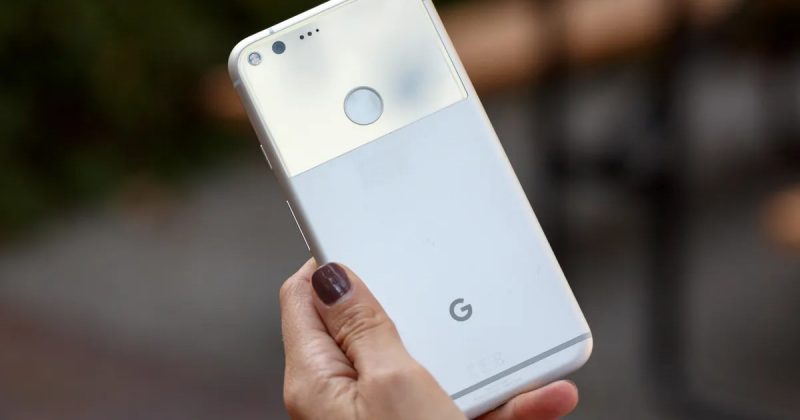
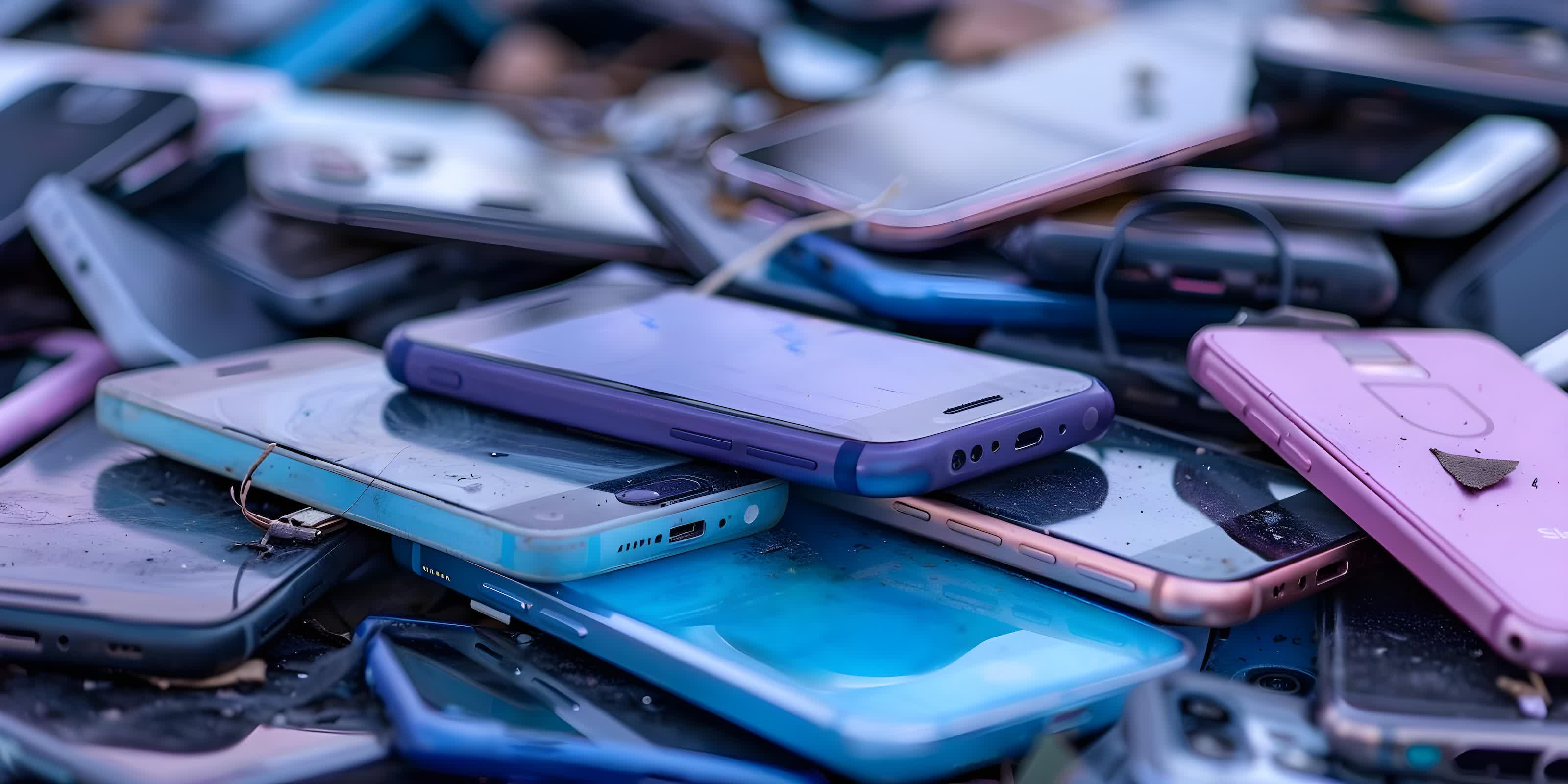
Forward-looking: Researchers at the University of California San Diego are testing whether retired smartphones can still do useful work instead of ending up as electronic waste. Working with Google, the team is trying to turn retired Pixel smartphones into a low-cost data center. The goal is to keep working hardware in use instead of throwing it out after a few upgrade cycles.
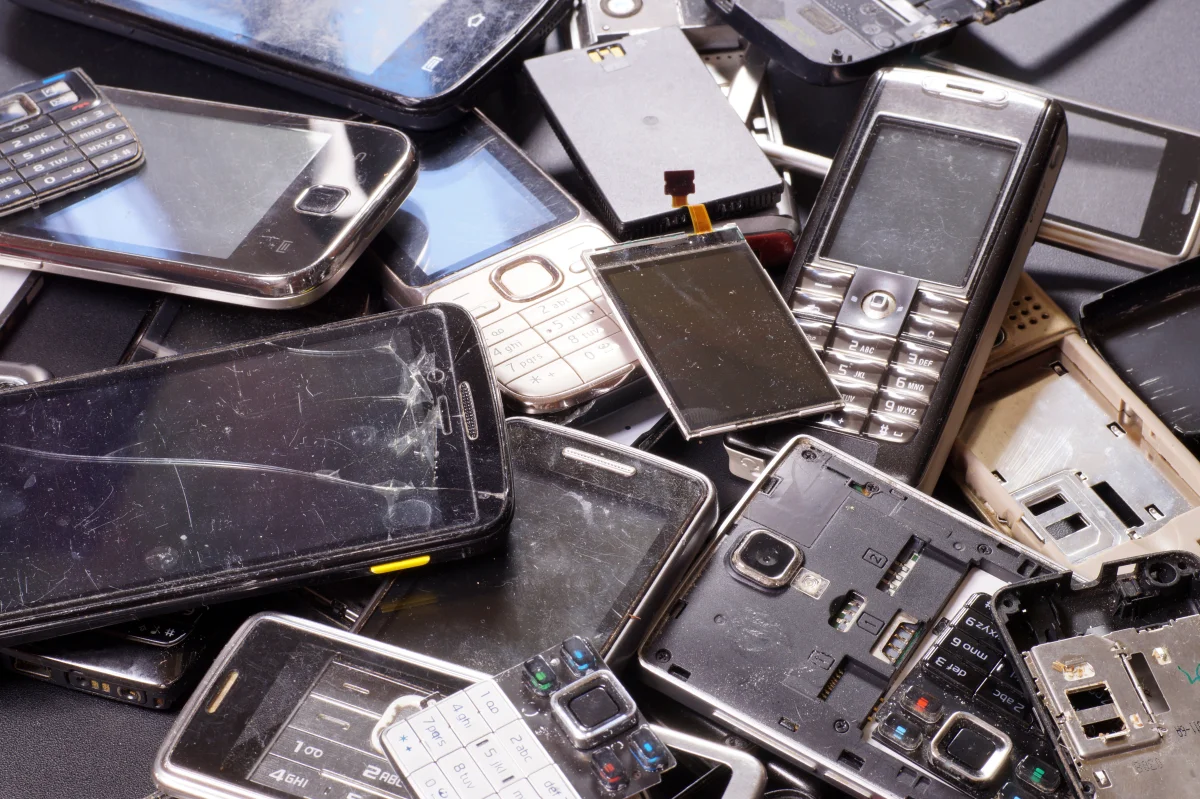
Google Research frames the project around "embodied carbon," the emissions tied to manufacturing devices in the first place. Smartphones, which most people replace every few years, account for a growing share of global e-waste. Extending their useful life, even in a different role, directly reduces that footprint.
What makes the approach viable is not just environmental logic but performance. According to the study, smartphones released roughly three years ago can still outperform certain server configurations on a single-core basis in SPEC benchmarks. Google cited data of a data center system like the Asus RS720A-E11, which supports dual AMD EPYC processors. Those machines are vastly more capable overall, but the per-core comparison suggests that older mobile chips are far from obsolete.