TL;DR
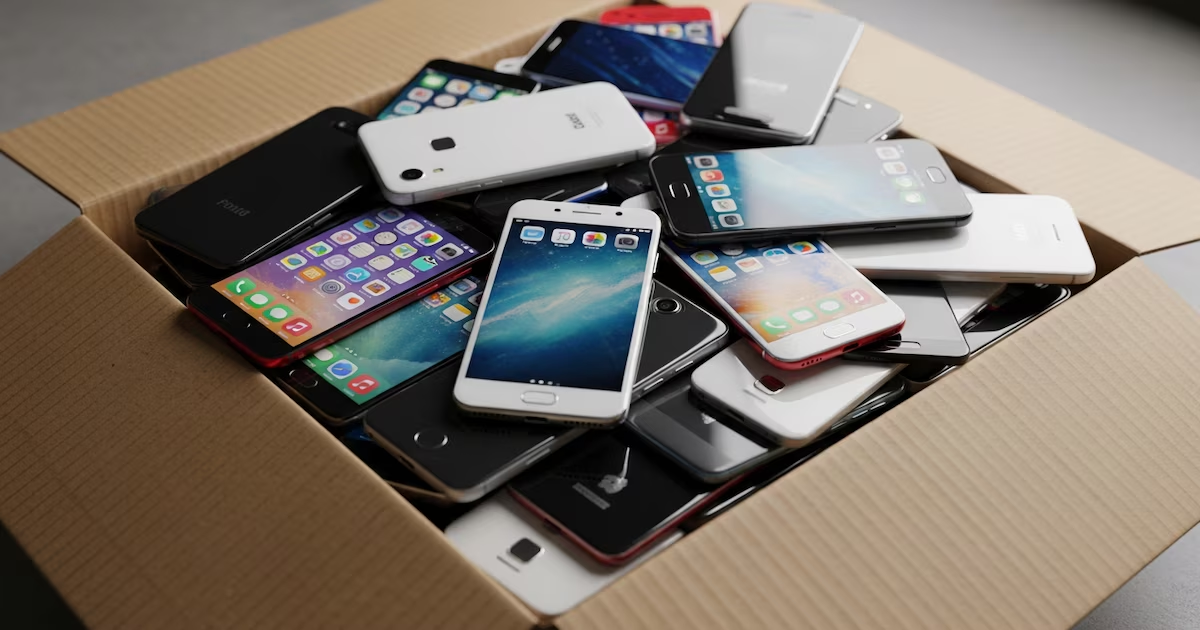
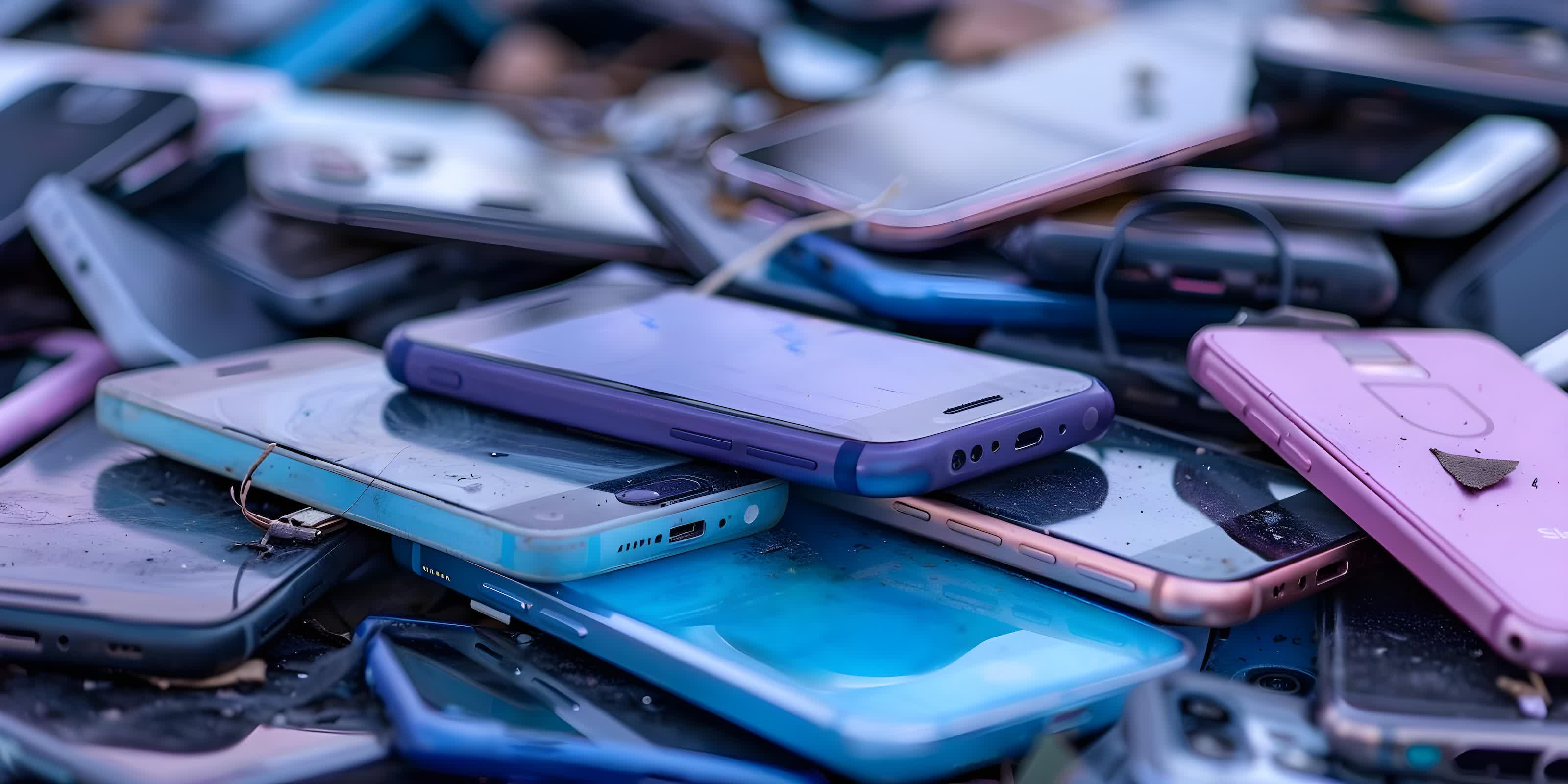
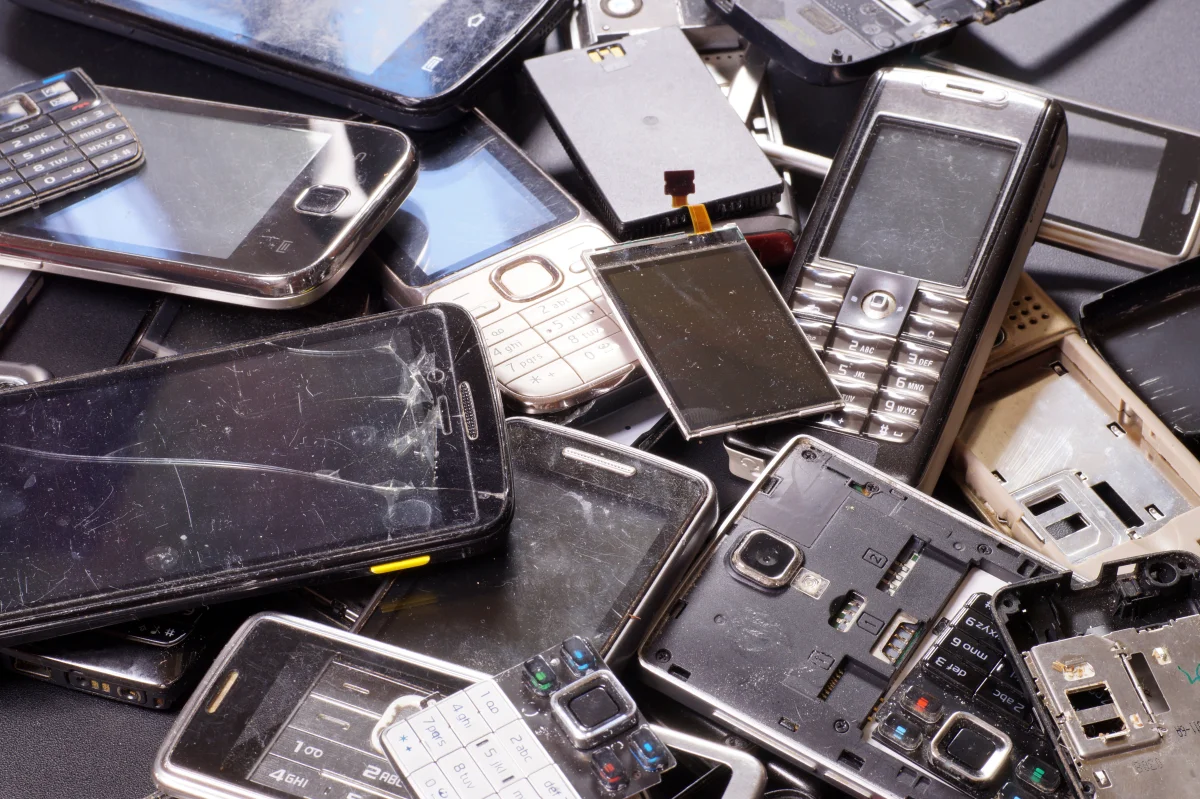
A cluster of discarded smartphones can match the cost and performance profile of cloud server instances for a defined, bounded class of workloads bursty, latency-tolerant, horizontally-scalable services like microservices, dev environments, and educational platforms. This isn't a sustainability thought experiment. A 2023 prototype (10 Pixel 3A phones) ran real end-to-end microservice benchmarks at roughly 1/40th the three-year cost of an equivalent AWS instance. A 2024 follow-up deployed the same architecture for live university coursework. And in June 2026, Google backed a production-scale version of this exact design: a 2,000-phone cluster at UC San Diego, replacing the compute equivalent of ~50 traditional servers, launching Fall 2026.
The rest of this post derives why that conclusion holds not by appeal to e-waste statistics, but from the underlying compute economics. The carbon numbers show up as evidence, not motivation.
Four terms, defined precisely
Before building the argument, four terms need precise definitions, because the entire case rests on a metric most performance benchmarks ignore.