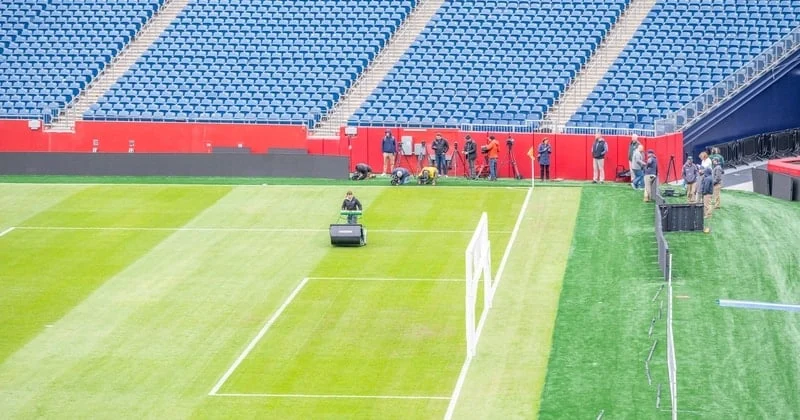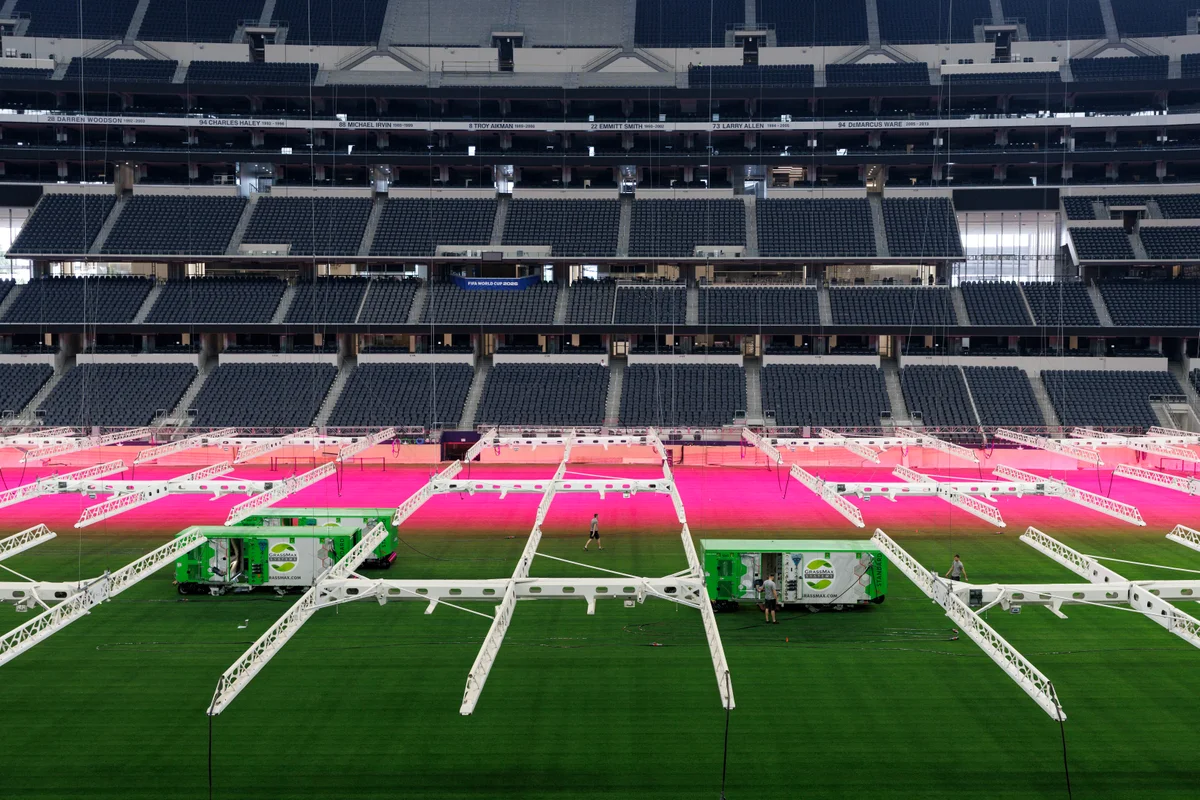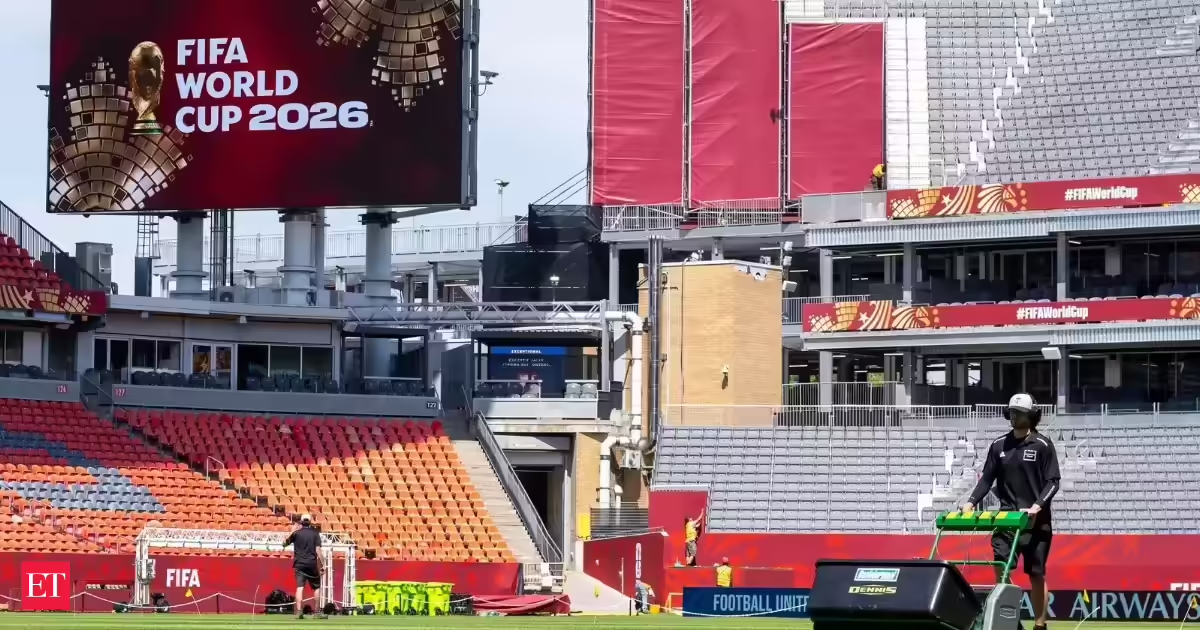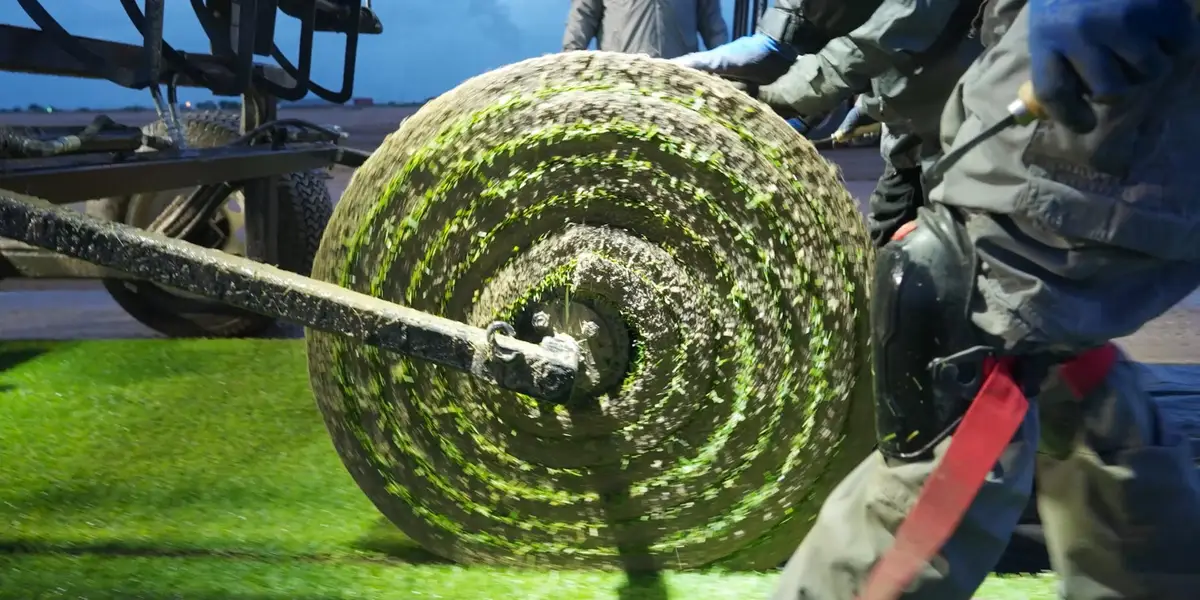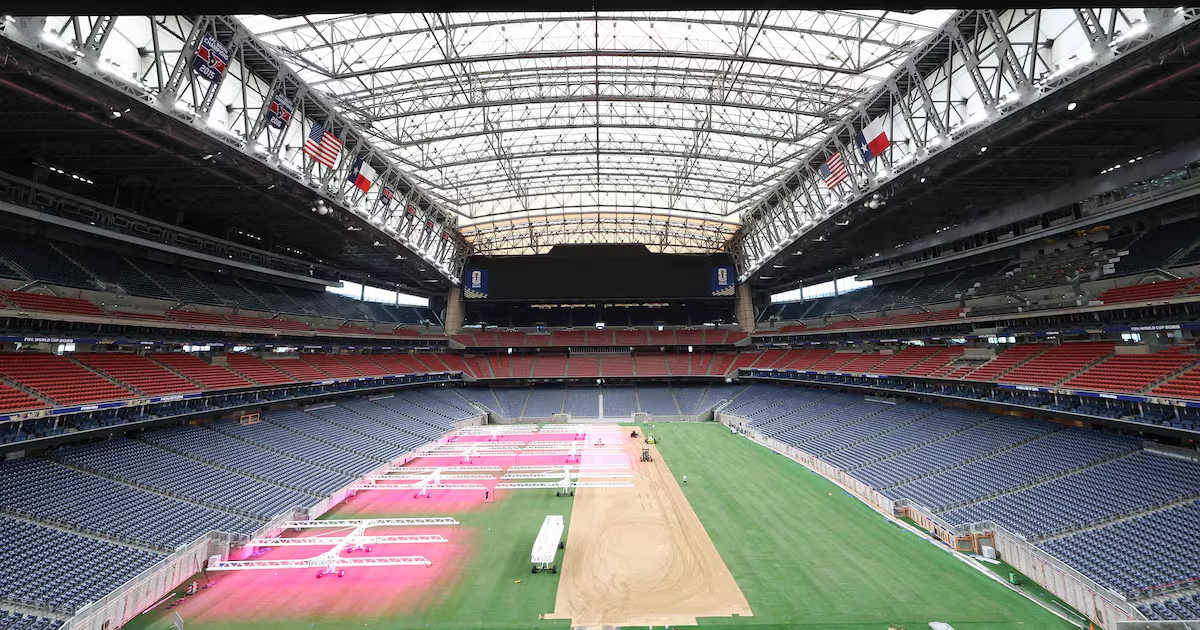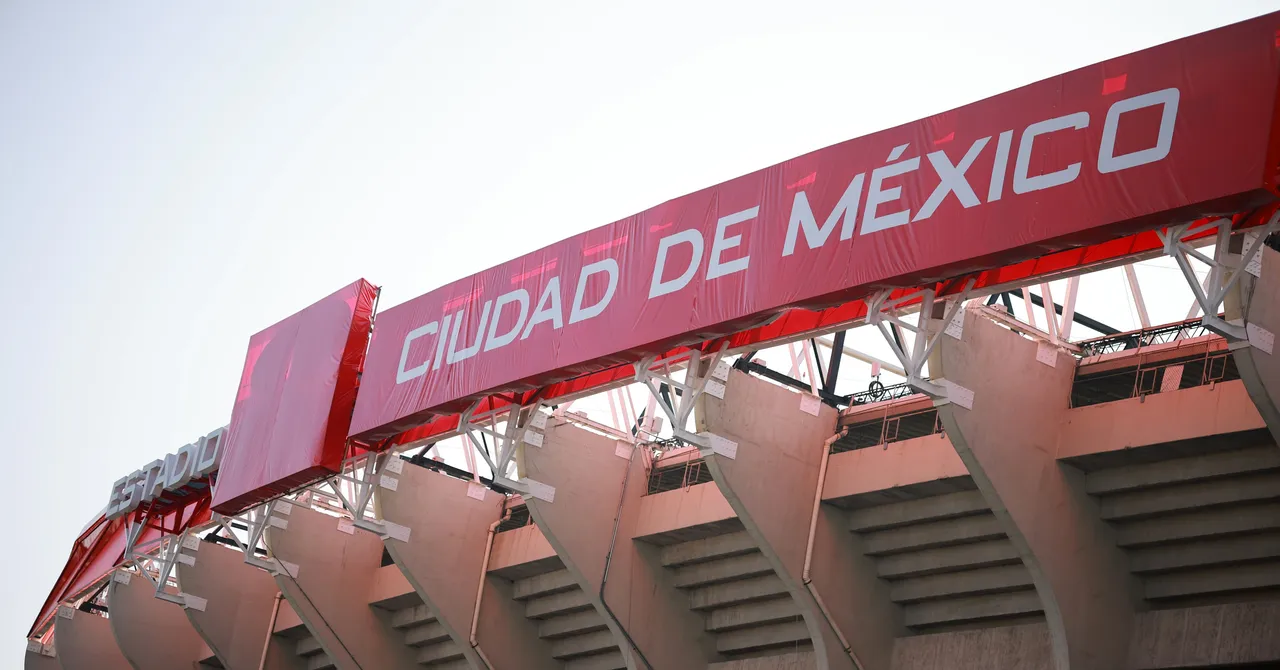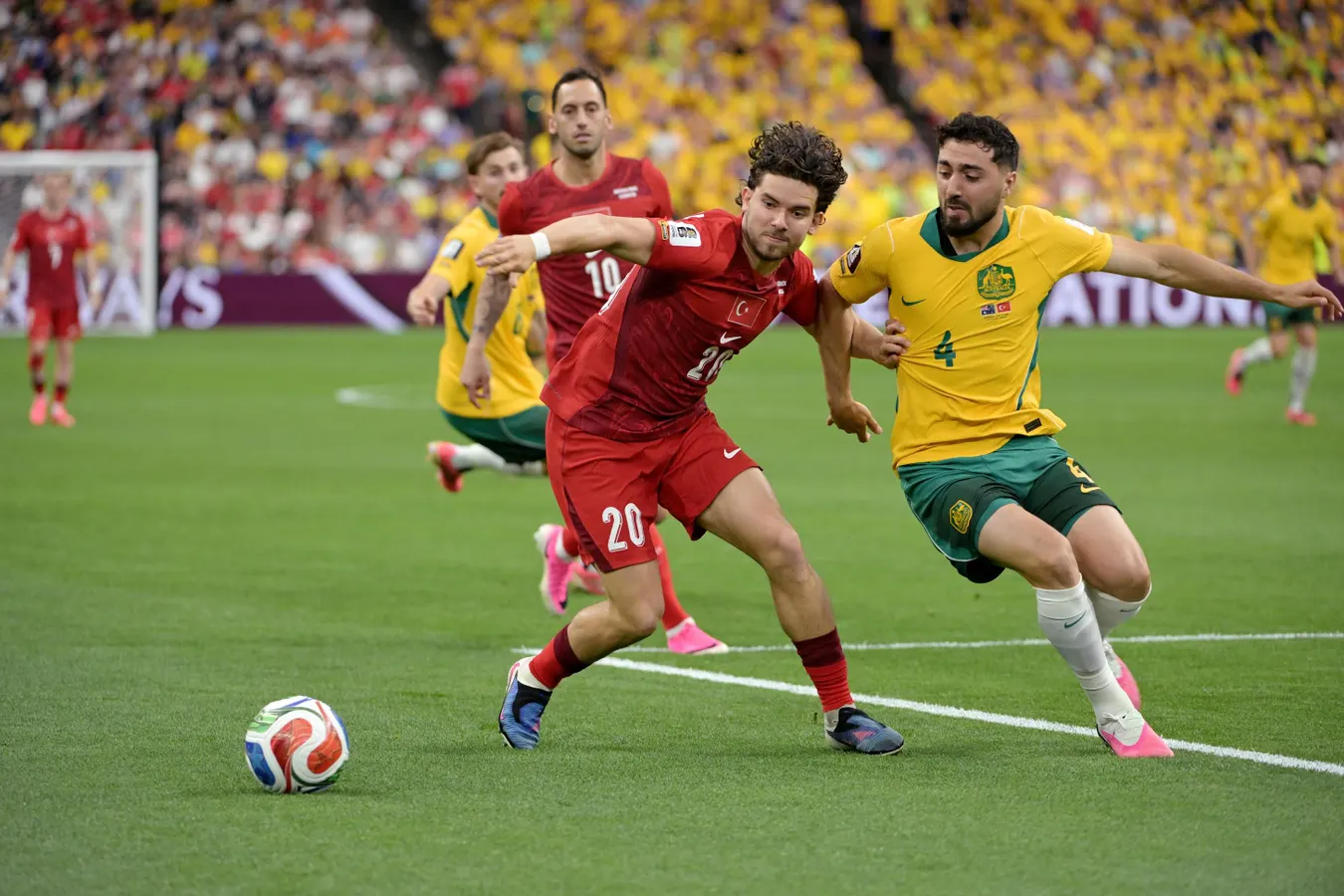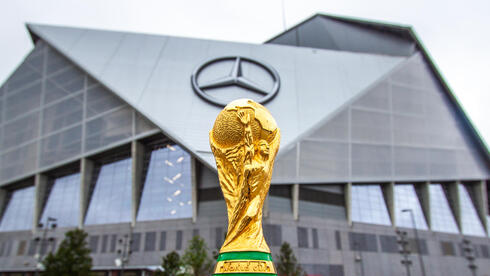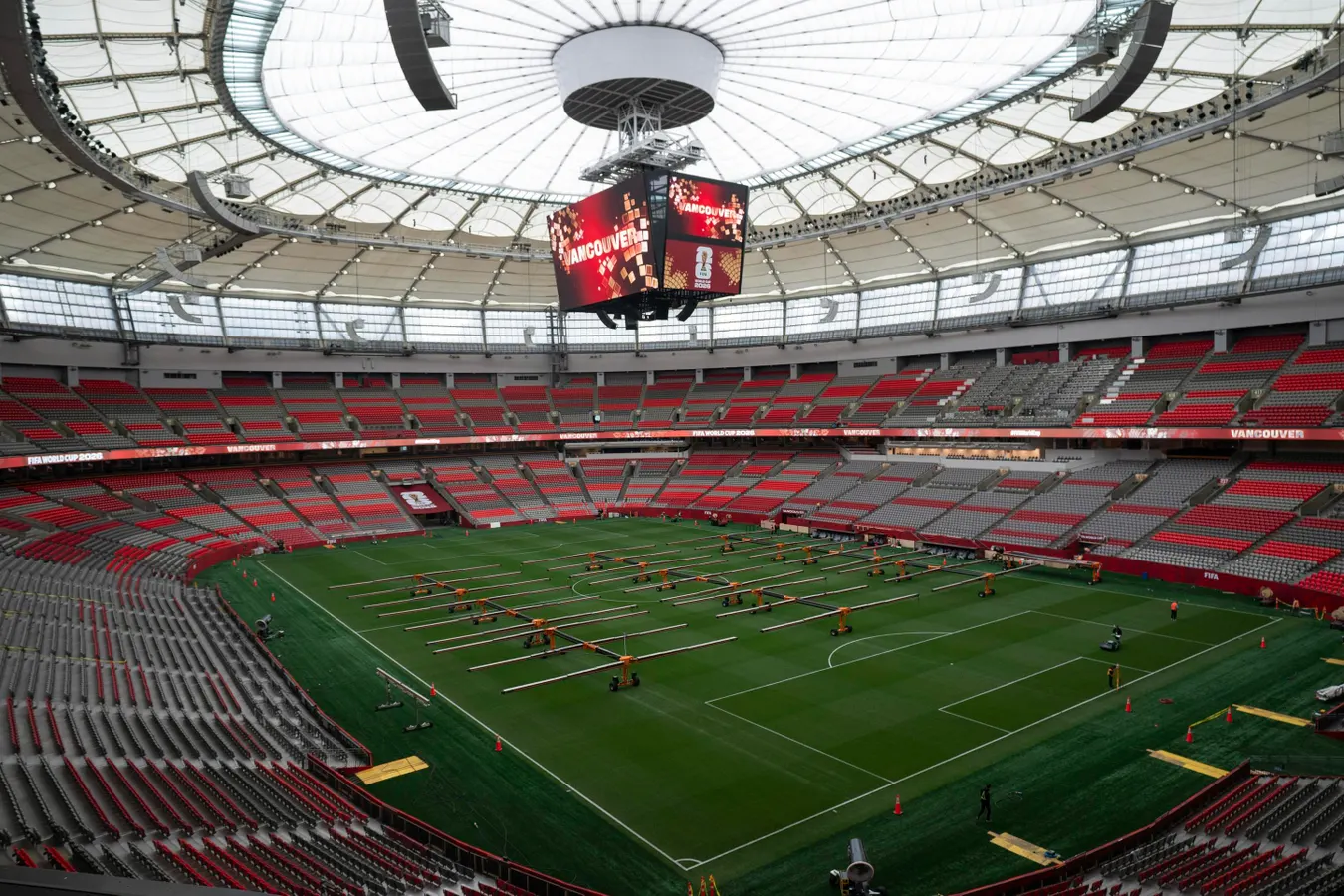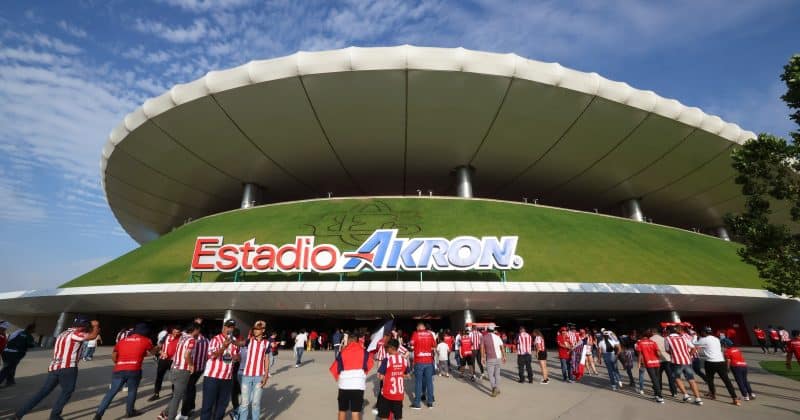
FIFA has a grass problem. Sixteen stadiums spread across three countries, multiple climate zones, and a bunch of venues originally built for a sport where the playing surface is an afterthought.
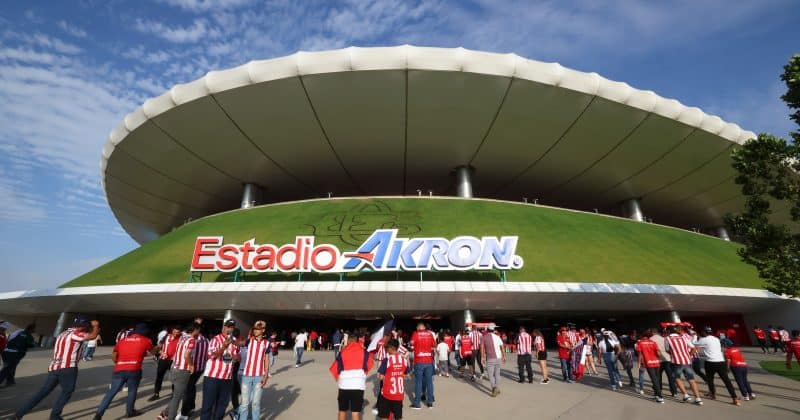
The 2026 FIFA World Cup, set to kick off in mid-June across Canada, Mexico, and the United States, will be the largest edition of the tournament ever staged. An expanded 48-team format means 104 matches across 16 host stadiums.
The science of making grass boring (in a good way)
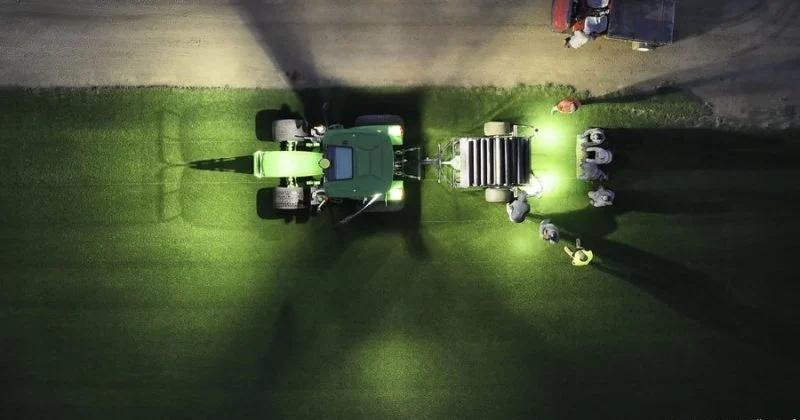
FIFA has been working on this problem for roughly eight years, partnering with turfgrass researchers at the University of Tennessee and Michigan State University. The collaboration has produced more than 170 tests aimed at developing grass blends that perform uniformly regardless of whether they’re sitting under the blazing Texas sun or inside a climate-controlled dome in Atlanta.
The testing protocols are impressively granular. Ball-drop machines measure how the surface responds to impact at high-traffic points on the pitch, like the penalty area and center circle. Cleat-simulation devices replicate the forces a player’s foot exerts during sprints, cuts, and stops.