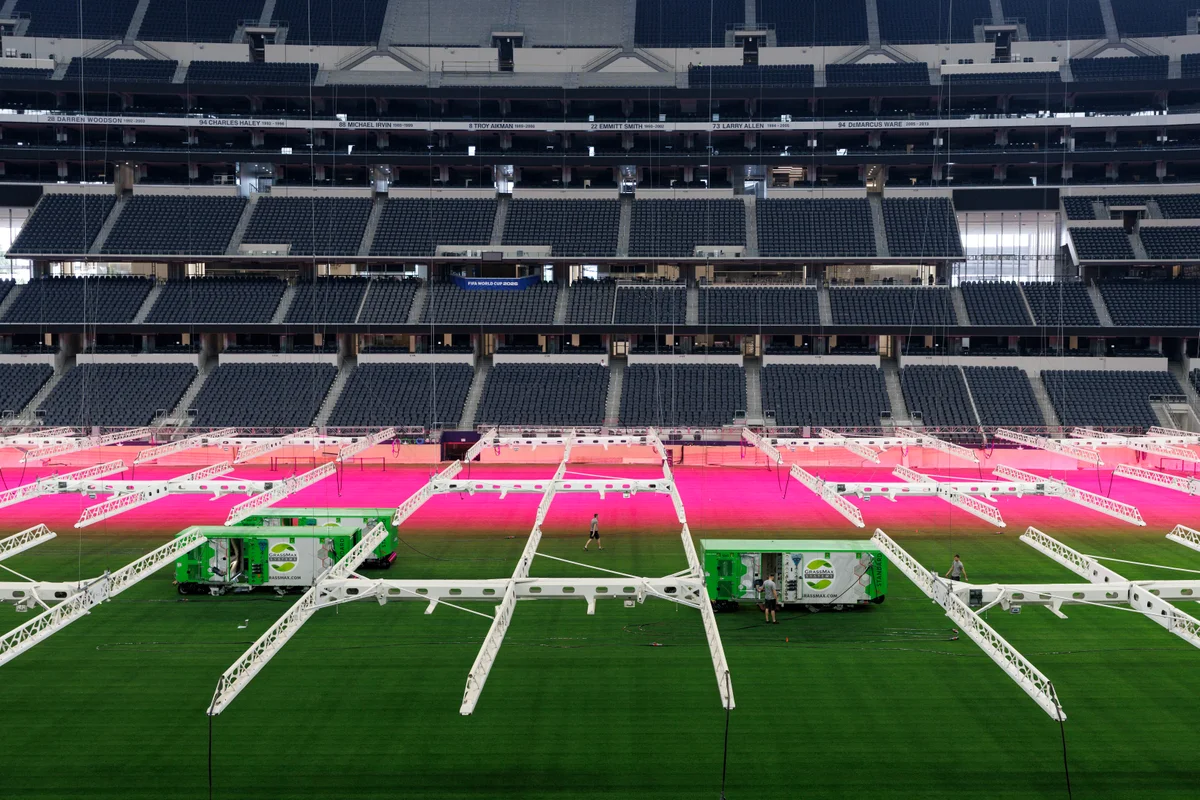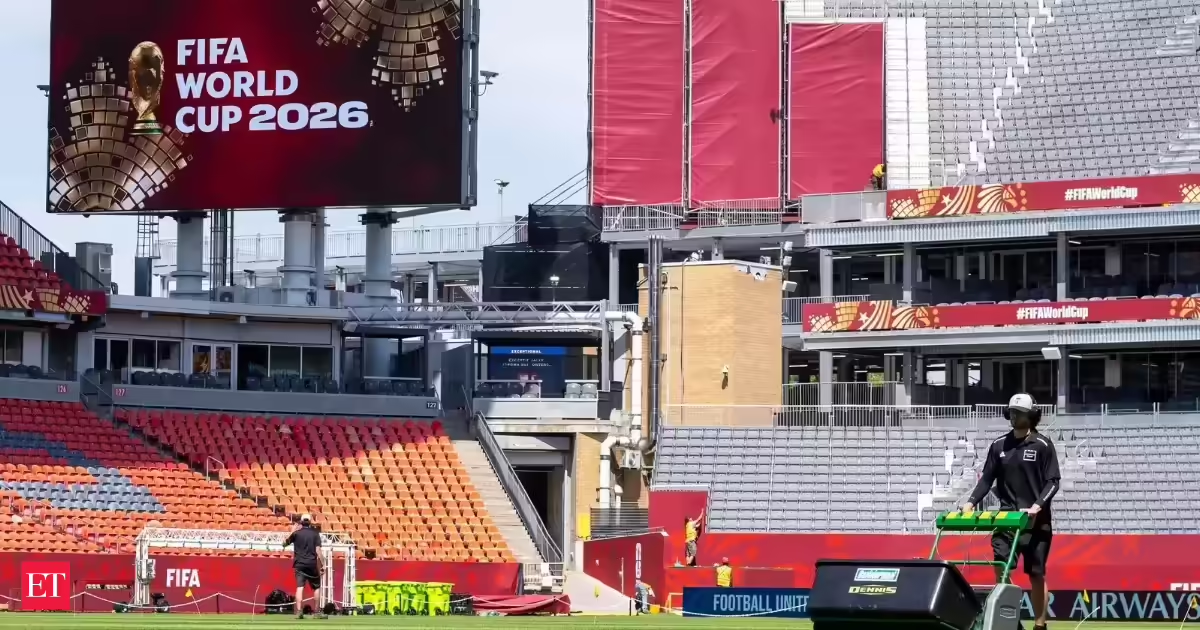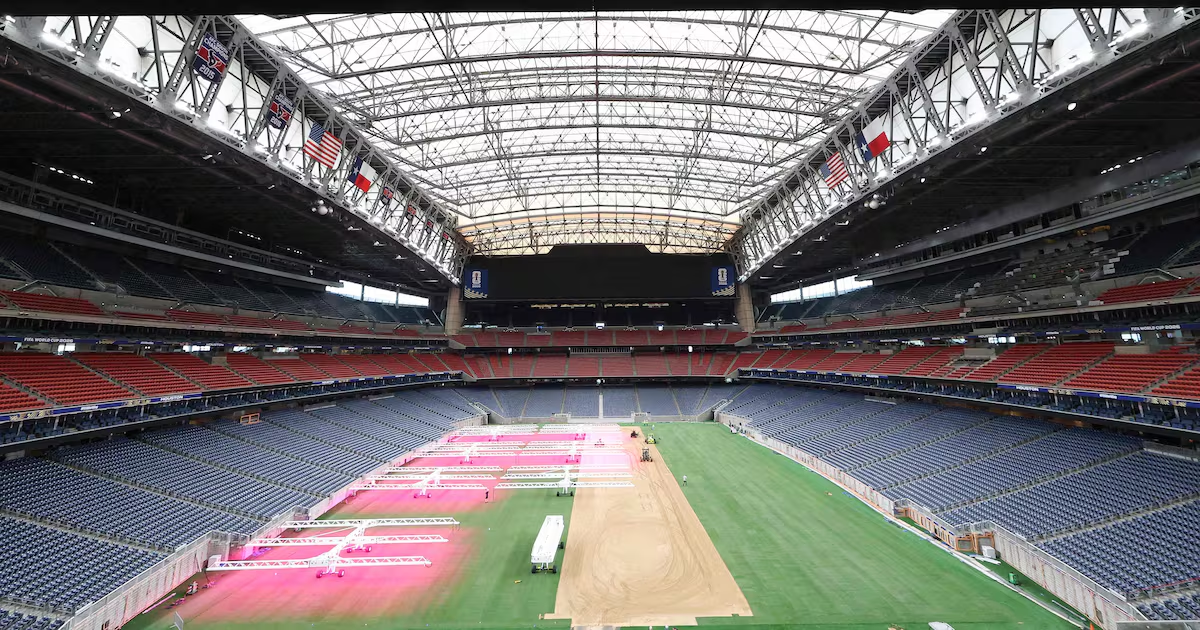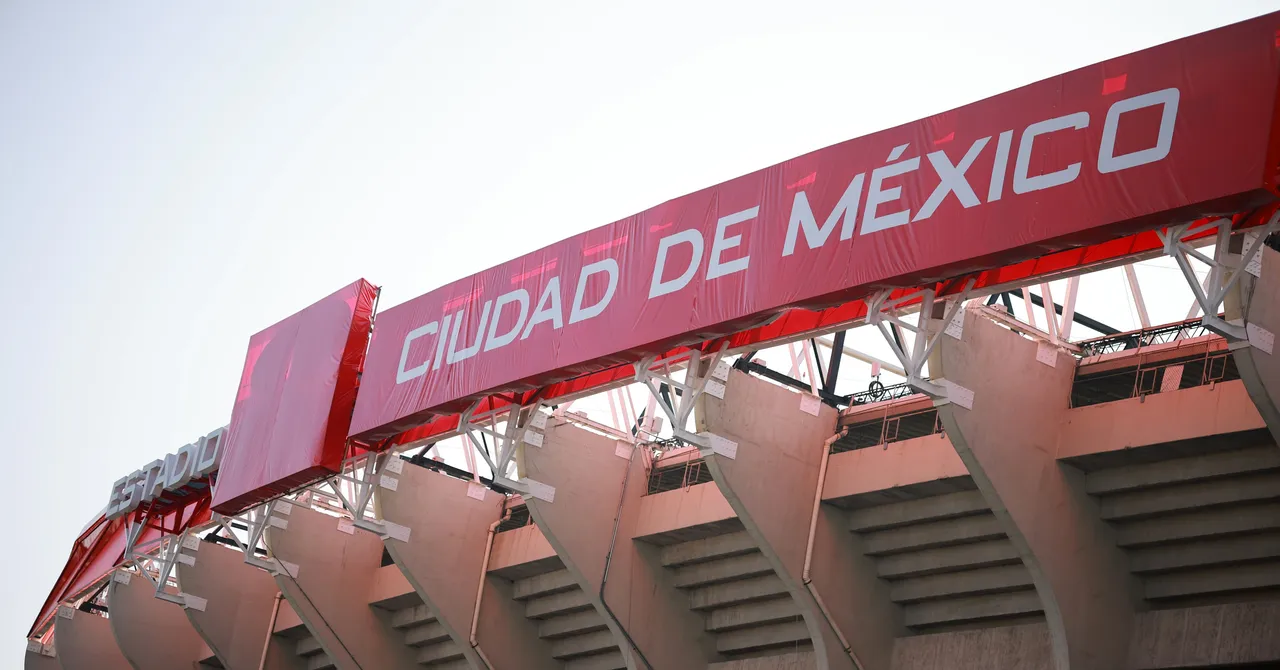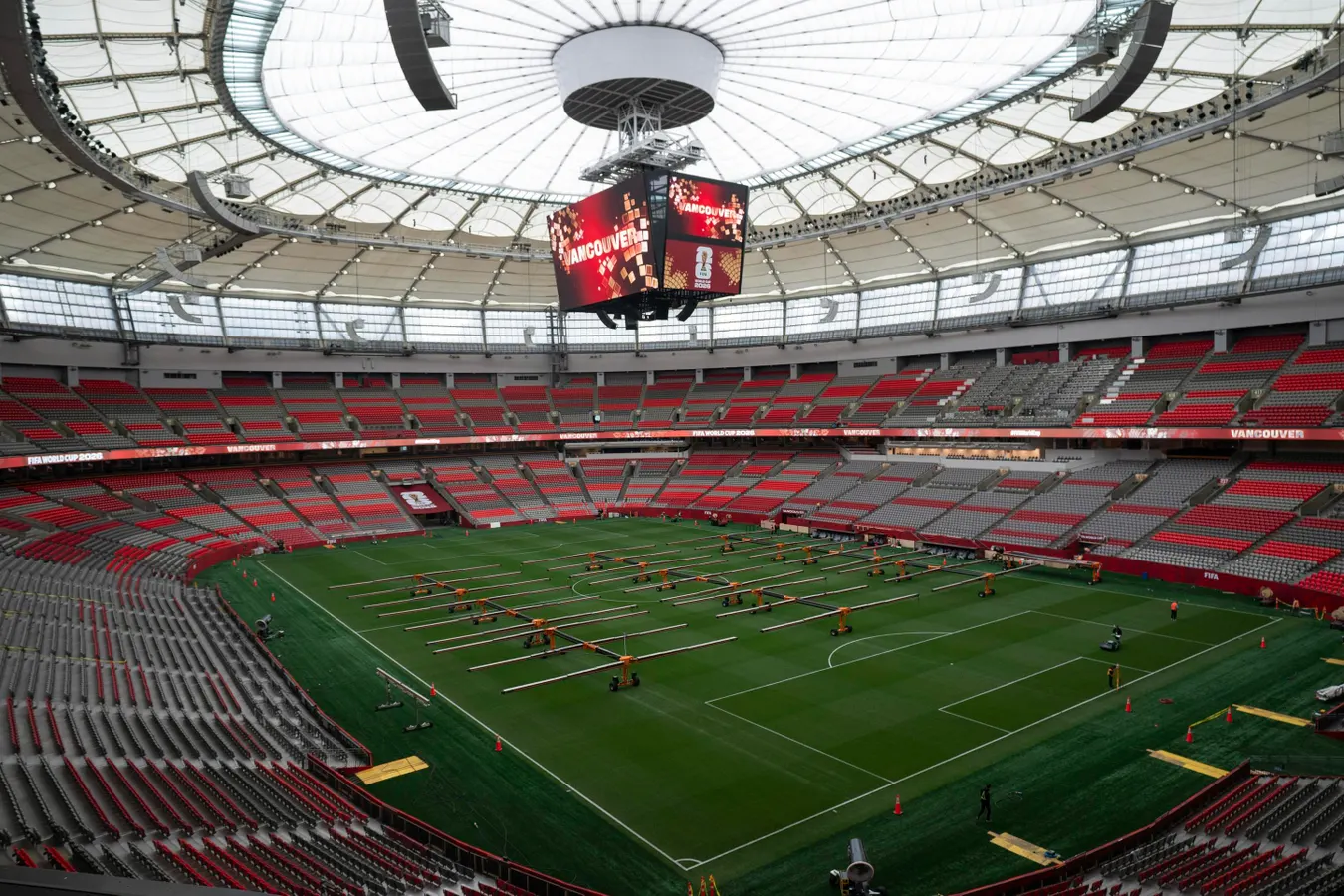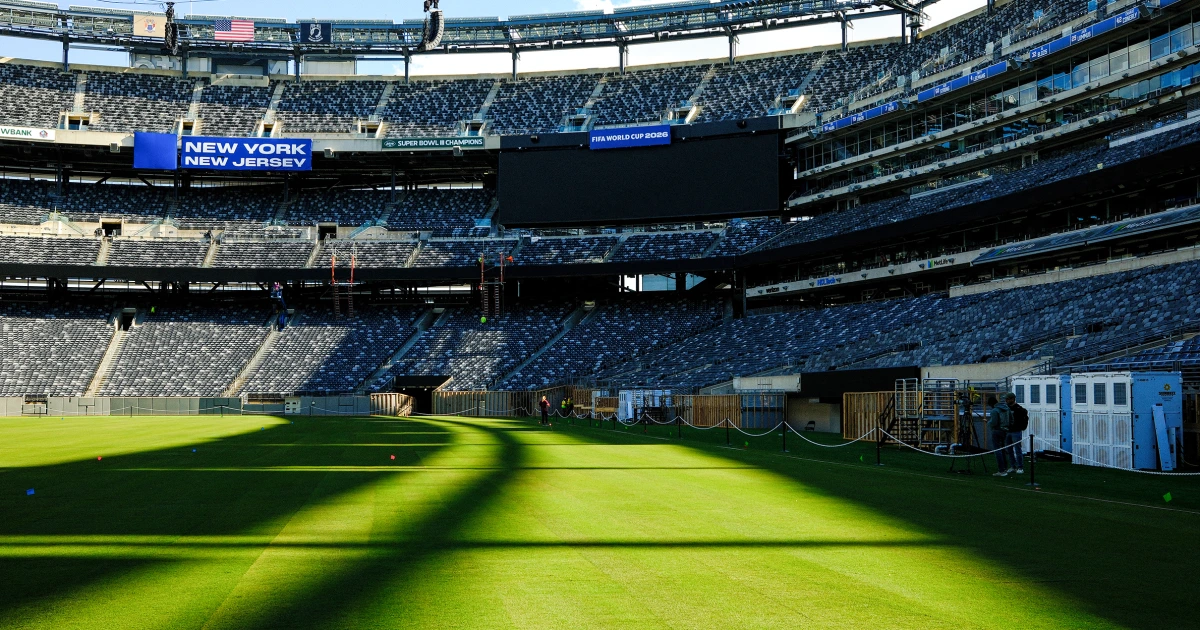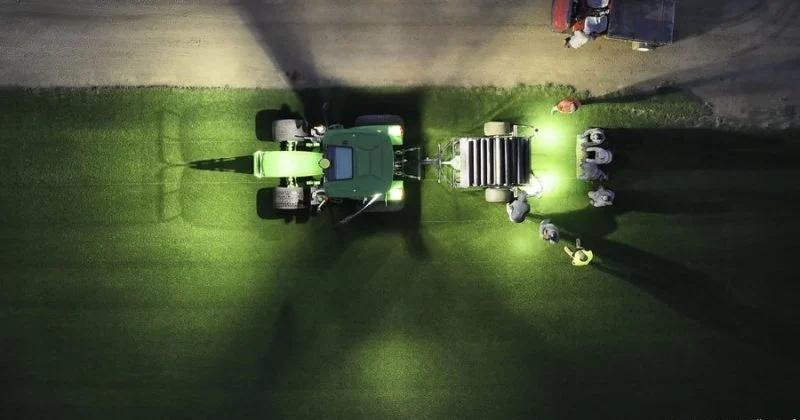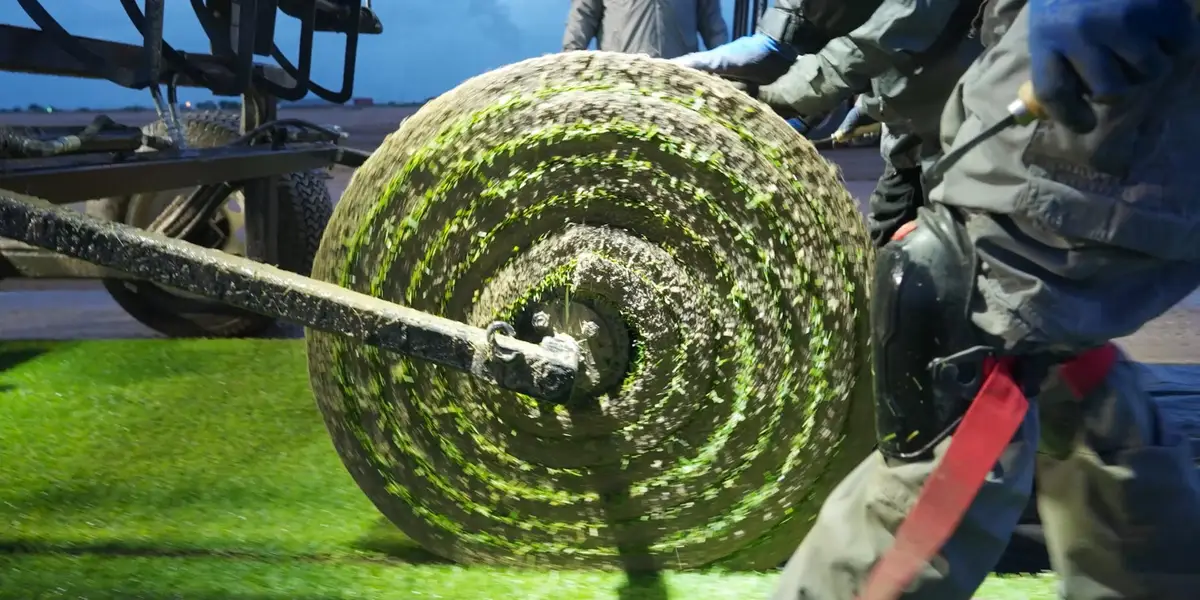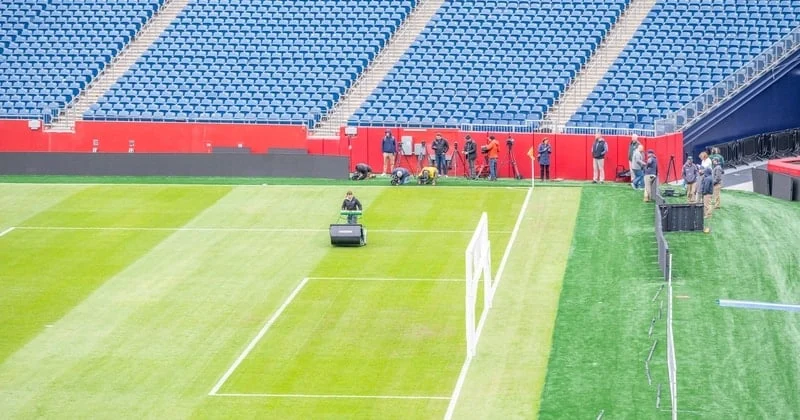
FIFA is spending $3.8 billion to make sure every blade of grass at the 2026 World Cup meets its standards. The governing body is converting all 16 host stadiums across the US, Canada, and Mexico to hybrid natural grass surfaces, a project that has quietly become one of the most expensive turf operations in sports history.
Eight of those stadiums currently use artificial turf, primarily because they double as NFL venues.
Eight years of growing grass like it’s a space program
Research into the appropriate grass types for the tournament has spanned more than eight years, involving turf scientists from Michigan State University and the University of Tennessee. The goal: engineer playing surfaces that behave identically whether the match is in Dallas or Vancouver.
Two primary grass blends are being cultivated for the tournament. Bermuda grass will be used in warmer climates, where it thrives under heat and direct sunlight. For indoor venues, the mix shifts to Kentucky bluegrass and perennial ryegrass, blended at a ratio of roughly 84% and 16% respectively. The combination is designed to handle the lower light levels and controlled environments inside domed stadiums.