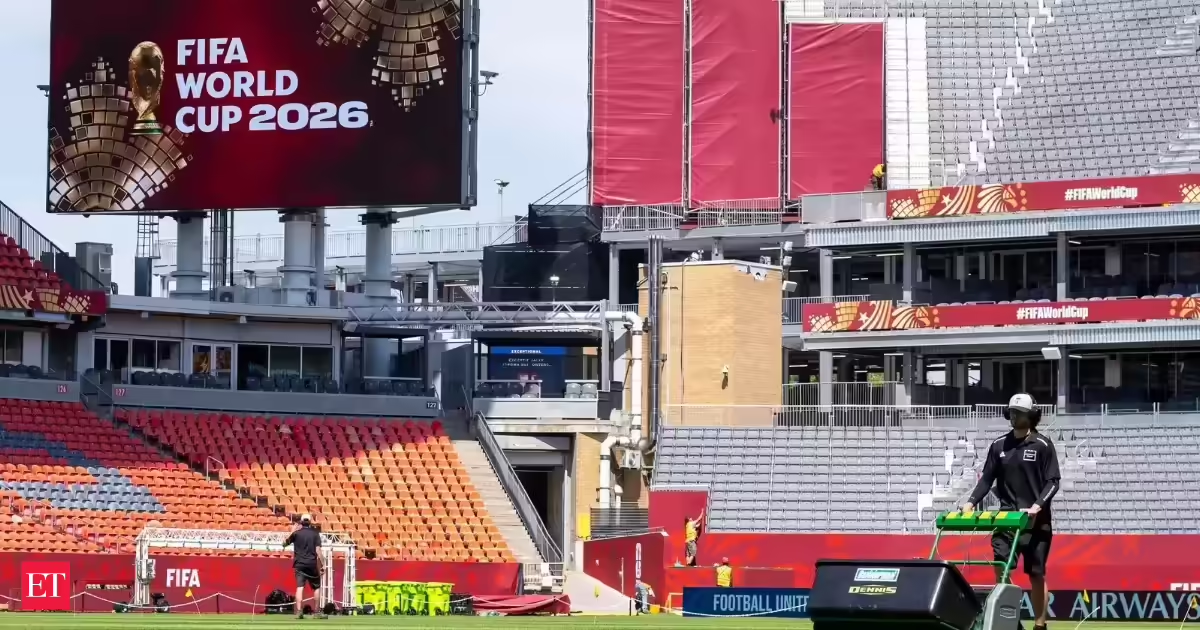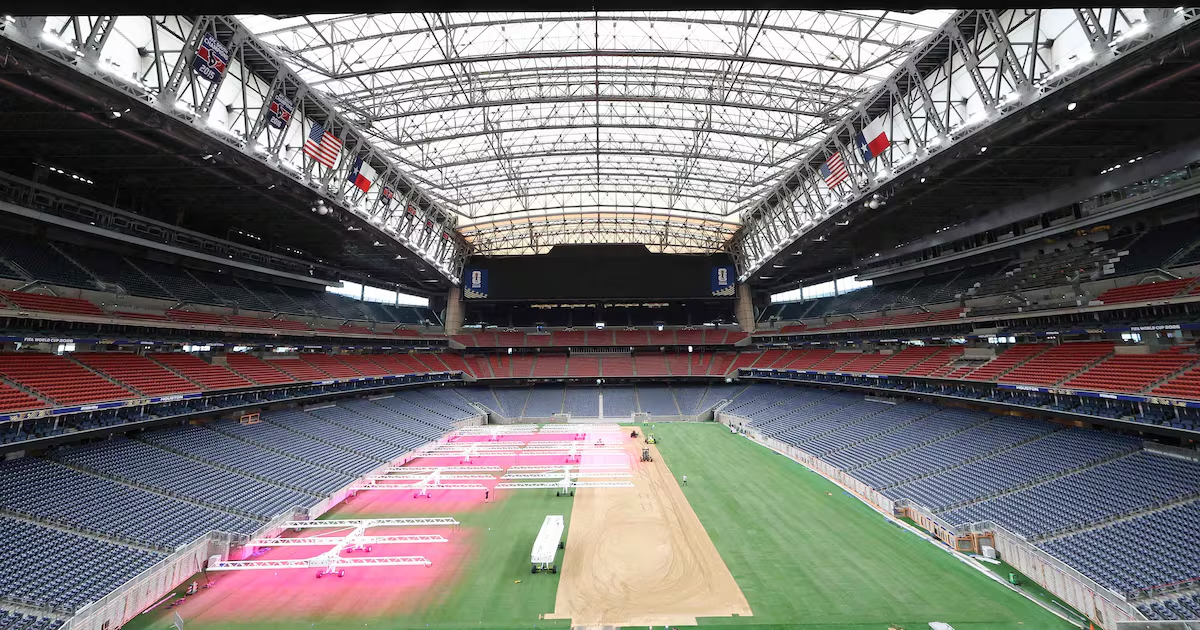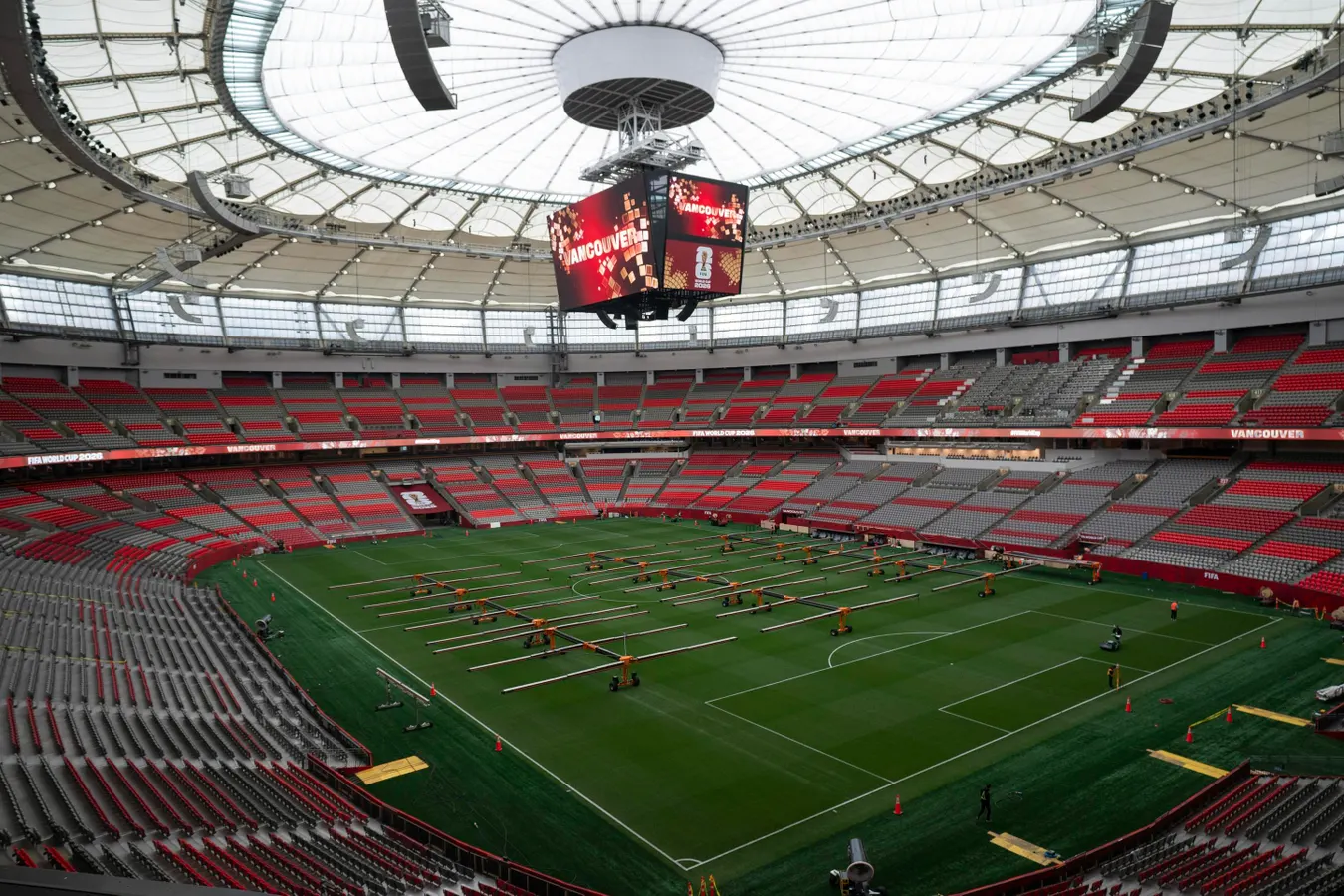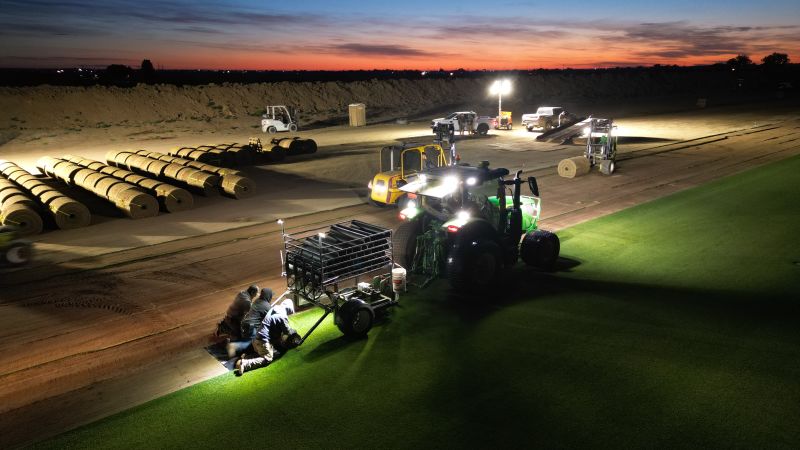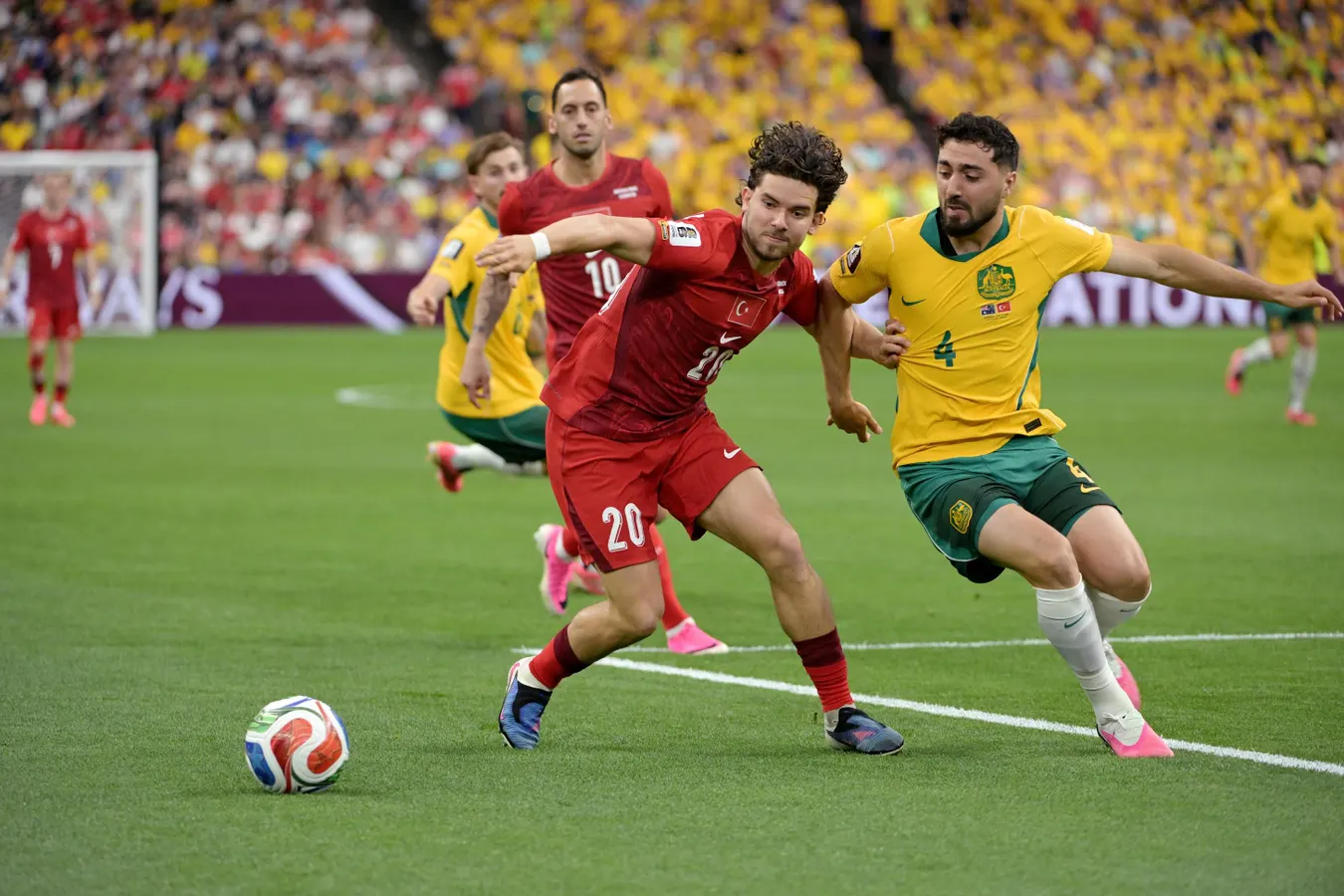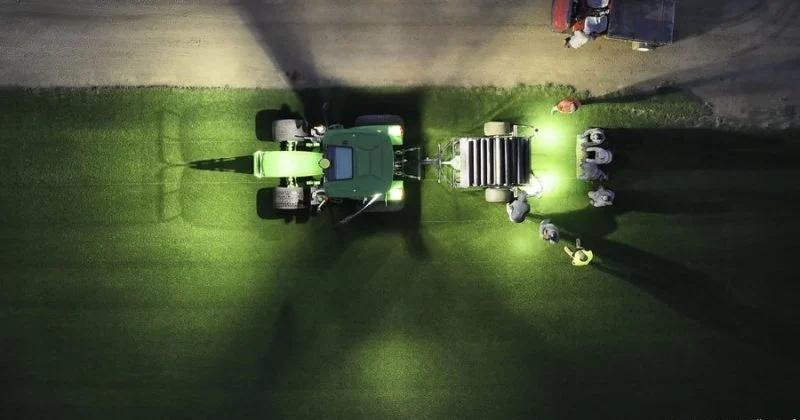
FIFA has a grass problem. Not the existential kind, the literal kind. The 2026 World Cup will be played across 16 stadiums in North America, and every single one of them needs natural grass. Eight of those venues typically use artificial turf. So scientists are now racing to figure out how to grow, transport, and maintain real grass in stadiums that were never designed for it.
The headline number floating around, $4 billion, is misleading. FIFA’s total financial commitment to the entire 2026 World Cup is reportedly $3.8B. That covers everything from broadcasting rights to stadium operations to logistics for 104 matches across three countries. The grass initiative itself, while genuinely expensive and technically complex, carries a price tag measured in millions.
Growing grass where grass doesn’t want to grow
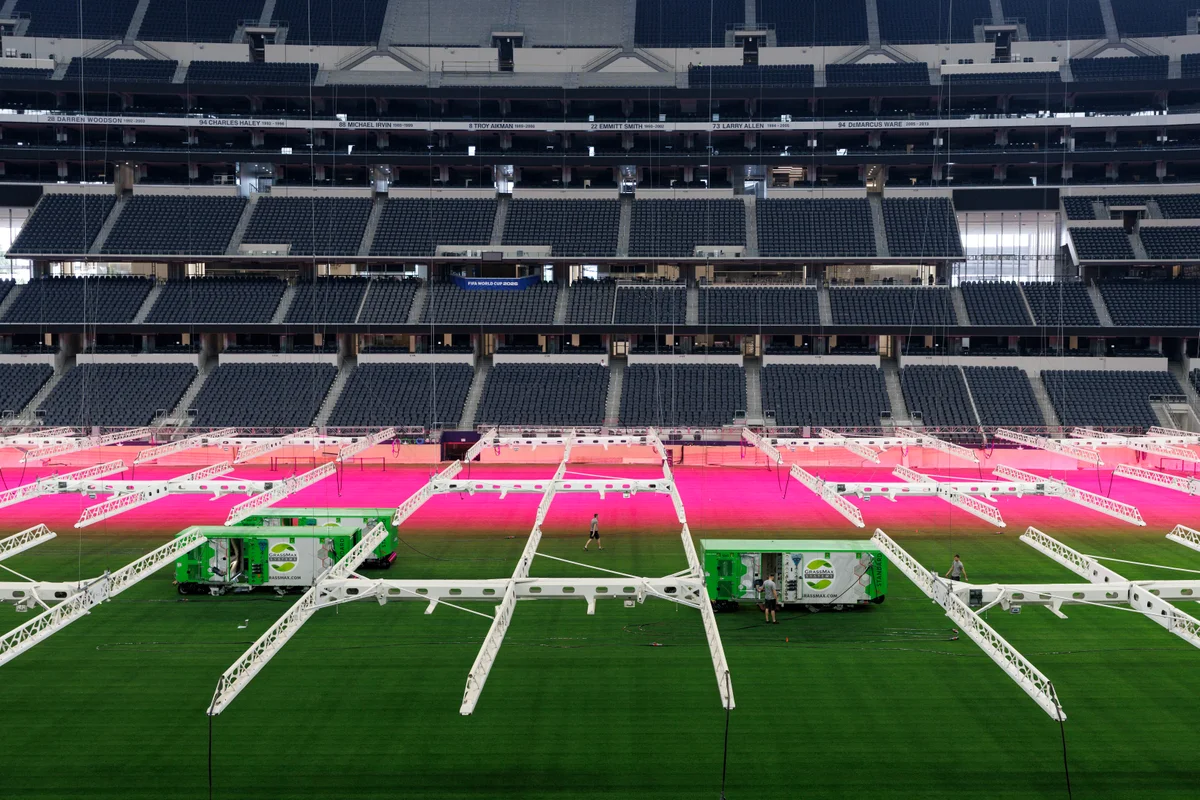
FIFA doesn’t negotiate on natural turf: it is mandatory for World Cup matches. That requirement becomes a serious engineering challenge when half your venues were built for American football and have synthetic surfaces, retractable roofs, or fully enclosed domes.
John Sorochan, a turfgrass scientist from the University of Tennessee, is overseeing the grass growth and maintenance efforts. His team, alongside researchers from Michigan State University, has spent several years developing turfgrass varieties capable of thriving in wildly different climates. Think about the range here: Miami’s swampy humidity, Toronto’s cooler temperatures, and the thin air of venues near Denver. Each stadium essentially needs a custom grass solution.