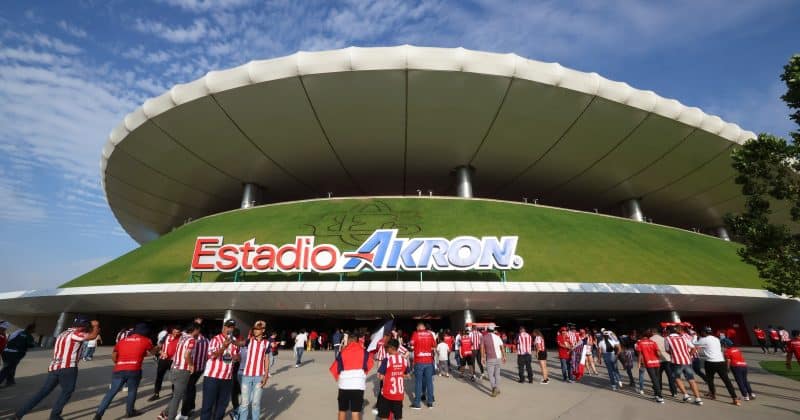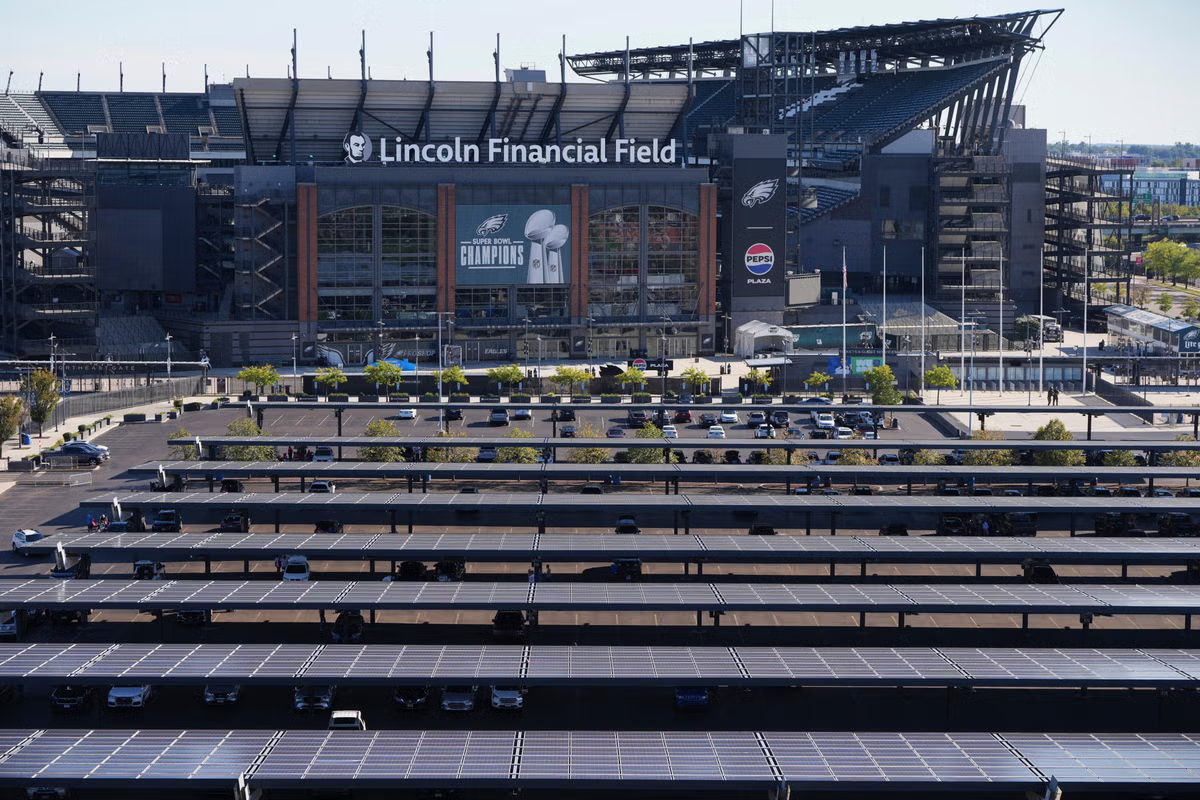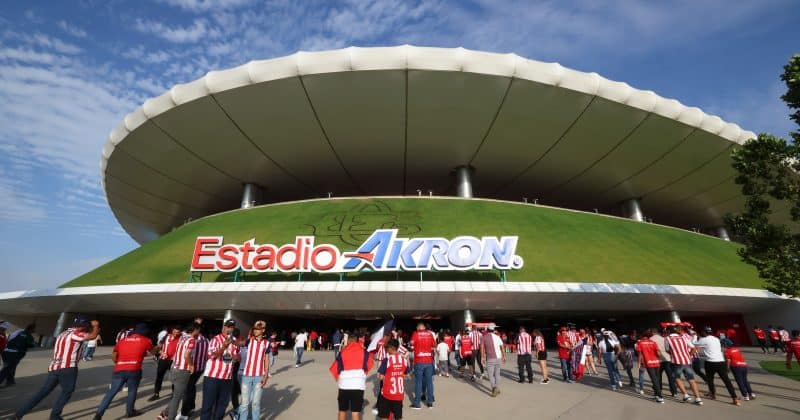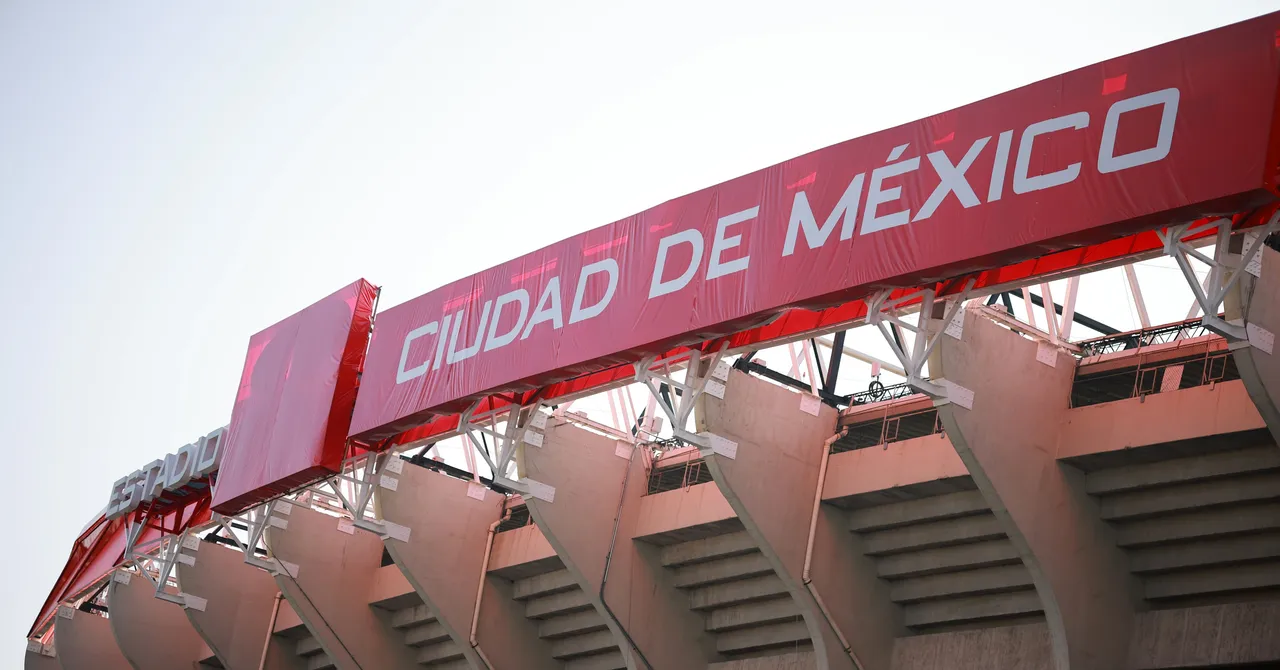
Because of their scale, soccer stadiums require a fair amount of energy and water. A single match activates all their systems at the same time: field irrigation, toilets, lighting, ventilation, and services for tens of thousands of people. In that time, they also generate large volumes of waste, mainly plastics and food trash.For the 2026 World Cup, the first to be held in three countries in 16 different stadiums, FIFA maintained the requirement that the venues must have LEED environmental certifications, which measure performance in water, energy, and waste management. To get those certifications, several Mexican stadiums needed updates.For a stadium like Azteca in Mexico City, which opened in 1966, this involved major transformations costing tens of millions of dollars. The BBVA stadium in Monterrey and the Akron stadium in Guadalajara, having been built in the last 15 years, were conceived under more modern parameters and already met some requirements.According to Rebeca Ortiz, business development leader of the GBCI in Mexico, which handles LEED certifications, “the aim is for sports venues, which are platforms of global visibility, to have a more positive impact on the communities where they are located.”BBVA Stadium in Monterrey, Mexico.
How Mexican World Cup Stadiums Achieved FIFA’s Environmental Certifications
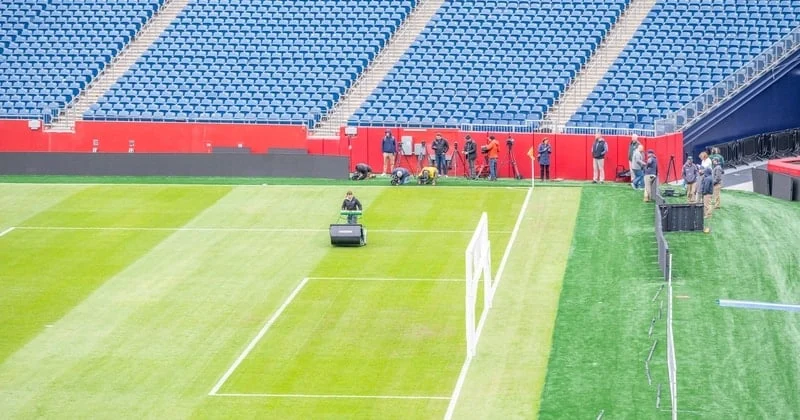
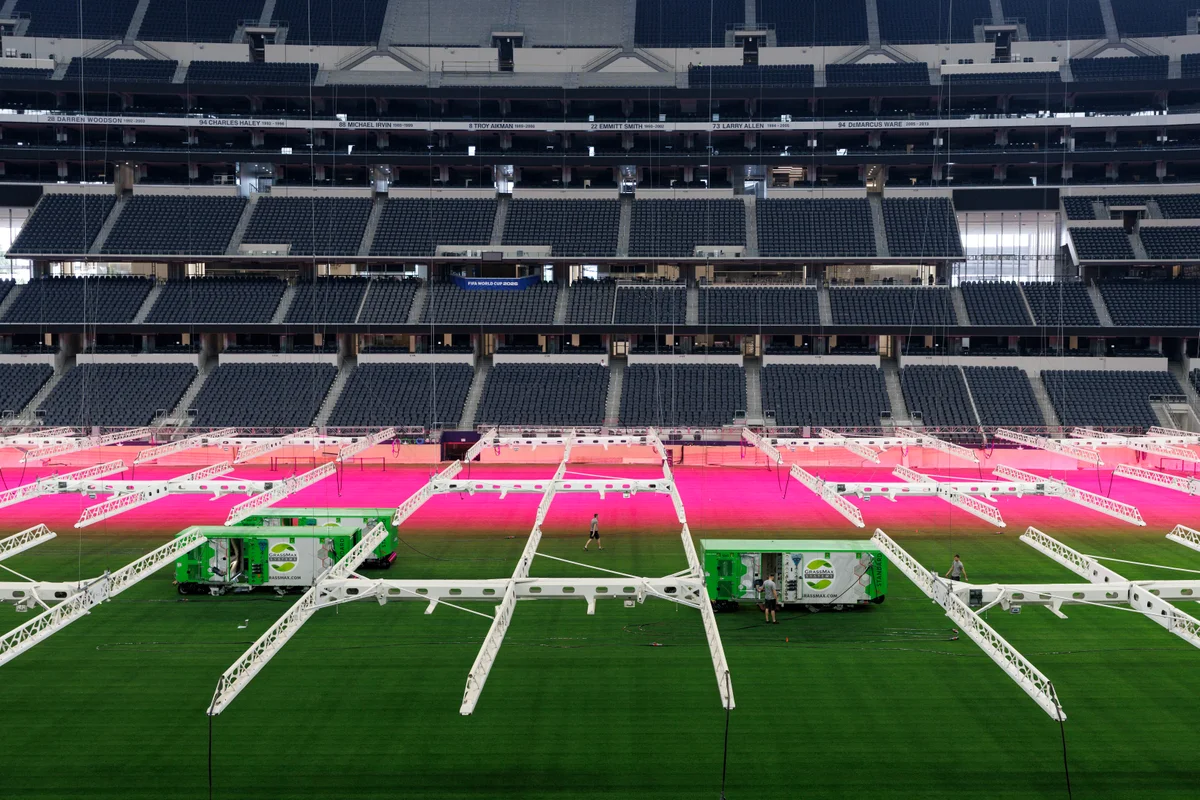
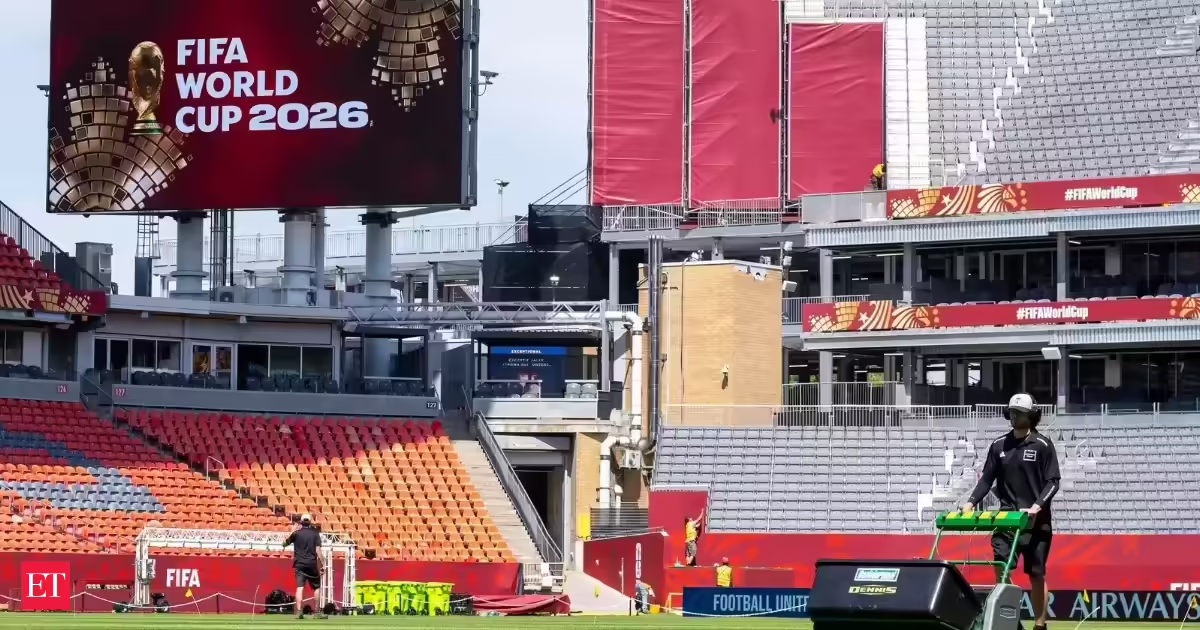
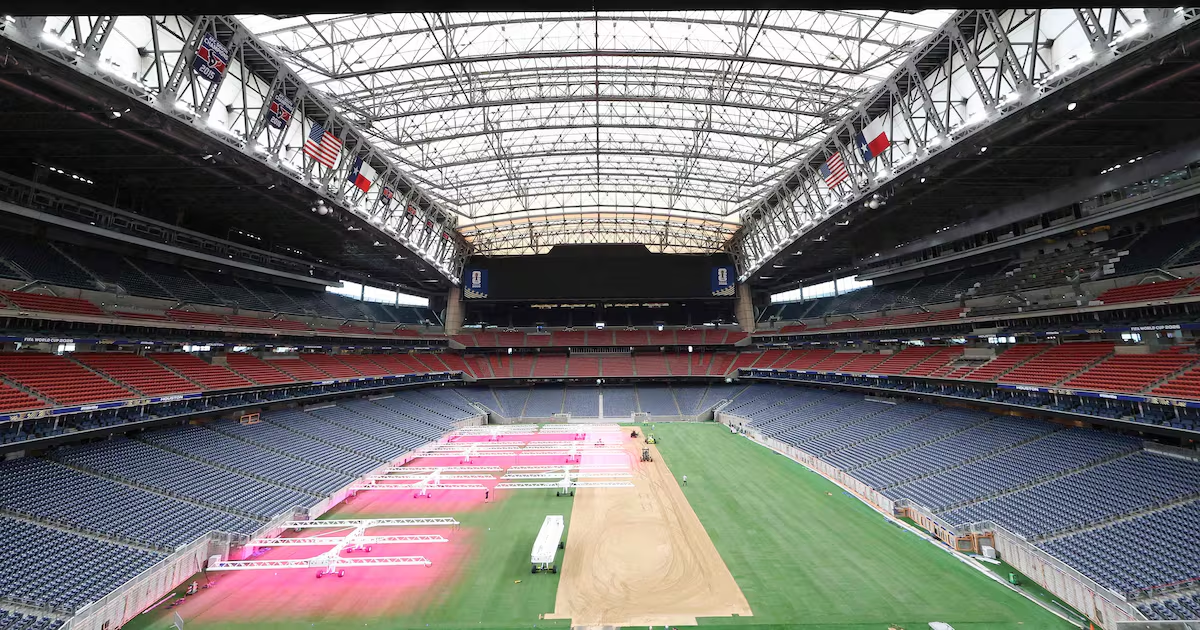
Venues hosting the 2026 World Cup must meet high standards to obtain environmental certifications, but FIFA also requires that they use natural grass, which is water-intensive to maintain.
1,396 words~6 min read