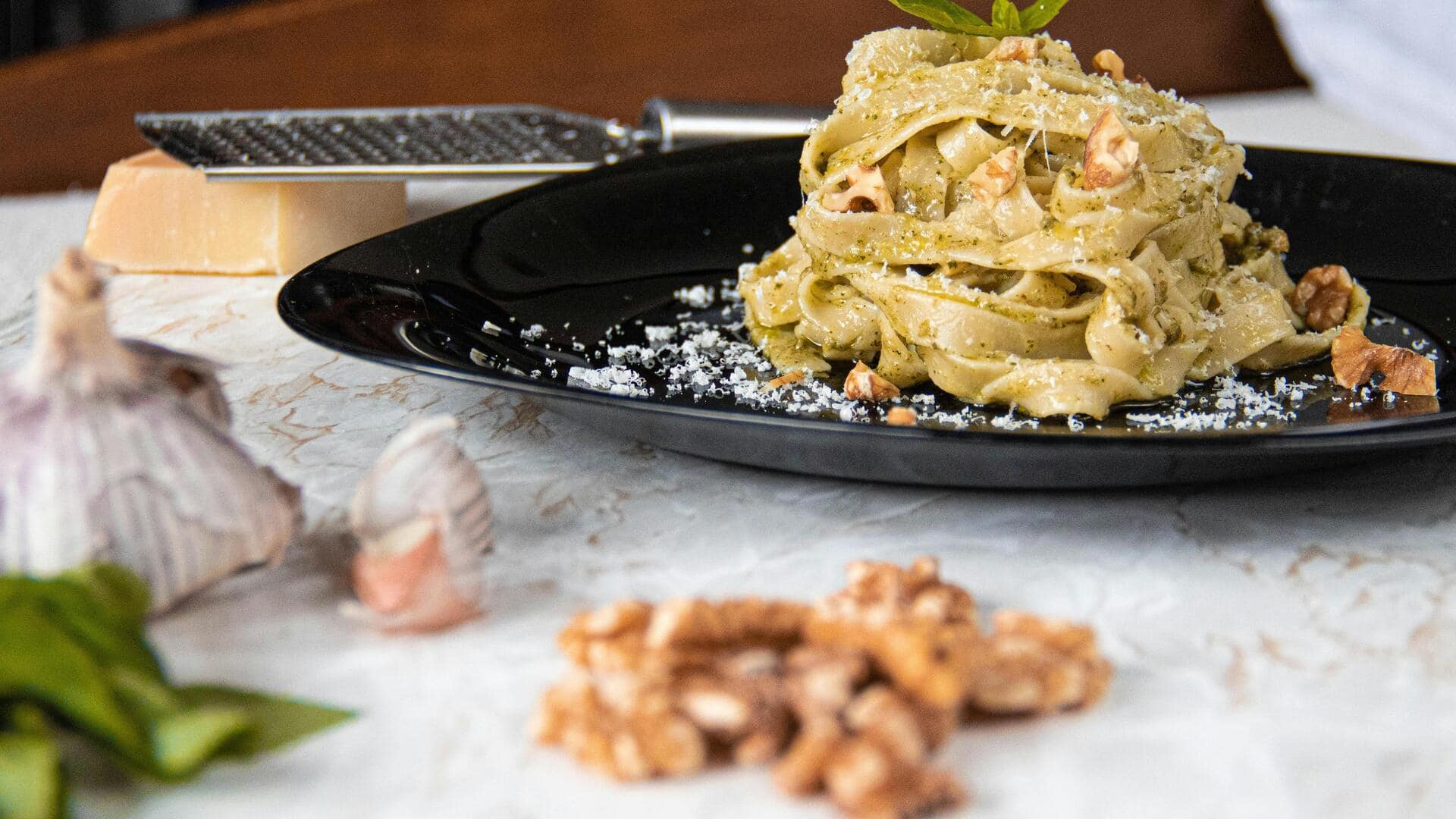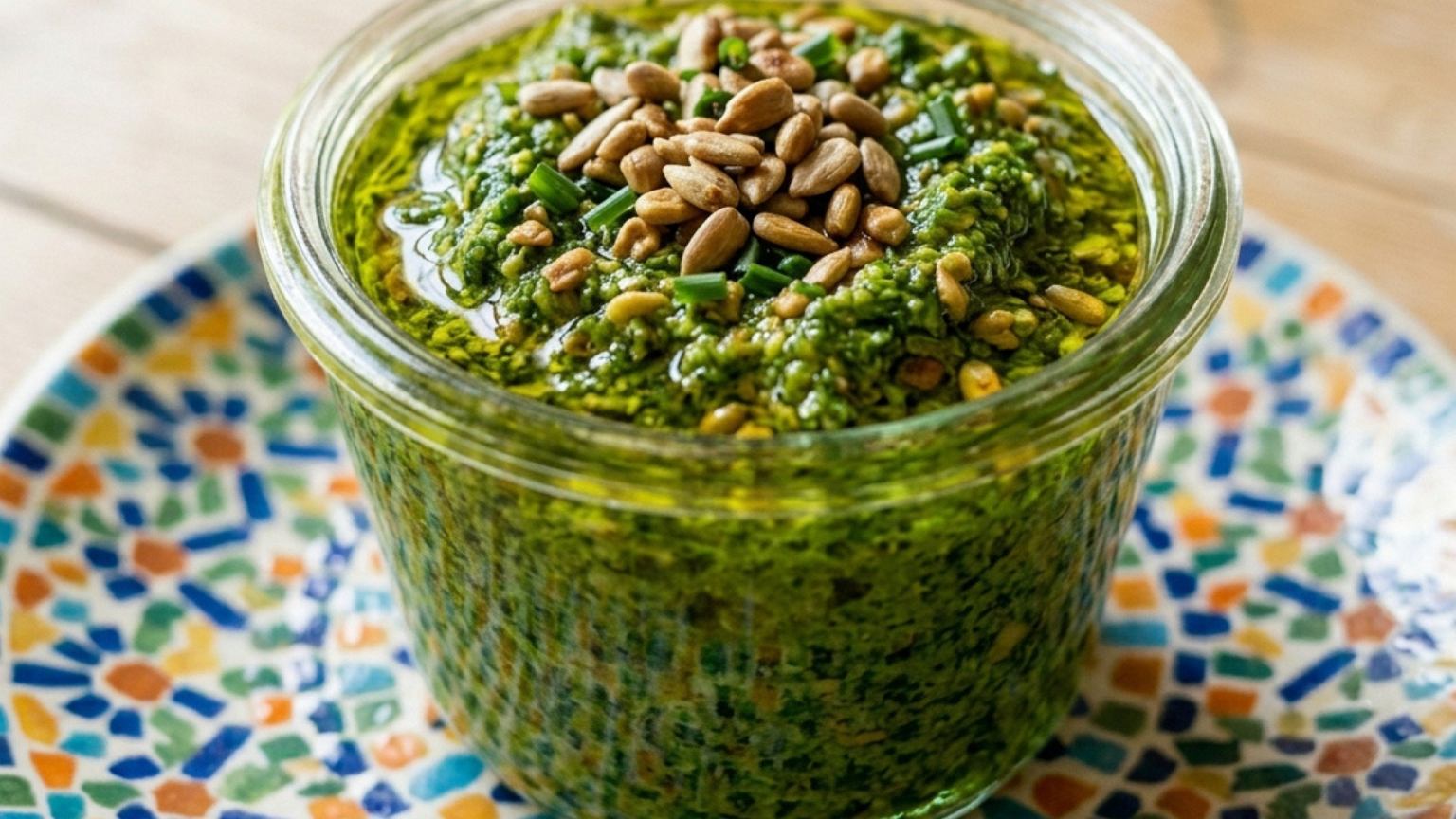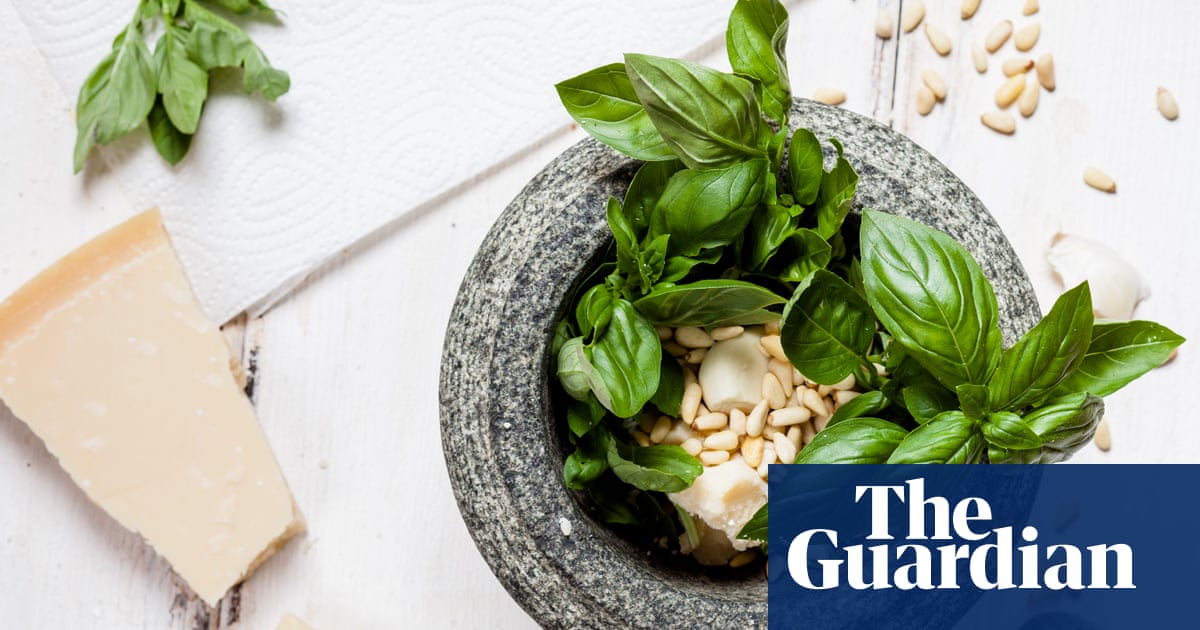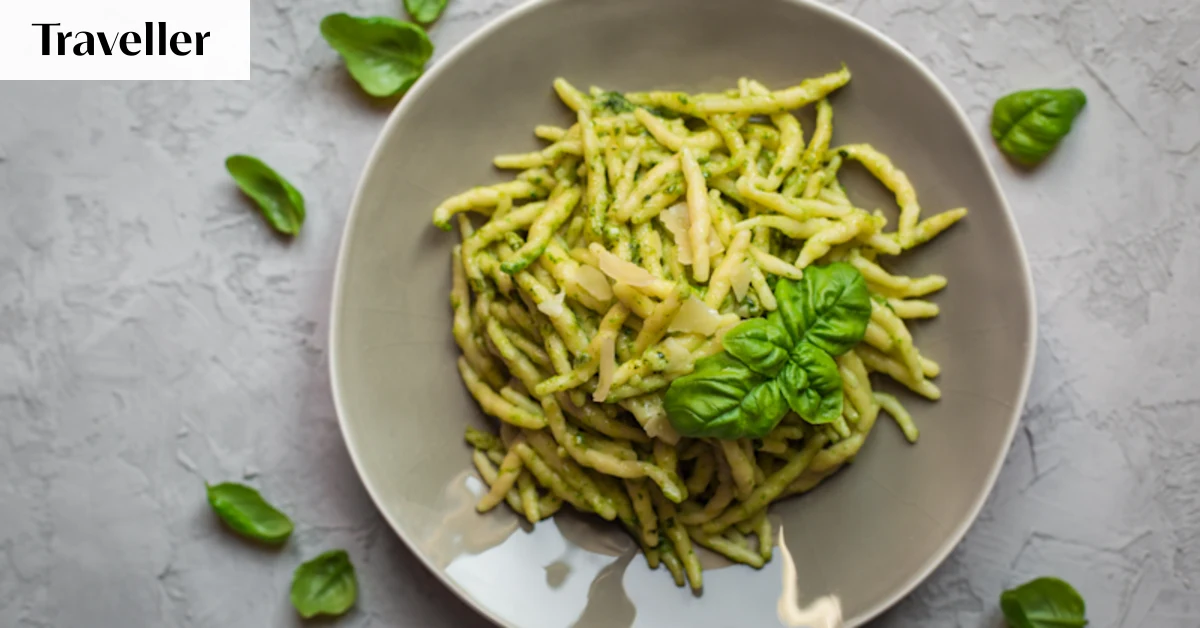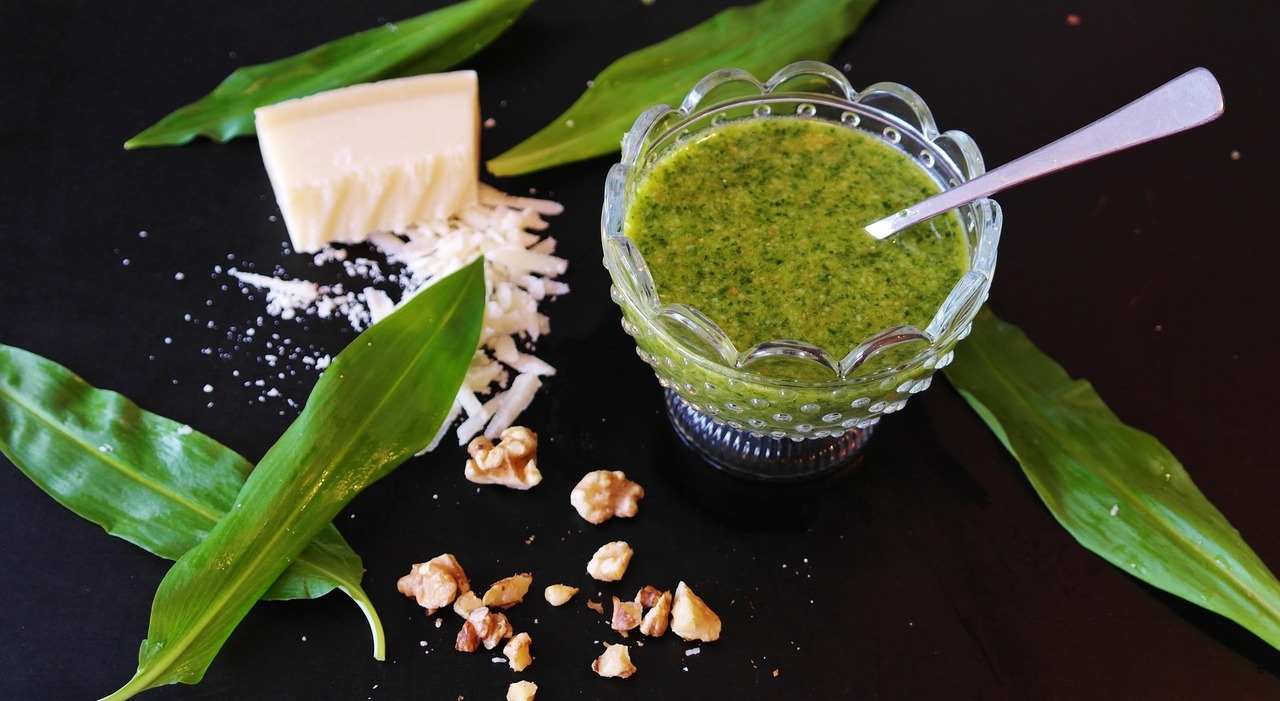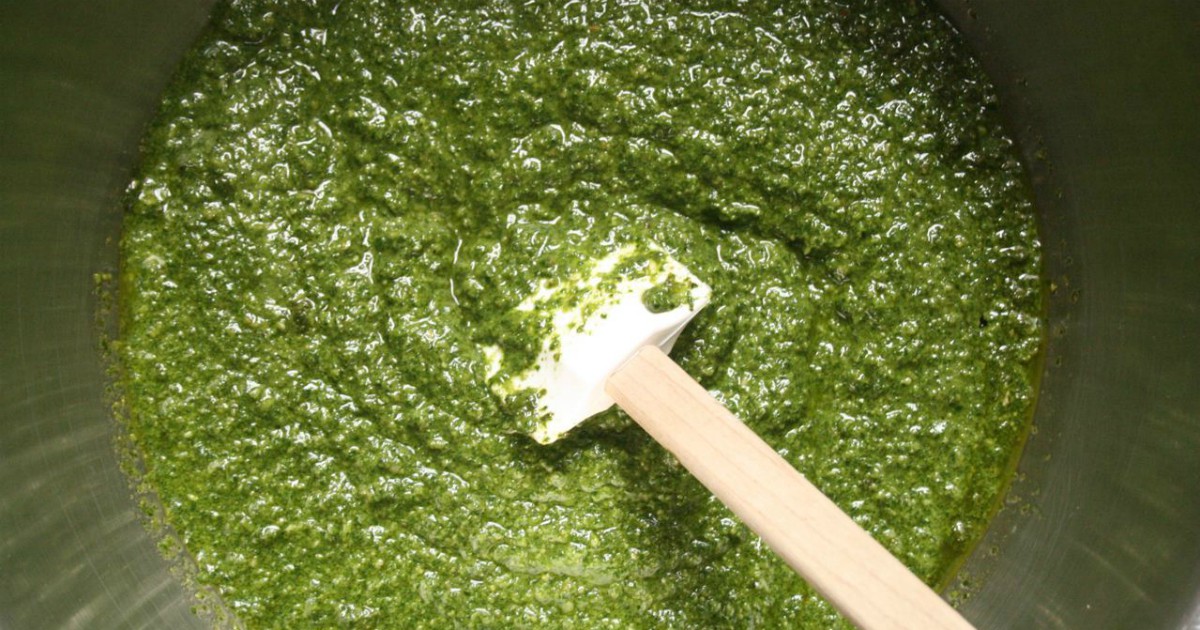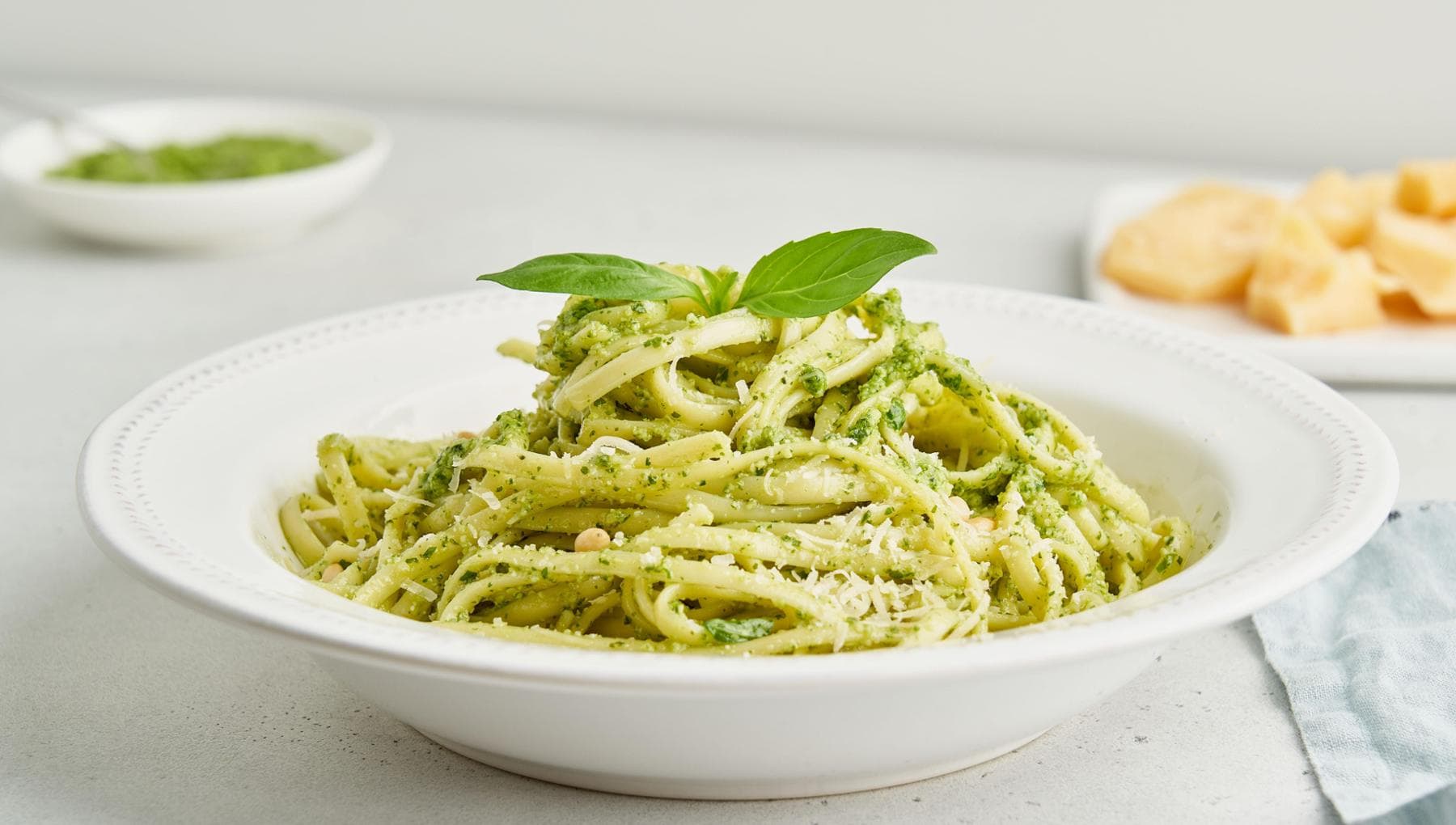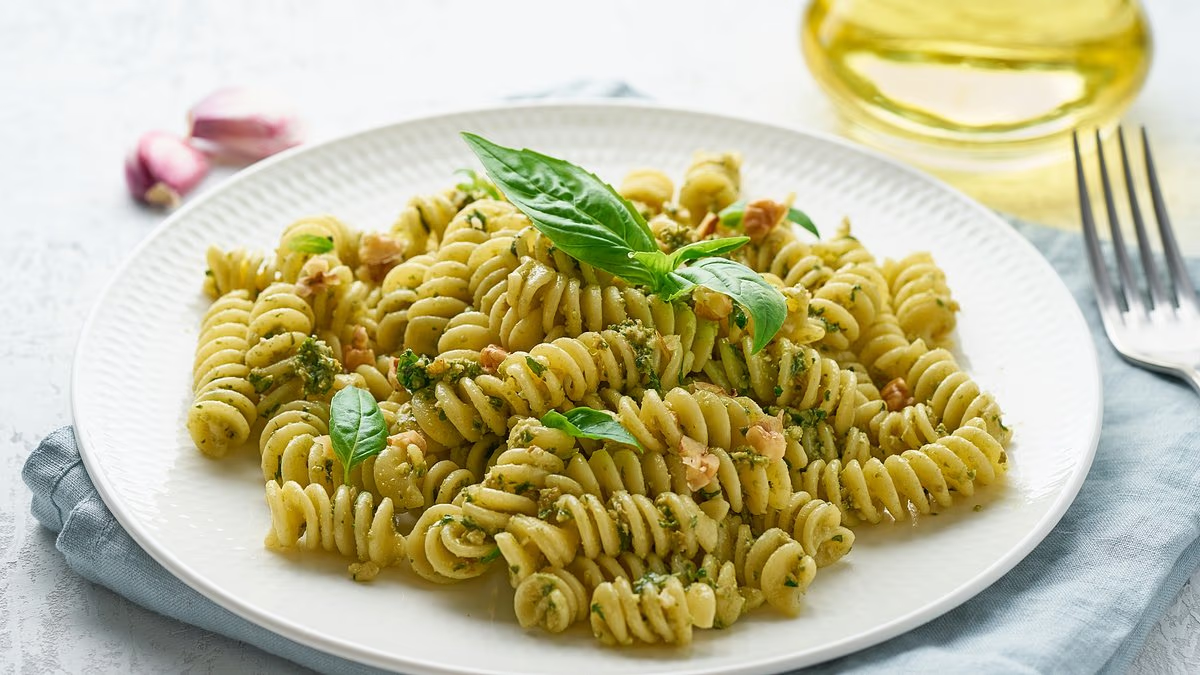
Made from little more than olive oil, basil, hard cheese and pine nuts, pesto is truly greater than the sum of its parts.An Italian staple from the northern city of Genoa, pesto is traditionally enjoyed on sturdy pasta shapes that can hold up against its aromatic heft, as an indulgent topping drizzled atop of a bowl of steaming minestrone soup, or served spread thinly on bread. However, just as pizza found itself adorned with pineapple once it left 'The Boot', pesto has also enjoyed - or suffered, according to some Italian culinary purists - a metamorphosis since it became internationally popular. First, it was simply 'red pesto' - made with sundried tomatoes rather than basil - jostling for attention with its traditional green counterpart, but now a glance down the supermarket aisles reveals jars of pesto made with walnuts, kale, aubergine, cashews, rocket, ricotta and even mushrooms. The thing that every variety has in common is that they are as high in calories and fat as they are in flavour - and when you're eating a few spoonfuls stirred into a big serving of carbohydrate-heavy pasta with some cheese sprinkled on top, the calories add up, fast. Registered dietician Nichola Ludlam-Raine tells the Daily Mail: 'Traditional pesto is packed with olive oil and pine nuts, both of which provide healthy unsaturated fats, but they are still calorie-rich, meaning it's very easy to consume several hundred calories without realising'Pesto is one of those foods that often has a healthy halo because it's made from ingredients like basil, olive oil and nuts. And while it can be part of a healthy diet, it's also very energy-dense. 'When pesto is then paired with a large portion of pasta, the calories can add up quickly.' Pesto is made from basil, hard cheese, olive oil and pine nuts
The healthiest supermarket pestos picked out by a nutritionist
Made from little more than olive oil, basil, hard cheese and pine nuts, pesto is truly greater than the sum of its parts.
1,497 words~7 min read