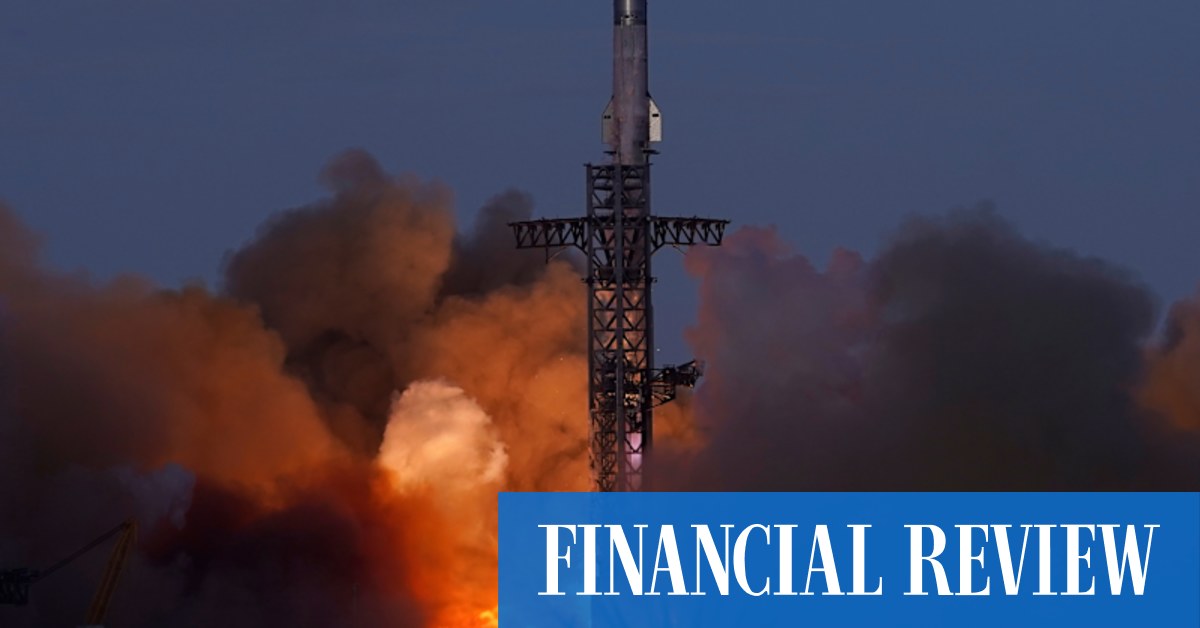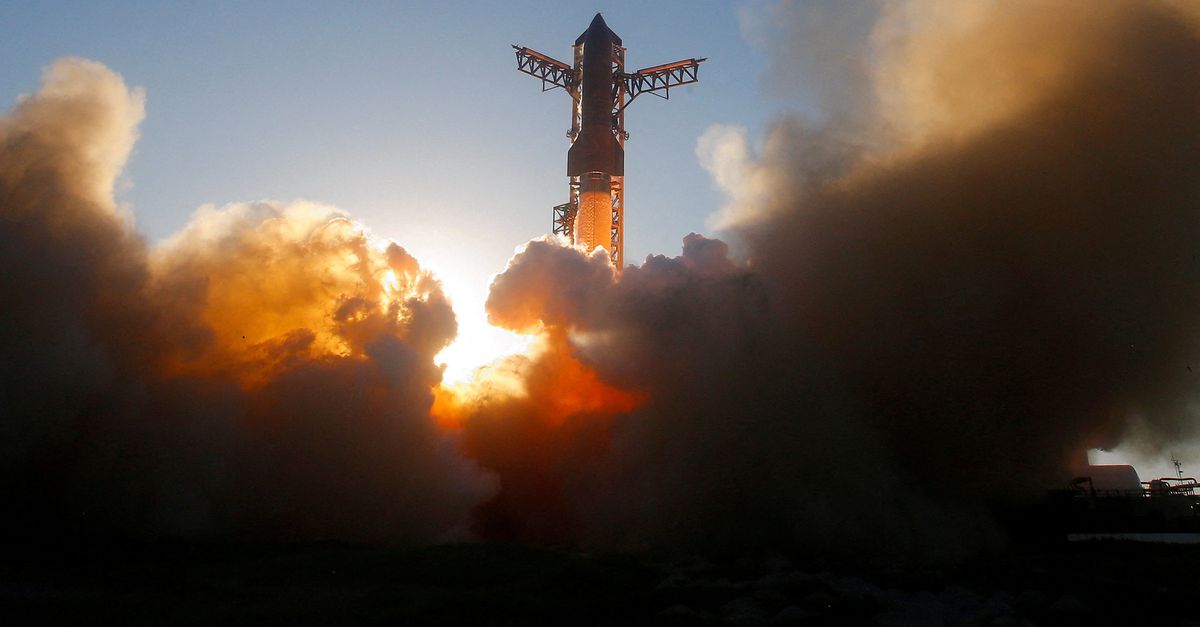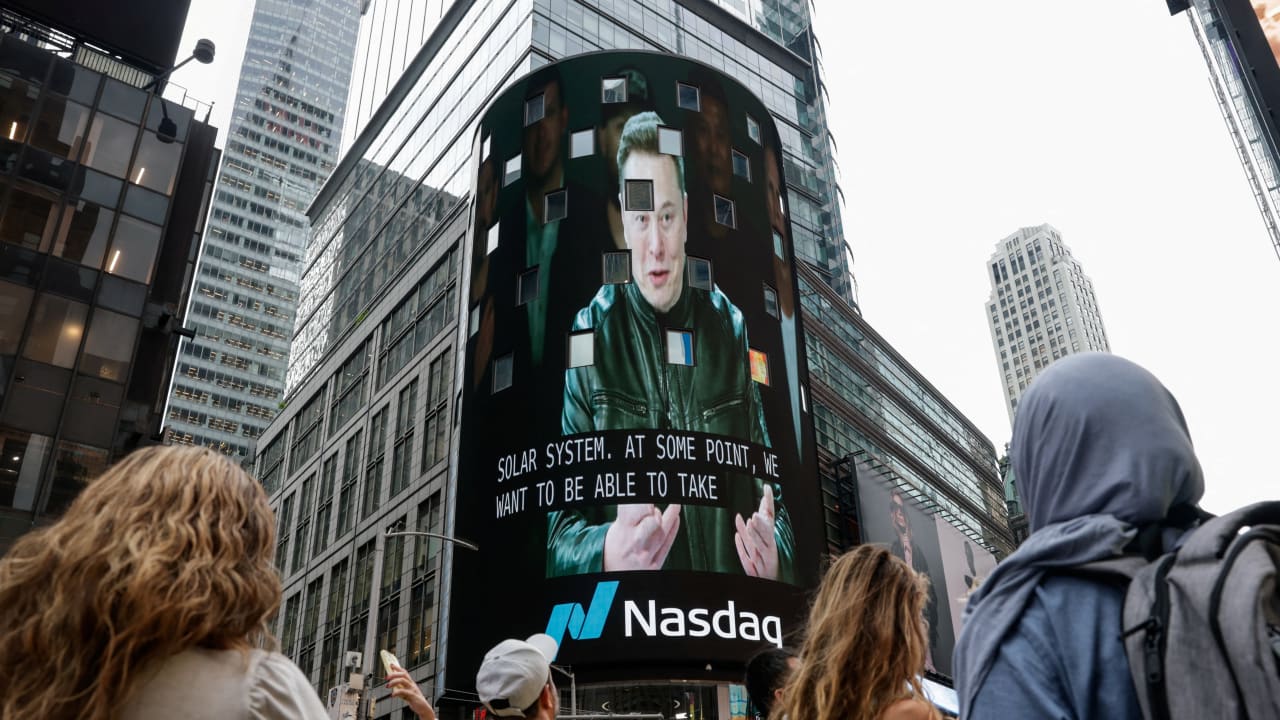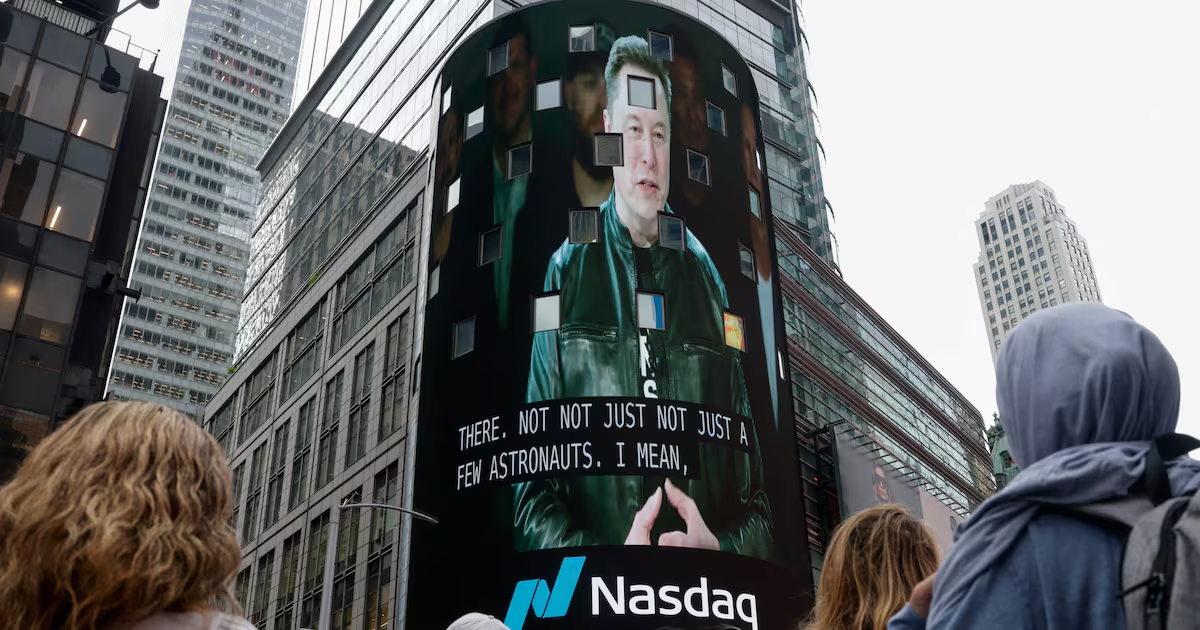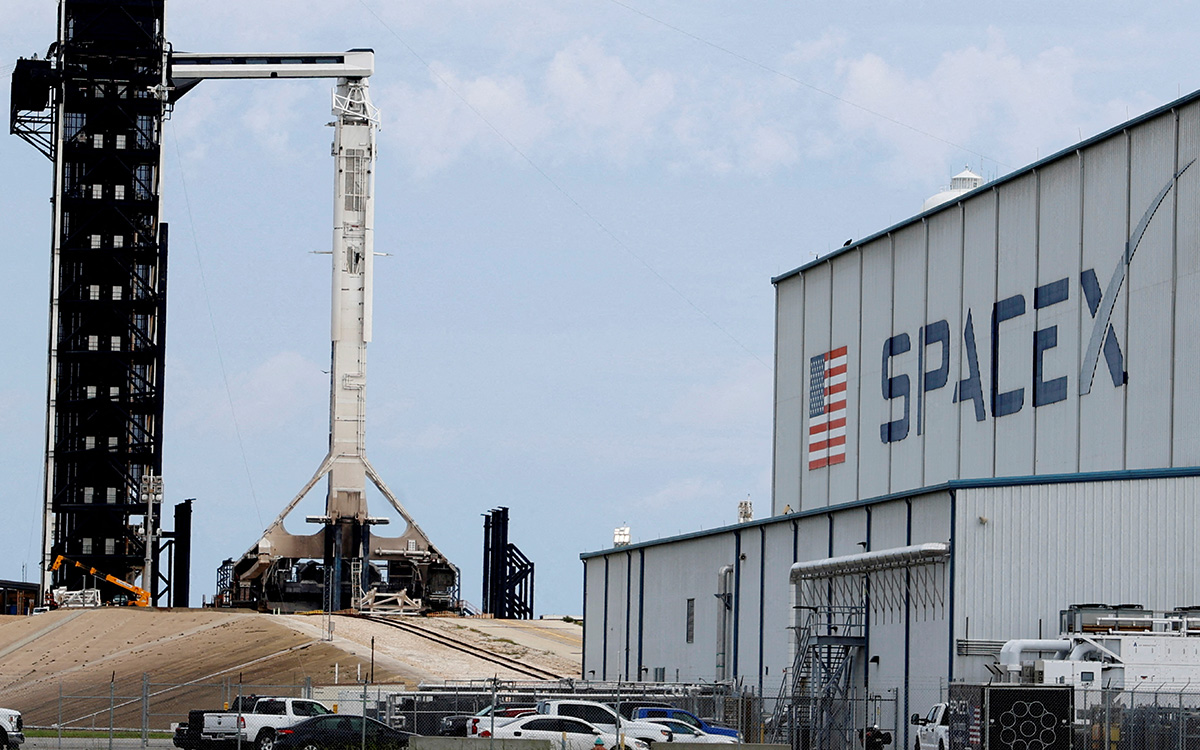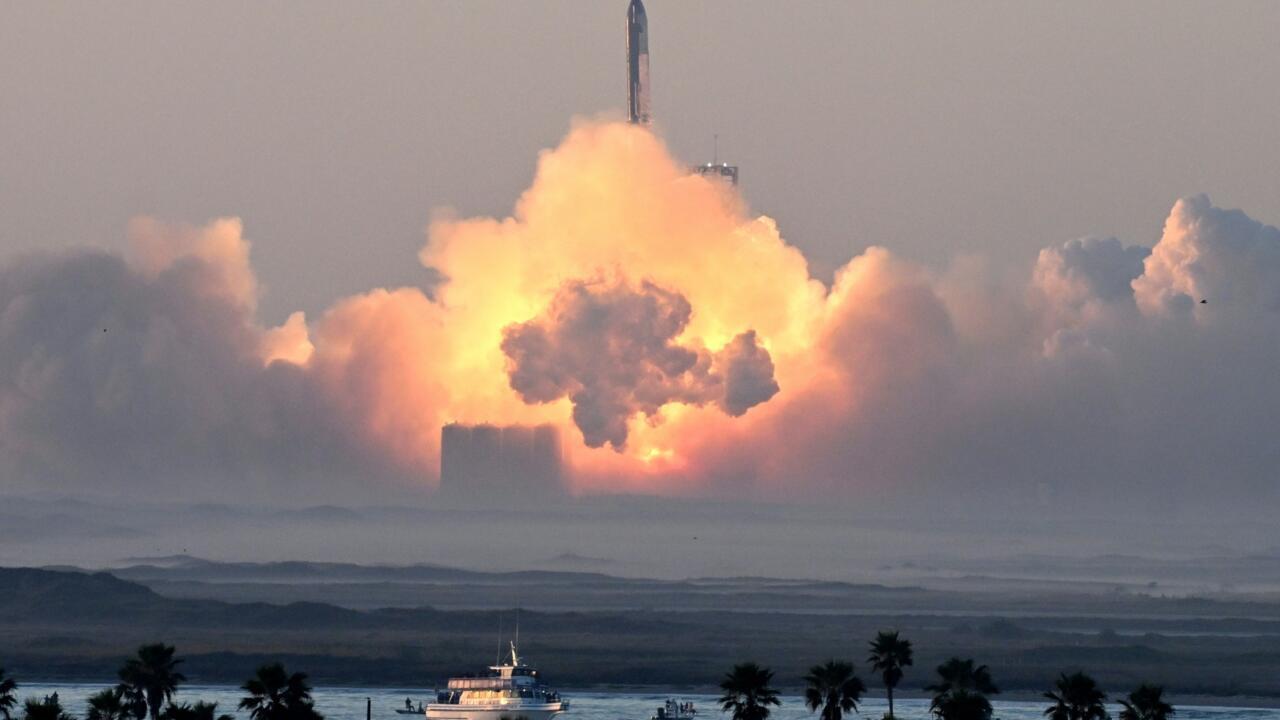
But as SpaceX makes its record-breaking public market debut, some experts express doubts it can reach its lofty goals, especially on its planned timeline."We achieve what others think is really the impossible, and we make that possible," CFO Bret Johnsen said in a recent video.Indeed, the company's development of a partially reusable rocket -- which has allowed it to conduct more launches than all other providers combined -- was once thought unattainable."SpaceX has accomplished a great deal, that's quite real," Robert Zubrin, an engineer and president of the Mars Society, told AFP."On the other hand, Musk frequently makes claims that are not real," he said, citing deadlines that are regularly pushed back.Fairytale timelinesWhile many experts believe they will see SpaceX send humans to Mars in their lifetime, the prospect of a mass inhabited colony will take much, much longer -- if ever."The simple answer is that I don't see this as realistic at all," said Christian Bach, head of the space transportation division at Germany's Technical University of Dresden and co-author of a critical analysis of Musk's Mars plans.He said that even just settling a handful of people on the Red Planet is unlikely this century due to unsolved technological and biological challenges.To make the roundtrip journey to Mars, which takes about three years, Musk and Spacex are counting on their newest rocket under development: Starship.However, perfecting launches with Starship will not be enough, warns Scott Hubbard, a former senior NASA official. Astronauts will also need new life-sustaining systems, such as oxygen and water recyclers."They like to portray it that they can do it on their own, they cannot," said Hubbard.He believes NASA -- which is planning future missions to explore Mars but not to colonize it -- will have to join the project for it to become a reality.
Science fiction? Musk's lofty SpaceX goals unrealistic, skeptics say
Elon Musk's SpaceX has made awe-inspiring achievements since its founding over two decades ago and has big ideas -- colonies on Mars, orbital AI data centers, rapidly reusable rockets -- for the future.
TL;DRAI
SpaceX's record IPO backs Mars colonization and orbital AI data centers, but experts question timelines: life-support and in-orbit refueling remain unsolved. Musk's unchallenged success poses risk—no one tells him he's wrong until it's too late.
634 words~3 min read