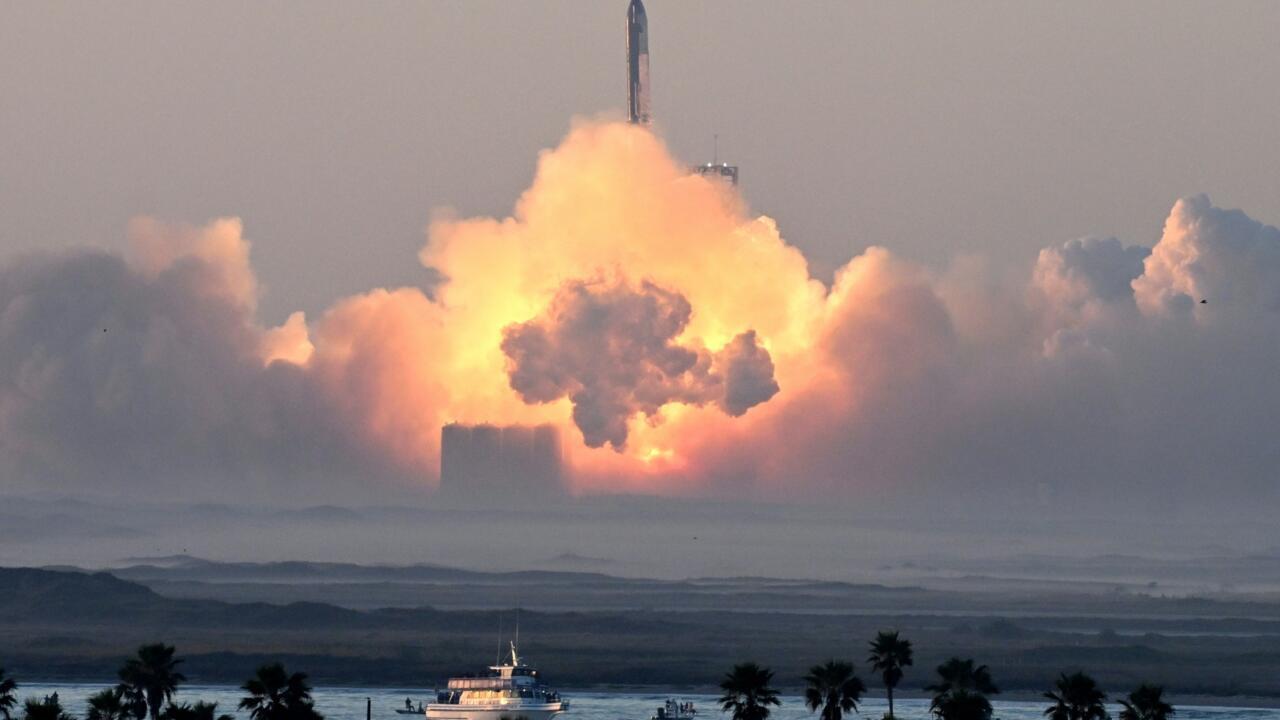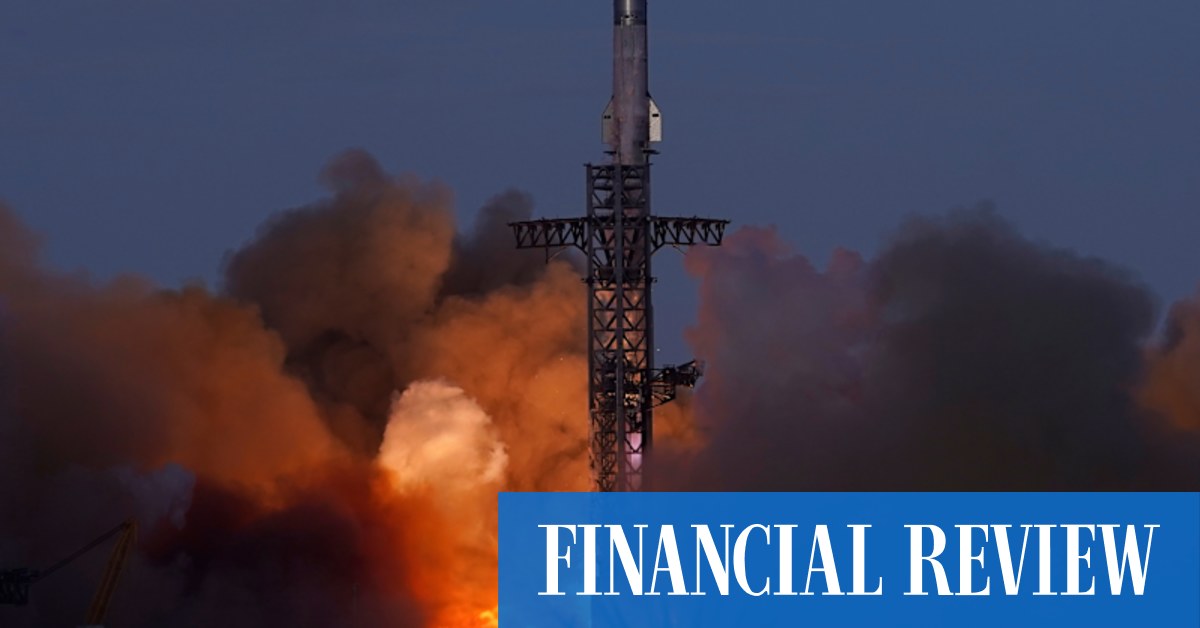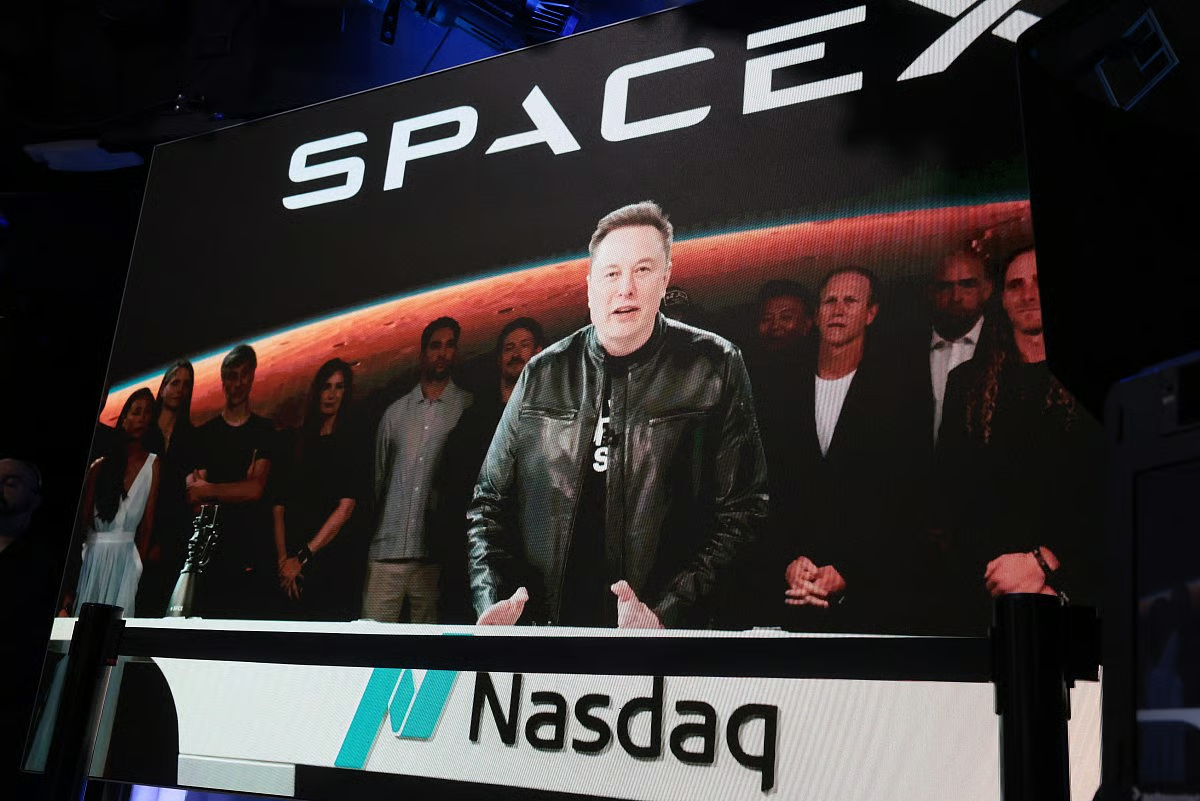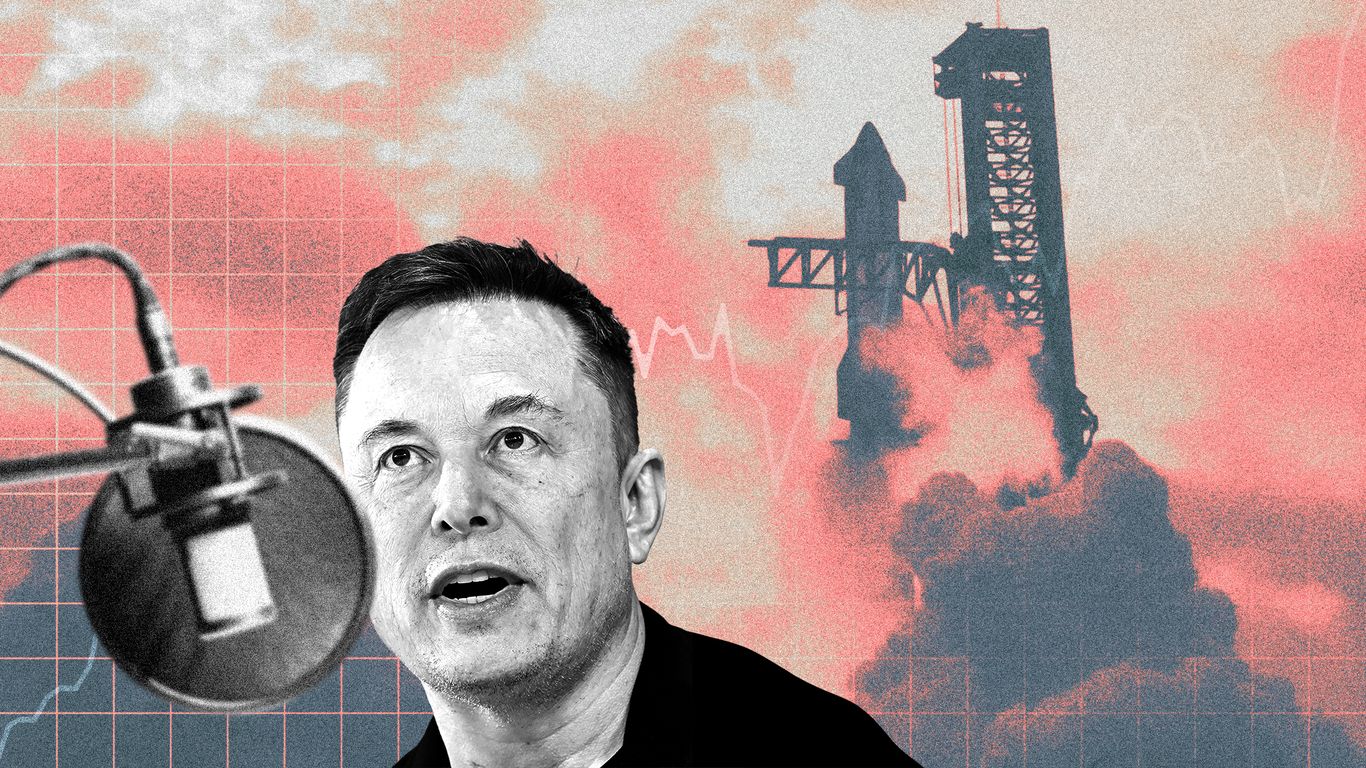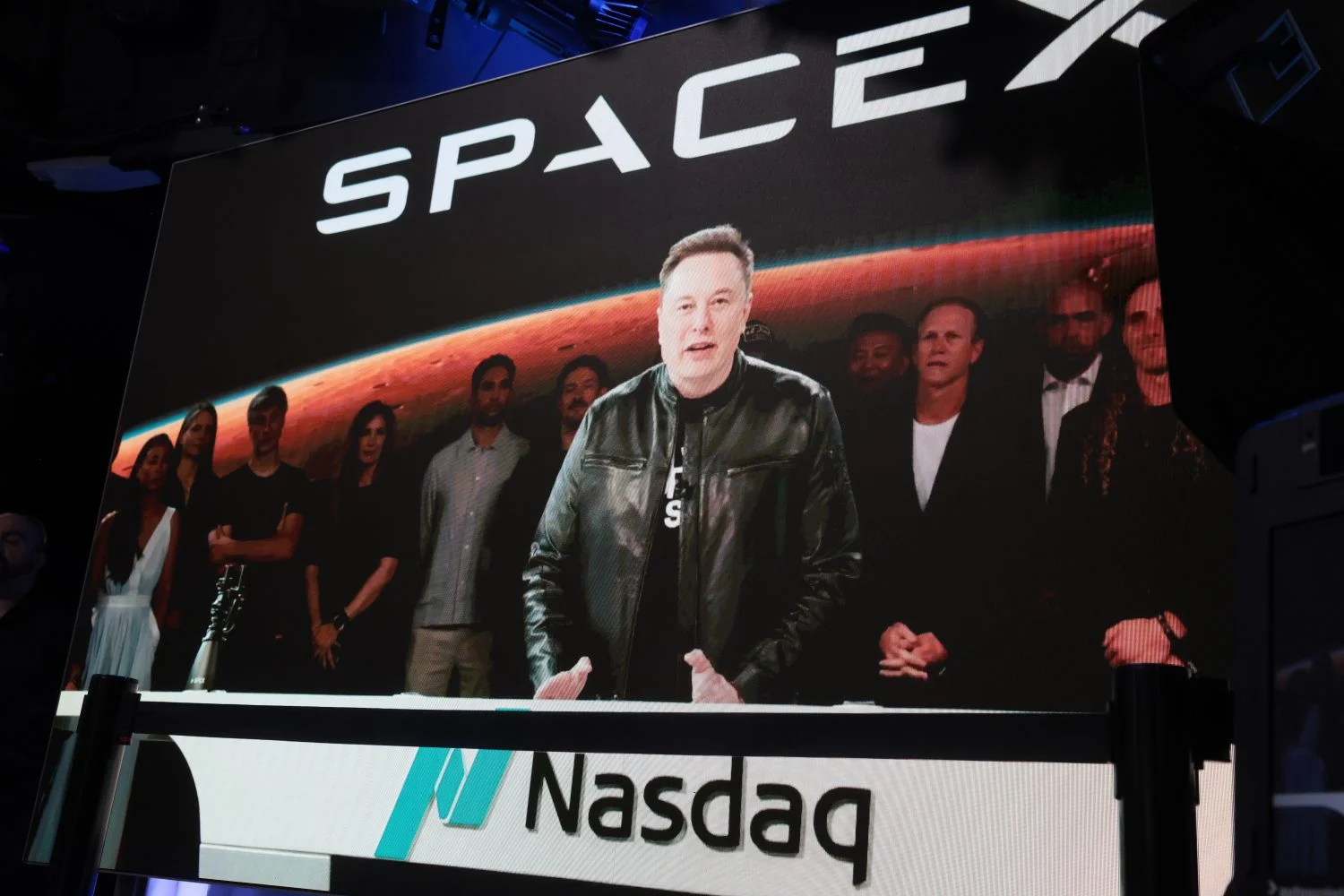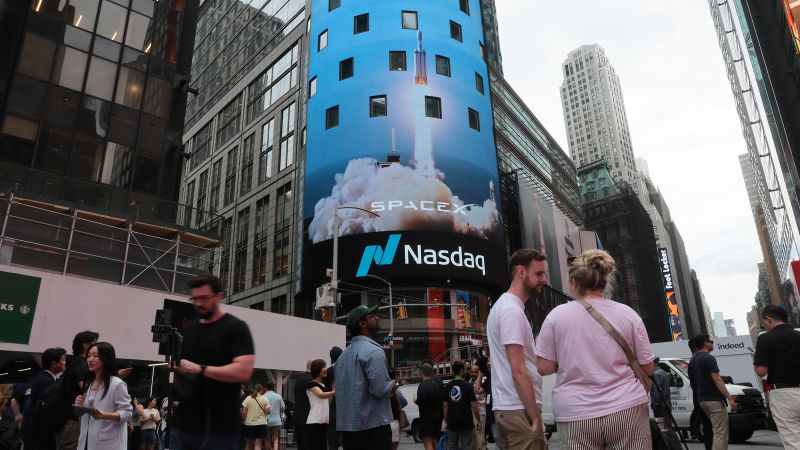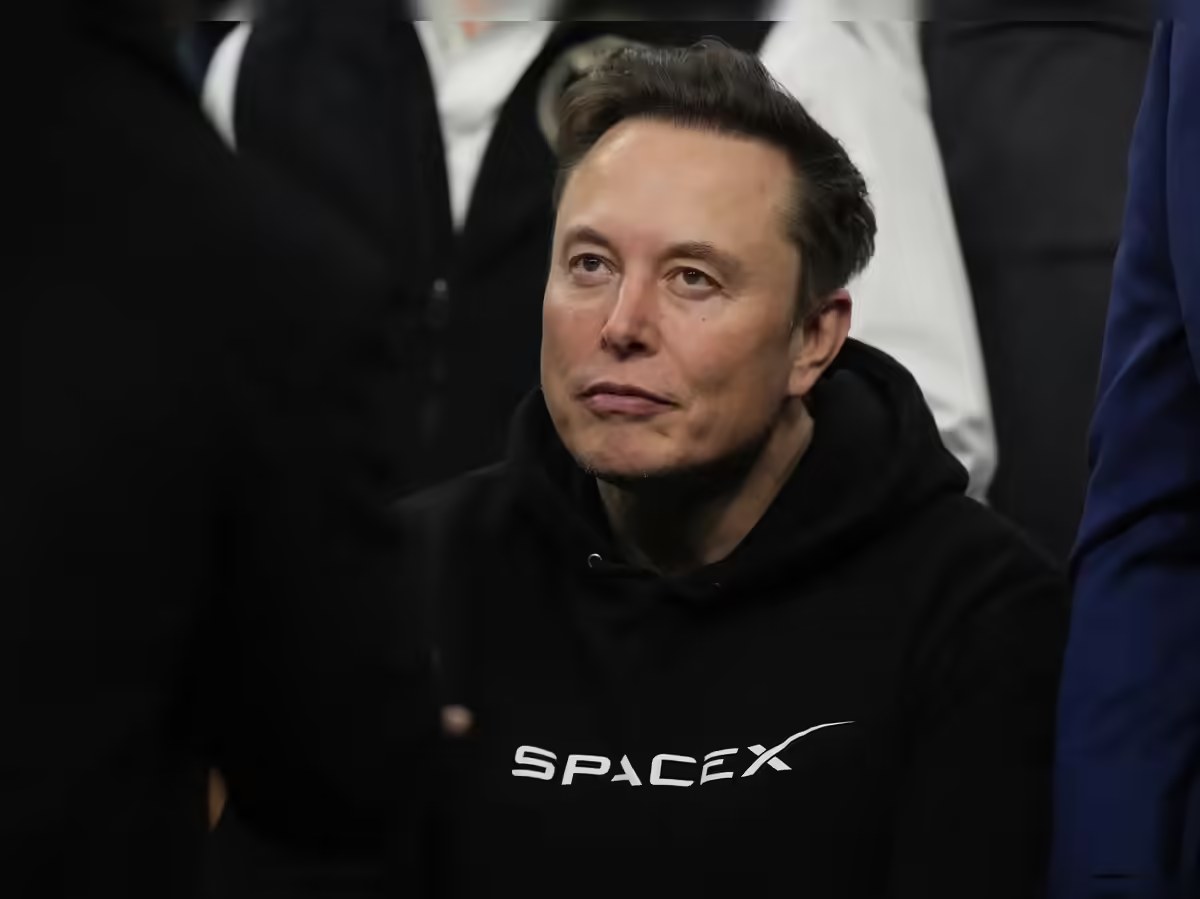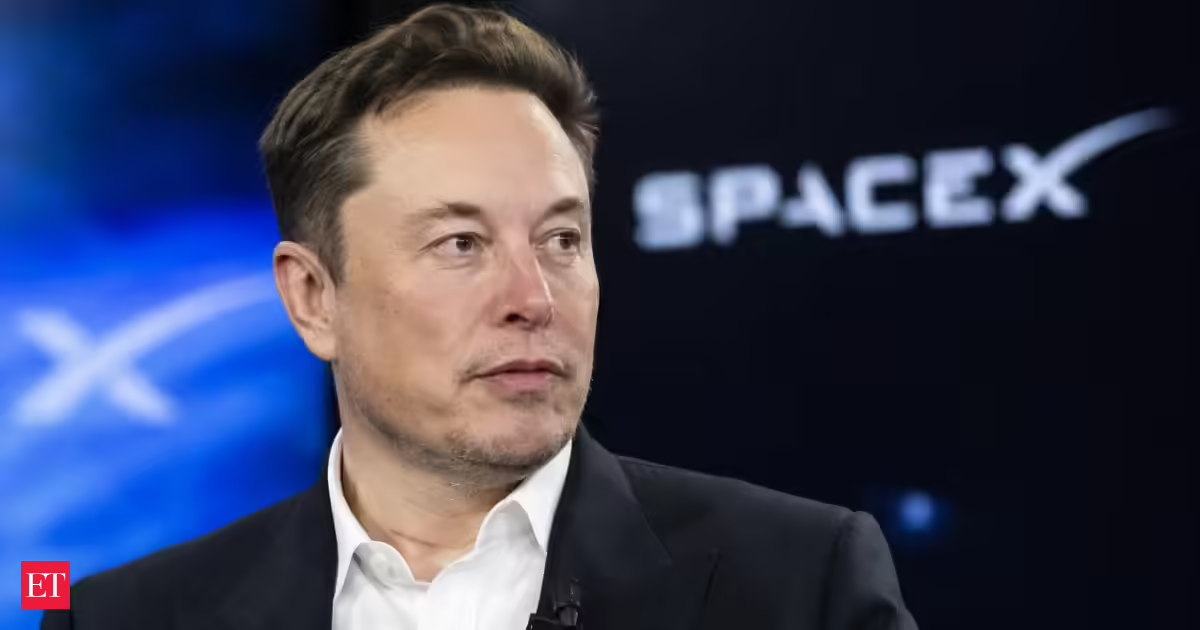
Elon Musk has built a career on outlandish promises that blend engineering feats with science fiction. And he has emerged as a tech pioneer with bold successes such as reusable rockets. As SpaceX makes its long-anticipated Nasdaq debut on Friday, the world is buzzing over visions of Mars colonies, orbital AI data centers, and rapidly reusable rockets. The company’s track record is impressive -- reusable rockets, record-setting launch cadence and ambitious plans for lunar landers and orbital infrastructure. But many scientists caution that the company’s loftiest goals, particularly colonizing Mars, remain far beyond the bounds of current science. From engineering bottlenecks to human biology challenges, experts argue Musk’s timelines and claims are overly optimistic.Engineering triumphs and impossible timelinesSpaceX has achieved milestones that were once considered impossible. Robert Zubrin, engineer and president of the Mars Society, told AFP, “SpaceX has accomplished a great deal, that’s quite real. On the other hand, Musk frequently makes claims that are not real,” citing the company’s history of pushing back deadlines. The partially reusable Falcon rockets have enabled SpaceX to conduct more launches than all other providers combined, a feat that demonstrates genuine innovation.Also Read | What Elon Musk's trillion would mean in real termsYet when it comes to Musk’s goal of sending humans to Mars, experts warn that the hurdles are immense. Christian Bach, head of the space transportation division at Germany’s Technical University of Dresden, told AFP, “The simple answer is that I don’t see this as realistic at all.” He emphasises that even sending a handful of people to Mars this century would be difficult because major technological and biological challenges remain unsolved.Scott Hubbard, former senior NASA official, told AFP that perfecting the Starship rocket is necessary but insufficient for human missions. Astronauts will require sophisticated life-support systems, including oxygen and water recyclers. Hubbard also highlighted orbital refueling, a core component of SpaceX’s Mars plan. “That capability is something that is absolutely crucial to their plans that has never been done before,” he said. While he is confident in SpaceX’s engineers, he warned, “The thing is the schedule. They like to portray it that they can do it on their own, they cannot.”Beyond Mars, Musk has outlined other audacious projects, such as building orbital AI data centers. Kathleen Curlee, a space analyst at Georgetown University, told AFP, “If you do conquer all the technical hurdles, there’s still the economic aspect, and it’s just not financially reasonable at this point in time.” Zubrin dismissed the idea entirely. “This AI data centers in space thing is fiction. If you owned a company that could build ocean ships better than anyone else, you would say the place to do AI is in the middle of the ocean,” he said.Also Read | SpaceX to list today: Should Indian investors buy shares of Elon Musk's biggest bet after missing the IPO?Mars settlement is not just engineeringWhile engineering challenges are daunting, the human biology aspect presents an even steeper climb. Scott Solomon and Kelly Weinersmith, both professors of biosciences at Rice University who have written highly acclaimed books on possibilities of humans living on Mars, stress that Musk’s 30-year personal horizon -- based on the average lifespan of wealthy American men -- is insufficient to establish a fully self-sustaining settlement.Writing for the Houston Chronicle, they argue humans have been traveling in space for 65 years, but nearly all research has been in zero gravity. Mars has about one-third of Earth’s gravity, and its effects on muscles, bones, reproduction and child development are largely unknown.“Being born on a planet with low gravity may make it impossible for these children to survive under Earth’s oppressive gravity, thus trapping them on Mars,” Solomon and Weinersmith warn. Radiation exposure on the Martian surface is another critical concern. Unlike Earth, Mars lacks a protective magnetic field and thick atmosphere. Even brief time outside would require spacesuits capable of shielding against lethal radiation, maintaining oxygen levels, and regulating temperature. Psychological effects of living in confined underground habitats are similarly uncertain.Perhaps the most significant barrier is reproduction and child development. The authors stress that establishing a permanent colony requires that women be able to give birth to healthy children. Yet the effects of low gravity on fetuses and children are practically unknown, and no long-term human studies exist. Rodent experiments offer limited guidance, and ethical constraints make human trials impossible. As the authors put it, “The city that SpaceX intends to build on Mars would require doing precisely such studies, or worse, raising families on Mars without knowing the risks.” Even if research could start on the Moon, which has partial gravity and similar radiation challenges, multi-generation studies would take decades.Ethical and practical concernsSolomon and Weinersmith also highlight the ethical dilemma inherent in Musk’s plan. While early Mars settlers could theoretically consent to risks, their children could not. They argue that the research needed to ensure safe long-term human habitation will take decades, meaning initial colonists would be effectively experimental subjects in an unprecedented trial.Timing adds another layer of difficulty. A one-way trip to Mars takes six to nine months, and launch windows only open every two years. Even if a human-rated Starship were ready soon, there would be no fast return if conditions prove inhospitable. This reality makes any attempt to rush settlement extraordinarily risky.Ambition meets realityExperts caution that SpaceX’s audacious goals may be more about vision than feasibility. Zubrin compares Musk’s trajectory to Napoleon’s Russian campaign: “He had succeeded in everything he had done before, and so no one could tell him that he was wrong.” Hubbard notes that engineering talent alone cannot overcome the unknowns of life support, orbital refueling, and schedule pressures. Solomon and Weinersmith add that ethical stakes are high. SpaceX is effectively gambling not only with money but with human lives, especially the lives of children born on Mars.One-million-person Mars colony seems impracticalSpaceX has redefined aerospace innovation, but many scientists argue that Musk’s most ambitious claims are not grounded in current science. From unresolved engineering challenges to biological uncertainties and ethical dilemmas, the obstacles to a one-million-person Mars colony are immense. Investors may be drawn to the dream, but experts urge caution. For now, Musk’s Mars plans remain a captivating vision rather than a near-term reality.
Several red flags emerge as SpaceX IPO hawks Elon Musk's Mars dream
SpaceX's bold Mars vision faces scientific doubts. Experts highlight engineering challenges and human biology unknowns. Colonizing Mars presents immense hurdles. Musk's ambitious timelines are questioned. The dream of a Mars colony remains a distant prospect. Investors are urged to consider the practical realities.
TL;DRAI
SpaceX IPO pledges Mars colonies and orbital AI, but experts warn unresolved biology and unrealistic engineering timelines. For tech leaders: biological research on low-gravity reproduction needs decades, not Musk's promises—operationally risky.
1,037 words~5 min read