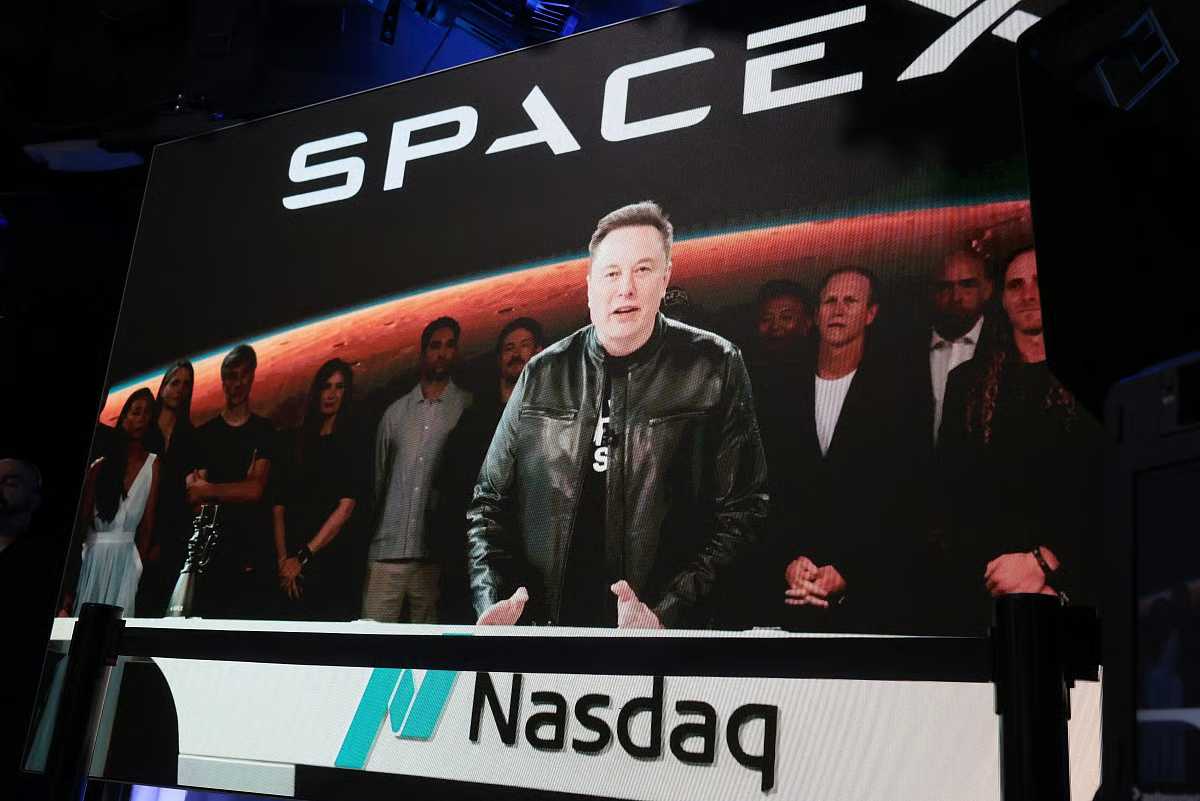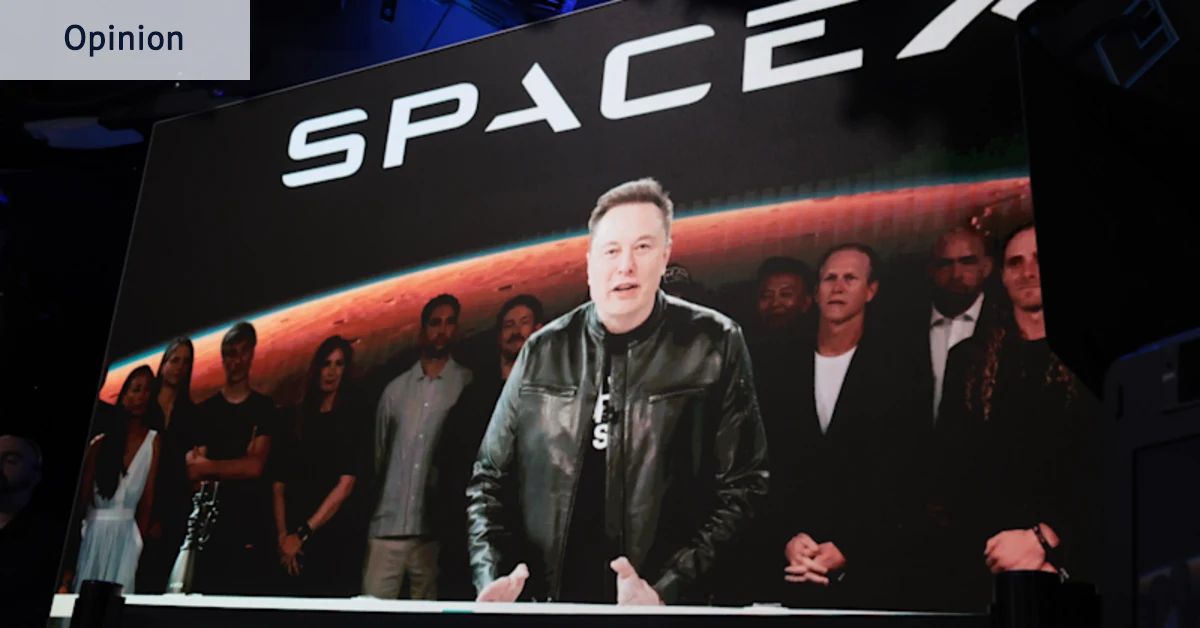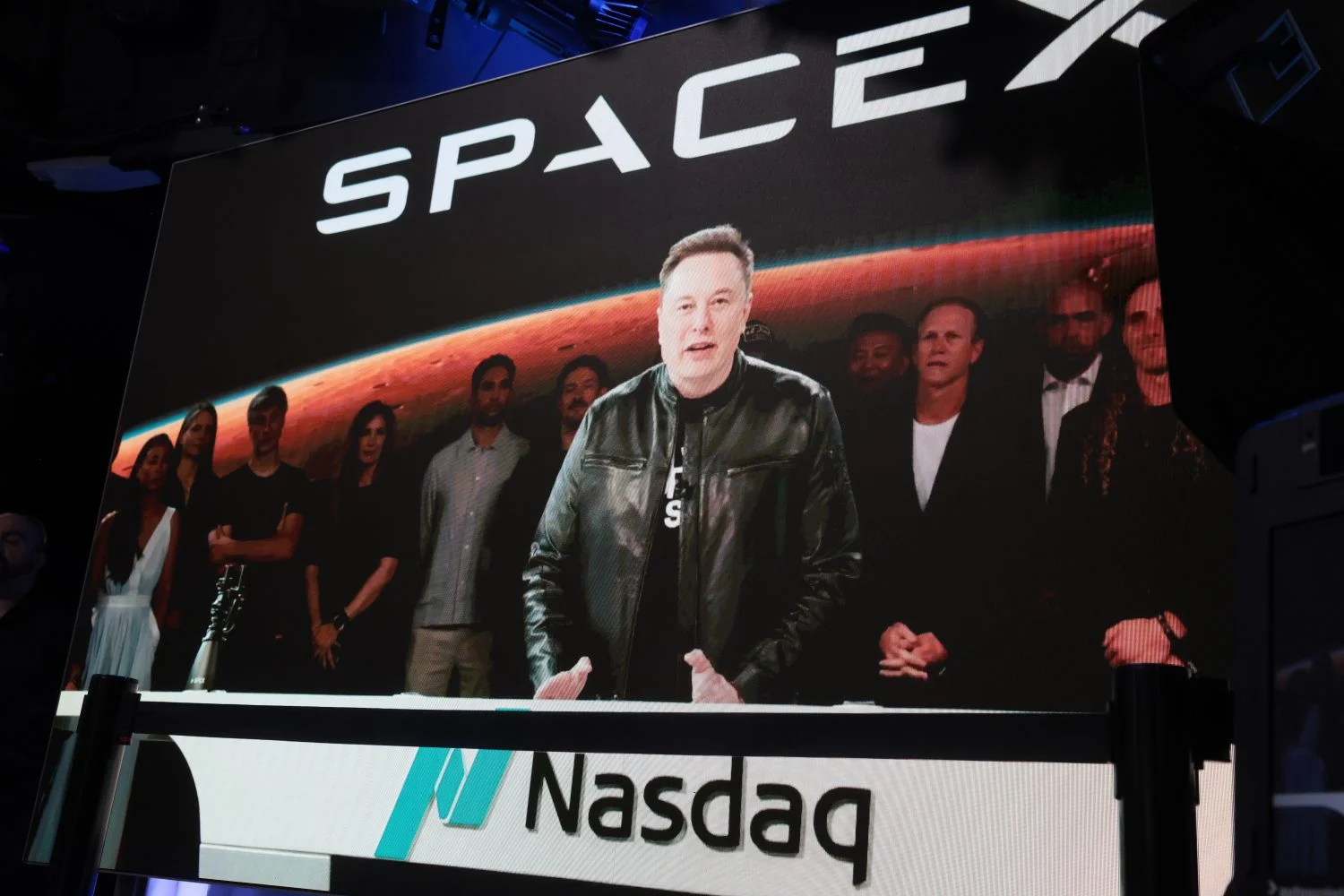
The extraordinary success of SpaceX’s initial public offering on Wall Street—which saw the company end up with a valuation of $2.1 trillion at the end of its first day of trading—is a sign of investor faith in the future of the space economy.
SpaceX promoter Elon Musk’s talk about building artificial intelligence data centers in space and colonizing Mars might look fanciful. His ideas about using SpaceX “to build the systems and technologies necessary to make life multiplanetary … and to extend the light of consciousness to the stars” are indeed surreal. But he has convinced investors that there is big money to be made in outer space. In doing so, Musk has heralded the rapid expansion of modern capitalism into outer space. That he has become the world’s first paper trillionaire is arguably less important than the fact that capitalism is all set to make its mark on outer space.
The extraordinary success of SpaceX’s initial public offering on Wall Street—which saw the company end up with a valuation of $2.1 trillion at the end of its first day of trading—is a sign of investor faith in the future of the space economy.
SpaceX promoter Elon Musk’s talk about building artificial intelligence data centers in space and colonizing Mars might look fanciful. His ideas about using SpaceX “to build the systems and technologies necessary to make life multiplanetary … and to extend the light of consciousness to the stars” are indeed surreal. But he has convinced investors that there is big money to be made in outer space. In doing so, Musk has heralded the rapid expansion of modern capitalism into outer space. That he has become the world’s first paper trillionaire is arguably less important than the fact that capitalism is all set to make its mark on outer space.