First published in Respekt.
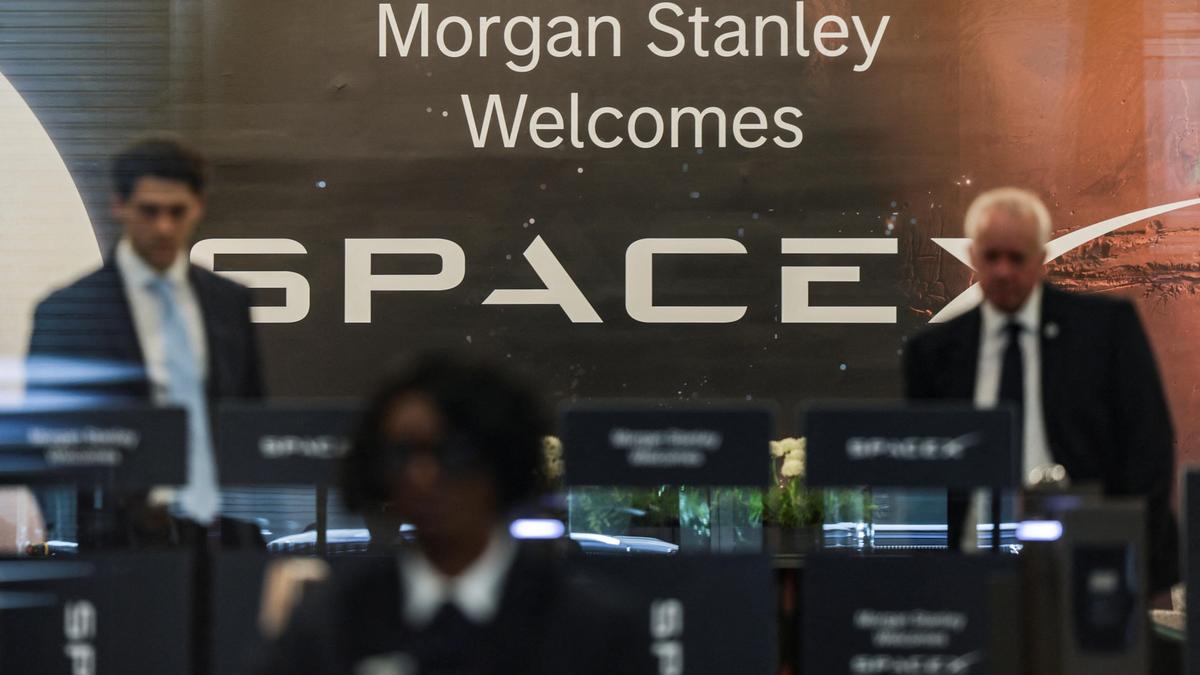
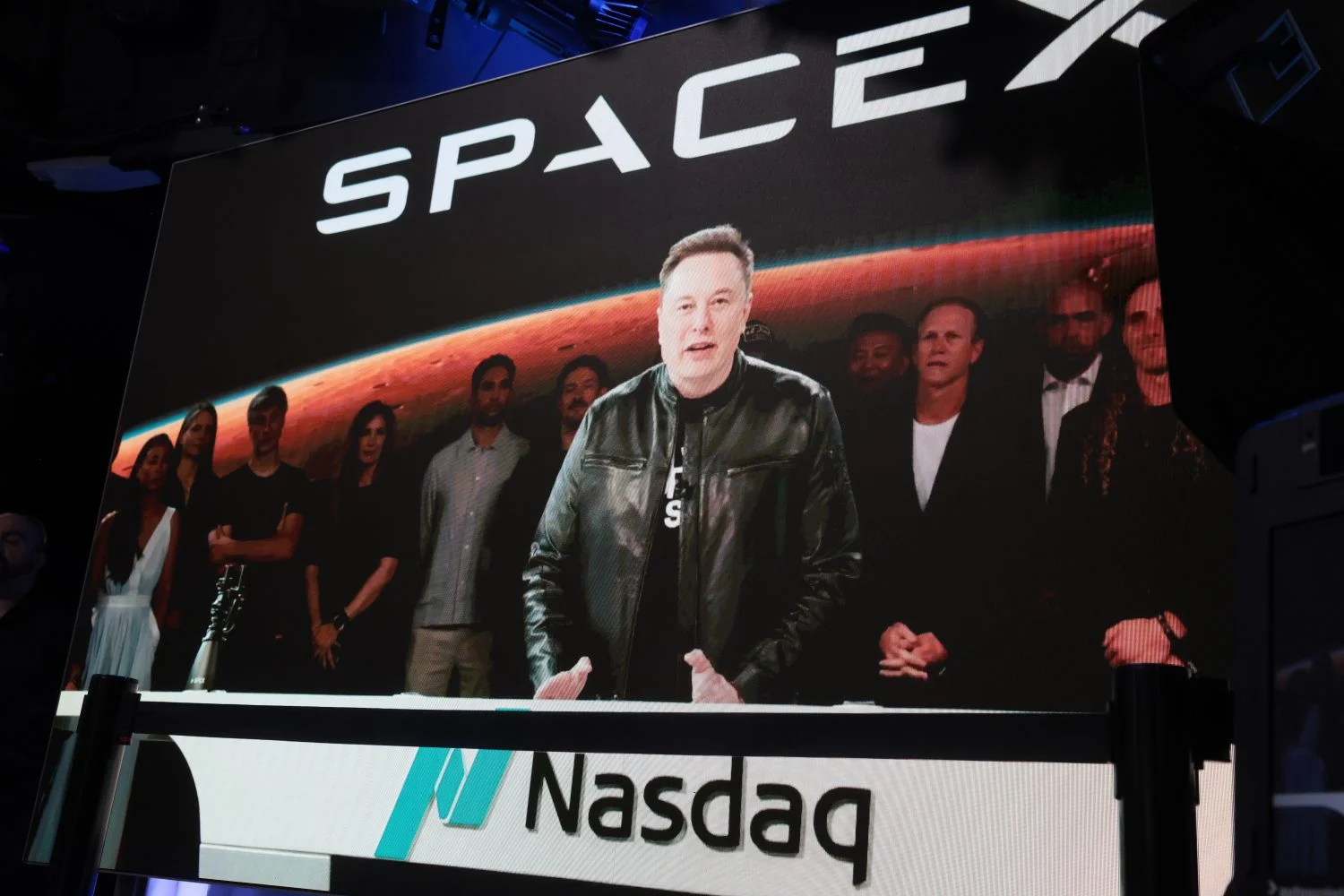
The company SpaceX recently entered the stock market with record figures, with a plan to move AI into space and transform internet communication. What were its beginnings, and what does its success mean for the planet today?
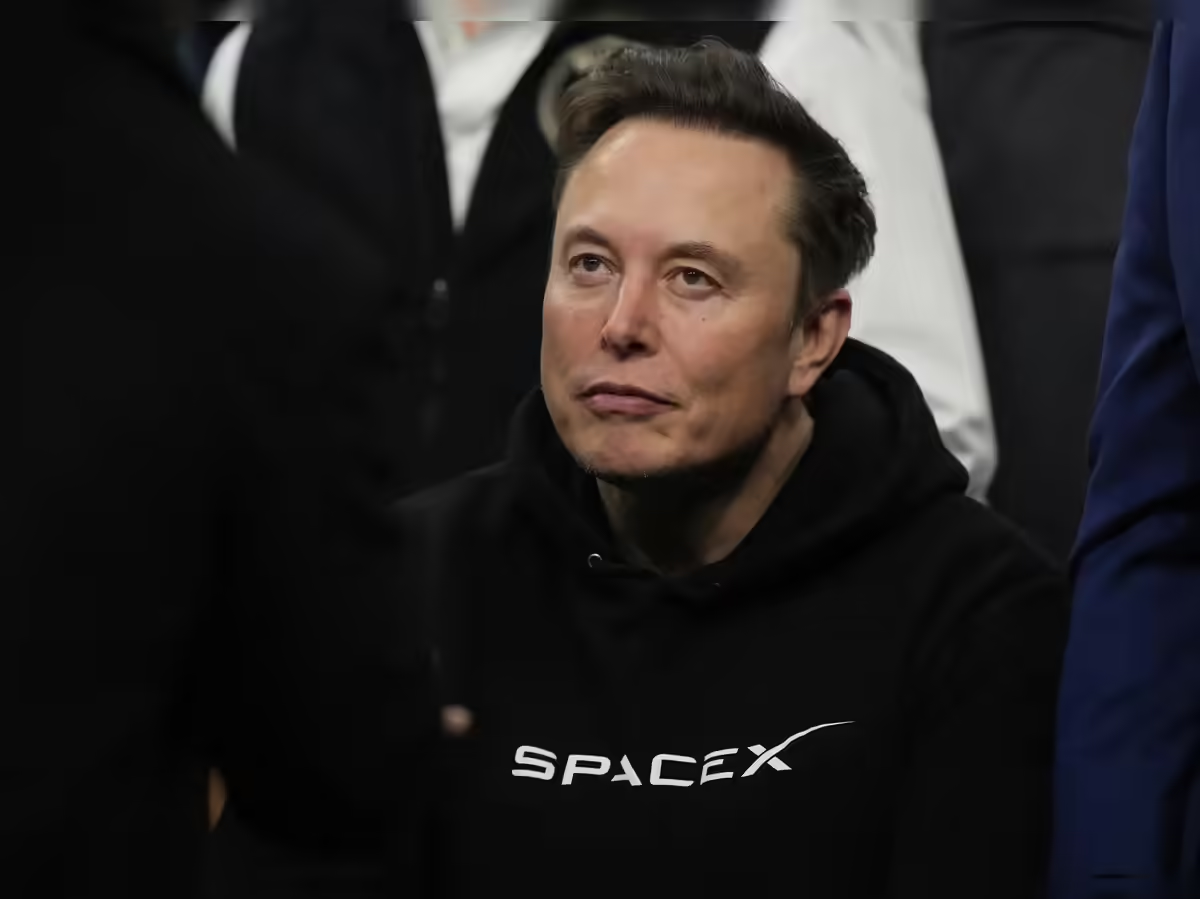
In 2001, a party for PayPal employees took place in Las Vegas. Among those present was its former director, 30‑year‑old programmer and visionary Elon Musk, who held bachelor’s degrees in physics and economics.
He had not taken offence when, a year earlier, his colleagues had removed him from the position of company director (at that time the company was still operating under the name X.com), branding him an unbearable megalomaniac who scorned risk. He regarded the coup against him as an opportunity to start another, more ambitious business. After a brief period of sulking, he made peace with his colleagues.
At the mentioned party, however, people did not have much fun with him. He spent most of the time sitting in a shelter by the pool, studying a tattered manual for a Russian rocket engine. “I want to colonise Mars,” he explained his behaviour to a former colleague. “My life’s mission is to turn humankind into an interplanetary civilisation.” “Man, you have gone crazy!” came the reply.