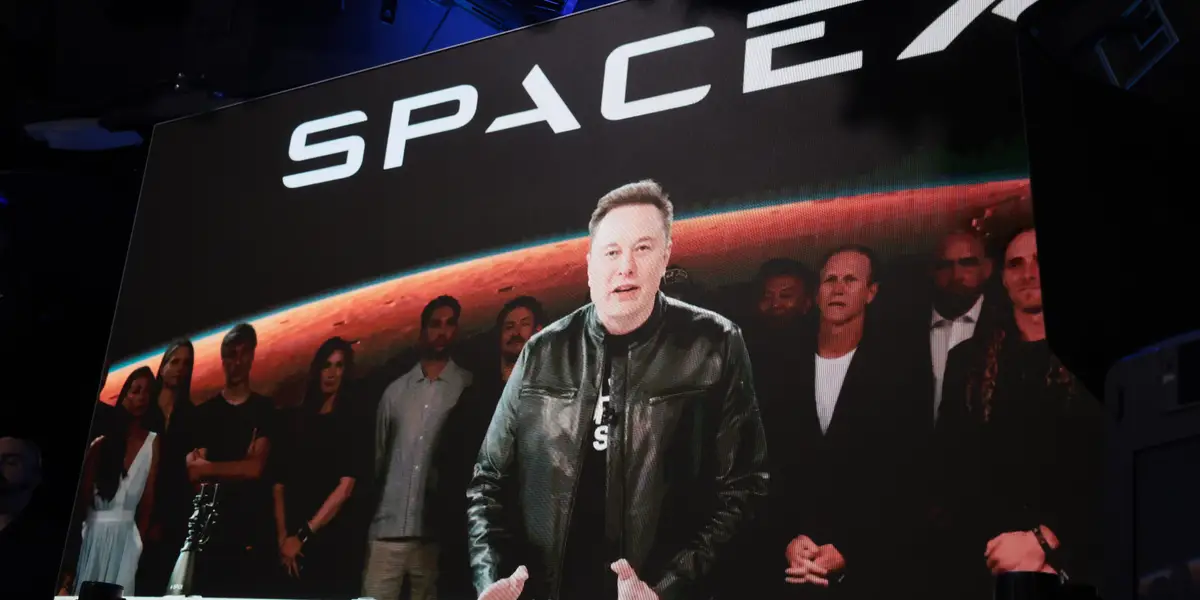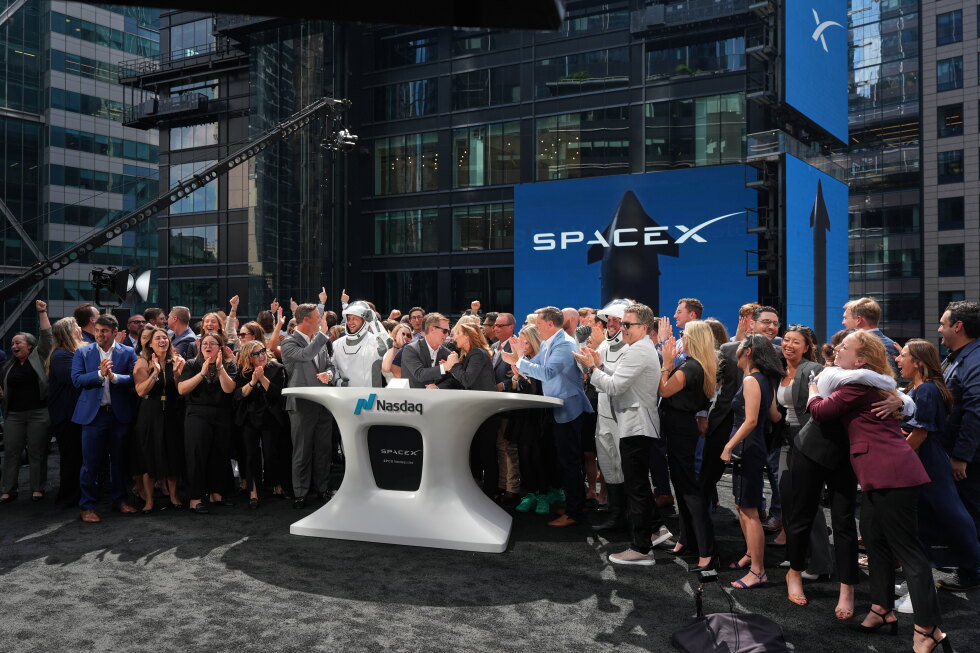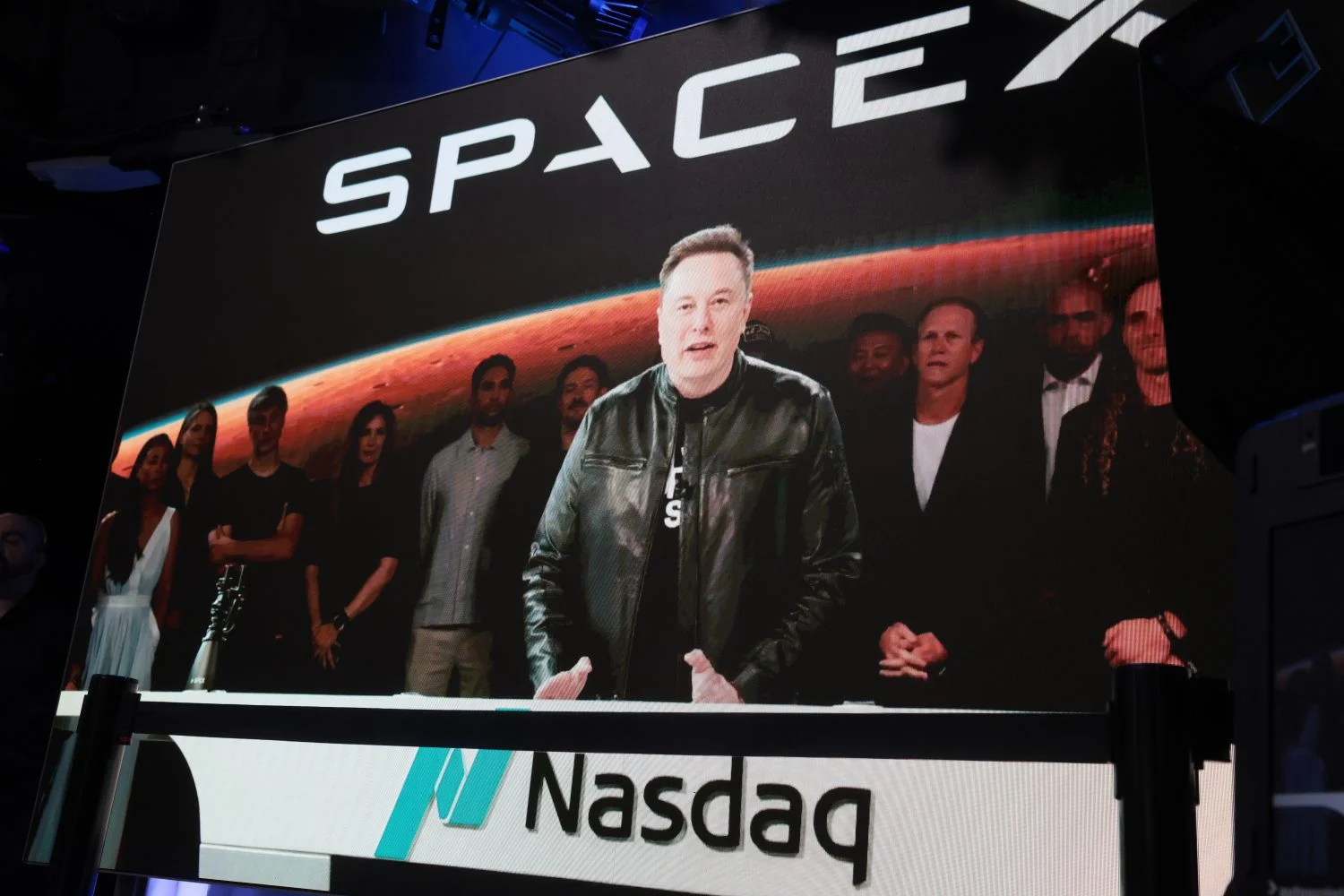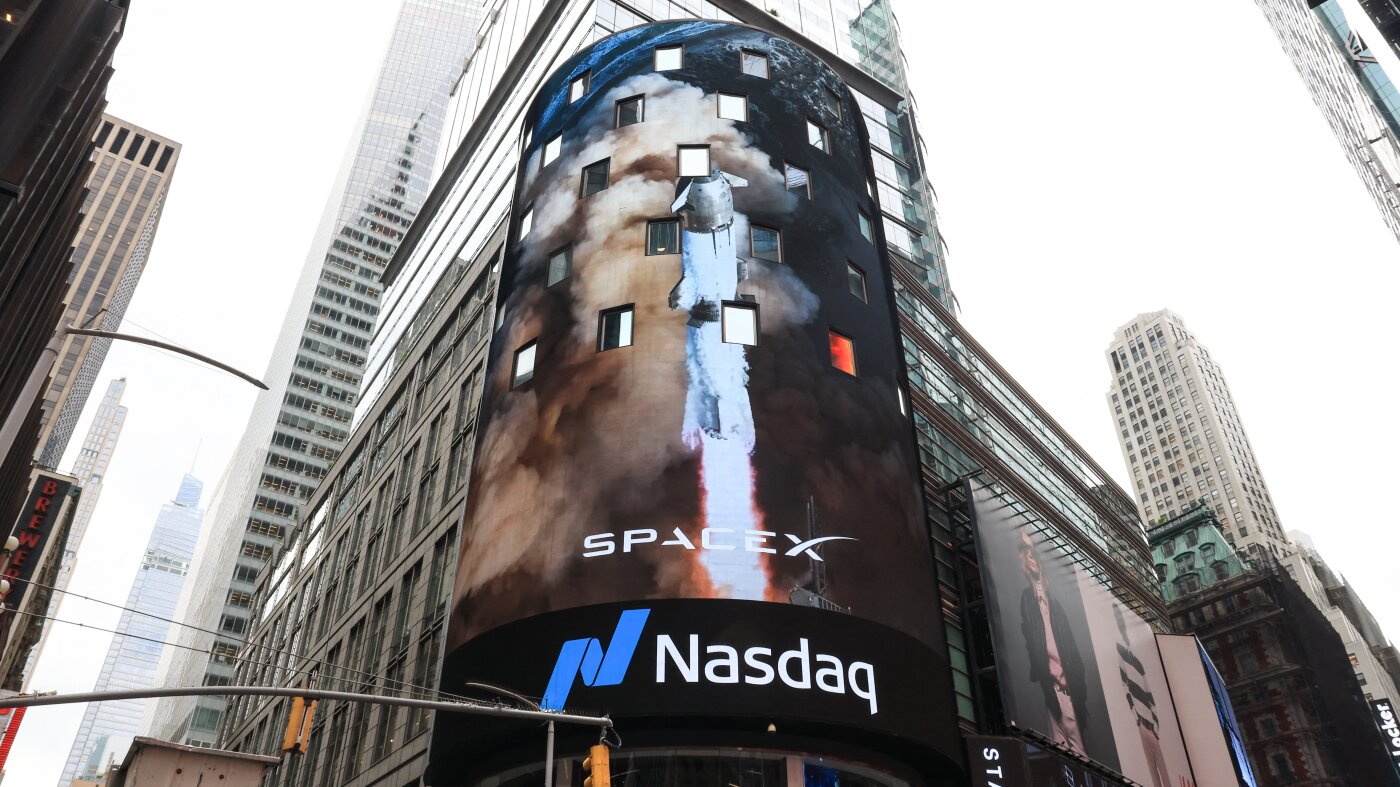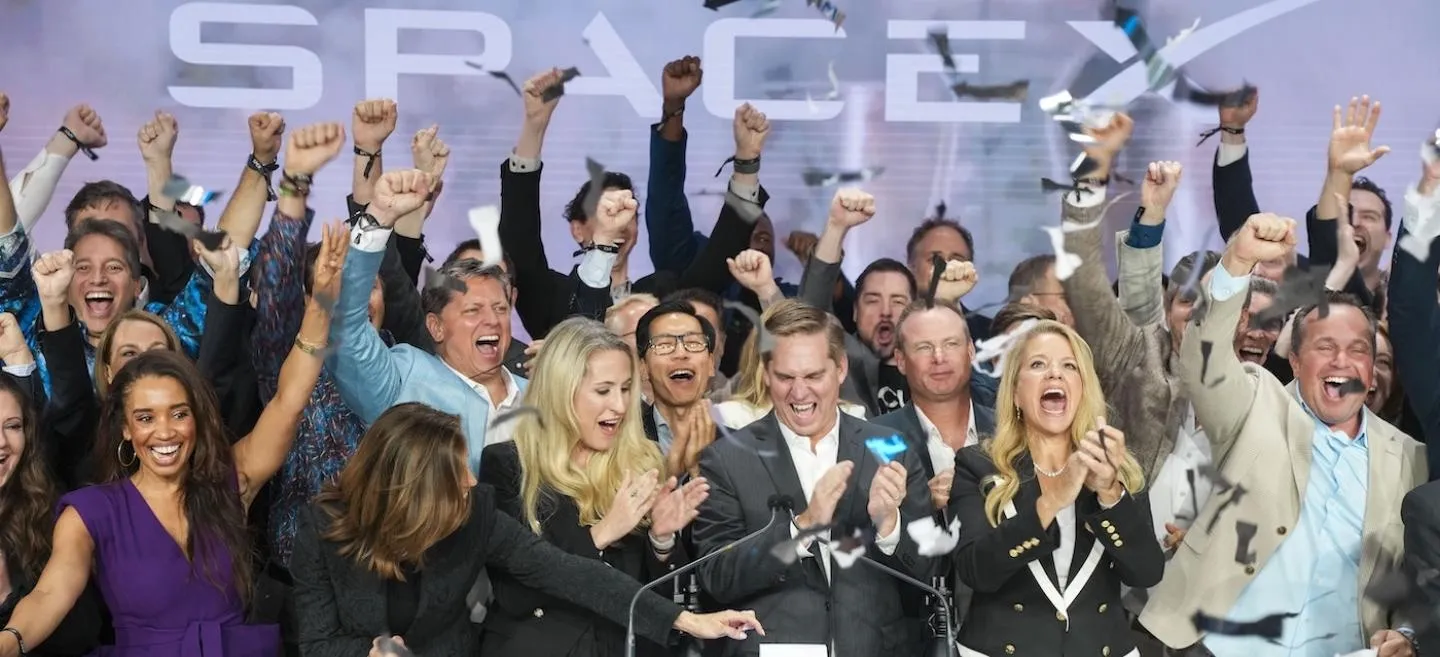
SpaceX celebrates its initial public offering at Nasdaq’s New York offices June 12. Credit: Nasdaq
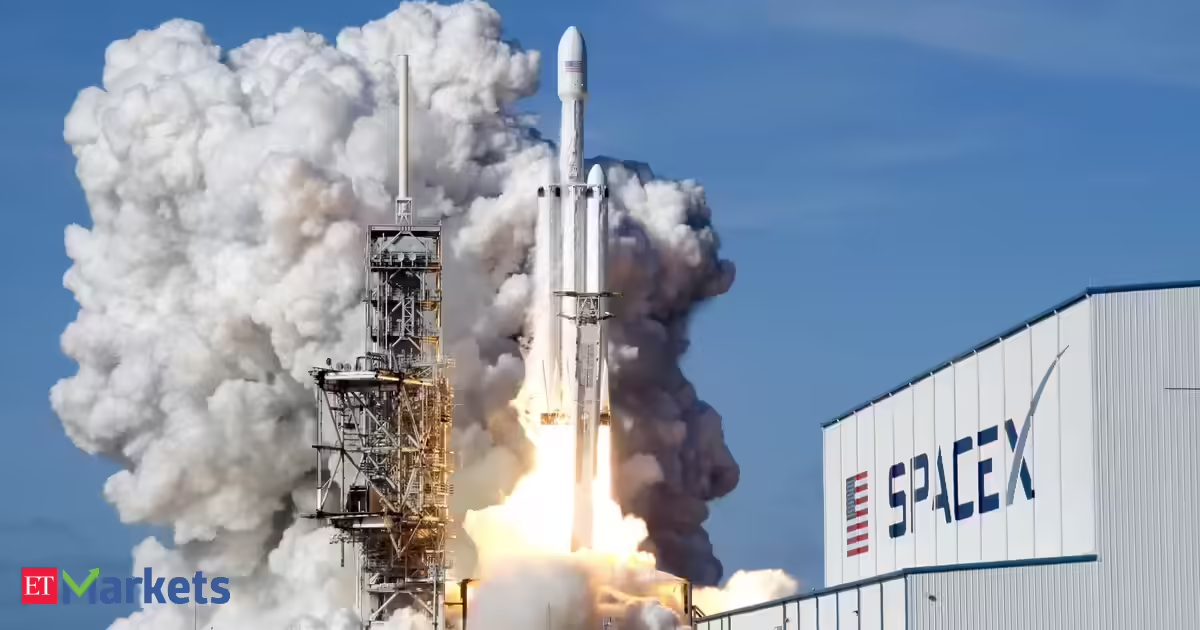
By most measures, commercial space is thriving. Washington produced a flurry of activity over the past year: two major executive orders, a raft of directives, and “space superiority” elevated to official doctrine. More recently, Wall Street answered in kind. On June 12, SpaceX went public in the largest initial offering in history, closing its first day worth more than $2 trillion. The public and private sectors agree that the commercial space age has arrived.
But there are still major barriers to space capitalism. Despite capital owners’ confidence and the government’s directives, the rules of the game are not settled. Policy changes mean little until and unless they result in durable institutional change. And market optimism is no substitute for long-term strategic thinking.
Consider the policy record. Last August’s executive order streamlines licensing for launch and reentry. That’s genuinely good. It clears regulatory underbrush, lowering costs at the margin. However, we need legislation, not executive discretion, to secure lasting gains. December’s order did well to emphasize space as a strategic imperative. But that was already obvious to anyone paying attention. The binding constraints — especially security of celestial property rights and ambitions to develop the space industrial base — haven’t moved much.