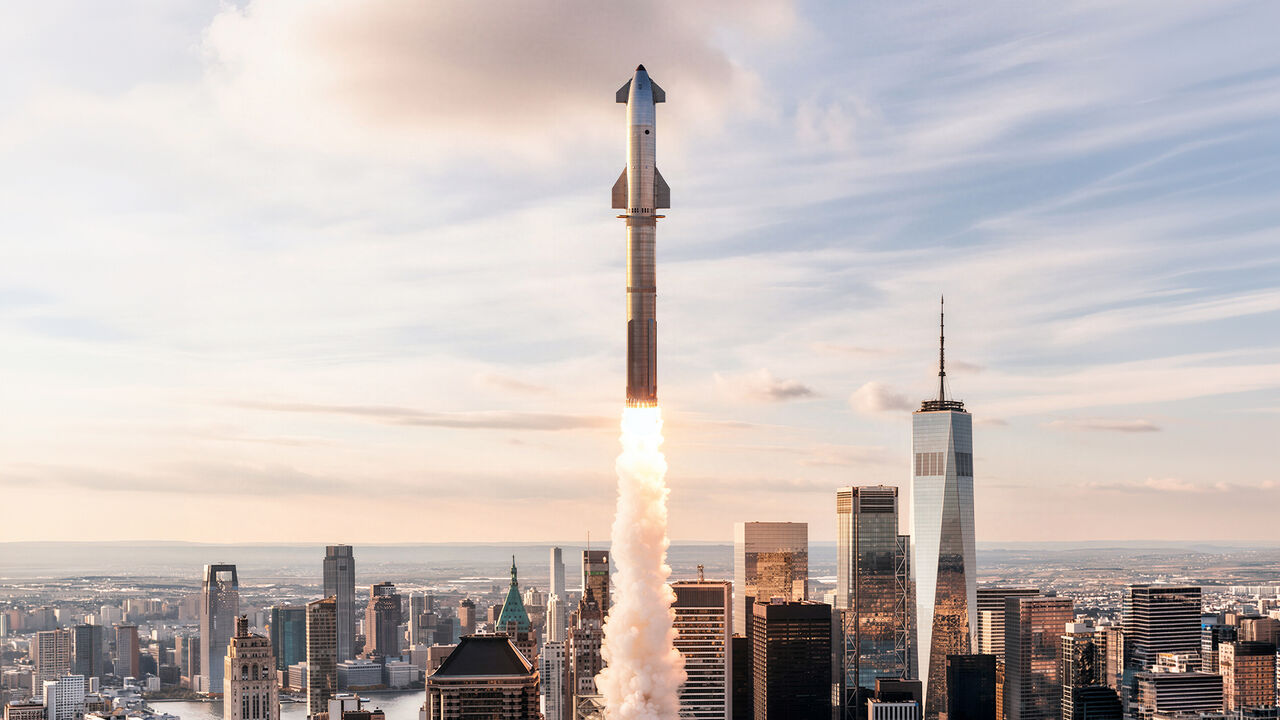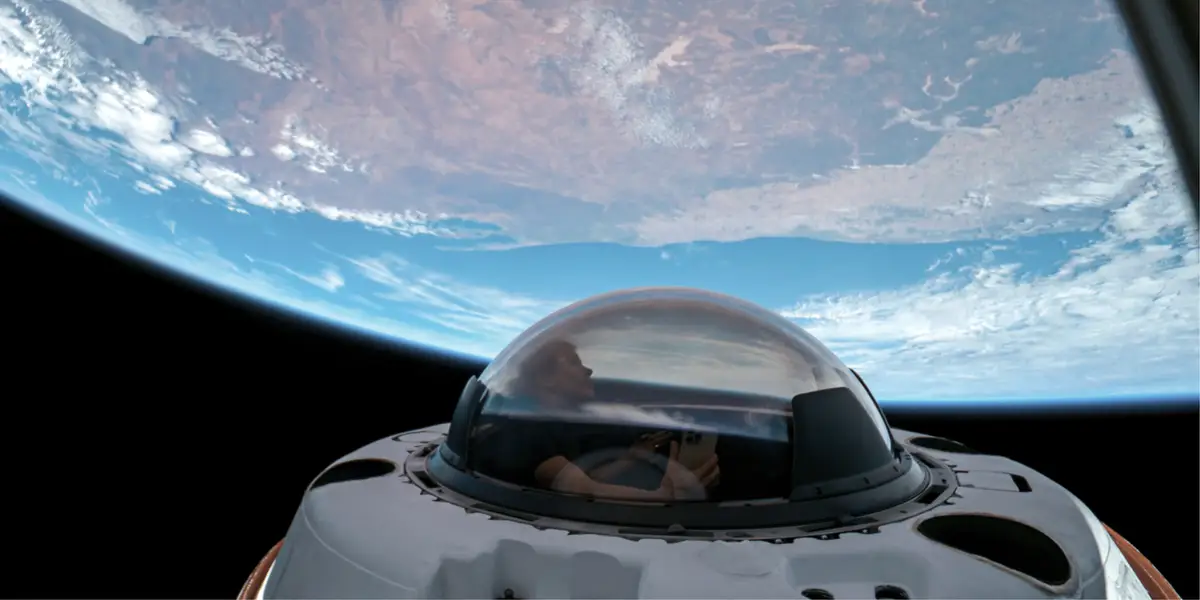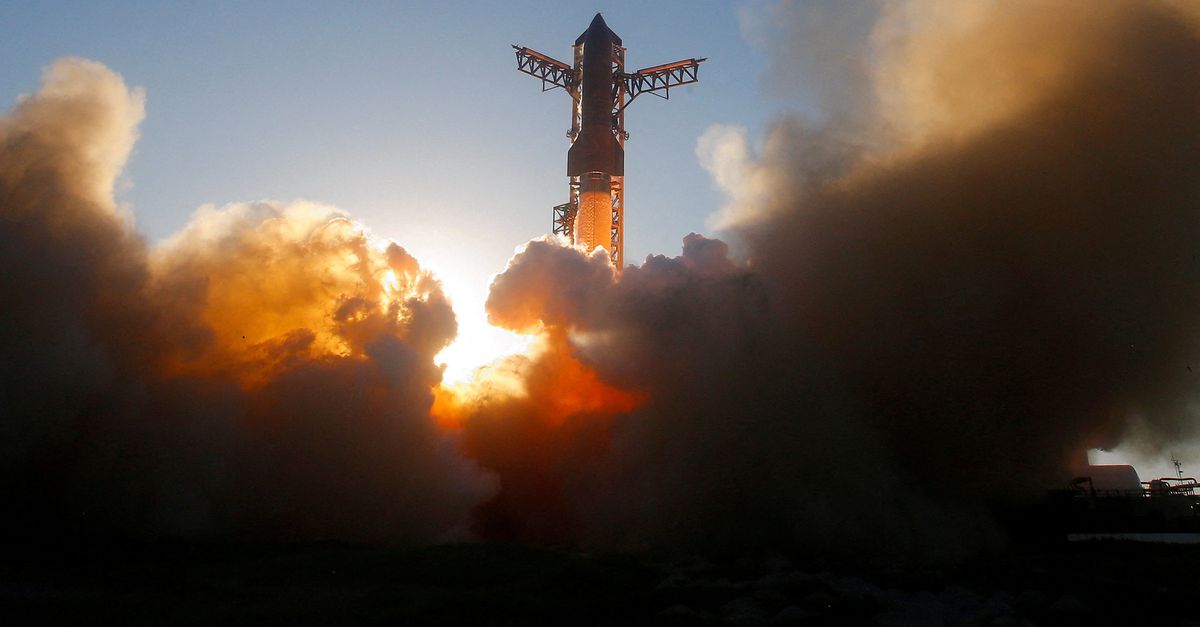
To channel of Elon Musk’s favourite science-fiction authors, SpaceX is a product of infinite improbability. When Mr Musk began, few would have predicted that a startup could design a liquid-fuelled rocket and put it in orbit. Nor that an engineer would be able to get a rocket’s booster to return to Earth, land upright on its own tail and be re-used. And no one has yet recovered a rocket’s second stage, which must withstand 1,500°C or so during atmospheric re-entry.
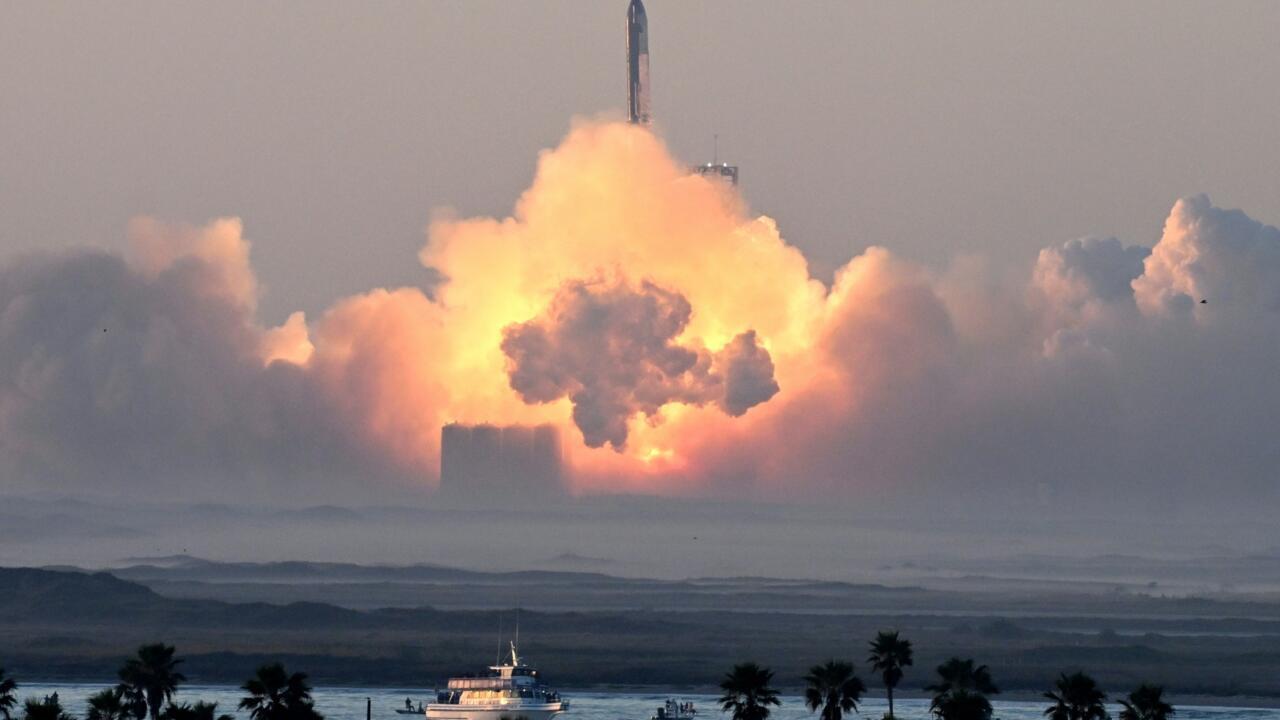
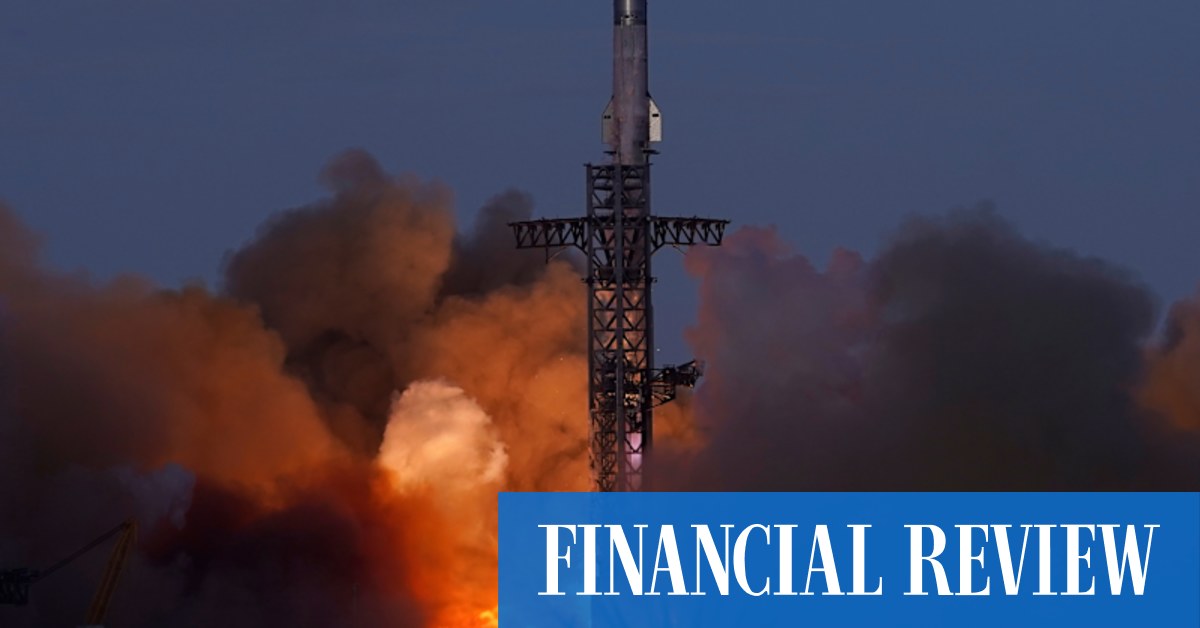
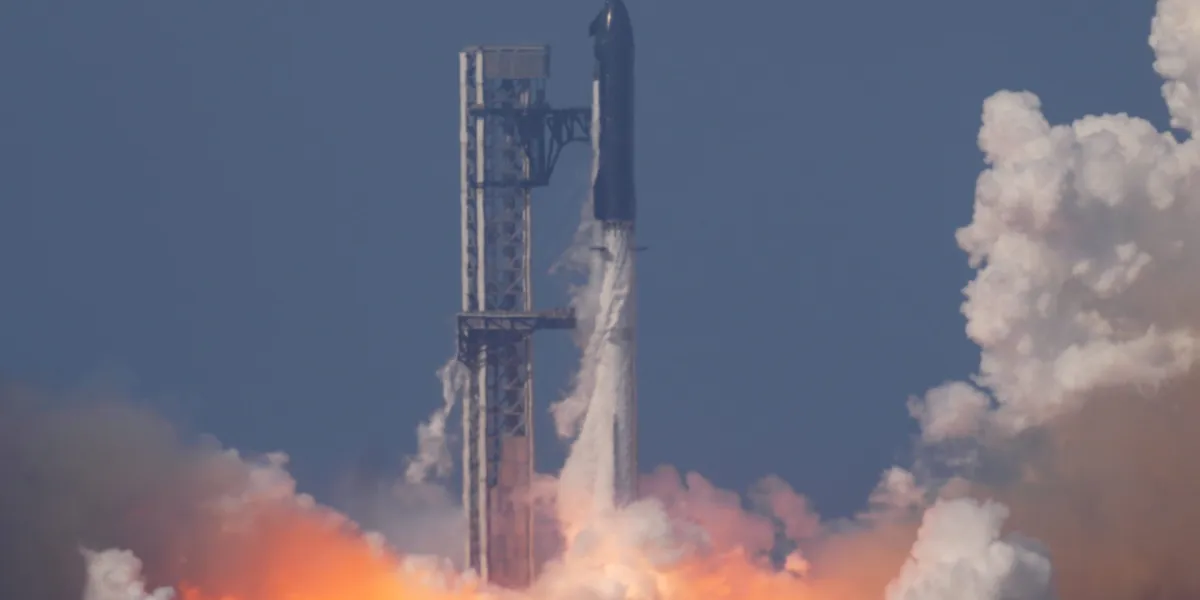
Having pulled off the first unlikely feat in 2008, six short years after its founding, and the second in 2015, SpaceX will try to use a launch due on May 21st to show that it can carry off the third, too. If the test fails by the time you read this, SpaceX will try again—and again, until it succeeds or runs out of money.
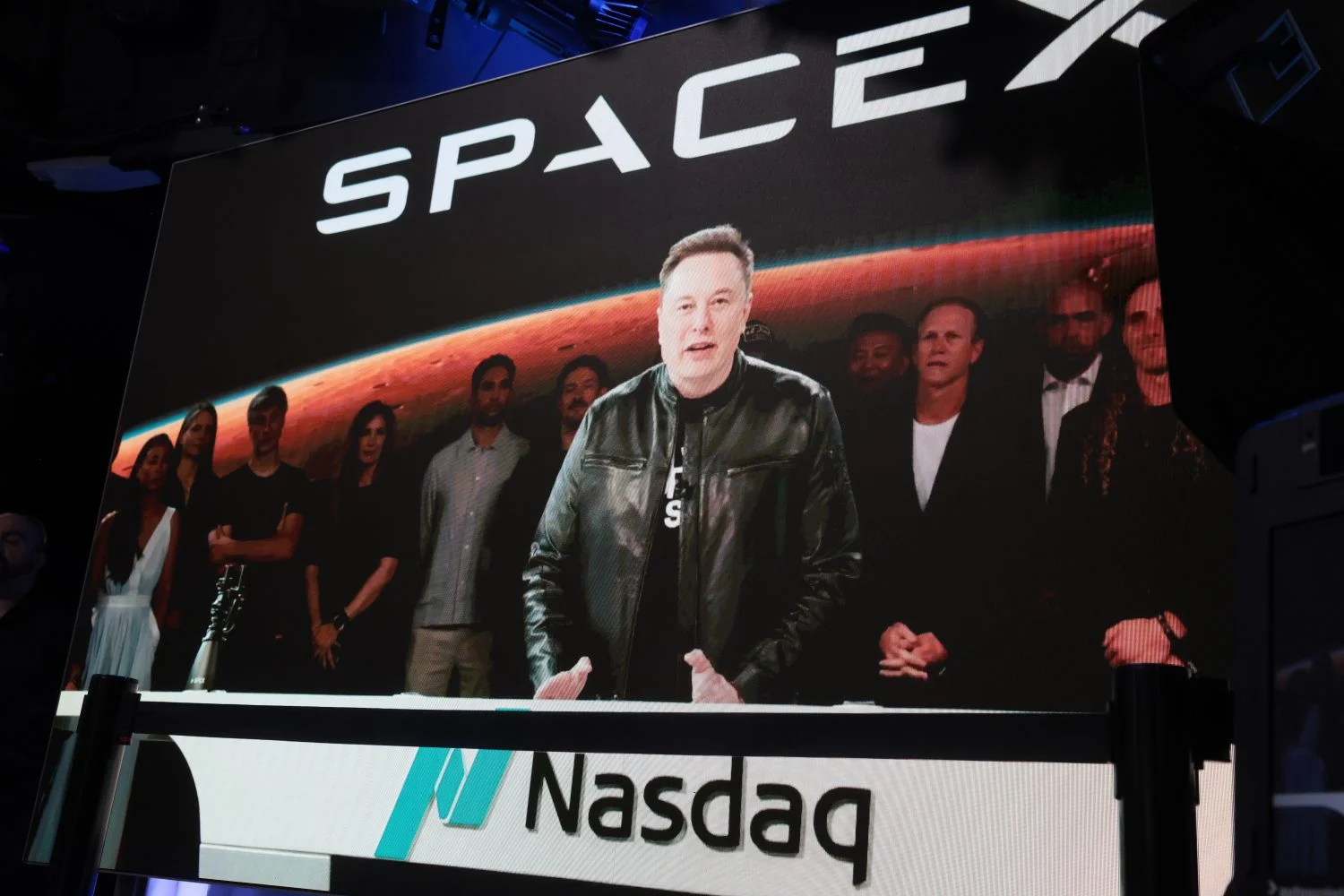
Success will be vital if Mr Musk is to realise his vision of dominating artificial intelligence, apparently by using space-based computers launched by SpaceX to satisfy AI’s ravenous hunger for data-processing. To pay for his dream, on May 20ththe company filed the prospectus that has started the countdown clock for an initial public offering next month worth about $75bn. This will be the biggest listing in history.