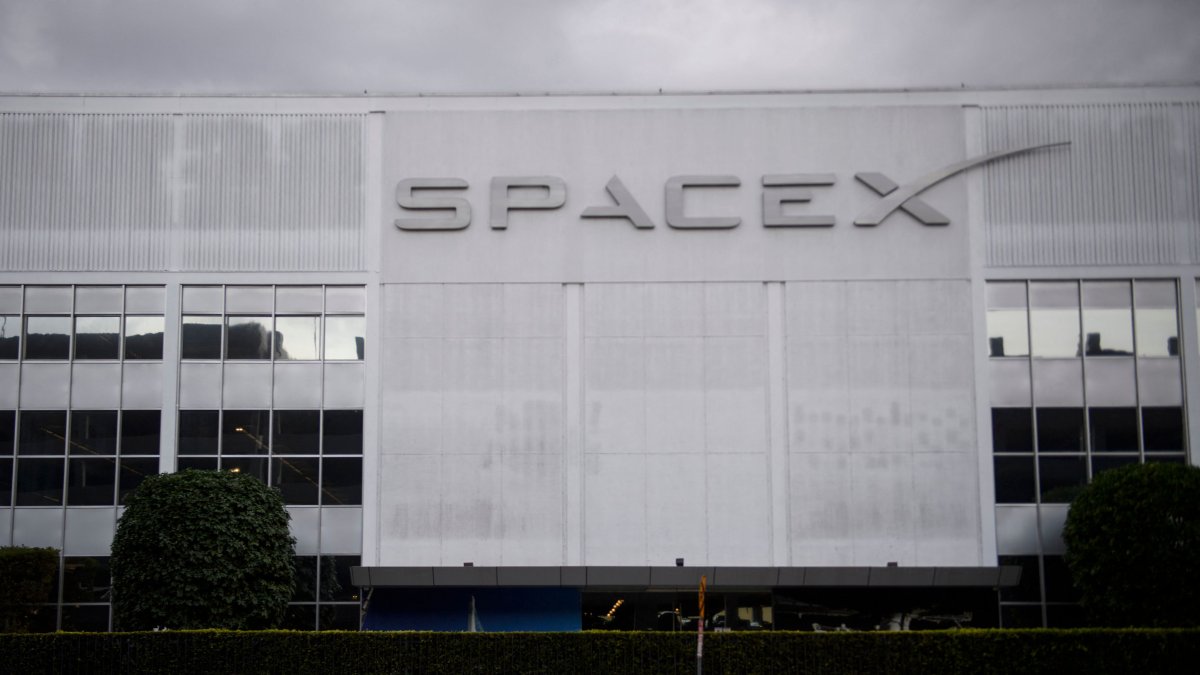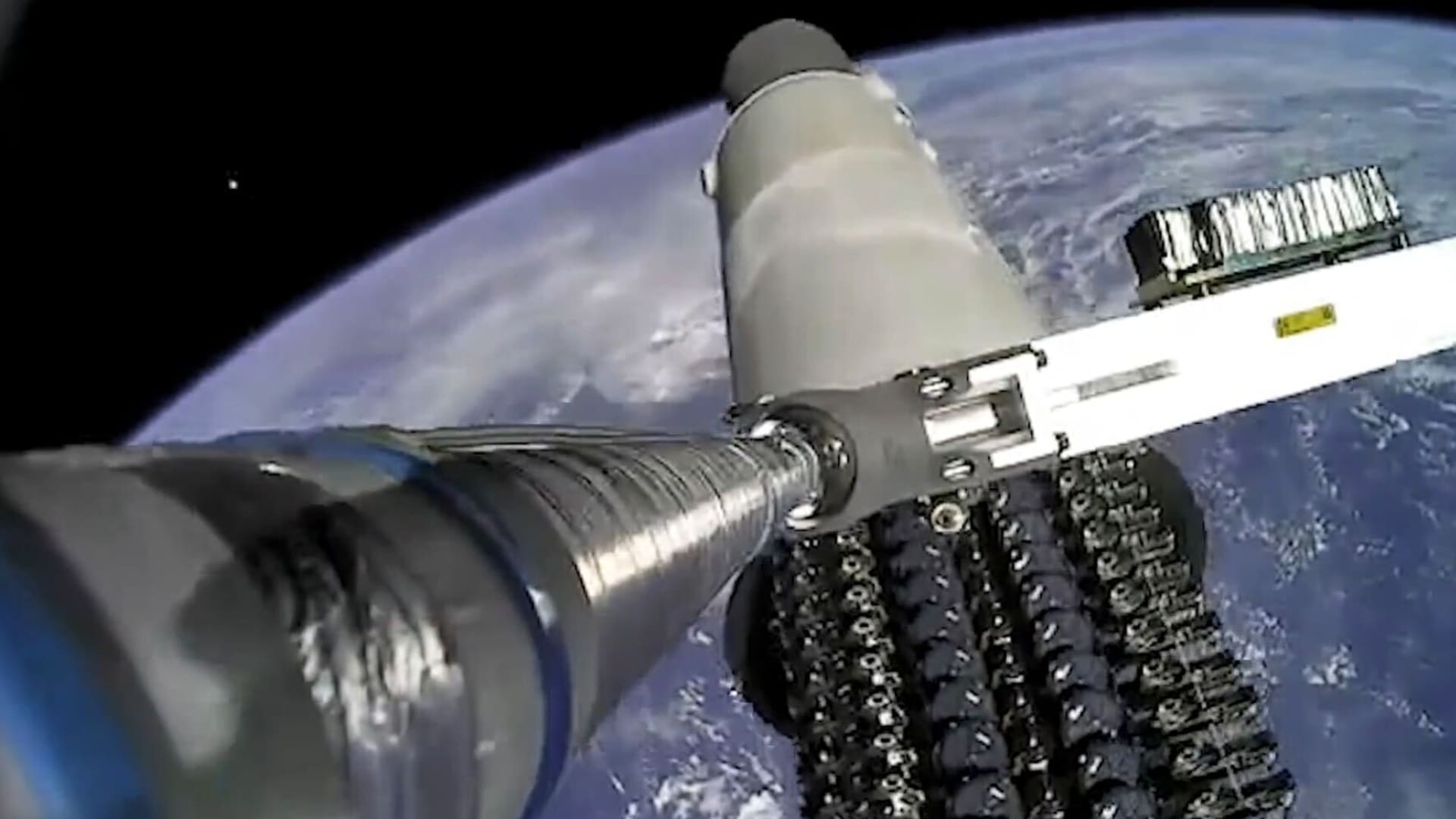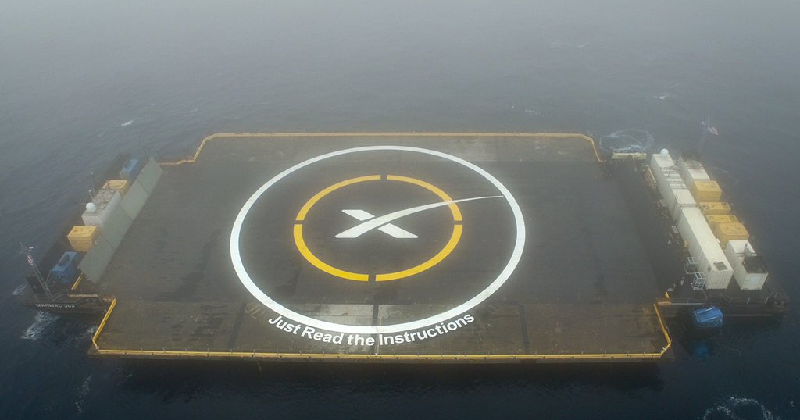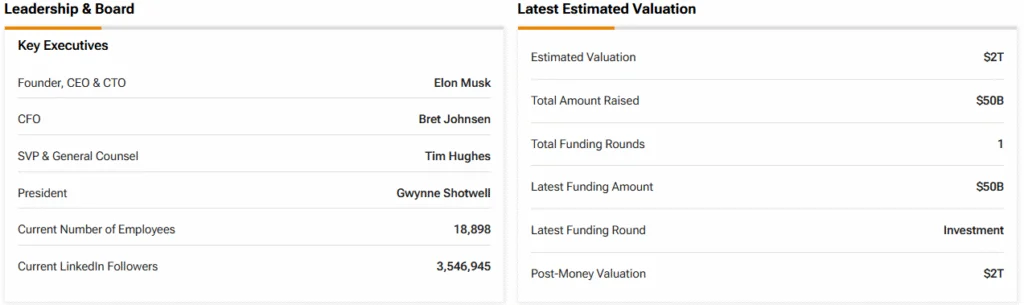
Today the company is sprawling, a dominant force in the commercial space industry that is contracting with NASA in a bid to send a crewed mission to the Moon.It's also behind the satellite internet business Starlink, the enterprise's financial engine. Its reusable rocket technology has reduced the cost of launching payloads to orbit. The company is developing its mammoth Starship rocket -- which has a test launch slated for as soon as Thursday -- for Moon exploration and the much grander aim of taking humans to Mars, though it must demonstrate significantly more progress before either of those ambitions come to fruition.Earlier this year, Musk merged his company xAI into SpaceX and is now racing to build out space data centers.And now the world's richest man has laid out plans to US regulators in what could become the largest initial public offering in history, as the company seeks to raise up to $75 billion in the stock market.Space industry dominanceMusk, the South African-born serial entrepreneur, founded SpaceX when he was 30 years old. His venture followed the sale of his dot-com business Zip2, after which he founded the online payments company that merged into the entity that would become PayPal, which eBay later acquired.He found himself flush with cash and disappointed that NASA didn't have a Mars mission on deck. In an effort meant in part to excite the public about space travel, Musk developed a plan to send seeds in a glass-enclosed greenhouse to the surface of Mars and grow plants, but was thwarted in his bid to find a means to send it there.So he founded a rocket company.The early days were rife with failure and the operation hemorrhaged money.In 2008, SpaceX finally got the Falcon 1 off the ground. The company eventually created partially reusable rockets and landed contracts including with NASA.
SpaceX, the sprawling company targeting the stars, Mars and an IPO
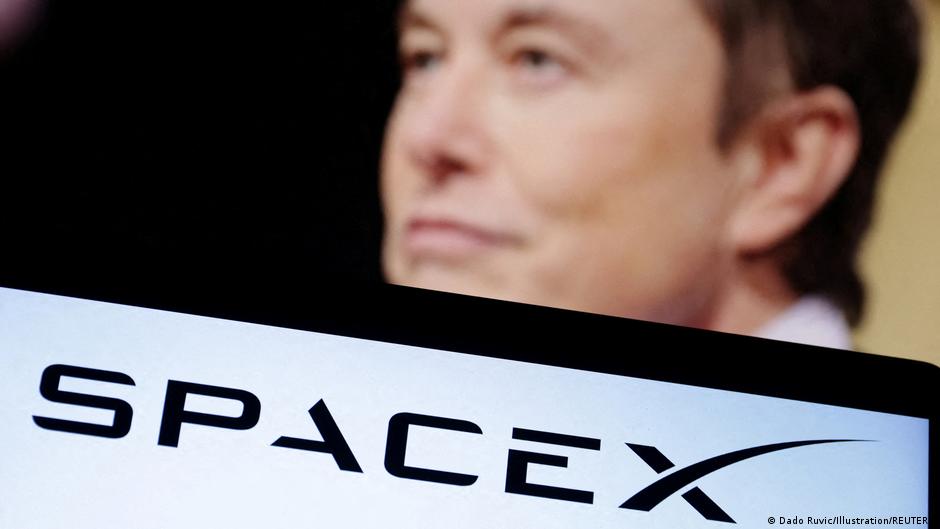
Elon Musk founded SpaceX in 2002 with the lofty goal of ferrying humans to Mars and colonizing Earth's neighboring planet.
717 words~3 min read