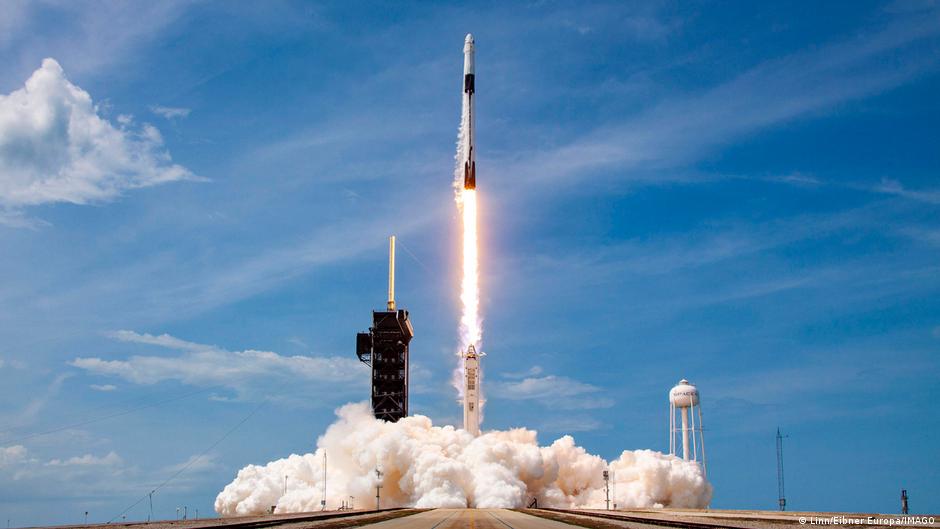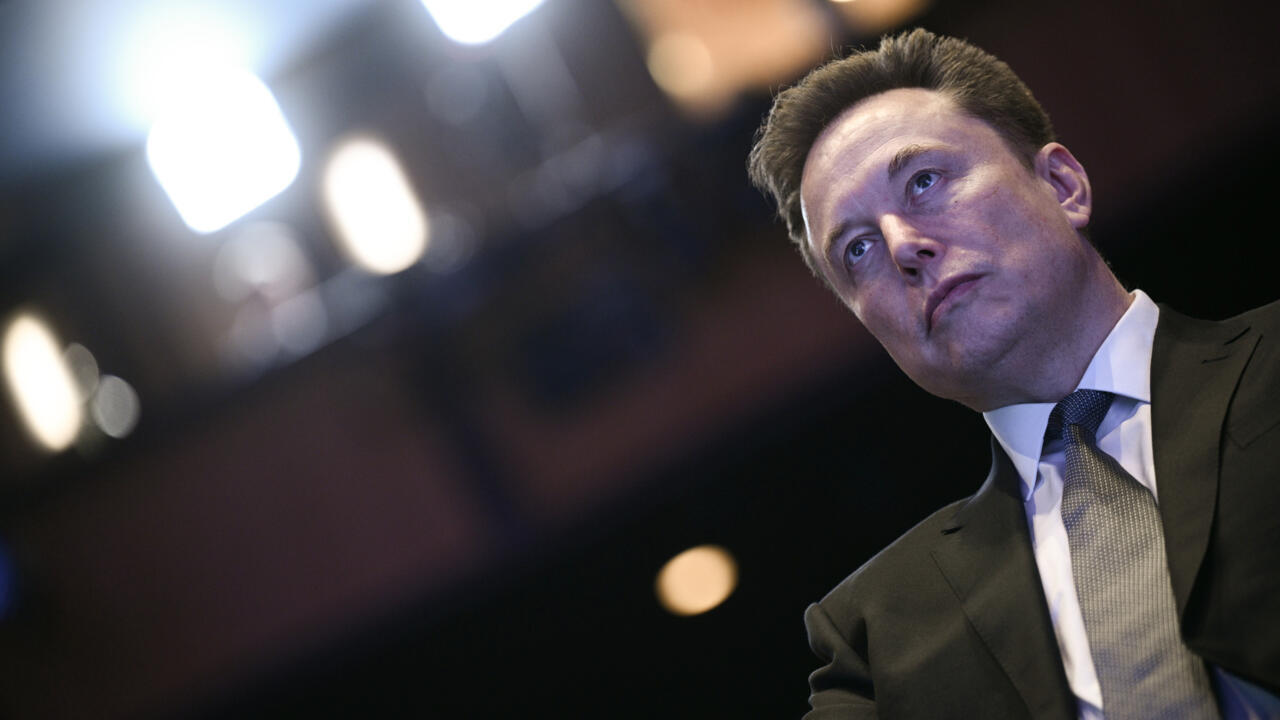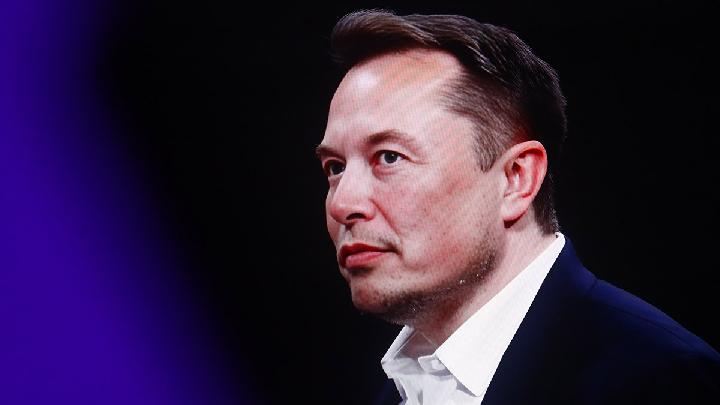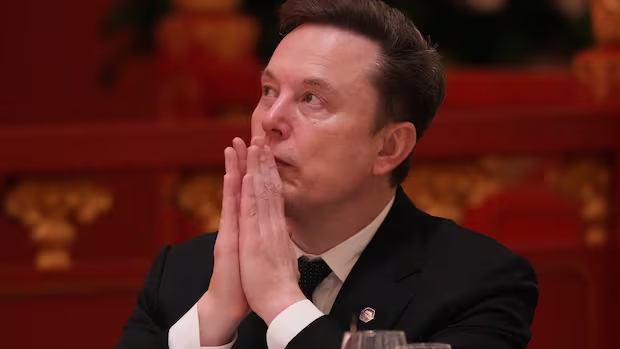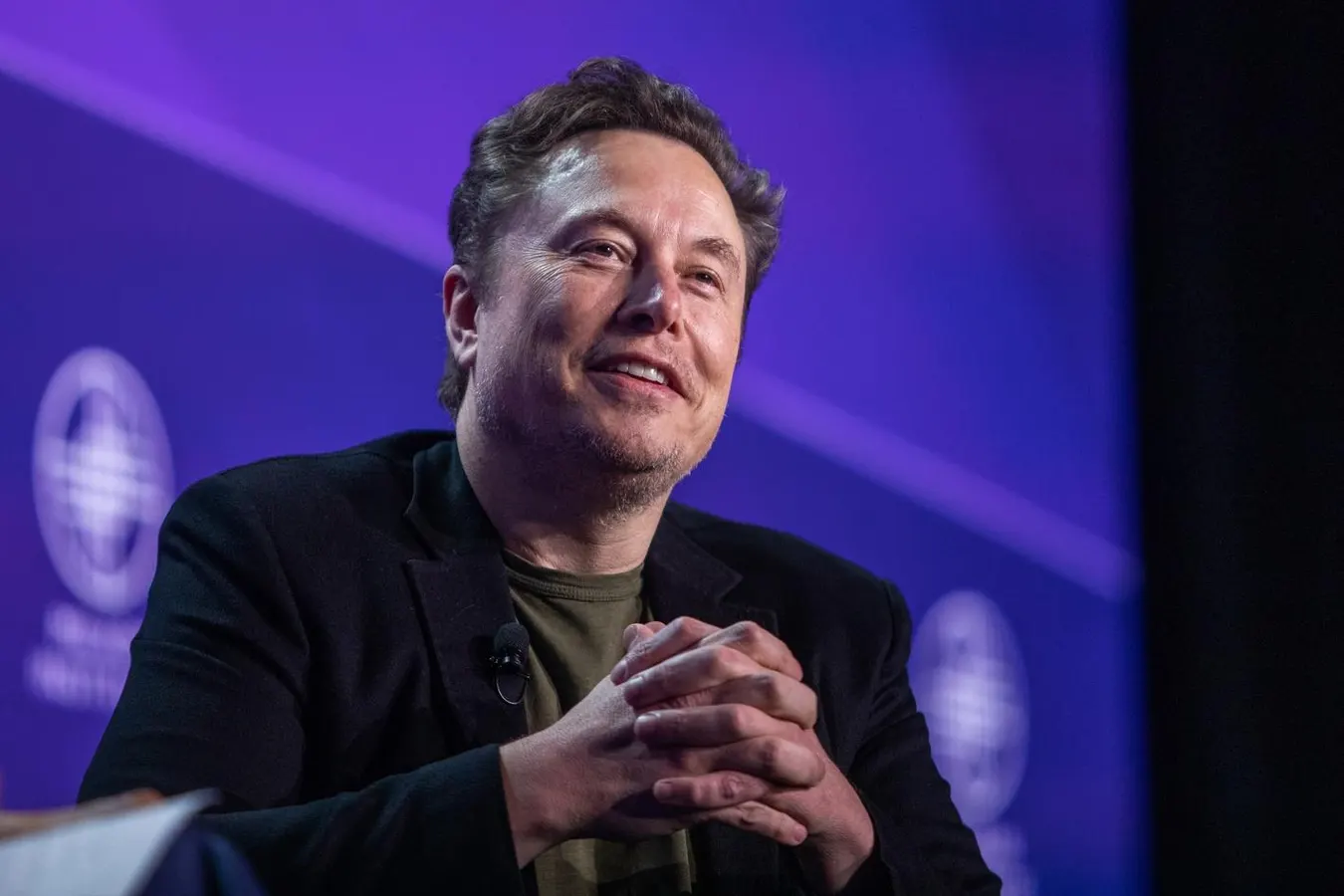
SpaceX took the wraps off its IPO filing on Wednesday, opening the books of the company that has already revolutionized rocket technology, with even larger ambitions to colonize Mars and build AI data centers in space. The listing is poised to become the first trillion-dollar U.S. market debut and could set the stage for a number of monumental IPOs in coming months, among them potentially technology giants OpenAI and Anthropic. The sale would immediately cement SpaceX as one of the world's most valuable publicly traded companies, the second in Elon Musk's sprawling business empire to surpass $1 trillion in market value. SpaceX has grown into the world's largest space business since its founding in 2002 by launching thousands of Starlink internet satellites. Its pioneering use of reusable rockets has transformed the economics of space, forcing competitors like Jeff Bezos' Blue Origin to play catch-up. A successful sale could value the company at a record-setting $1.75 trillion, which would put its founder on track to become the first trillionaire in history, validating years of defying accepted logic through the development of rockets that can land and be flown again. The company's regulatory disclosure comes during a critical week for the rocket maker, which is preparing to launch a test flight of its next-generation Starship rocket. Musk's plans for lunar and Mars missions and to expand its Starlink satellite internet business depend on the new rocket. The test launch, originally scheduled for Tuesday, is now expected later this week. The board has given Musk control over the company, but ties much of his compensation to audacious targets of establishing a permanent human colony on Mars and building space data centers with compute capacity powered by the equivalent of 100 terawatts, or 100,000 one-gigawatt nuclear reactors, Reuters previously reported. 'HALO EFFECT' Musk's CEO celebrity persona may matter more to some investors than SpaceX's underlying business fundamentals, analysts and academics said, because there are no other comparable companies against which to benchmark its valuation. "There is somewhat of a halo effect around Musk and his unconventional vision," said Reena Aggarwal, a finance professor at Georgetown University. "It is difficult to value companies like this because there is no peer group for comparison." The $1.75 trillion valuation target, if achieved, would eclipse Saudi Aramco's 2019 offering, which set a record for the world's biggest IPO when it debuted on Riyadh's exchange at a value of $1.7 trillion. SpaceX had planned to try to raise more than $75 billion in the offering, Reuters previously reported. The scale of the offering has drawn attention to the increasingly interconnected structure of Musk's business empire, often dubbed the "Muskonomy," which includes leading electric vehicle company Tesla, as well as his businesses in artificial intelligence and brain-chip implants. SpaceX merged with Musk's artificial intelligence startup xAI in a deal that valued the rocket company at $1 trillion and the developer of the Grok chatbot at $250 billion. Concerns about Musk's ability to juggle multiple companies with combined market values exceeding trillions could weigh on investor sentiment, analysts said. SPACE RACE The race to commercialize space has intensified as private companies led by SpaceX and Blue Origin compete to slash launch costs, deploy satellite networks and secure government contracts. Once dominated by state agencies such as NASA and Russia's Roscosmos, the sector is now drawing billions in private capital. SpaceX's revenue is driven by Starlink, the world's largest satellite operator. The network of about 10,000 satellites offers broadband internet to consumers, governments and enterprise customers. But the company's expanding footprint across aviation, maritime and enterprise markets is helping turn capital-intensive space projects into a recurring revenue engine. IPO PUSH AND PULL High-profile AI firms, including OpenAI and Anthropic, are also exploring potential public listings later in 2026. Demand for SpaceX's listing could influence the timing and appetite for other upcoming IPOs. SpaceX plans to earmark a significant portion of shares for retail investors and will host about 1,500 of them at an event in June following the IPO roadshow launch, Reuters reported in April. The company is expected to list on the Nasdaq under the ticker symbol 'SPCX.' Goldman Sachs, Morgan Stanley, Bank of America, Citigroup and J.P. Morgan are the bookrunners.
Bound for Mars, Elon Musk's SpaceX unveils filing for blockbuster IPO
SpaceX has filed for its initial public offering. The company aims for a trillion-dollar market debut. This listing could set a precedent for future IPOs from major tech firms. SpaceX's valuation could reach $1.75 trillion.
701 words~3 min read