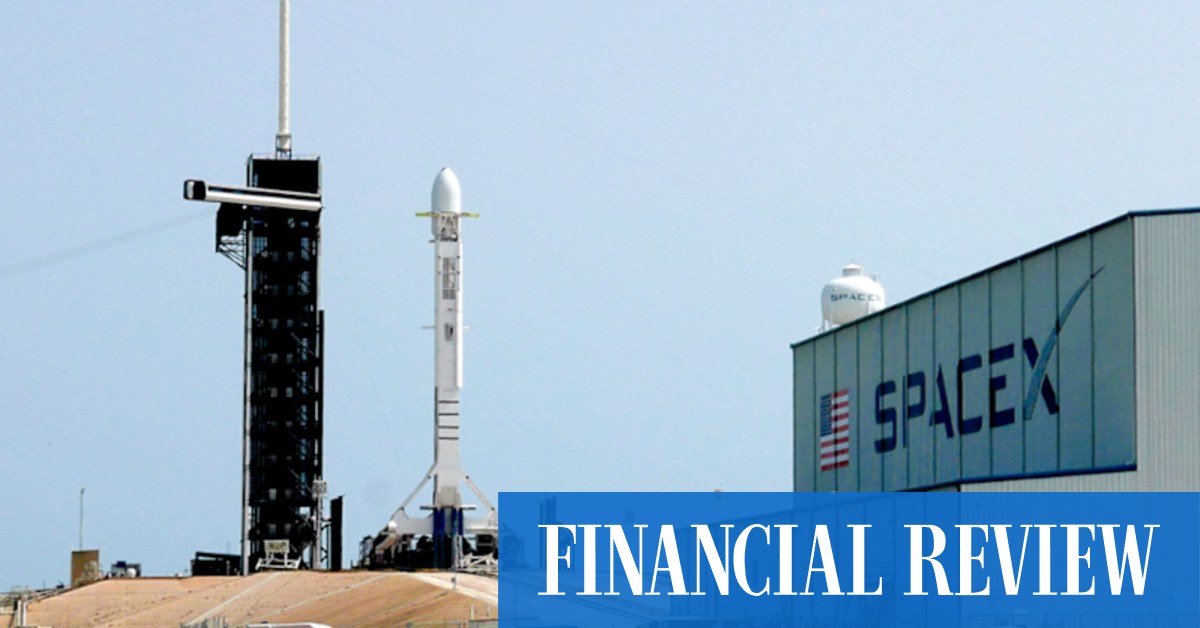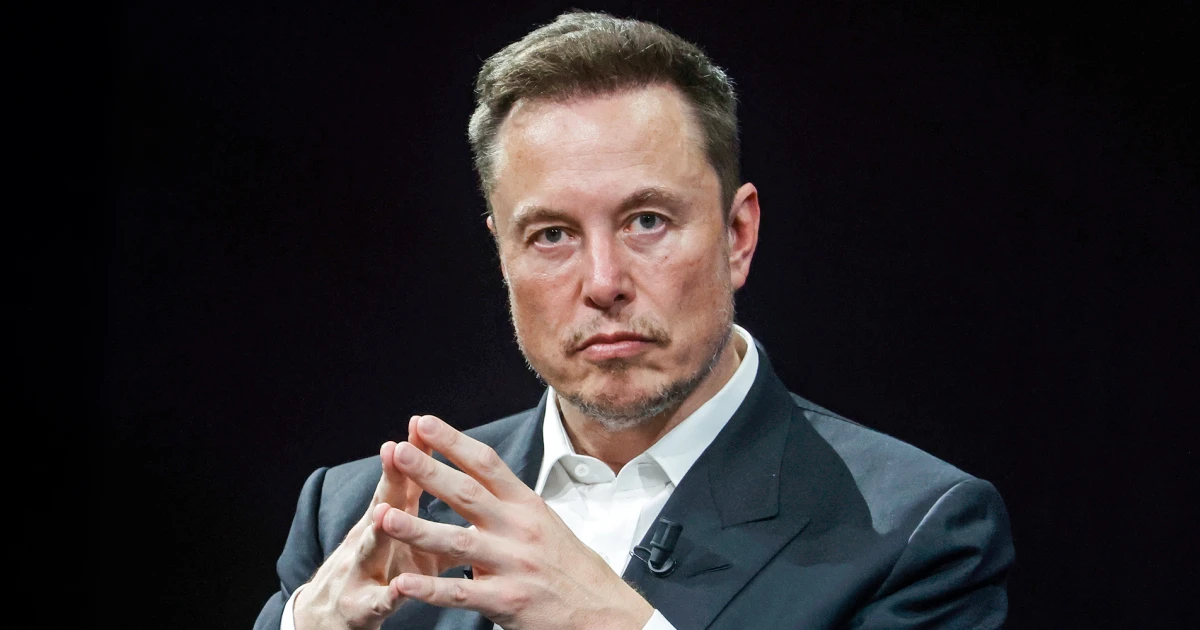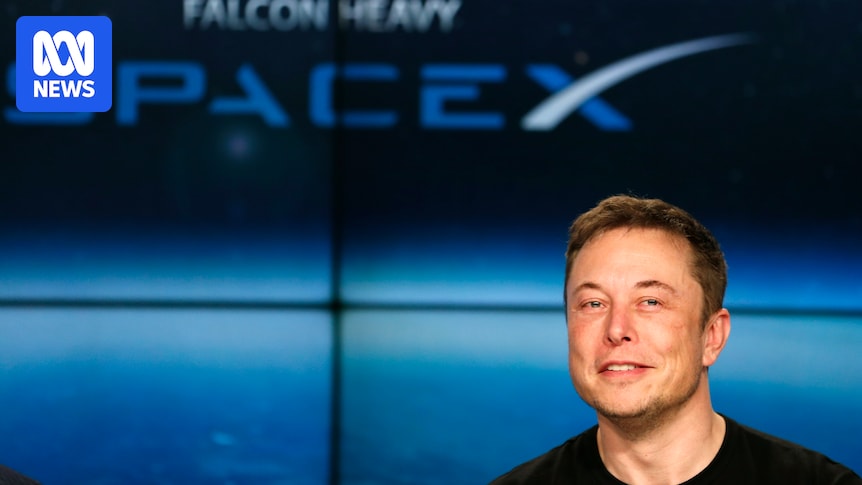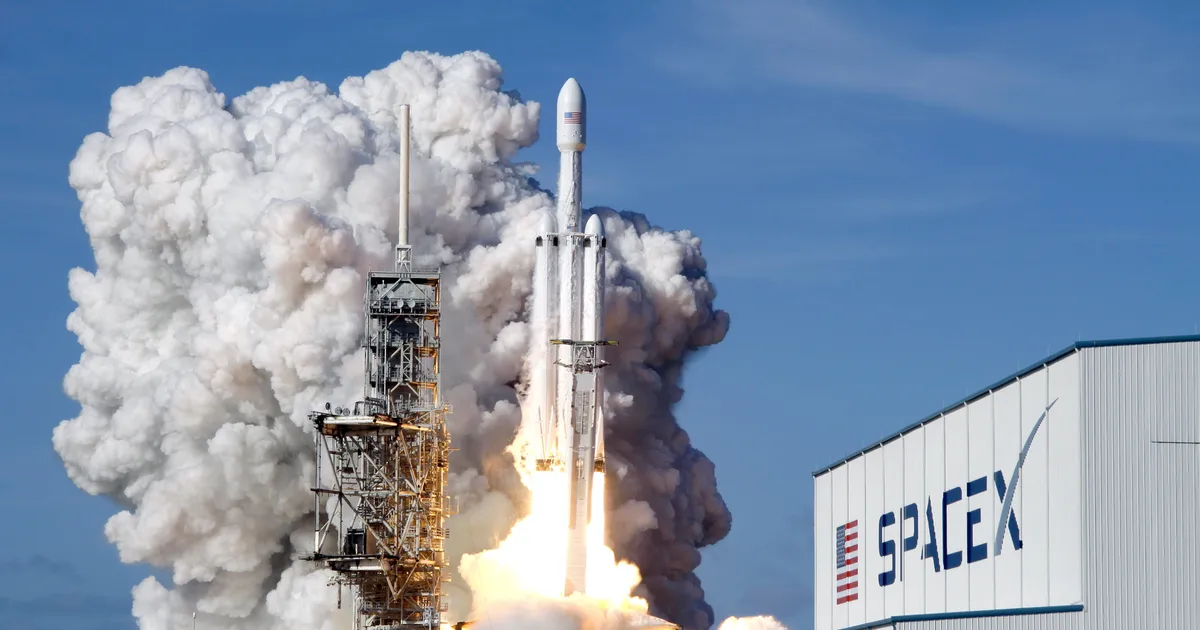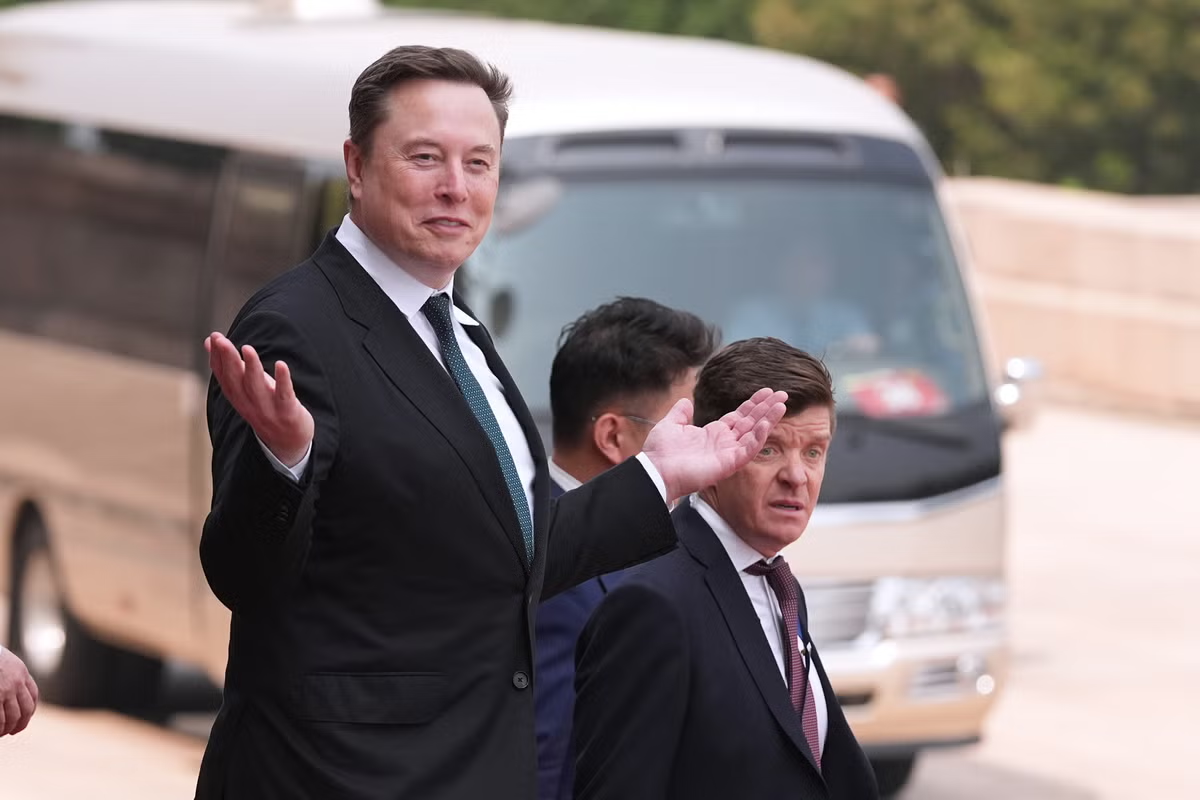
SpaceX has unveiled its initial public offering (IPO) filing, revealing the financial intricacies of a company that has already redefined rocket technology and harbors even grander ambitions, from colonizing Mars to establishing AI data centers in space. This monumental listing is poised to become the first U.S. market debut to surpass a trillion-dollar valuation, potentially paving the way for other significant IPOs in the coming months, including those from technology giants OpenAI and Anthropic. A successful offering would immediately position SpaceX as one of the world’s most valuable publicly traded companies, marking the second entity within Elon Musk's expansive business empire to exceed a $1 trillion market capitalization.Since its inception in 2002, SpaceX has ascended to become the globe’s largest space enterprise, primarily through the deployment of thousands of Starlink internet satellites. Its pioneering adoption of reusable rockets has fundamentally altered the economics of space travel, compelling rivals like Jeff Bezos' Blue Origin to accelerate their own advancements.While SpaceX initially gained prominence for its rocket manufacturing and satellite launches, the majority of its $18.67 billion revenue last year stemmed from its Starlink satellite internet service. Much of its projected future growth is now tied to artificial intelligence-related ventures, though its nascent xAI unit is currently operating at a loss, according to the recent filing.Should the sale achieve its target, the company could be valued at a record-setting $1.75 trillion. This valuation would place its founder on a trajectory to become the world's first trillionaire, validating years of challenging conventional wisdom through the development of rockets capable of landing and being reused.The company's regulatory disclosure arrives during a pivotal week for the rocket manufacturer, which is preparing for a test flight of its next-generation Starship rocket. Musk’s ambitious plans for lunar and Mars missions, alongside the expansion of its Starlink satellite internet business, are heavily reliant on the success of this new rocket. The test launch, initially slated for Tuesday, is now anticipated later this week.SpaceX’s board has granted Musk extensive control over the company, with a significant portion of his compensation linked to audacious objectives such as establishing a permanent human colony on Mars and constructing space data centers with compute capacity equivalent to 100 terawatts, or 100,000 one-gigawatt nuclear reactors, as previously reported. The company aims to list its shares as early as June 12, with a roadshow launch targeted for June 4 and the share sale expected by June 11, according to recent reports.Analysts and academics suggest that Musk's celebrity persona may hold more sway with some investors than SpaceX's underlying business fundamentals, largely due to the absence of comparable companies against which to benchmark its valuation. (Reuters)The company has stated it is targeting a potential total market of $28.5 trillion across its various businesses, with the majority of this prospective revenue linked to AI.The $1.75 trillion valuation target, if achieved, would eclipse Saudi Aramco's 2019 offering, which set a record for the world's biggest IPO when it debuted on Riyadh's exchange at a value of $1.7 trillion. SpaceX had planned to try to raise more than $75 billion in the offering, Reuters previously reported.The scale of the offering has drawn attention to the increasingly interconnected structure of Musk’s business empire, often dubbed the "Muskonomy," which includes leading electric vehicle company Tesla TSLA.O, as well as his businesses in artificial intelligence and brain-chip implants.The race to commercialize space has intensified, with private companies led by SpaceX and Blue Origin fiercely competing to reduce launch costs, deploy satellite networks, and secure lucrative government contracts. Once the exclusive domain of state agencies like NASA and Russia's Roscosmos, the sector is now attracting billions in private capital. SpaceX's revenue is primarily driven by Starlink, the world's largest satellite operator. Its network of approximately 10,000 satellites provides broadband internet to consumers, governments, and enterprise clients. The company's expanding presence across aviation, maritime, and enterprise markets is transforming capital-intensive space projects into a consistent revenue stream.High-profile AI firms, including OpenAI and Anthropic, are also exploring potential public listings later in 2026. The demand generated by SpaceX’s listing could significantly influence the timing and investor appetite for these upcoming IPOs. SpaceX intends to allocate a substantial portion of shares to retail investors and plans to host approximately 1,500 of them at an event in June, following the IPO roadshow launch, as reported in April. The company is expected to list on the Nasdaq under the ticker symbol 'SPCX,' with Goldman Sachs, Morgan Stanley, Bank of America, Citigroup, and J.P. Morgan serving as the bookrunners.
SpaceX has officially filed to go public, a move expected to make Musk a trillionaire
Should the sale achieve its target, the company could be valued at a record-setting $1.75 trillion
750 words~3 min read