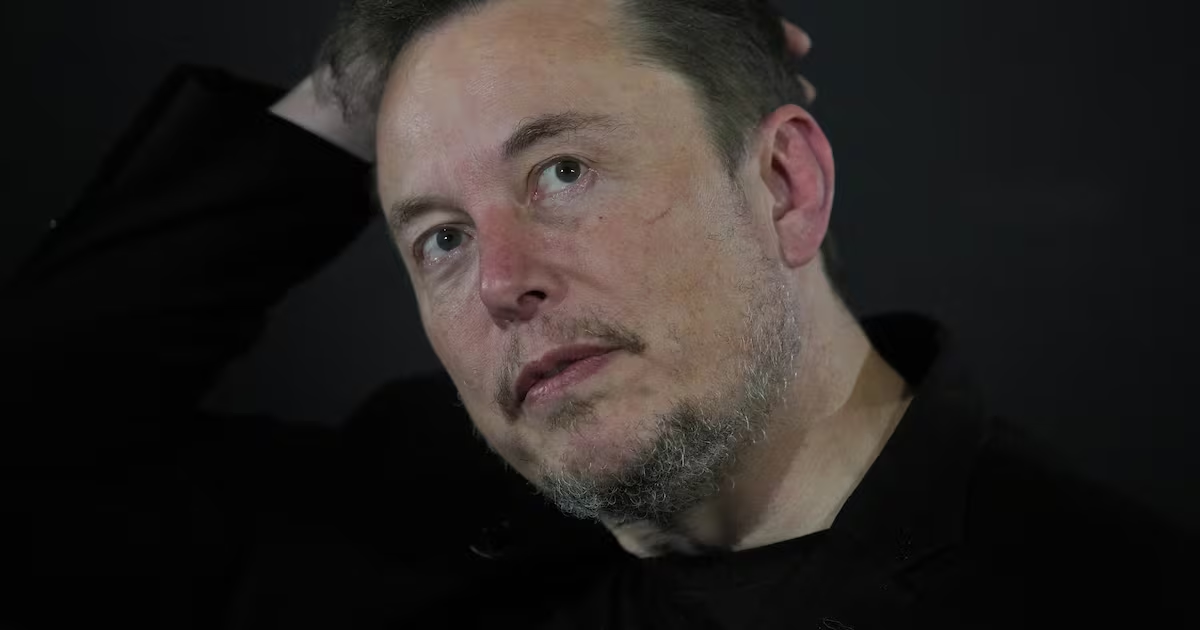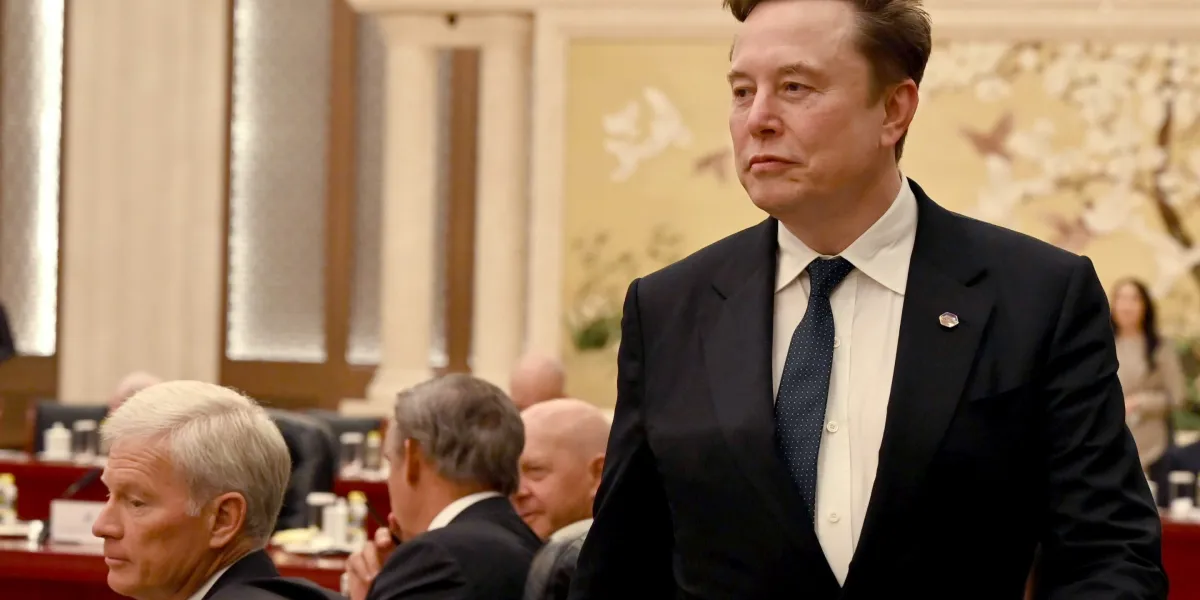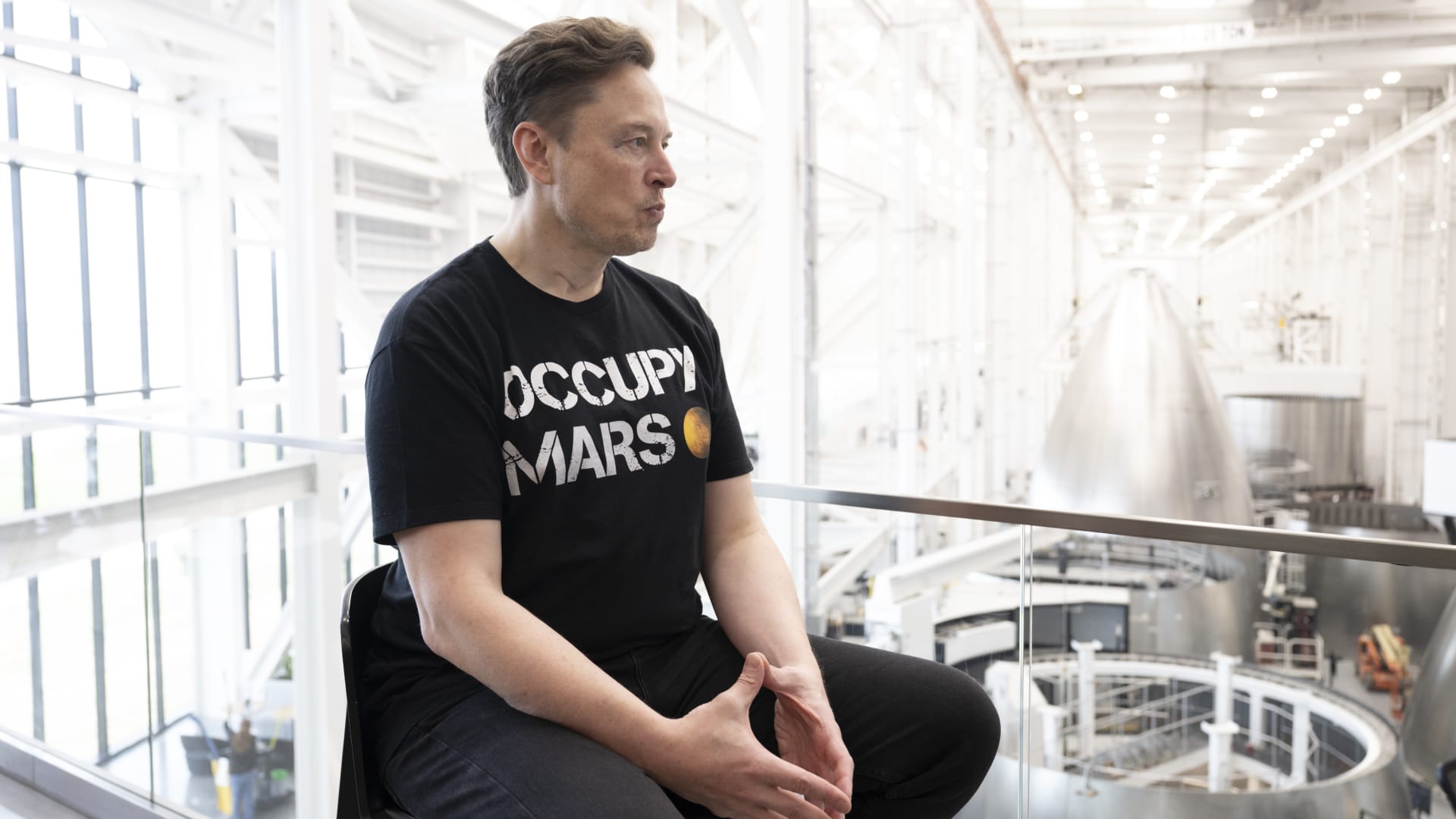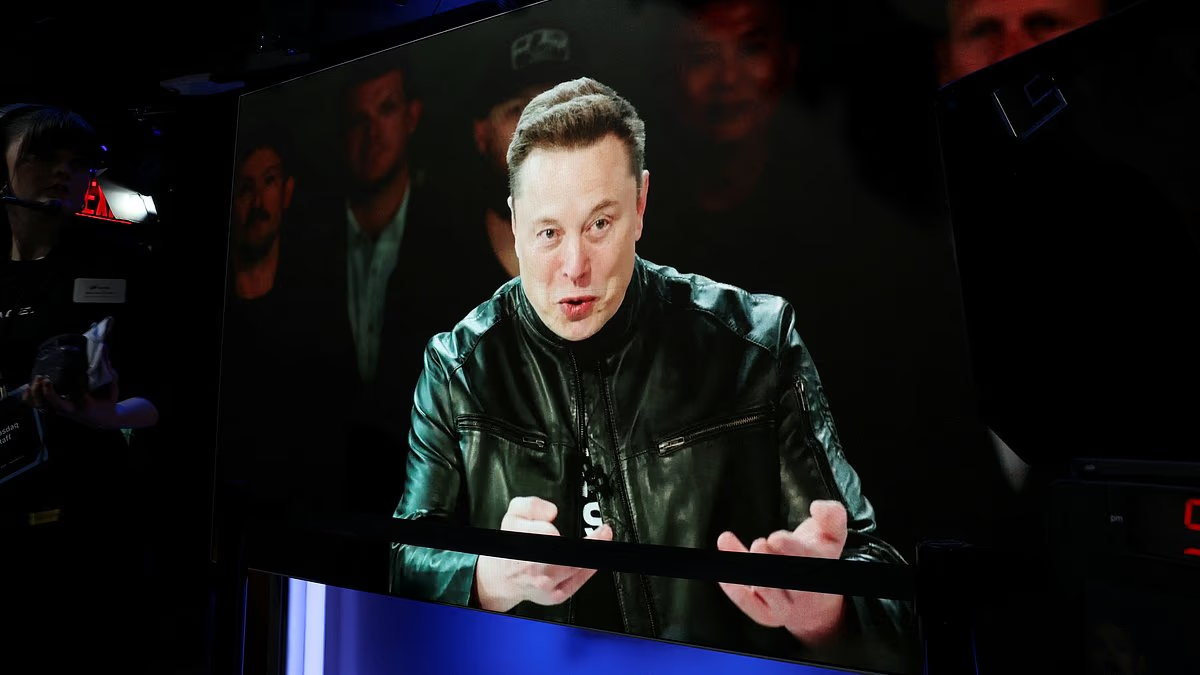
Is the flotation of Elon Musk’s SpaceX venture on the US Nasdaq exchange a beacon for the future of earthly capital markets and interplanetary relations, or just bonkers? The answer is it’s both, as well as being a stratospheric ego trip for Musk himself, who according to the prospectus will not only retain 85 per cent of the company’s voting rights but will also be awarded an extra billion shares if it succeeds in establishing ‘a permanent human colony on Mars’. In every sense, like Star Trek’s USS Enterprise, this spaceship is heading where no man has gone before.
On the positive side, SpaceX’s Starlink satellite internet constellation, with ten million subscribers, is already profitable. And its satellite launch service has pioneered reusable rockets, dramatically reducing the cost of sending anything into orbit and making Musk’s ambition to put low-cost AI-data centres in space a serious possibility. On the scarier side, the indicated $1.7 trillion valuation represents a multiple of 80 to 90 times current revenues, beyond even dotcom-boom levels; the prospectus admits SpaceX’s mix of tested science and science fiction ‘may not achieve or, if achieved, sustain profitability in the future’; and there’s the uncountable risk factor of what one analyst calls ‘Musk-amplified volatility’.