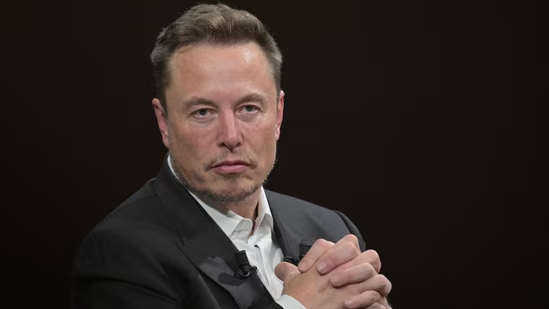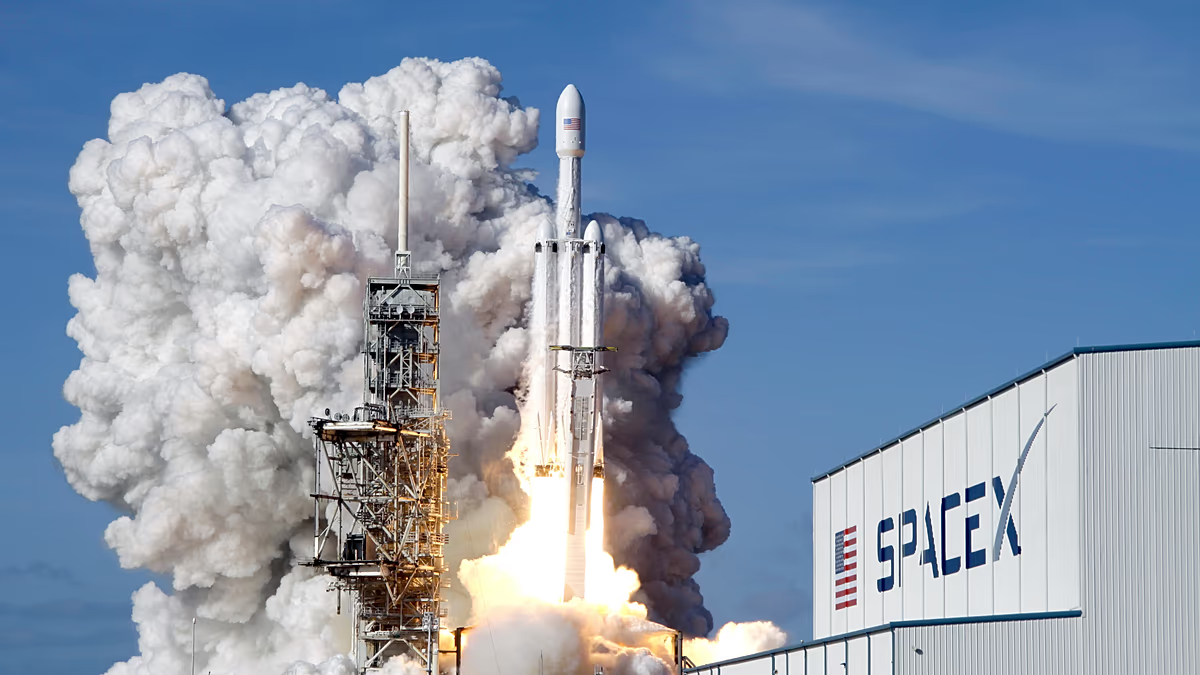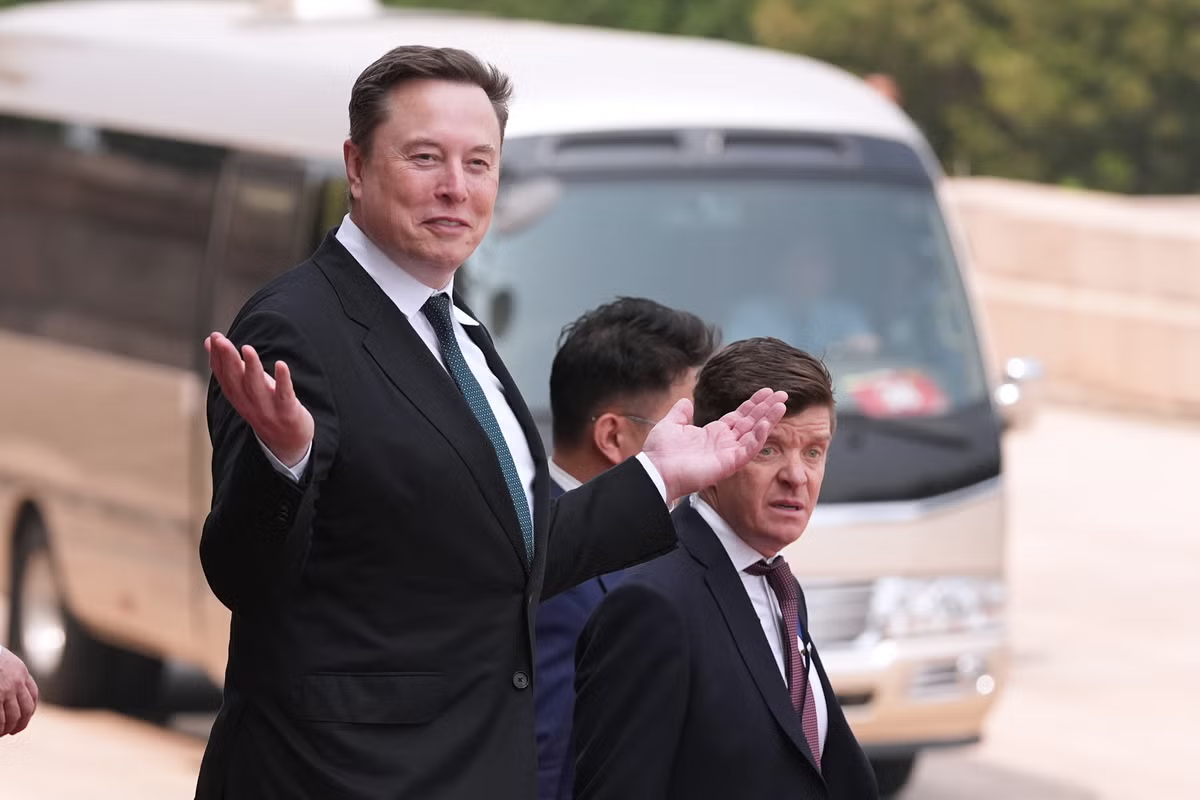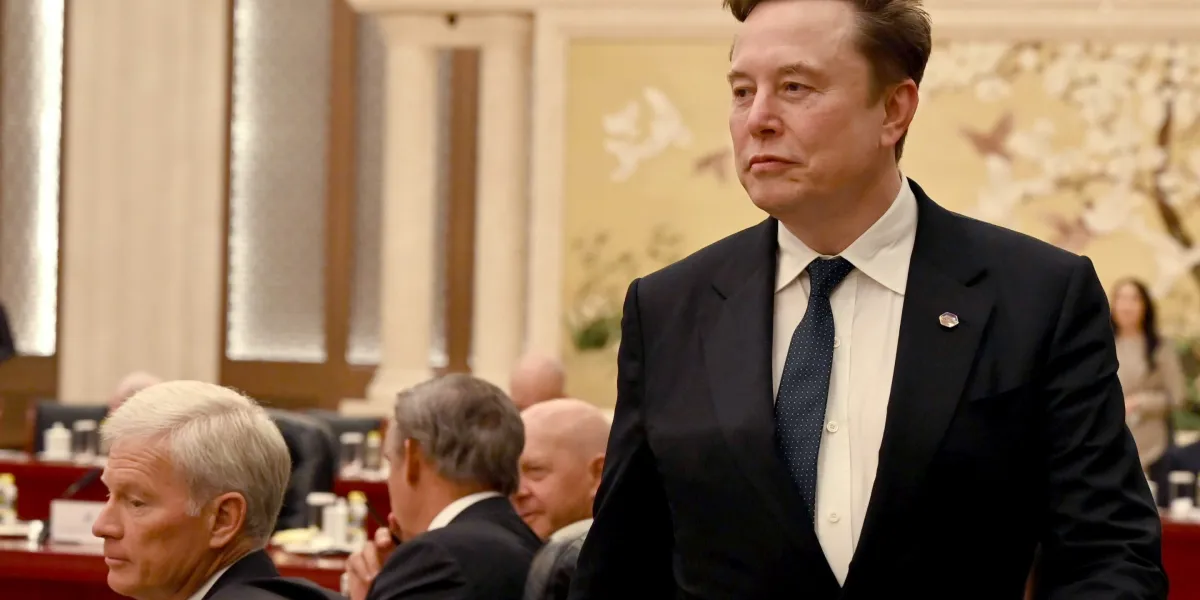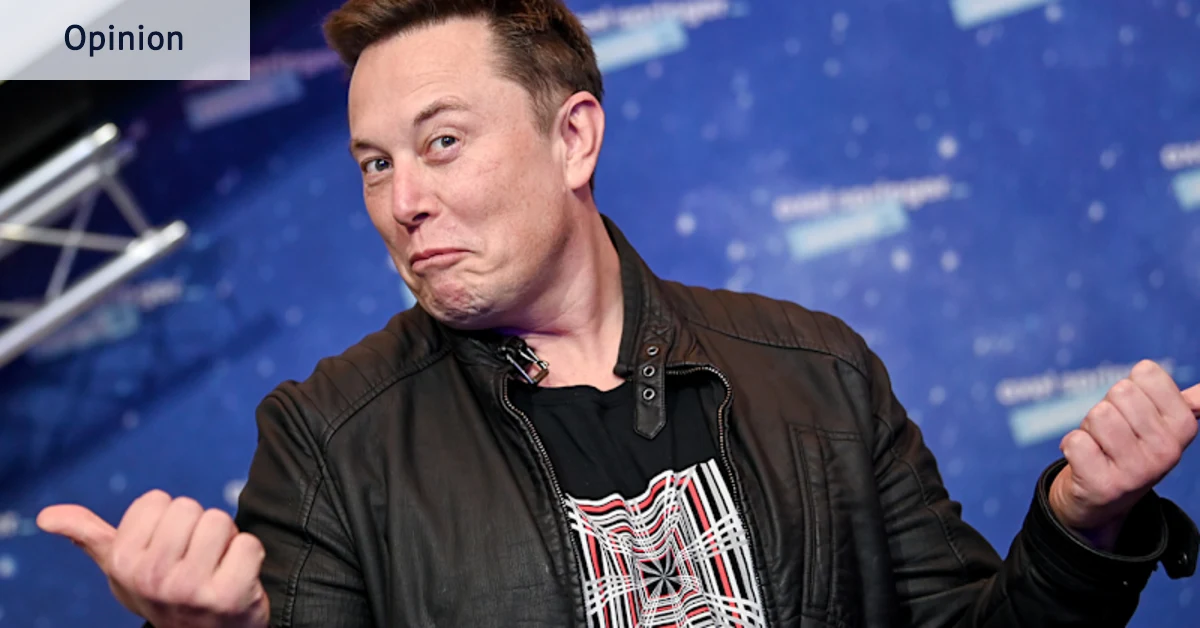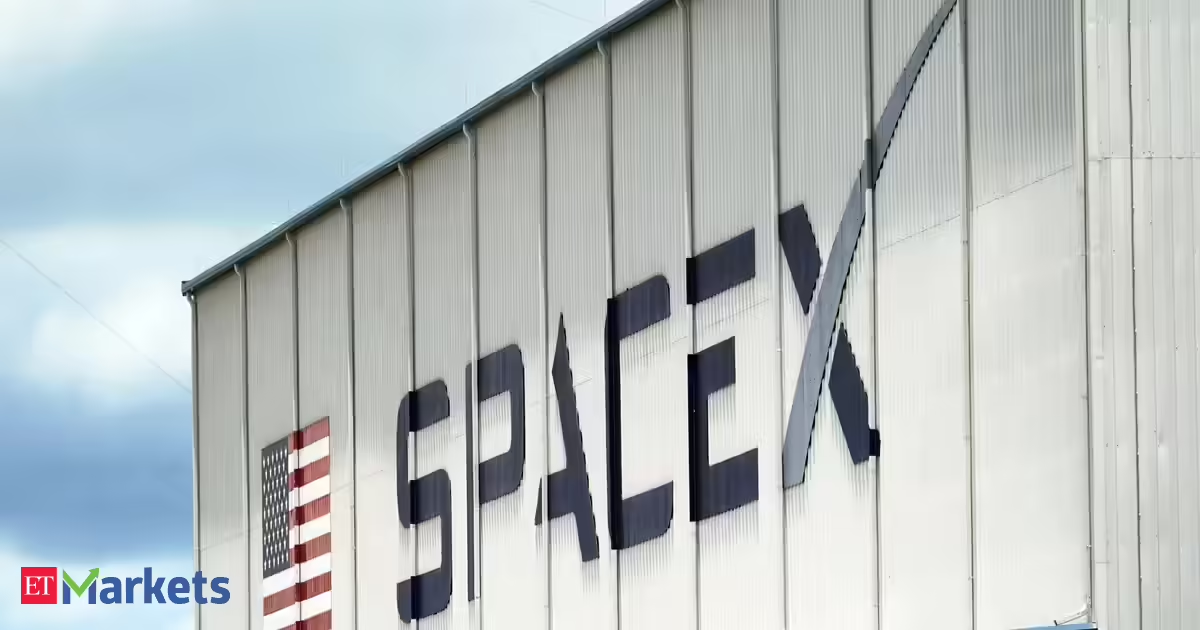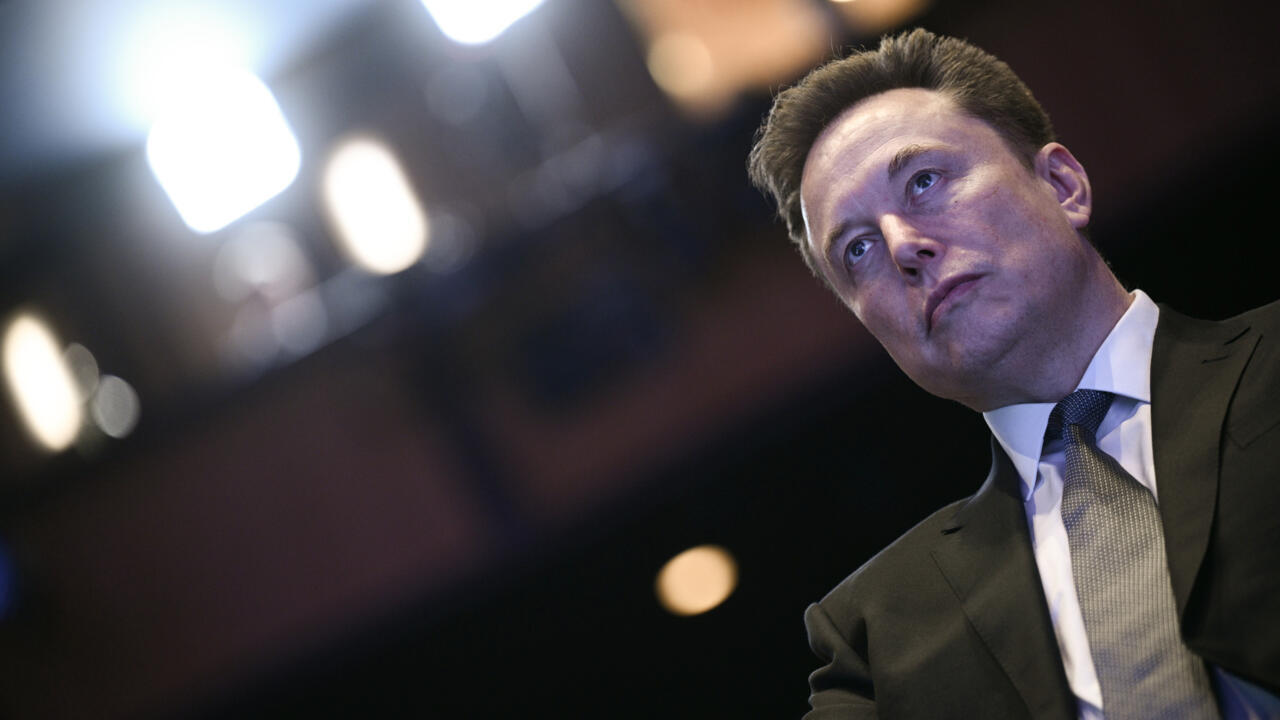
SpaceX’s imminent public listing is being touted as potentially the biggest IPO yet. The company is seeking a valuation of about $1.75-trillion as it promises the moon and stars, almost literally.Its 200,000 word flotation prospectus ― which the Financial Times describes as “surely the most audacious ever published” ― details ambitious plans across SpaceX’s three divisions: its eponymous rocket production, Starlink and xAI (which now encompasses social media platform X).And the dream of going to Mars has returned prominently ― albeit shielded by legalese that skirts any commitments to timelines. “The current paradigm, in which human civilisation is confined to one planet, exposes humanity to existential threats that are unpredictable and uncontrollable on a planetary scale,” it states. “By moving beyond the only home we have ever known, we ensure species-level redundancy and that the light of consciousness will not be tied to a single planet subject to the inevitable hazards of a harsh and vast universe. We do not want humans to have the same fate as dinosaurs.”Do you remember when we were all excited going to Mars? It wasn’t all that long ago that it was a legitimate talking point and ambition.Elon Musk has been toying with the idea since the mid-2000s, but it was arguably his 2014 interview with late-night TV host Stephen Colbert, in which he called for the surface of the planet to be nuked, that started the first serious romantic affair with the idea. We spent the next half-decade venerating the SpaceX and Tesla founder as an uber-visionary.Planetary exploration was the natural extension of human ambition. It was normal in polite conversation to assume that we all knew the reasons for colonising Mars. Ask someone why exactly we would want to visit a red rock very far away ― let alone the tangible benefits to our species ― and they are likely to mumble something about progress.In that period Musk continually moved the goal posts on when we were first going to land there. At some point it was 2024 (it did not happen), eventually settling on the latest estimate of the early 2030s.But then Musk refashioned himself as an anti-woke Twitter troll non grata. Or perhaps he just got tired of pretending otherwise. Regardless, the result was that the liberal left disavowed him as one of their luminaries. Driving a Tesla ceased being a symbol of clean energy; maligning it on social media became the new virtue signalling.With the fall, the Mars dream was silently killed off. Coming from that side of the political spectrum the idea of colonisation was, well, a little less palatable. But the IPO has now resurrected the prospect in our collective consciousness. And it’s an interesting one to consider.There’s no question that the hope of Mars inhabitation is not central to the trillion dollar hopes of the company. This being 2026, AI naturally fulfils that role ― despite the prospectus revealing that the unit made a $6.4bn loss last year.Plans to launch solar-powered orbital data centres are genuinely exciting. The environmental impact of AI infrastructure is one of the major issues of our time: solving it so elegantly would do the planet a huge service while leaping ahead of the competition. Meanwhile, Starlink is the only arm of the company that is profitable, bringing in $11.4bn of revenue.Given these very real near- and medium-term goals, the sceptic would be forgiven for thinking the Mars ambitions primarily serve to add some sprinkles on the cake served to investors. Mythology can be just as important as numbers. The riposte would be that there are genuine incentives for Musk to realise his dream. He would effectively unlock a billion shares should he establish a million-person colony on Mars. Fair enough. Except when we ponder it for a second we realise how preposterous that number is. A human being has yet to step foot on the inhospitable planet. Even the most quixotic reckoning will struggle to explain how we will cajole, train and send another 999,999 of them across 225-million kilometres of space.Ultimately, any haggling over the details is likely to be academic in the long term. The shares are structured to give Musk 85% control of SpaceX. He is already the world’s richest man, with a net worth double that of his nearest rival. Any change in direction ― whether to Mars, away from AI or anywhere else ― will in effect be at his discretion.Anybody looking to go along with the SpaceX ride is likely to be under no illusions about that. Despite the vaunted visionary prowess of the tech billionaire, the species also possesses a famously fickle attention span.• Feltham is Business Day editor-in-chief.
LUKE FELTHAM | Musk’s Mars dream resurrected in SpaceX’s $1.75-trillion IPO
Goal more symbolic among investors, given implausibility of establishing colony soon
775 words~4 min read