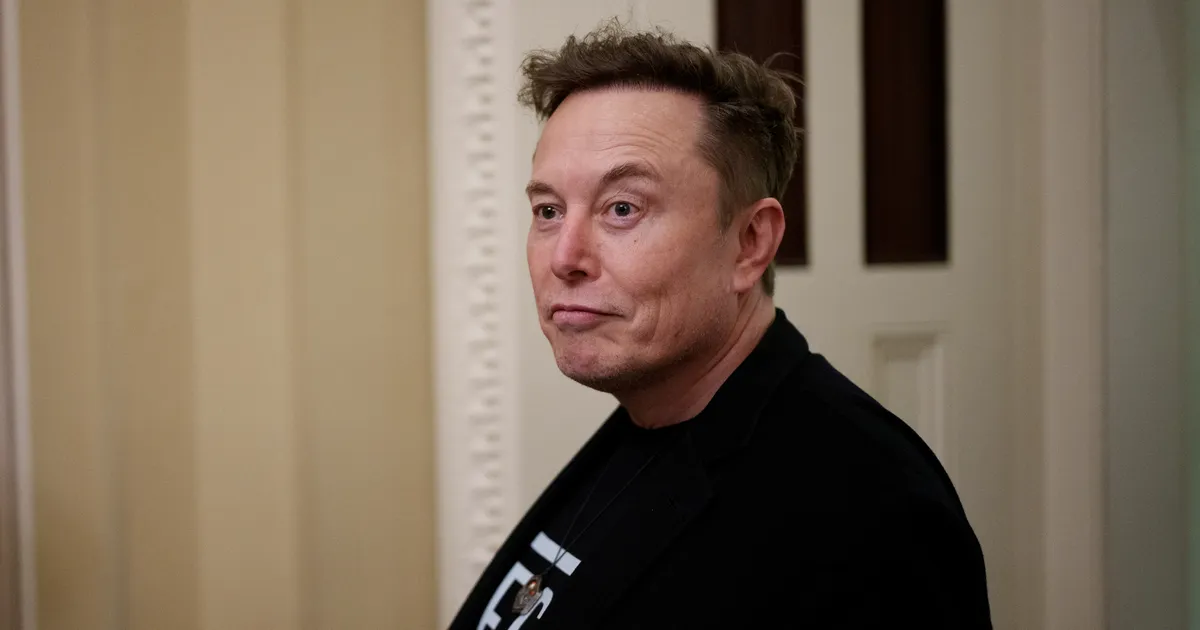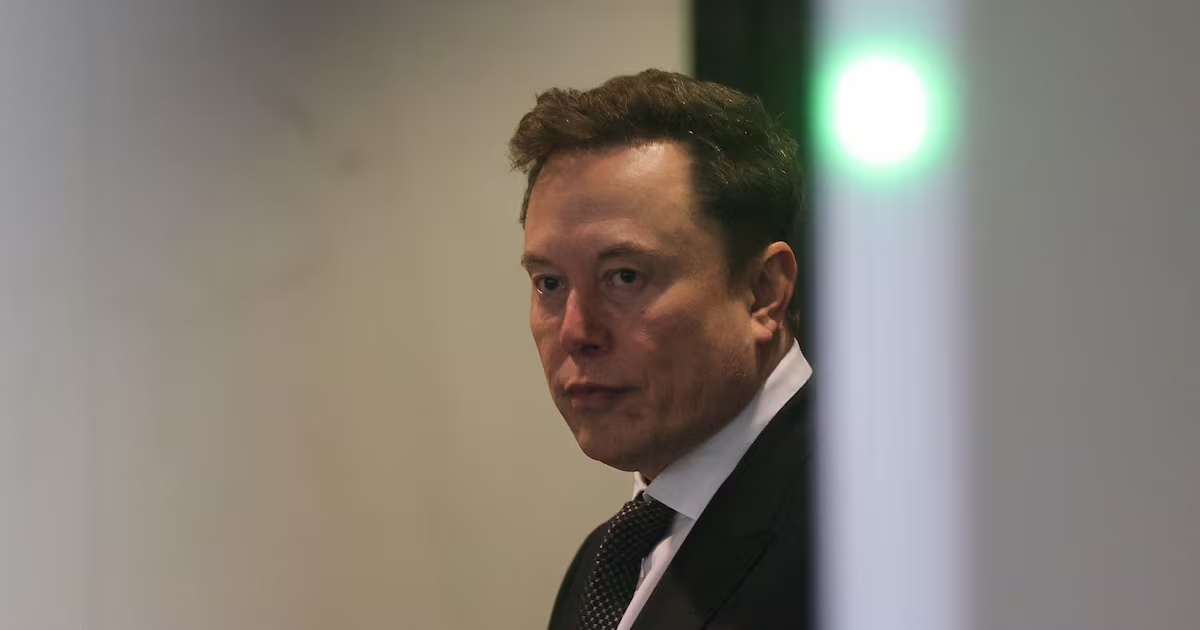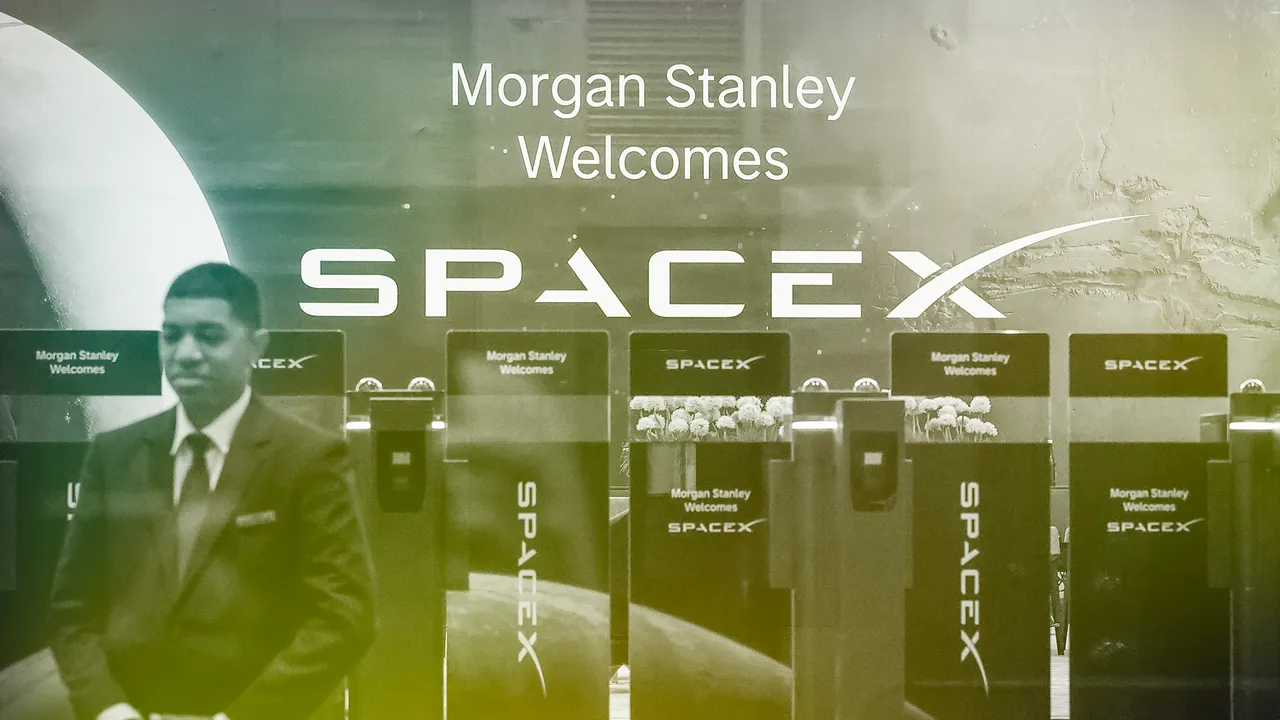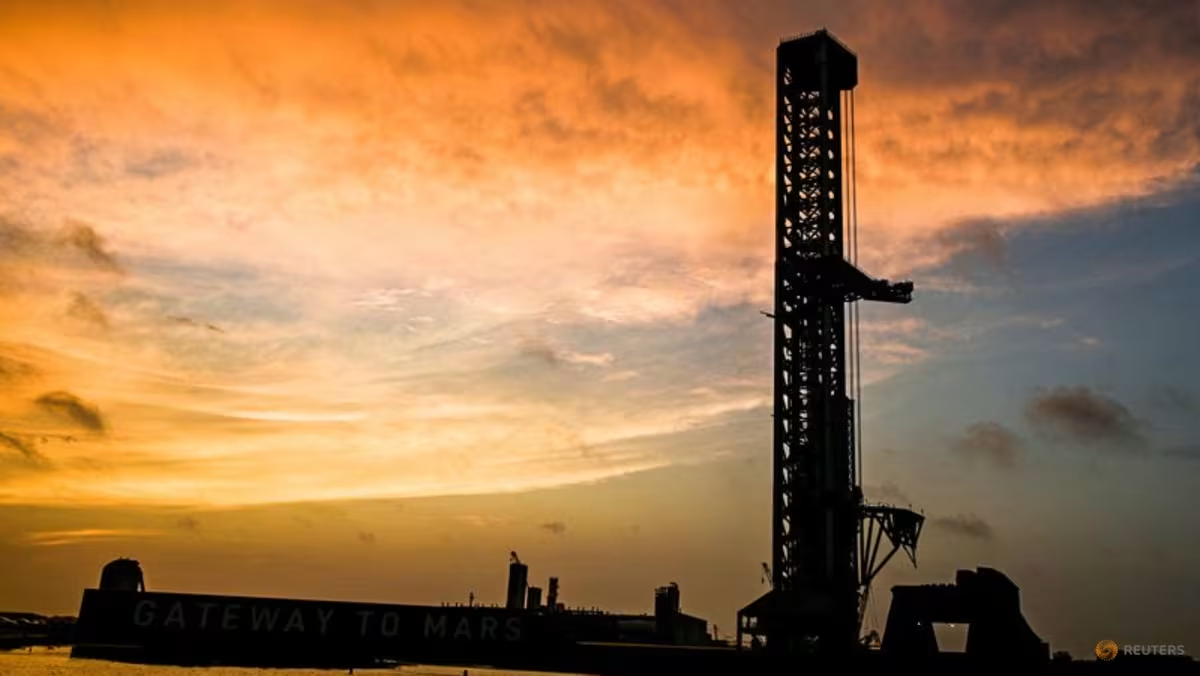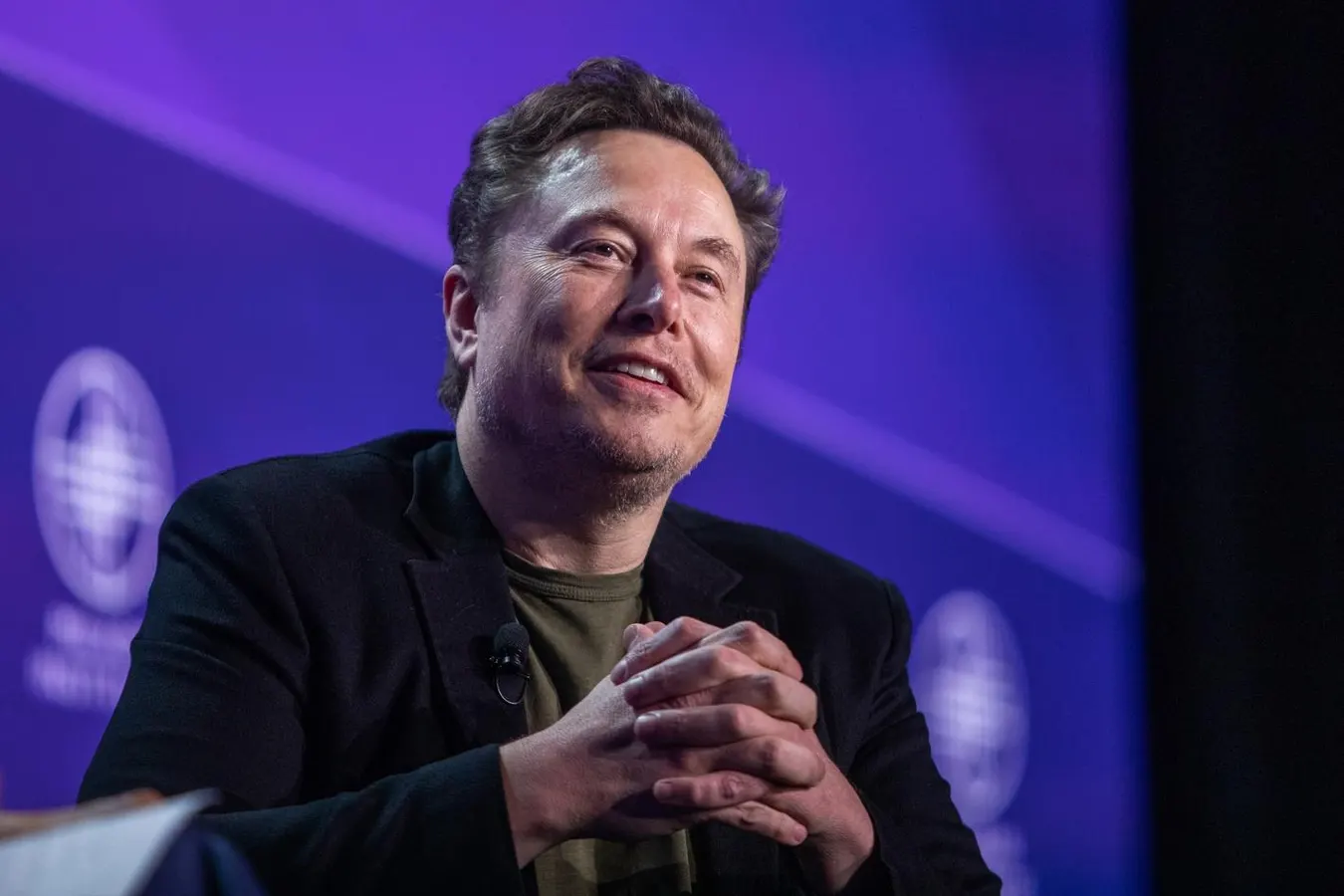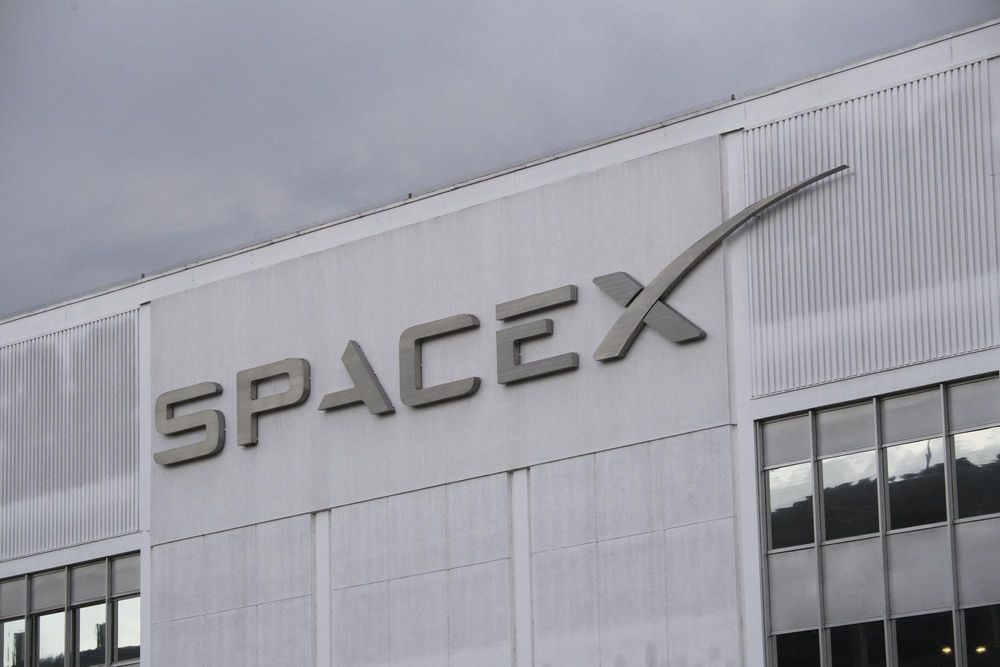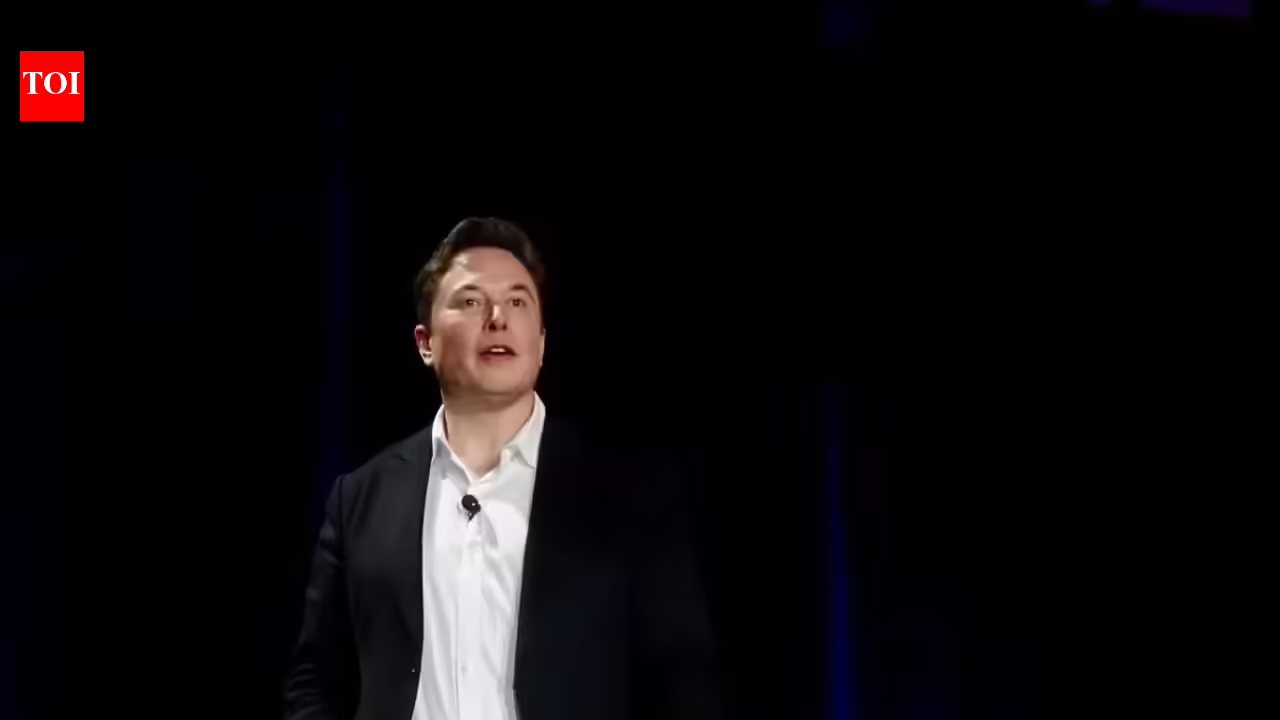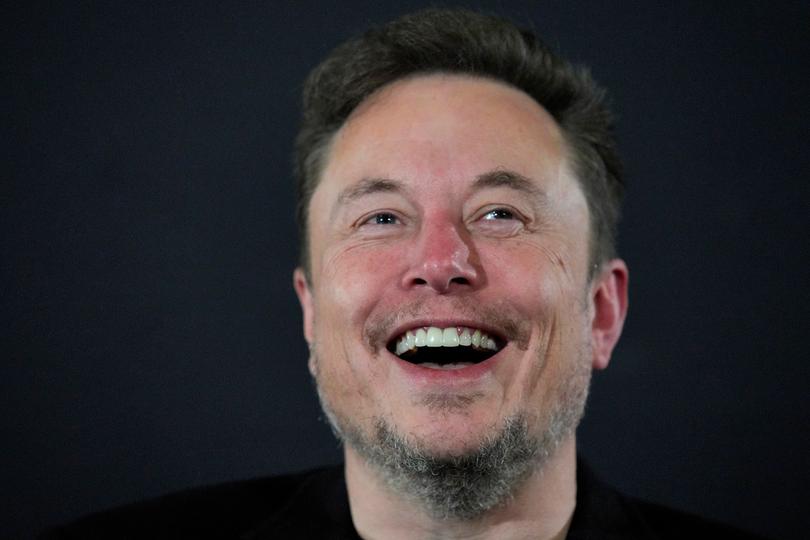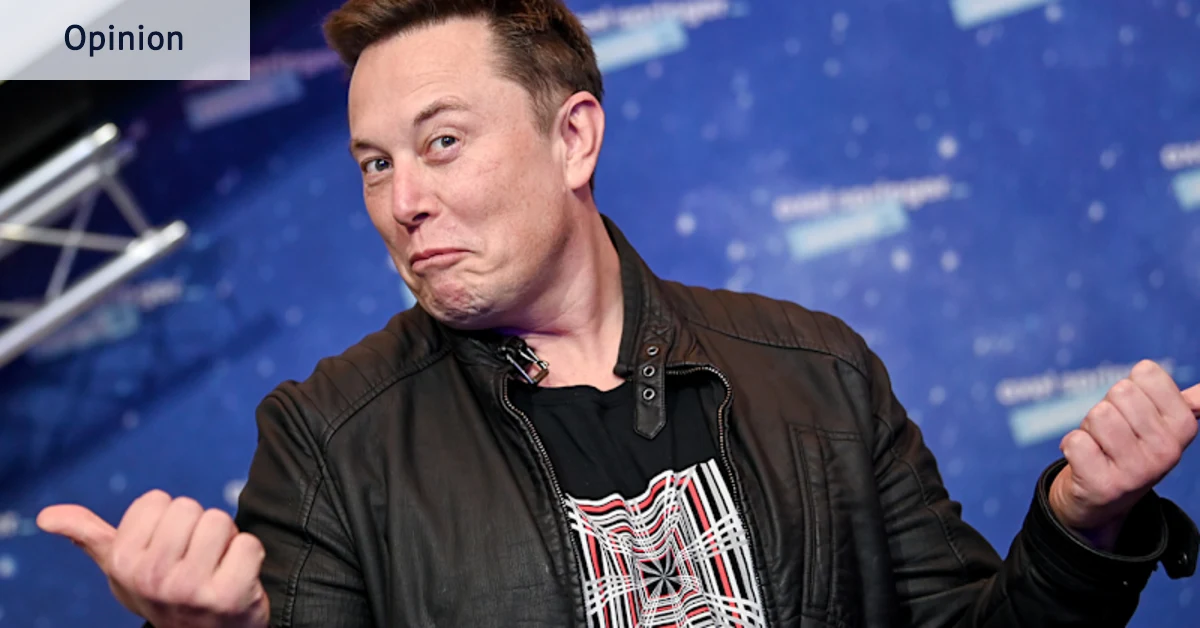
OpinionMay 21, 2026 — 12:11pmHow do you value a vision? Elon Musk, who filed the public prospectus for the initial public offering of his SpaceX overnight, values his at $US1.75 trillion ($2.45 trillion).It takes imagination, or blind faith in Musk, to assign that magnitude of value – the IPO could capitalise SpaceX at as much as $US2 trillion – to a business that lost $US4.3 billion on revenue of $US4.7 billion in the first three months of this year alone.The float, however, is occurring amid the frenzy surrounding artificial intelligence and the companies racing to develop it.How do you value a vision? Elon Musk’s vision doesn’t come cheap, that’s for sure.APWith ChatGPT parent OpenAI about to file a prospectus of its own, and Anthropic not far behind it, about $US200 billion could be raised, at company valuations totalling close to $US4 trillion, by three of the leading AI players before the end of this year.At those valuations given to companies whose expenditures and growth rates far outstrip their revenues – SpaceX’s prospectus shows capital investments of $US10.1 billion in the March quarter alone, compared to $US4.1 billion a year earlier – investors are being asked to capitalise possibility.And as SpaceX depicts it, the possibilities are vast. It puts the addressable market for the businesses it envisages at $US28.5 trillion!Musk’s vision involves lunar missions, the colonisation of Mars, solar-powered data centres in space, asteroid mining and manufacturing in outer space.An IPO that, combined with his Tesla stake, may well make Musk the world’s first trillionaire, could multiply that several times over if he meets the triggers for the various incentive payments detailed in the share sale document: a market capitalisation of more than $US7.5 trillion, a permanent colony on Mars of at least a million people and space-based data centres able to deliver 100 terawatts of annual computing power.Musk’s vision, and the price tag the IPO puts on it, is fantastical. The stuff of science fiction.But it is in keeping with the markets’ broader approach to valuing AI companies -- a conviction, backed by trillions of dollars of shareholder value, that at some point in the not-too-distant future the companies will produce commercial models that deliver hyper-returns on the trillions of dollars of capital being sunk into the sector today.Musk’s vision, and the price tag the IPO puts on it, is fantastical. The stuff of science fiction.They may well do so, or at least some of them. The rate at which investors’ capital is being burnt by the companies, however, does underscore the risks being undertaken by those supplying that money.SpaceX’s IPO will be the biggest in global markets’ history. The previous record holder, in terms of dollars raised, was Saudi Arabia’s Aramco, which raised about $US26 billion when it listed in 2019. Aramco, which generates earnings of around $US100 billion a year, has a market capitalisation that falls within the $US1.75 trillion to $US2 trillion range being attributed to SpaceX.Whether SpaceX is worth anything like that amount – it valued itself at “only” $US1.25 trillion in February, after it merged with Musk xAI and X. Just over a year ago, SpaceX raised funds at a valuation of $US350 billion. In March last year, when xAI merged with X, their equity was valued at $US113 billion.There have been equity raisings by SpaceX and xAI since, at ever-escalating valuations, but that’s an extraordinary rate of escalation for entities that between them, are losing money at a rate of more than $US17 billion a year – a rate that is itself accelerating.Investors, particularly retail investors – Musk is targeting an unusually high proportion of them for his IPO – have, however, consistently backed the billionaire and his eccentric, futuristic visions. SpaceX’s value will be in the eyes and hopes of the beholders and their faith in Musk, not in its businesses today.Those businesses include the profitable Starlink satellite business, which had revenues of $US3.3 billion in the March quarter, the Starship rockets that launch the satellites and are the key to the envisioned orbital data centres ($US619 million of revenue) and the merged AI and social media business ($US818 million).Starlink generated $US1.2 billion of operational earnings in the March quarter. The rockets lost $US662 million, and AI wiped out $US6.4 billion.Not even the sky’s the limit: SpaceX.BloombergIn that quarter, $US1.33 billion was invested in the company’s satellite business, $US1 billion in the space business and more than $US7.7 billion in AI.That underscores where the value being sought has to come from, and how challenging it will be to transform the loss-generating AI investments – spending that will quickly absorb the bulk of the new capital being raised -- into something that justifies the $US1.75 trillion value imputed to SpaceX.At present, xAI lags its competitors in the development of AI and its commercialisation. Anthropic and OpenAI, along with the listed mega techs like Google, Meta, Microsoft and Amazon, are investing far more in their models and infrastructure, and their AI tools are being more widely adopted. Musk’s xAI was, however, a late-ish starter to the AI scramble.It’s not only the valuation that investors in the IPO will have to digest, but the company’s governance structures, which are unusual, to put it politely.SpaceX’s value will be in the eyes and hopes of the beholders and their faith in Musk, not in its businesses today.Musk, who owns about half the existing shares on issue, along with options over another 350 million, will hold 85.1 per cent of the voting power, thanks to the “B-class” shares he will hold. They have 10 votes for every A-shares’ one.He alone will appoint (or remove) SpaceX’s directors, without the usual requirement for listed companies that there should be independent representation on key board subcommittees, and have the power to hire and fire the chief executive, who happens to be Elon Musk.Ordinary investors won’t be able to challenge the company in the courts, with disputes forced into arbitration, and it will take at least 3 per cent of the voting capital for shareholders to file any motion. This will be a company where Musk’s control will be unchallengeable.The success of the SpaceX float is pivotal for those queuing up behind it, particularly OpenAI and Anthropic, which, like SpaceX, are devouring capital at mind-blowing rates.Without continuing and increasingly large lumps of fresh capital, they don’t (unlike Google, Meta, Microsoft and Amazon with their diversified revenue bases) have a funding model.It may also be critical to Musk’s next step, widely expected to be another internecine merger, this time of SpaceX and Tesla to form a $US3.5 trillion mega company leveraging AI.Musk does dream big.The Business Briefing newsletter delivers major stories, exclusive coverage and expert opinion. Sign up to get it every weekday morning.From our partners
Dreaming big: Elon Musk’s $2.5 trillion vision is about to become reality
The prospectus for the sharemarket float of SpaceX has been filed. The mega IPO’s real value lies in the eyes and hopes of the beholders, and their faith in Elon Musk,
1,122 words~5 min read