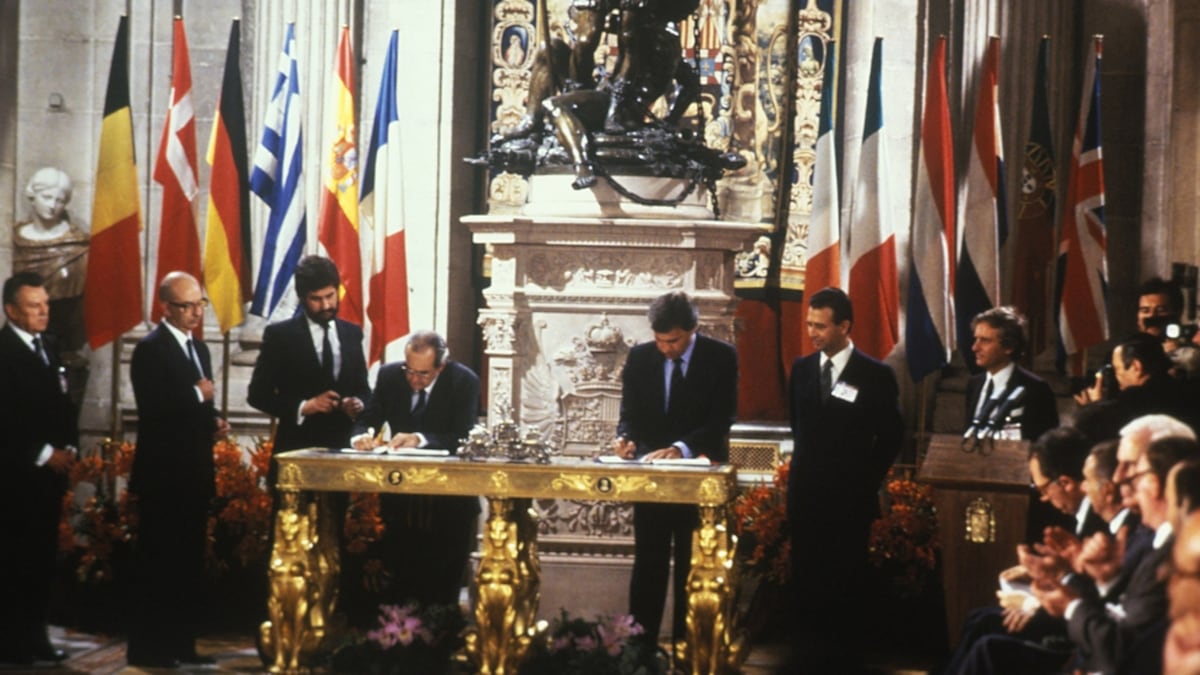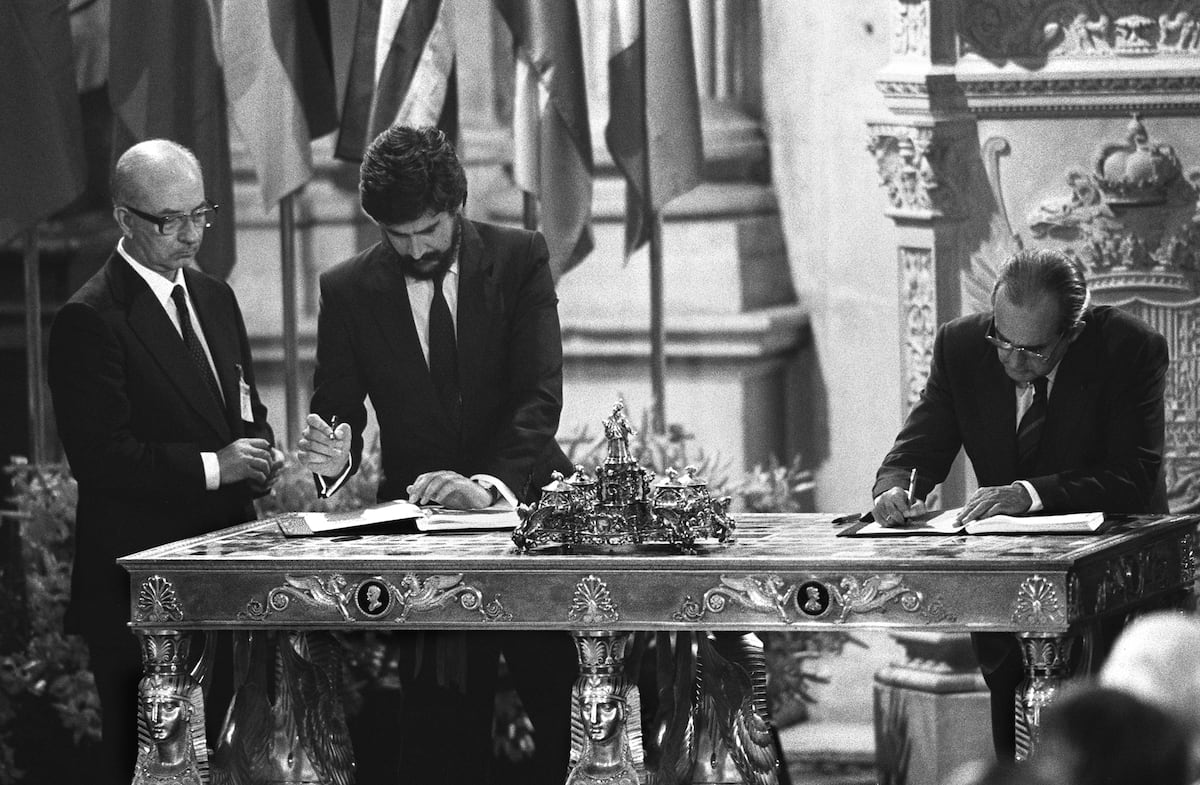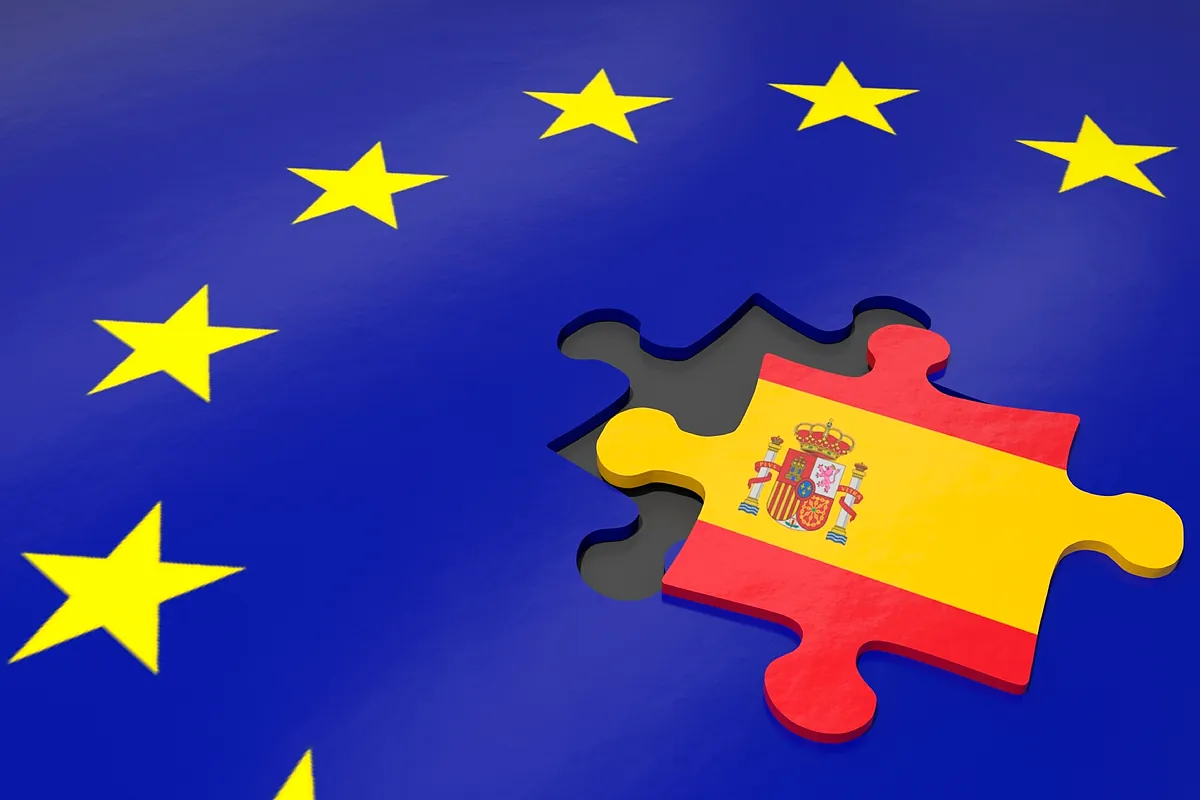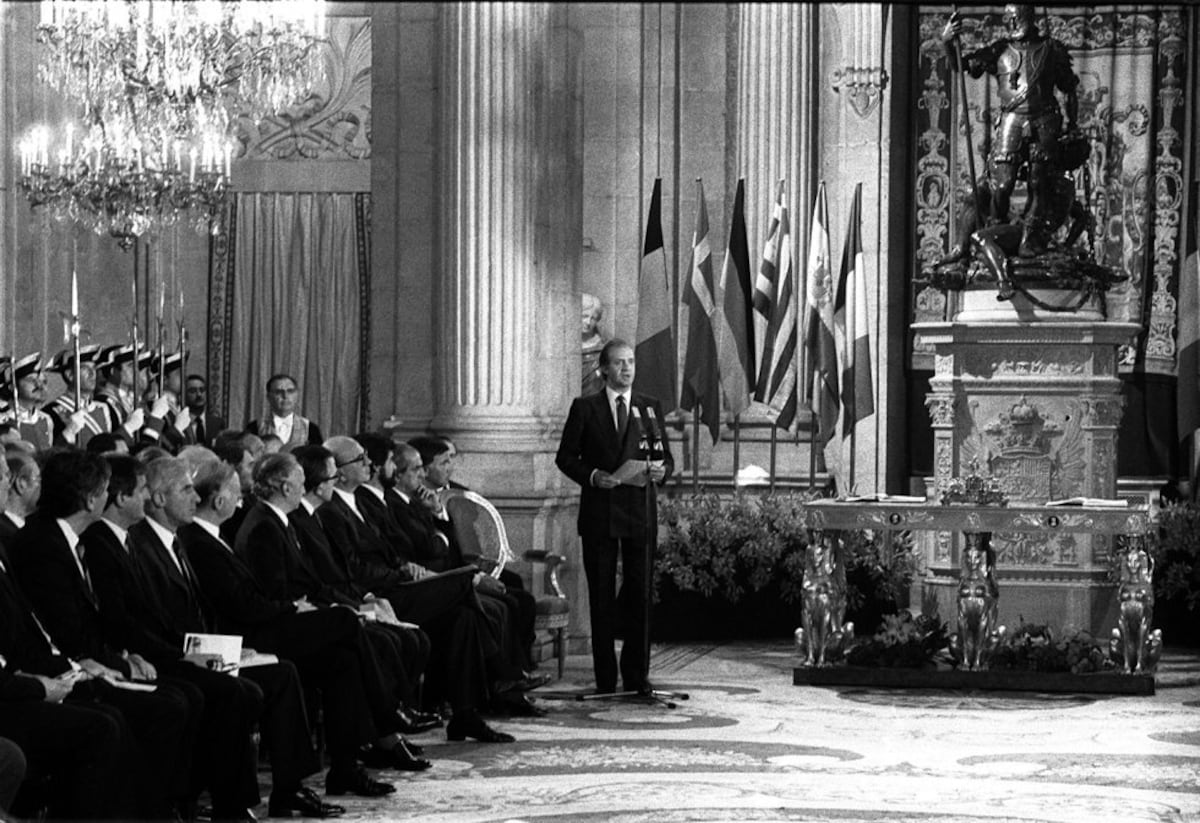
Forty years ago, on June 12, Spain formally anchored its future to the European Union. As the tremors of the 1979 energy crisis subsided and our new institutions dismantled decades of isolation, the European project was met with fierce optimism. For a generation born under a dictatorship but coming of age in freedom, integration unlocked unprecedented horizons, offering groundbreaking educational opportunities and pathways to global employment.
Today, it is our responsibility to deliver that same level of opportunity to a new generation. Spain boasts the most educated youth in its history, yet faces one of the highest youth unemployment rates in Europe. To unlock their potential, we must recognize that the engine of opportunity itself has changed. If political integration in Europe was the catalyst for the last generation, mastering the transition to an AI-powered economy is crucial for this generation.
Exactly how AI will impact our lives, jobs and economy is something we as a society can shape.
Our young people are entering a job market that is shifting. A new report shows that 22 percent of entry-level jobs in Spain already explicitly require AI skills — particularly in fields like digital marketing, logistics and finance. We cannot afford to let our most educated generation fall behind because they lack access to the tools defining the modern workplace.