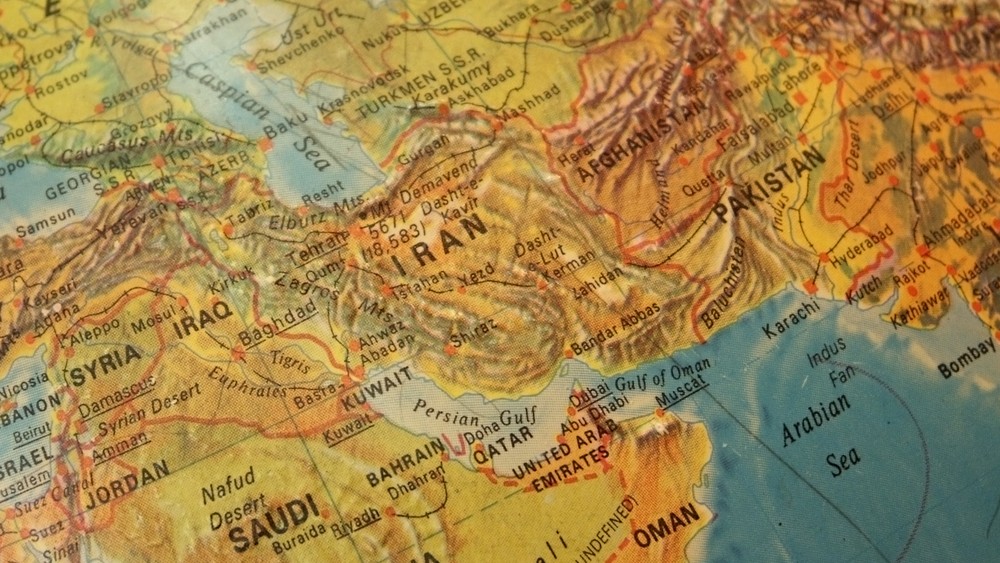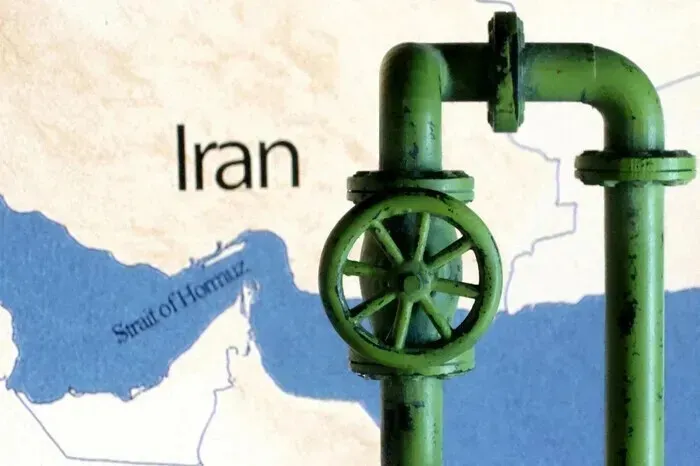
The oil market's surprising resiliency to more than three months of unprecedented supply losses from the Middle East has pushed off until the fall the more disastrous impacts initially expected in June, Energy Intelligence's latest oil market analysis shows. But it also appears to have had the unintentional consequence of offering enough relative calm, in both oil prices and economic fallout, to allow the Mideast conflict to fester without resolution — and even potentially support a US military reengagement. The market's resiliency is, however, a false dawn, built heavily on the back of unsustainable rates of stockdraws and China's willingness to act as a buffer. In the early stages of the war that started Feb. 28, market signals suggested the staggering losses of Mideast crude and products supplies would drain inventories to operational stress levels by sometime in June — a scenario that would likely bring with it ballooning prices. Now, our updated analysis, which assumes the Strait of Hormuz status quo stays in place through August, shows those red lines appearing closer to mid-October. Hormuz "bypass" volumes, led by shipments off Saudi Arabia's West Coast through the Red Sea, expectedly stepped up to offset the largest slice of the roughly 21 million barrels per day of crude, products and other liquids at risk in the Mideast Gulf, allowing more than one-quarter of those supplies (all crude) to still reach the market. But China's shock downshift on purchases of crude and some products — partly enabled by its unexpected tapping of its ample commercial inventories that were largely filled at cheaper oil prices — has nearly matched the "offset" power of those bypass routes, helped further by OECD and strategic reserve stockdraws. Some additional "leakage" of cargoes through the constrained strait has also bought the market a bit of time.
Oil Supply 'Cliff' Averted, But to What End?
The market's surprising resiliency to lost Mideast supplies has delayed the dire impacts initially seen hitting in June — but has also allowed the conflict to fester.
TL;DRAI
Mideast losses of 21M bbl/day offset by bypass routes and China's demand drop, pushing inventory stress from June to October. This false resilience, built on unsustainable drawdowns, threatens systemic price shock and supply-chain stress by autumn.
300 words~1 min read