By Editorial Dept - Jun 12, 2026, 6:00 AM CDT
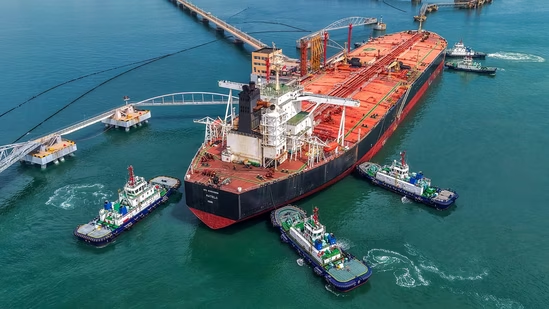
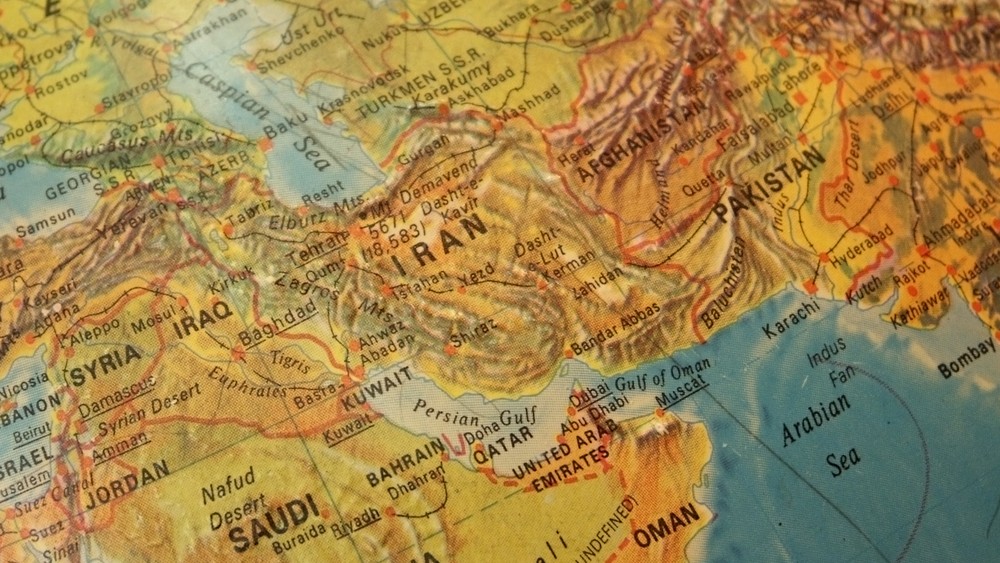
The U.S.-Iran conflict escalated again on Thursday before abruptly swinging back toward diplomacy, producing another day of extreme volatility in both energy and financial markets. The escalation began after two days of renewed exchanges between Washington and Tehran following the downing of a U.S. Army helicopter near Hormuz earlier this week. On Tuesday and Wednesday, U.S. forces retaliated against Iranian targets, while Iran responded in kind. Early on Thursday, Trump threatened to seize Kharg Island, which handles Iran’s crude exports, warning of attacks overnight (in the manner of Venezuela). Those remarks sent oil prices higher until later on Thursday, when Trump reversed course, saying the strikes had been cancelled and a deal was “close”, sending crude in the other direction as the market appeared to simply dismiss Iran’s denial of any agreement in the works. Oil trades on every Trump headline these days. Oil has effectively become a referendum on Trump’s latest social media post. In Israel …Israel is reorganizing its statehood around permanent militarization as a long-term economic strategy. Since October 2023, defense spending has more than doubled, the government has accumulated roughly $138 billion in war-related costs, public debt has climbed from about 60% of GDP to nearly 70%, and Netanyahu is openly arguing that Israel must become a “super-Sparta” capable of sustaining prolonged regional conflict while reducing its dependence on U.S. military…