(Reuters/Yonhap)
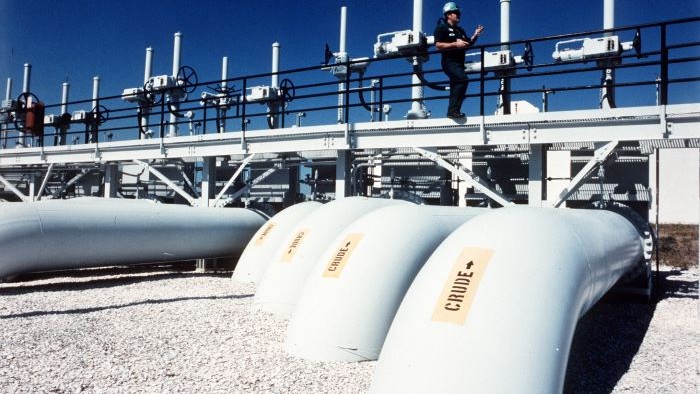
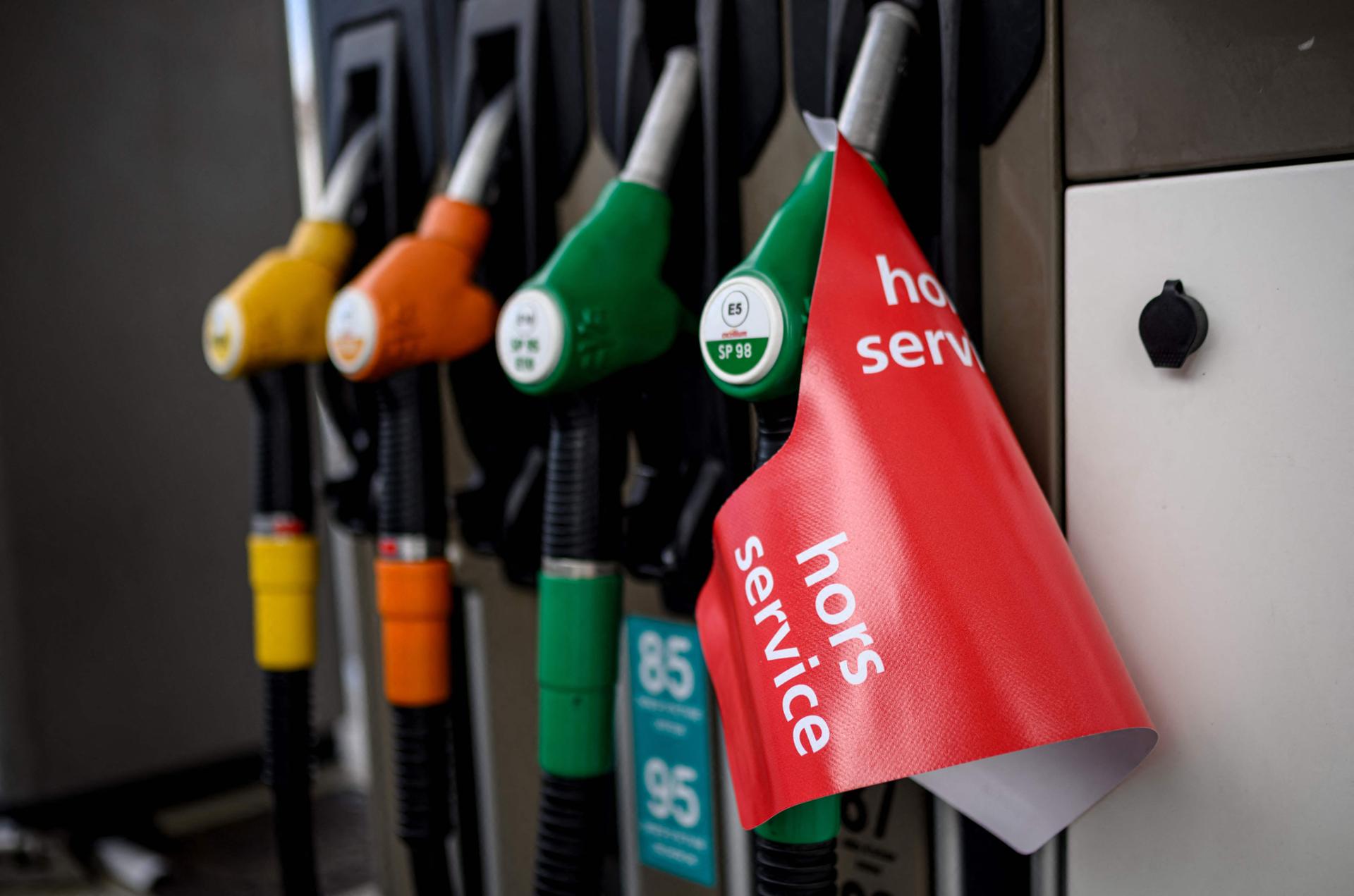
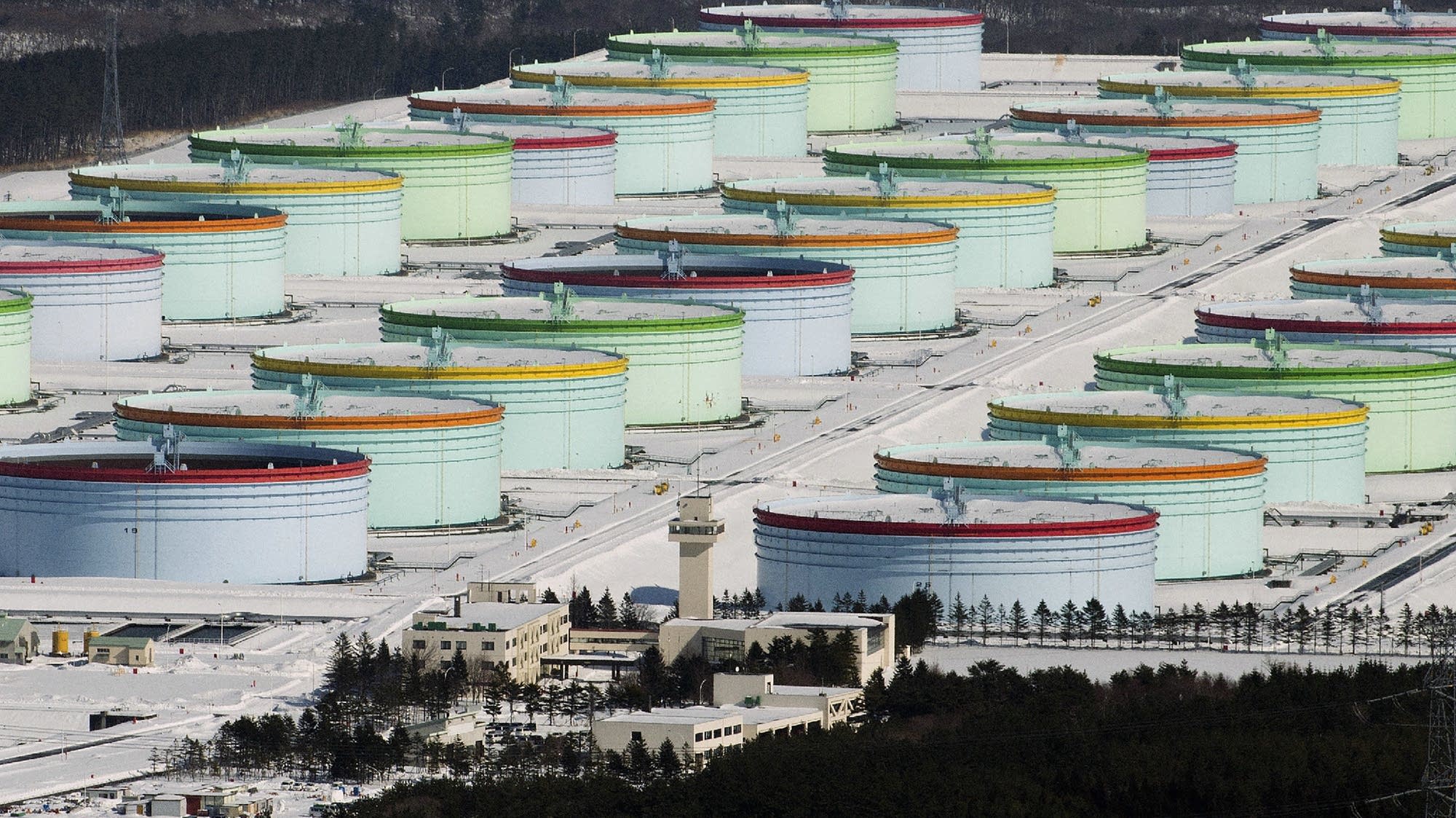
Global oil prices are lower than expected and have shown less volatility over the past three months despite supply shocks caused by the war in the Middle East, largely thanks to ample reserves. However, the accelerated pace of stock depletion has fueled fears of a supply-driven fuel crisis in the second half of the year.The Organization of Petroleum Exporting Countries on Wednesday released data saying crude oil output in the five oil-producing states in the Gulf region, whose export routes were blocked due to the conflict, was slashed to an estimated 11 million barrels per day between March and last month. Because of this, global oil supply is considered to have fallen more than 10% over the past three months.After skyrocketing immediately after the war broke out, oil prices have stayed lower than initial market forecasts over the past three months despite supply shocks. Volatility has also eased from the early stage of the conflict. West Texas Intermediate crude futures soared to US$112.95 per barrel in early April, but later fluctuated between US$80 and the low US$100s before falling to around US$90 in late May.This is lower than the peak of US$120.9 in early June 2022 during the Russian invasion of Ukraine that year, and well short of initial market forecasts of up to US$200 based on the assumption of a blockade of the Strait of Hormuz.Fatih Birol, the executive director of the International Energy Agency (IEA), had warned that this supply disruption will be worse than the two oil shocks of the 1970s and that of natural gas following the Ukraine war. But oil prices have remained relatively stable thanks to sufficient oil reserves worldwide prior to the war.Global oil inventories have shown a downward trend since the conflict, but are still considered to be at healthy levels. IEA data says globally observable oil stocks in late February reached a five-year high of 8.2 billion barrels, equal to 78.5 days’ worth of global demand, just before the war.Due to the blockade of the strait, stocks dipped about 3% to 7.95 billion barrels in late April, but this was still 76.1 days’ worth of global demand.The US Energy Information Administration said global oil reserves reached 7.5 billion barrels late last month, or over 70 days’ worth of global demand. Several global organizations suggest an optimal reserve level for global oil of 30 to 65 days’ worth.The problem lies in the unprecedented pace of stockpile decline since March. The Energy Information Administration said the fall in global inventories has kept breaking records, with an average daily decrease of 5.27 million barrels in March, 8.62 million in April and 9 million in May.The downward spiral last month reached 1.6 times the demand of India, the world’s No. 3 oil consumer. The cumulative decline from March to May of 700 million barrels was equal to 1.9% of last year’s annual global demand. This has fanned market fears that the recent rapid fall in oil reserves could inevitably cause a global crisis in oil inventories in the second half of this year.The problem of plummeting reserves is more severe in Japan and emerging Asian economies such as China than in developed ones. For example, crude oil reserves in the US inched up 0.5% just before the war to 442 million barrels as of May 22, and Europe’s inventory situation is considered less severe than Asia’s due to import source diversification.On the demand side, forecasts suggested that the war’s slashing of global oil demand would offset shocks to crude oil supply to an extent. But whether such demand destruction has occurred remains unknown.The Korea Center for International Finance voiced skepticism. “The IEA forecast that global oil demand will fall by 420,000 barrels per day this year, but OPEC and others predict that demand will rise from last year, pointing to low probability of a destructive decline in oil demand,” the center said.As of May 22, daily oil demand in the US was 20.19 million barrels, up 2.5% from the average for the last five years.“The recent rapid depletion of oil reserves, especially transportation fuels such as diesel, is expected to pose a potential threat capable of triggering an oil crisis in the second half of the year,” said the center. If global oil inventories continue to decline at the pace seen between March and May, market volatility could intensify, with stockpiles falling below the equivalent of 65 days of global demand by September.By Cho Kye-wan, senior staff writerPlease direct questions or comments to [english@hani.co.kr]