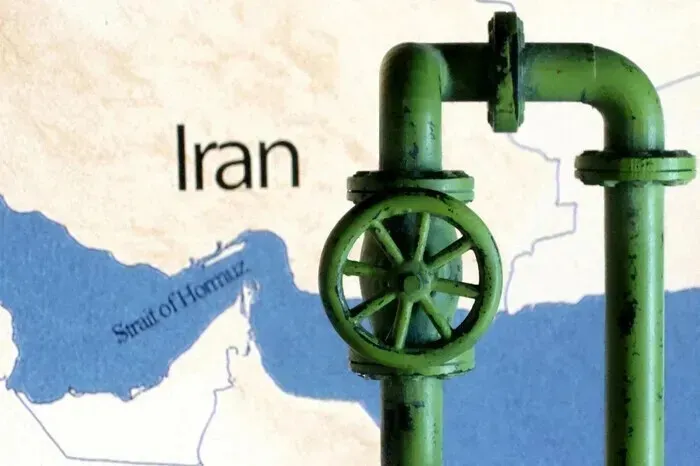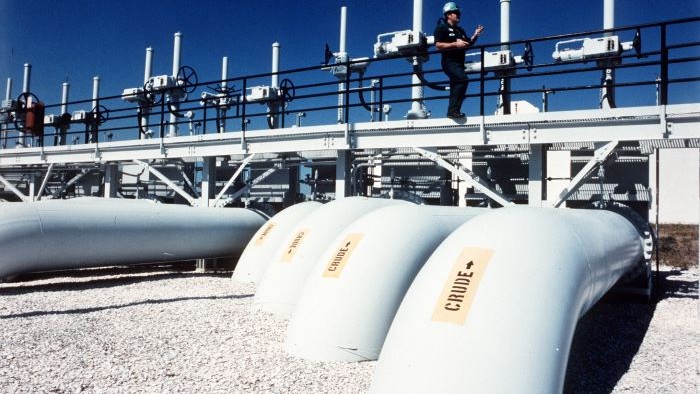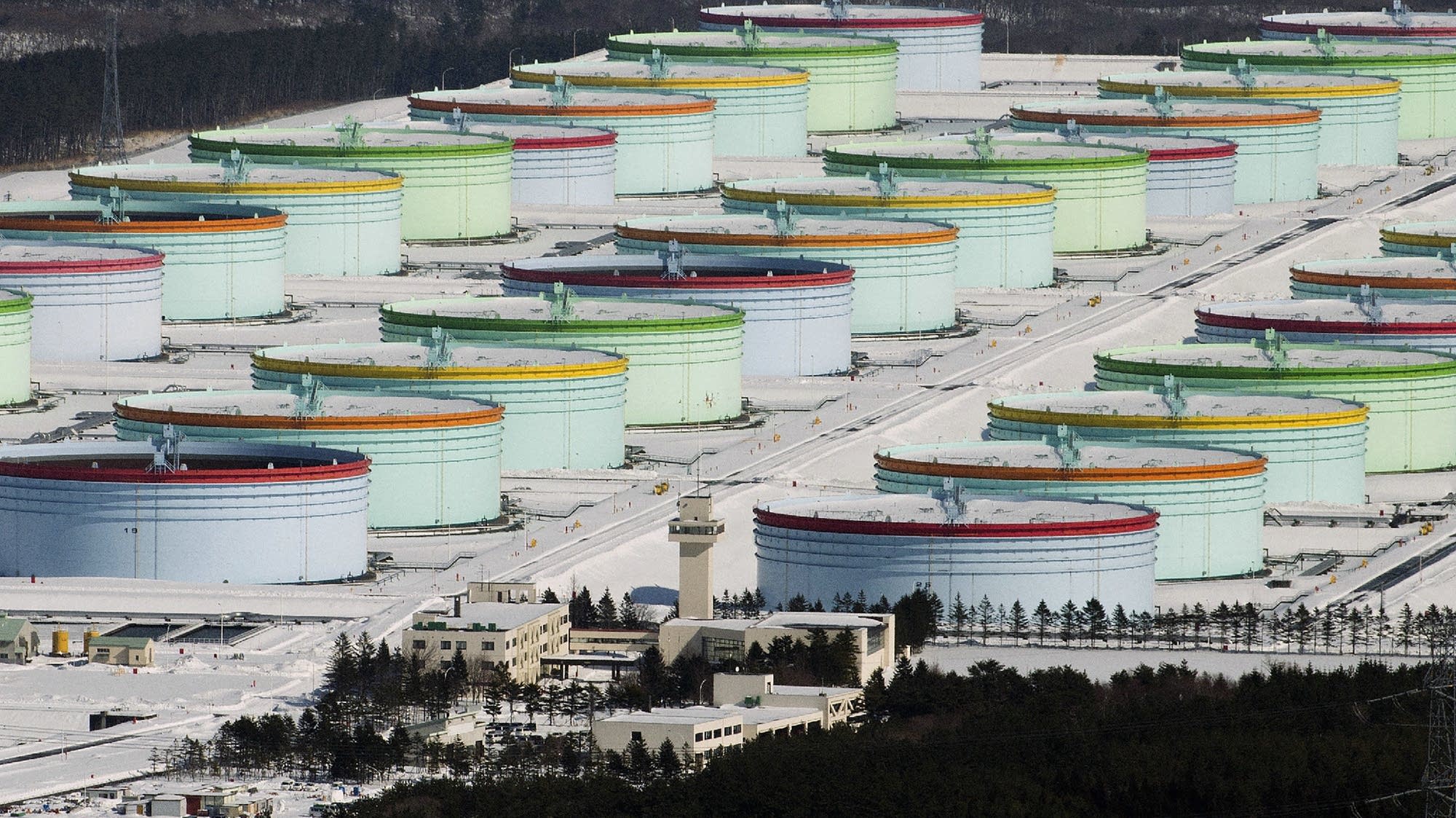
Oil inventories are falling at a record pace because of ongoing war in the Middle East, according to the International Energy Agency, which coordinates international fuel reserve releases. The IEA says those global inventories are decreasing by about 4 million barrels a day. That’s helping keep a ceiling on prices for things like gasoline and jet fuel for now, but inventories don’t last forever.The International Energy Agency was created to deal with exactly the kind of global energy supply shock we’re dealing with right now. “For 50 years, the U.S. and its allies have purchased and held inventories for a rainy day,” said Mark Finley at Rice University’s Baker Institute for Public Policy.He called today’s crisis “the rainiest of days in oil market history.”“[It’s] the ultimate nightmare scenario for energy security, and oil is the biggest source of fuel for the U.S. and for the global economy,” he said.While we did prepare for this rainy day, every day we’re burning through more of that emergency stockpile of oil and fuel.“That is a ticking clock. Eventually inventories run down to the level where you can't keep drawing from them, and you either need to get supply back up and running or you need to reduce demand,” said Gregory Brew, a senior analyst at Eurasia Group. He said that comes in the form of even higher prices. “A lot of analysts are pointing to June as the crucial pain point,” Brew said. “That is based on the current level of consumption remaining consistent or possibly even increasing, since the summer tends to be the peak demand for the year.”High summer demand at a time of a historic supply shortage — while reserves are being drained and there are no large-scale increases in oil production.“Every single day that this conflict continues with the Strait closed, the situation's just getting worse and worse and worse,” said Tom Seng, a professor of energy finance at Texas Christian University’s Neely School of Business.Even after we see a resolution and a slow recuperation of oil markets, “then we have to add this new layer, and that is replenishing these reserves that we're drawing down because of the conflict,” Seng said.That’s more oil demand. So, regardless of when this mess ends, Seng said pain at the pump is going to last at least for several more months.
Emergency oil stockpiles are dwindling by roughly 4 million barrels a day
Global oil inventories are buffering consumers from the full force of the supply shock, but analysts warn that reserves can't be drawn down indefinitely.
389 words~2 min read