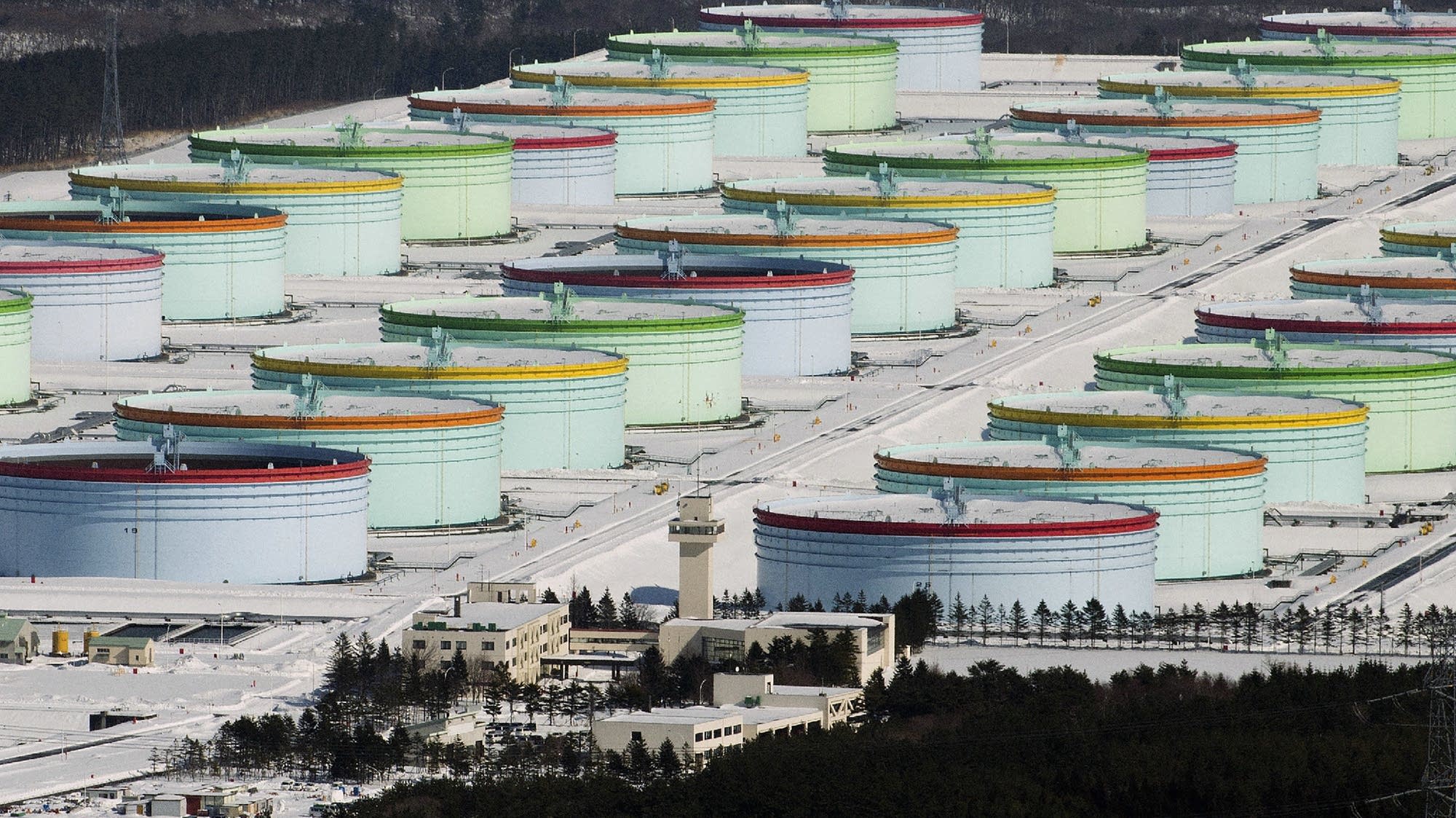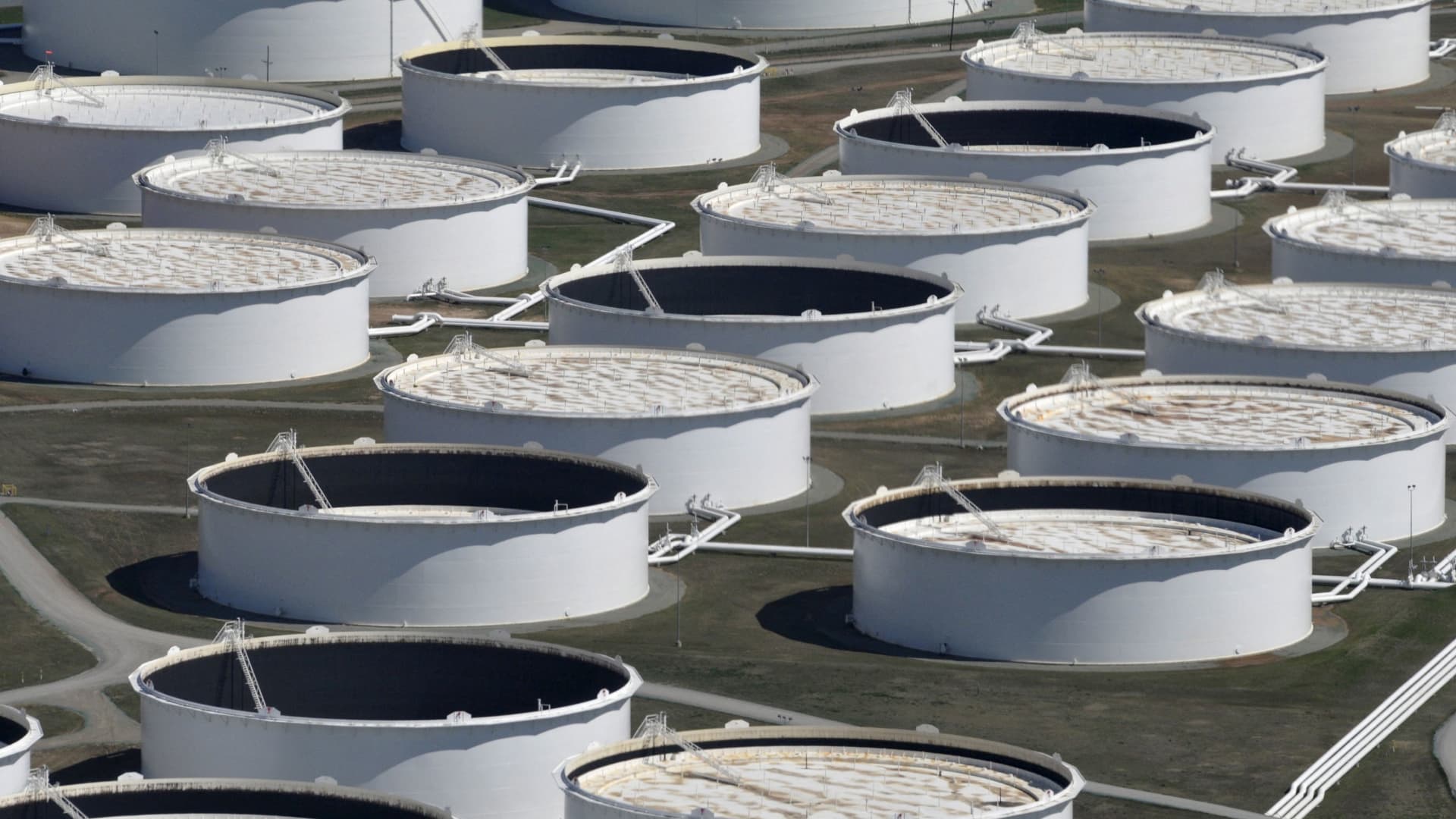
Strategic and commercial stocks of crude oil and products alongside bumper prewar volumes of oil at sea have provided a critical lifeline to consumers as the world stares down the unprecedented supply loss of nearly 1.2 billion barrels of crude oil, products and other liquids — and counting. But the inventory cushion is rapidly shrinking, raising the specter for more painful and exacting demand destruction to follow as trade through the critical Strait of Hormuz remains effectively on lockdown. The world has lost access to an average of 10.6 million barrels per day of crude oil and almost 5.4 million b/d of products (including LPG and ethane) from Gulf flows (including Iran) since the Mideast war began on Feb. 28, with May losses jumping to 18.2 million b/d amid the US blockade on Iran, according to Energy Intelligence calculations. Cumulative supply losses crossed the billion-bbl mark on May 1, starving the globe of critical products such as diesel, jet fuel and gasoline through two routes: via Mideast crude unable to reach refineries to be processed into these products, and via Mideast-origin products directly removed from the market. A prewar anticipated supply surplus of more than 2.7 million b/d for March-May based on Energy Intelligence balances reduces the market's replacement needs to closer to 13 million b/d across the period — but this remains a supply shock of unprecedented proportions.
Inventories Insulate Oil Demand, But Time Is Running Out
Consumers have tapped surplus oil-on-water and near-record stocks to mitigate supply losses from Hormuz's near-closure. But such draws are becoming unsustainable.
229 words~1 min read