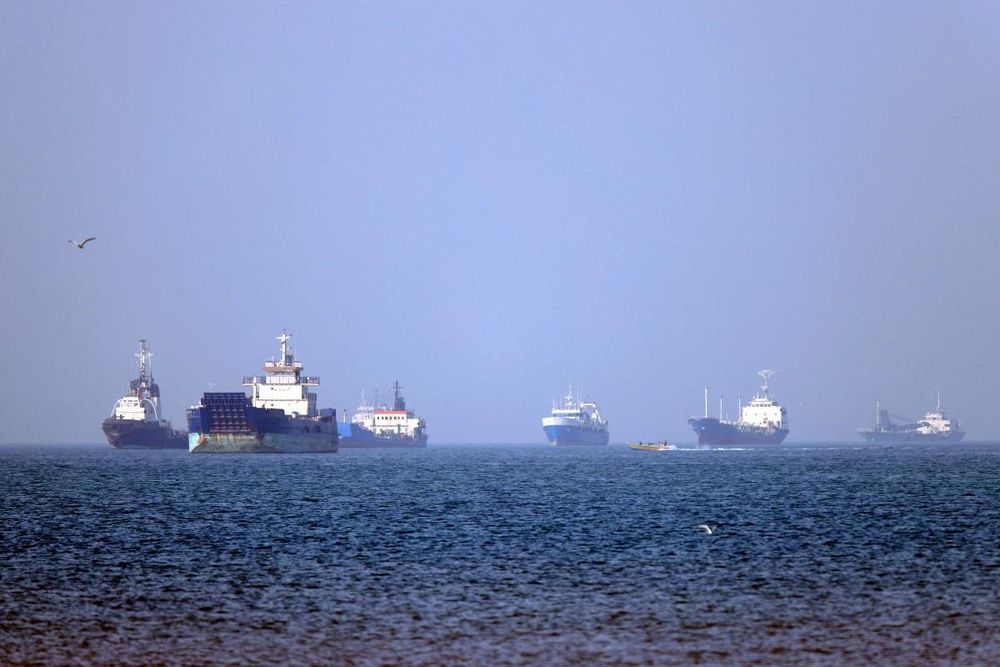
Oil prices began this week with a jump following the latest flare-up of hostilities in the Middle East, this time between Iran and Israel. This is worse news for the global economy than it would have been a month ago. The world’s oil reserves are starting to run dry, and nothing is replenishing them.Warnings are multiplying that the world is facing an unprecedented squeeze on oil supplies, and prices are about to surge much higher. The latest to join the growing chorus of warnings were Chevron and Exxon, adding to earlier alarm bell-ringing by the International Energy Agency and various analysts. The IEA sees the breaking point around July or August. Exxon senior VP Neil Chapman sees this point reached in early July or even before that.“Over the next few weeks, we’re likely to see those pressures flow through more directly to physical prices, and there’s more upwards pressure that I would expect as we get into June and certainly into July,” Chevron’s chief executive Mike Wirth told a recent industry event, as quoted by the Financial Times. “The buffers and the shock absorbers are being steadily drawn down, and the ability for the market to absorb this imbalance is drastically diminished today versus where we started,” Wirth explained.“We’re at dangerously low levels already,” Politico quoted an energy industry executive who remained unnamed. “We have shared those concerns at the highest levels of government about what’s coming in mid-to-late June. … I hope they are paying attention to inventories right now. You’re hitting tank bottom.” The data supports the concern. At least 10 million barrels in daily production are offline in the Middle East, with some estimating the actual loss at up to 14 million barrels daily. Consumers are tapping reserves, including in China and the United States. As a result, the U.S. inventory level has dropped to 791 million barrels, according to the Energy Information Administration, which it said was the lowest since February 2024. The amount includes both commercial inventories and the strategic petroleum reserve.Because of this drawdown in global oil inventories, a price shock is around the corner, despite a somewhat surprising optimism in oil markets. Indeed, energy analyst John Kemp reported yesterday that traders are cutting their positions in Brent crude, with these positions now at the lowest in 18 weeks, in anticipation of the resumption of normal tanker traffic via the Strait of Hormuz. Meanwhile, short positions on crude have tripled, Kemp also reported, in further evidence that bears are dominating the oil market.The physical situation with supply, however, will sooner or later assert itself as dominant over any narratives, social media statements, and sentiments—this is what all the analysts are warning about. When the breaking point is reached, one of two things would likely happen: “Once they (cushions) thin out, prices have to do more of the adjustment work. That means either consumers pay more or demand gets destroyed,” Rosenberg Research senior market strategist Mehmet Becerent said, as quoted by Reuters, last week.JP Morgan has also warned that oil prices are about to surge unless tanker traffic in Hormuz returns to normal by the end of this month. For now, there is no indication this is a realistic possibility. On the other hand, as Goldman Sachs noted earlier this month, demand destruction has already begun because of the initial price spike in the wake of the Hormuz closure, and this has kept a lid on prices. The problem with this lid is that there is only so much oil demand that can be destroyed before the economy essentially grinds to a halt.Luckily, however, China has reduced its crude oil imports as a result of the war-related price spike, and this is acting as a stopper for a sharper spike in benchmarks, at least until the country begins buying crude again, which it would be forced to do. Kpler analysis showed recently Chinese refiners have reduced their imports of crude a lot more than they have cut their run rates, suggesting a rather resilient demand for oil. Once the inventories start running uncomfortably low, refiners will boost buying from overseas, and this might reverse trader sentiment, especially if the peace between the U.S. and Israel, and Iran remains as elusive as it is right now.“Consumer sentiment is already at all-time lows, but if oil prices stay here for another three months, or move meaningfully higher in the short-term, start to look for a real economic impact,” the chief market strategist of wealth management Osaic, Phil Blancato, said, as quoted by Reuters, last week.For now, the world still has oil reserves at the ready to tap in case of an immediate shortage due to the war-caused production decline. But if this situation remains unchanged for another couple of weeks to a month, things may change quite drastically.By Irina Slav for Oilprice.comMore Top Reads From Oilprice.comEU Says No Jet Fuel Shortage Coming Despite Middle East Supply LossUK Conservatives Blast Labour North Sea Ban as 'Utter Madness'Australia's 344-Million-Barrel Oilfield Could Finally Get the Green Light
Global Economy Is One Oil Price Spike Away From Trouble | OilPrice.com
Markets may be underestimating the risk, with traders betting on a Hormuz reopening even as physical oil stocks approach critically low levels and tanker traffic remains disrupted.
837 words~4 min read