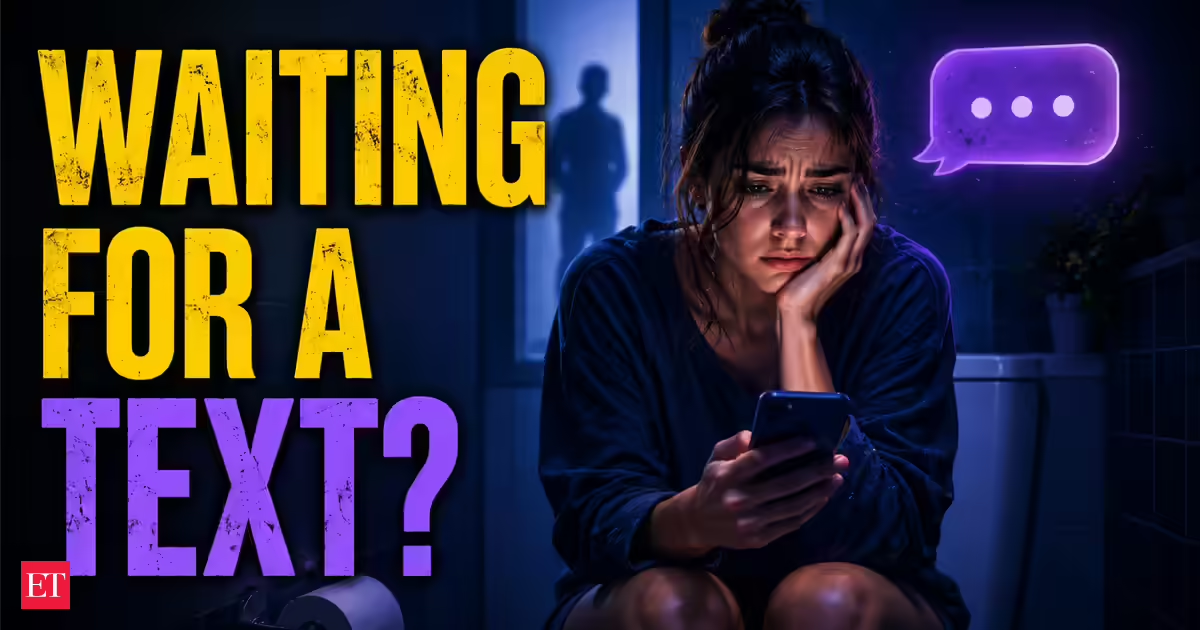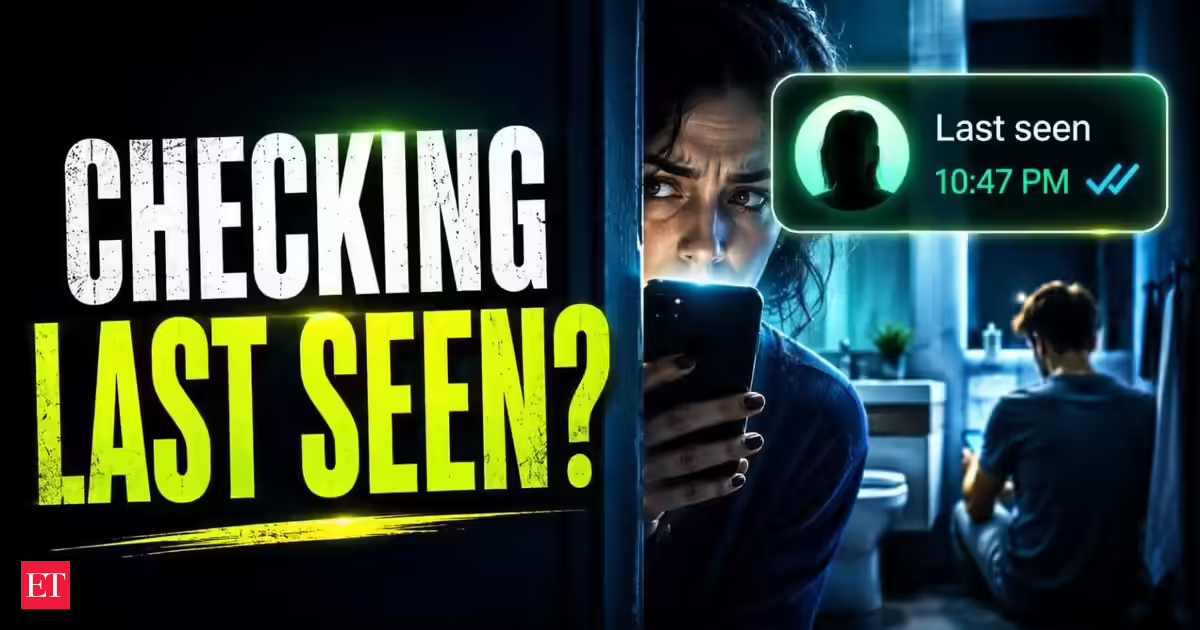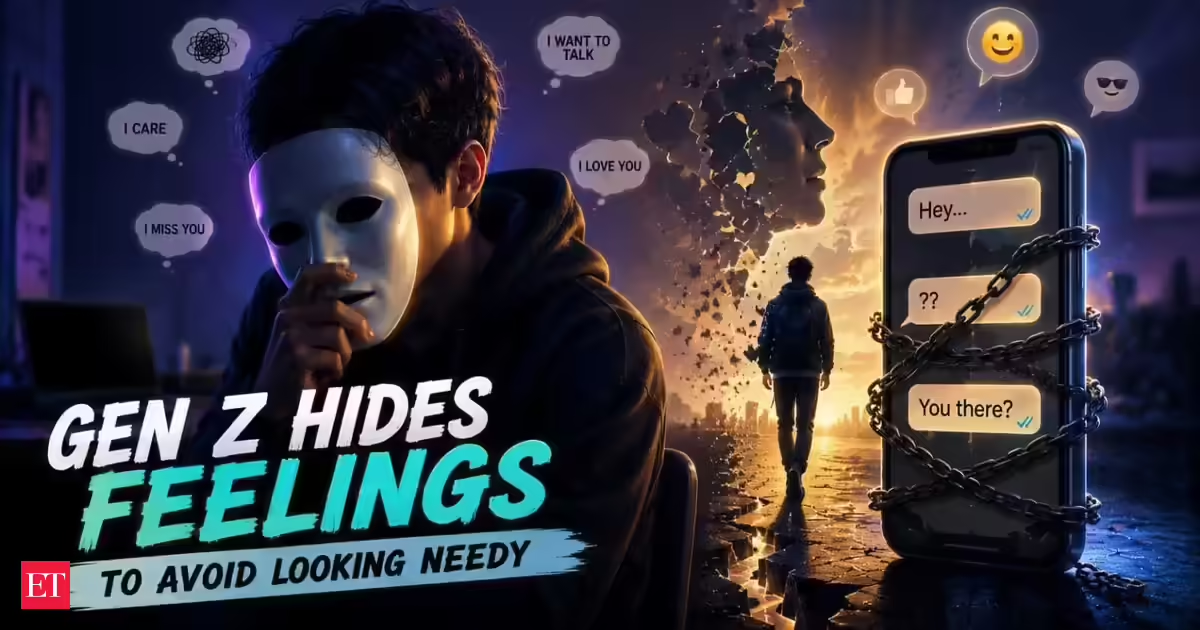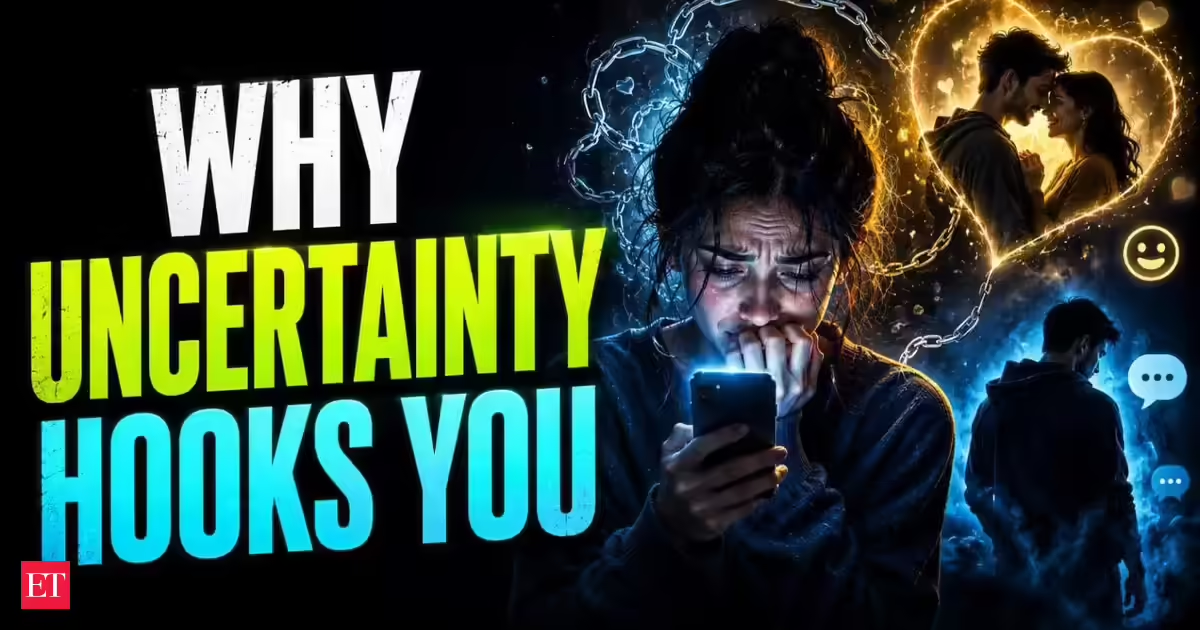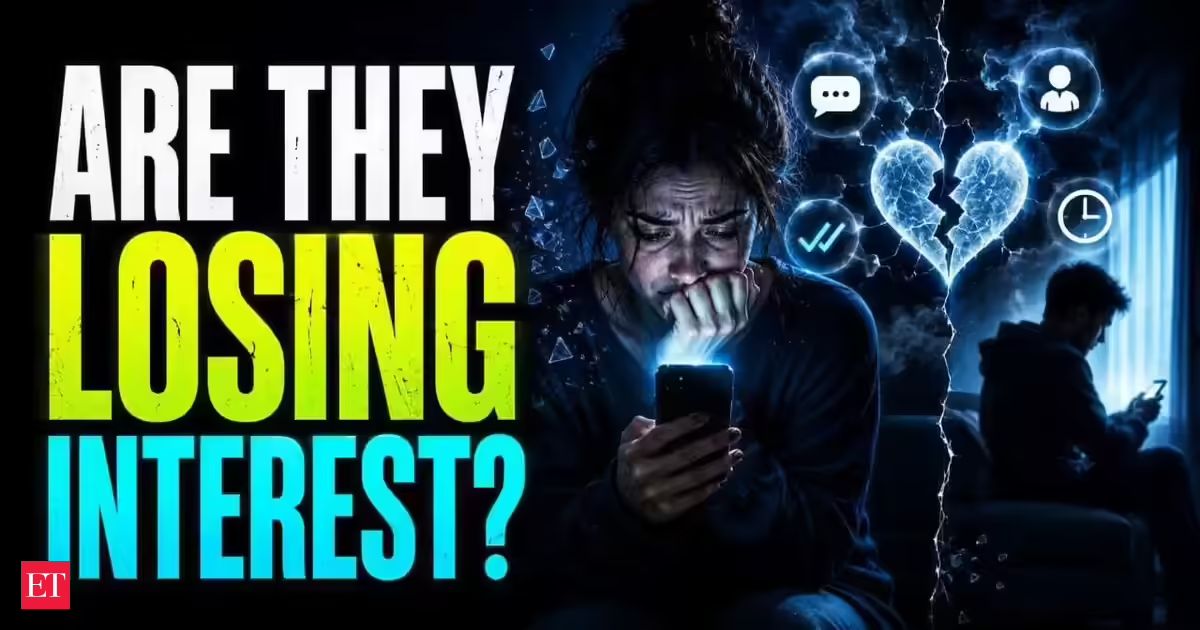
In the age of smartphones, social media, and instant messaging, people have more access than ever to information about their partners. They can see when someone was last online, whether a message has been read, who liked a photo, and sometimes even who is interacting with whom. While these digital tools were designed to improve communication, psychology suggests they have also created new opportunities for anxiety, insecurity, and overthinking.One of the most common yet rarely discussed relationship fears is the fear of being replaced. It often appears quietly at first. A partner takes longer than usual to reply. Their online activity changes. They seem more distracted or less available than before. Although these situations may have completely innocent explanations, the mind can quickly begin imagining worst-case scenarios. Over time, this fear can create emotional stress that damages trust, increases conflict, and affects relationship satisfaction.Psychology says fear of replacement can quietly destroy love: Why your partner’s silence, late replies, and online activity trigger deep emotional panicPsychologists suggest that what many people describe as jealousy is often something deeper: a fear of losing emotional significance in the life of someone they love.The Human Brain Is Wired to Protect Important RelationshipsAccording to relationship psychology, close relationships play a major role in emotional well-being and feelings of security. Humans naturally seek connection, belonging, and reassurance from the people who matter most to them.When signs of uncertainty appear, the brain often interprets them as potential threats to that connection. A delayed response, reduced communication, or unexpected silence can trigger emotional alarm systems designed to protect relationships from perceived danger.You Might Also Like:Research on attachment and social connection suggests that the brain frequently responds to emotional uncertainty in much the same way it responds to physical threats. This helps explain why small changes in communication can sometimes create disproportionately large emotional reactions.Attachment Theory Explains Why Some People Feel This Fear More IntenselyOne of the most widely accepted explanations comes from Attachment Theory. Psychologists believe that early experiences with caregivers and later relationship experiences shape how people respond to intimacy, distance, and emotional uncertainty.People with anxious attachment tendencies often become highly sensitive to changes in communication patterns. They may notice delayed replies more quickly, think about relationship problems more often, and seek reassurance when uncertainty appears.A modern example might involve someone who notices their partner was active on social media but has not yet replied to a message. Rather than assuming the person is busy, the anxious mind may begin searching for alternative explanations, many of which involve rejection or replacement.You Might Also Like:This reaction is not necessarily a sign of weakness. Instead, it often reflects a heightened sensitivity to potential relationship threats.Why Social Media Makes Everything WorseModern relationships exist in a digital world. People can see likes, follows, comments, online activity, and messaging patterns. This constant access to information creates endless opportunities for comparison.Psychologists refer to this as Social Comparison Theory. When individuals compare themselves to others, they may begin questioning their own value. A partner liking someone else's photo may seem insignificant.Yet an insecure mind may interpret it as evidence of competition. The fear of replacement grows because technology provides constant reminders that other people exist.The Fear Is Often About Self-WorthMany people assume fear of replacement is entirely about their partner. Psychology suggests it is frequently connected to self-esteem. Individuals who struggle with self-worth may secretly believe they are replaceable.As a result, normal relationship events become emotionally charged. A delayed response becomes proof of losing importance. A busy schedule becomes evidence of emotional distance. A missed call becomes a sign of rejection. The fear does not come from facts alone. It comes from the meaning assigned to those facts.The Mind Often Creates Stories to Fill GapsPsychologists have long studied what happens when people lack information. The brain dislikes uncertainty. When answers are unavailable, the mind often creates explanations. Unfortunately, anxious minds tend to favor worst-case scenarios.A partner who takes three hours to respond may simply be attending meetings. Yet the mind may imagine arguments, betrayal, emotional withdrawal, or someone else receiving attention.This process is linked to catastrophic thinking, a cognitive pattern in which the brain predicts negative outcomes despite limited evidence.Why Reassurance Only Works TemporarilyMany people seek reassurance when these fears arise. They ask if everything is okay. They check messages repeatedly. They monitor social media activity. The problem is that reassurance often provides only short-term relief.Psychologists describe this as a cycle of anxiety. The brain feels worried. It seeks reassurance. The anxiety decreases briefly. Then a new uncertainty appears, restarting the cycle. Over time, the relationship becomes centered on managing fear rather than building trust.Healthy Love Requires Emotional SecurityResearch consistently shows that healthy relationships depend on emotional security. Trust is not built through constant monitoring. It develops through communication, consistency, and mutual respect. Partners who feel emotionally secure are less likely to interpret every delay, silence, or online activity as a threat.They understand that temporary distance does not automatically mean emotional abandonment. This mindset allows love to grow without being overshadowed by fear.FAQsWhy do I feel anxious when my partner takes a long time to reply?Psychologists suggest delayed replies can trigger fears related to rejection, uncertainty, attachment insecurity, or abandonment.Is fear of being replaced normal in relationships?Yes. Most people experience it occasionally, especially during periods of stress, uncertainty, or emotional vulnerability.
Psychology says fear of replacement can quietly destroy love: Why your partner’s silence, late replies, and online activity trigger deep emotional panic
People with anxious attachment styles tend to be especially attuned to shifts in communication and relationship dynamics. They are often quicker to notice delayed responses, more likely to dwell on potential problems in the relationship and may seek reassurance when faced with uncertainty or mixed signals.
887 words~4 min read