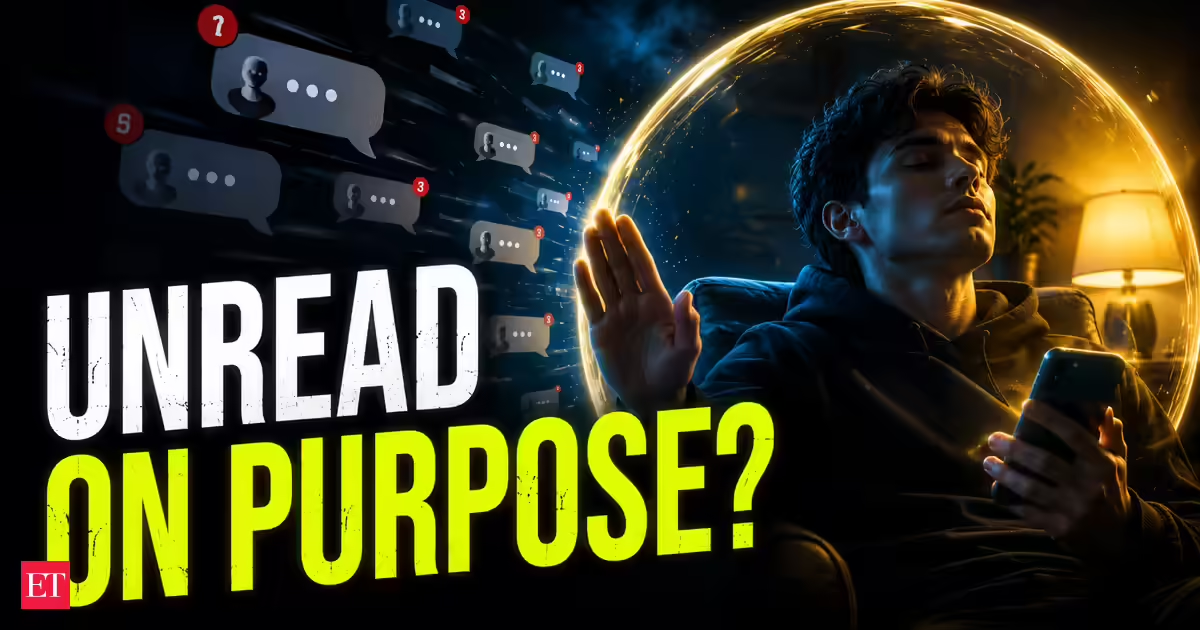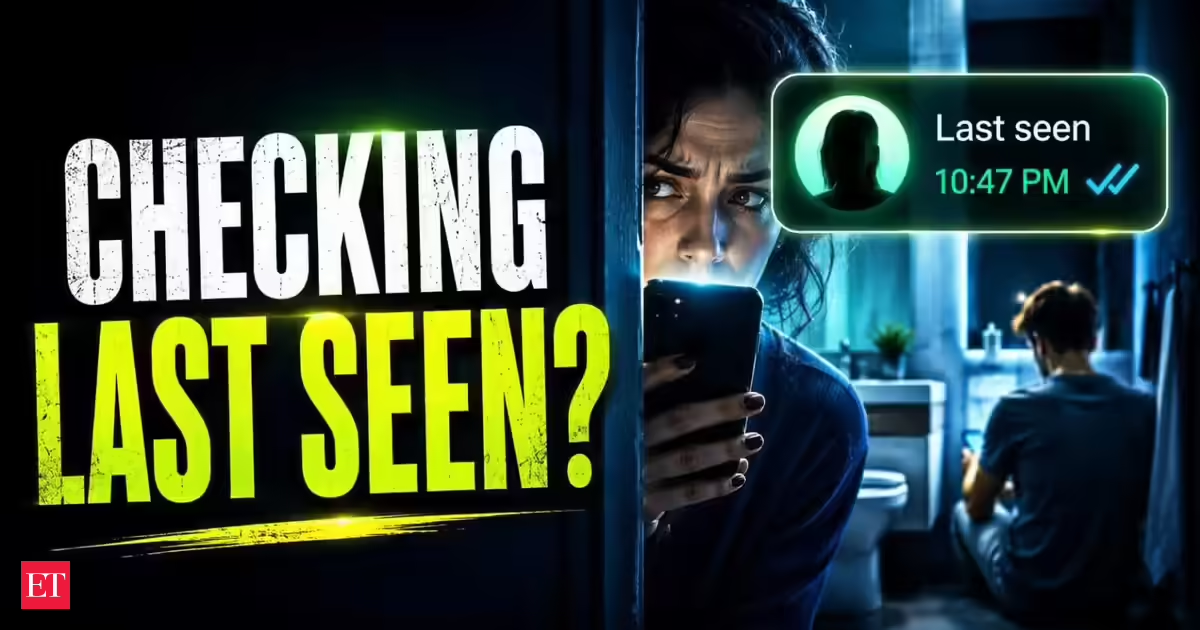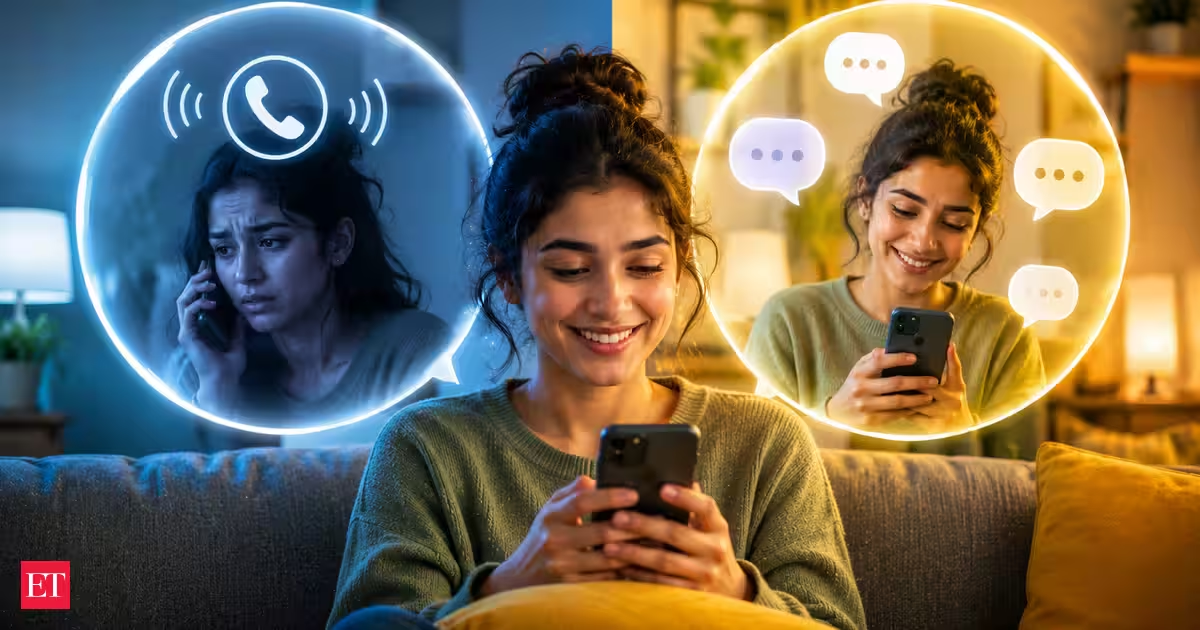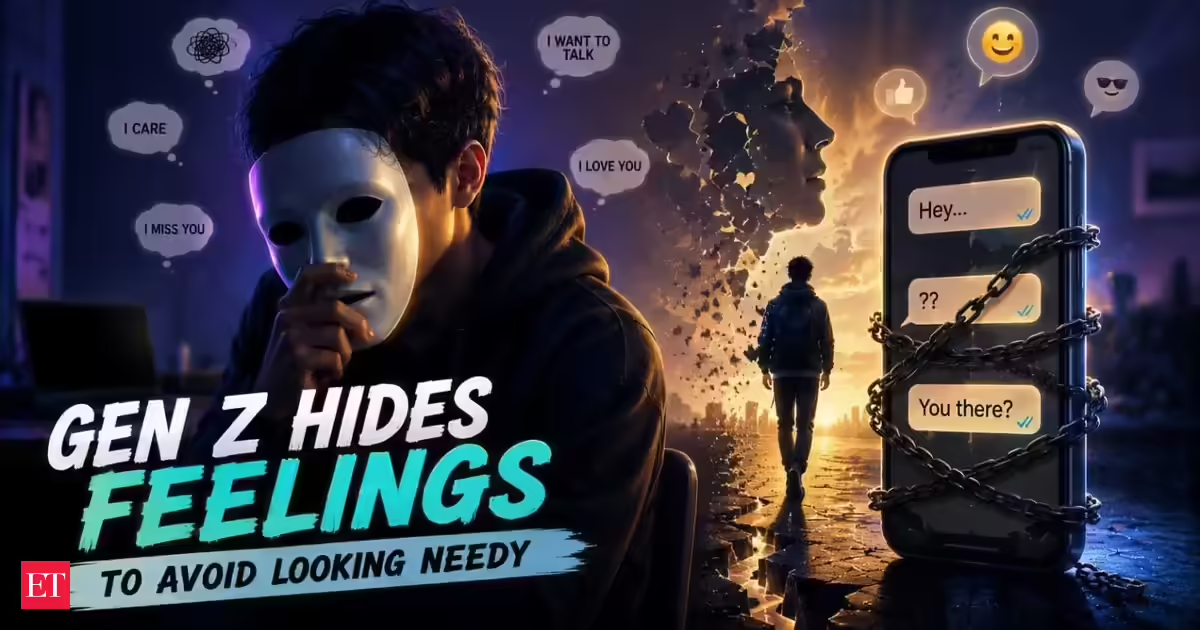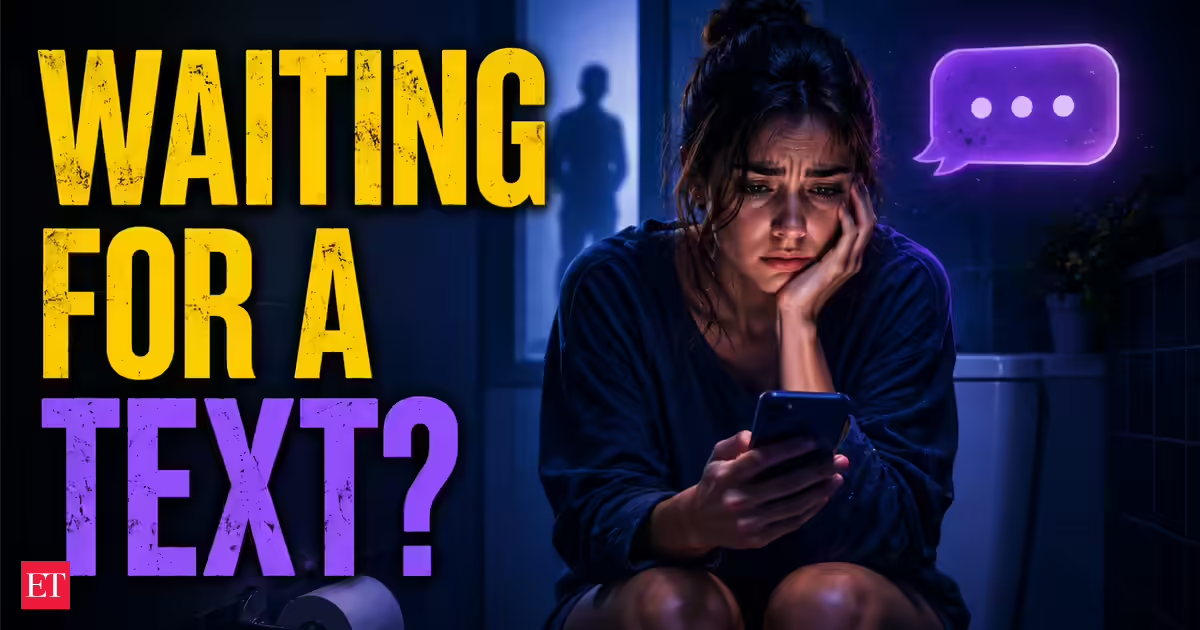
Most people know the feeling. You send a message to someone you care about and expect a response within a reasonable amount of time. Minutes pass, then hours. You notice they were online recently or active on social media, yet your message remains unanswered.Logically, you know there could be many explanations. They may be busy at work, driving, spending time with family, or simply taking a break from their phone. Yet emotionally, the silence can feel much bigger than the situation itself.Psychology suggests that when communication suddenly stops, the brain often interprets uncertainty as a potential threat. What appears to be a simple delayed reply can trigger worries about rejection, abandonment, conflict, or emotional distance.For some people, the anxiety has very little to do with the message itself and much more to do with what the silence seems to mean.The Human Brain Is Designed to Seek ConnectionHumans are social beings who rely heavily on relationships for emotional security. Psychologists studying attachment and social bonding have found that close relationships help regulate emotions and create a sense of stability.You Might Also Like:When communication from an important person suddenly disappears, even temporarily, the brain begins searching for answers. This process is connected to what psychologists call uncertainty reduction. The mind naturally wants information that helps explain what is happening.When information is unavailable, people often fill the gap with assumptions. Unfortunately, anxious minds rarely assume the best. Instead, they often imagine scenarios involving rejection, disappointment, or relationship problems.Attachment Theory Explains Why Some People React More StronglyOne of the most important explanations comes from Attachment Theory, which suggests that people develop different ways of responding to closeness, separation, and emotional uncertainty.Individuals with anxious attachment tendencies are often highly sensitive to changes in communication patterns. A shorter text. A delayed response. A missed call.A change in tone.You Might Also Like:These small shifts may appear insignificant to others but can feel emotionally important to someone who fears losing connection.A modern example might involve someone repeatedly checking their phone after sending a message because they worry that silence means something is wrong. The anxiety comes not from the delay itself but from the emotional meaning attached to it.Why Silence Can Feel Like RejectionResearch on social relationships suggests that feeling ignored activates many of the same emotional systems involved in physical discomfort. The brain evolved to value social acceptance because belonging was historically important for survival.As a result, social exclusion and perceived rejection can feel surprisingly painful. When someone you love does not respond, the brain may interpret the silence as a sign of decreased importance or emotional distance.Even when no rejection exists, the emotional response can feel very real. Psychologists sometimes refer to this as rejection sensitivity, a tendency to quickly perceive signs of rejection in ambiguous situations.The Mind Often Creates Stories in the Absence of InformationOne of the most common psychological patterns involved is known as catastrophic thinking. When people lack clear information, the brain frequently creates explanations to reduce uncertainty.Unfortunately, those explanations often focus on worst-case scenarios. A partner who takes several hours to respond may simply be busy. Yet the mind may imagine conflict, loss of interest, betrayal, or relationship problems.The brain would rather have an explanation, even an inaccurate one, than remain uncertain. This helps explain why delayed replies can trigger such powerful emotional reactions.Social Media Has Intensified Relationship AnxietyTechnology has changed how people experience relationships. Previous generations often waited hours or even days for communication. Today, messaging apps provide constant access to other people's activity.People can see when someone was online, active, typing, or viewed a story. While these features provide information, they also create opportunities for overthinking.A person may notice their partner viewed several social media posts but has not replied to a text. The mind immediately begins comparing actions and searching for hidden meanings. Psychologists suggest that this constant access to partial information often increases anxiety rather than reducing it.Healthy Relationships Are Built on Trust, Not Constant AvailabilityPsychology does not suggest that delayed replies always indicate relationship problems. People have responsibilities, obligations, and lives outside their phones.Research consistently shows that healthy relationships depend on trust, communication, and emotional security rather than constant digital availability. A delayed response may simply be a delayed response.The challenge is learning to separate genuine relationship concerns from the fears created by uncertainty.Why Reassurance Only Works for a Short TimeWhen relationship anxiety appears, many people seek reassurance. They check messages repeatedly. They monitor online activity. They replay conversations. They ask friends for advice.These behaviors may reduce anxiety temporarily, but psychologists note that reassurance often becomes a short-term solution.Once the relief fades, the brain searches for new signs of certainty. The cycle then begins again. Over time, the issue becomes less about the delayed reply and more about the emotional need for reassurance.What Psychology Really Says About Late RepliesPsychology does not suggest that everyone who worries about a delayed text has anxiety or insecurity. Human relationships are far more complex than that.However, various reports indicate that attachment patterns, rejection sensitivity, uncertainty reduction, catastrophic thinking, and the human need for connection can all influence how people interpret silence.Sometimes the greatest source of stress is not the unanswered message itself. It is the story the brain creates while waiting for the reply.FAQsWhy do late replies make me anxious?Psychologists suggest that delayed responses can trigger uncertainty and fears related to rejection, abandonment, or emotional distance.What is relationship anxiety?Relationship anxiety refers to excessive worry about the stability, security, or future of a romantic relationship.
Psychology says one late reply can trigger relationship anxiety: Why silence from someone you love feels like rejection, fear and emotional danger
Psychology does not suggest that everyone who becomes concerned about a delayed text message is struggling with anxiety or insecurity. Human relationships and emotional responses are far more nuanced than that.
913 words~4 min read