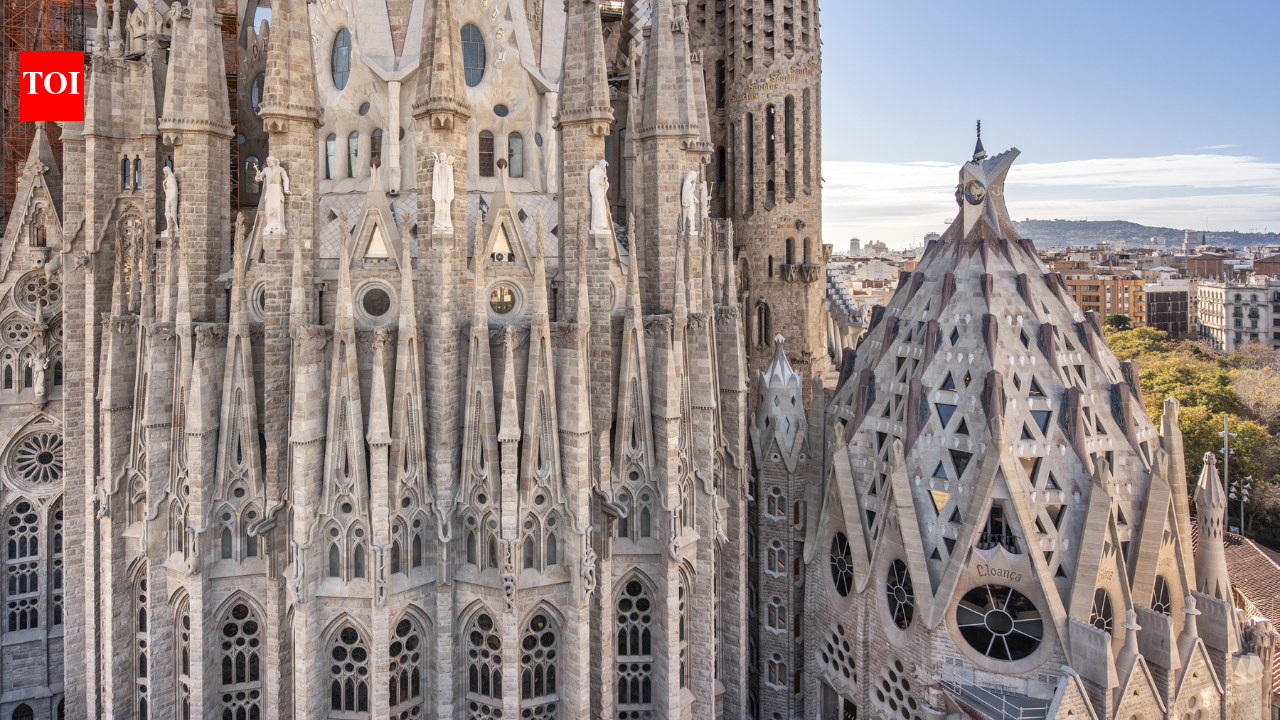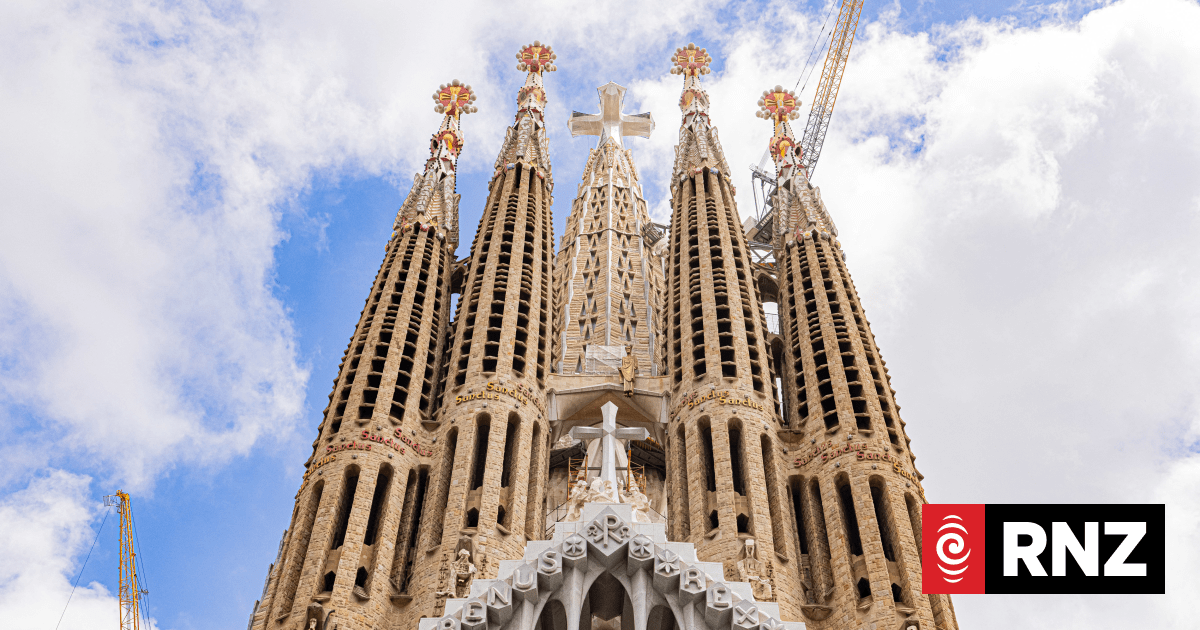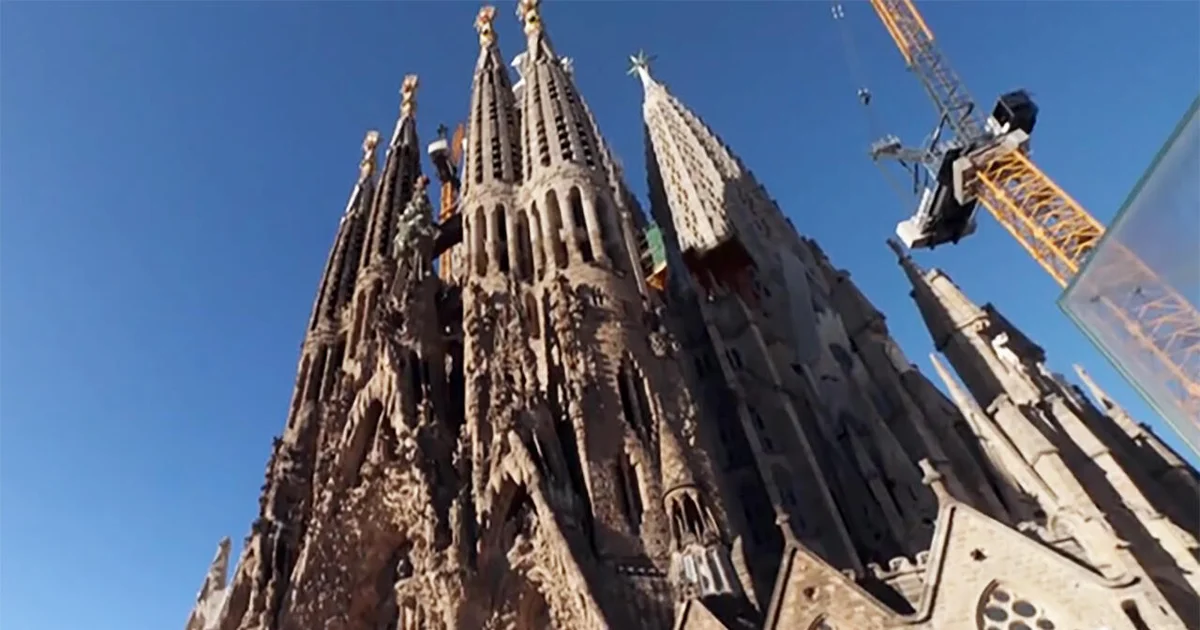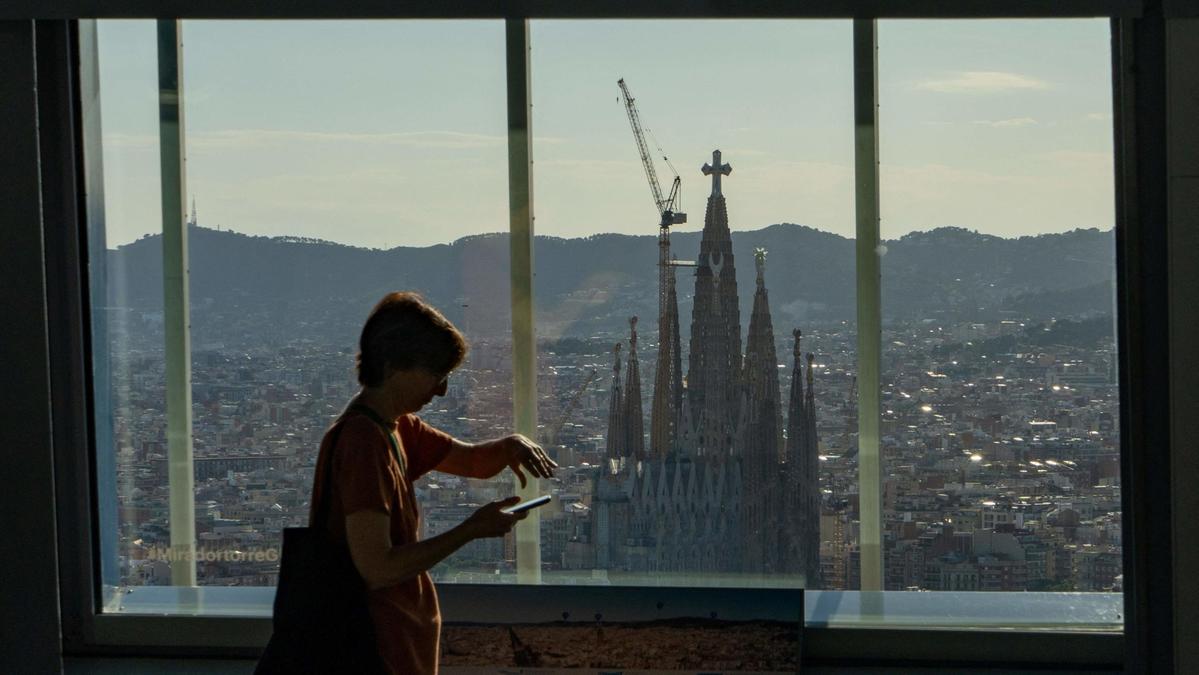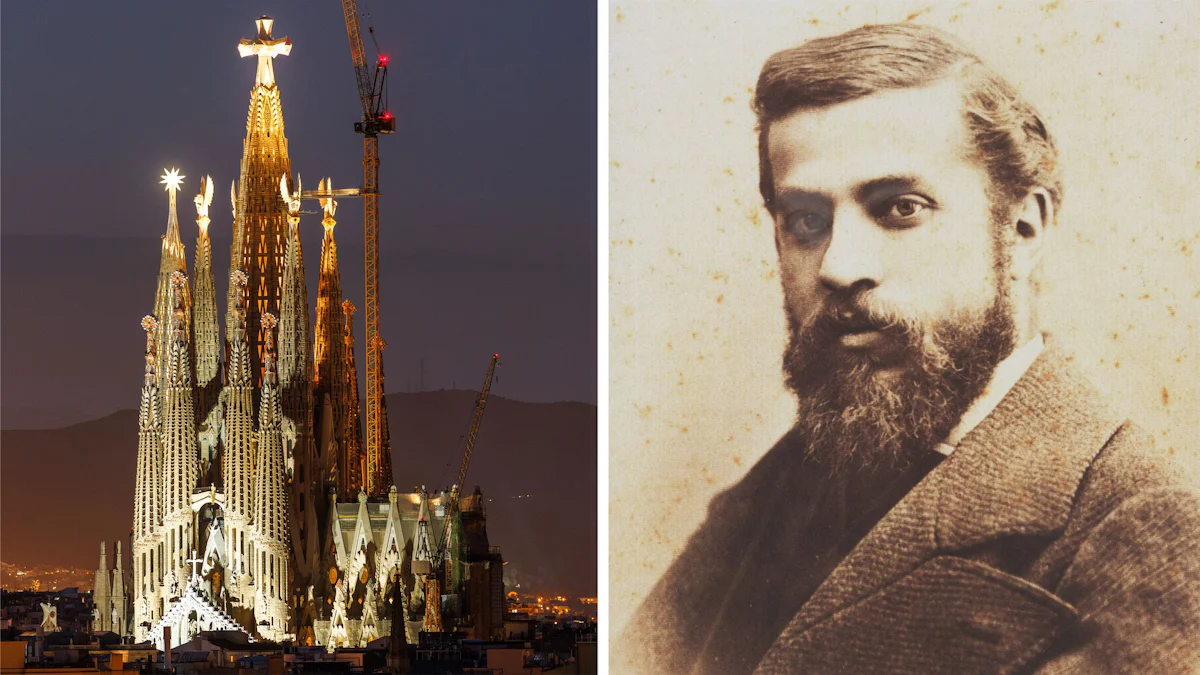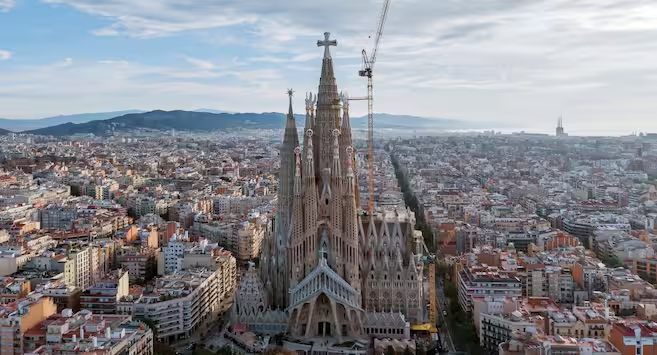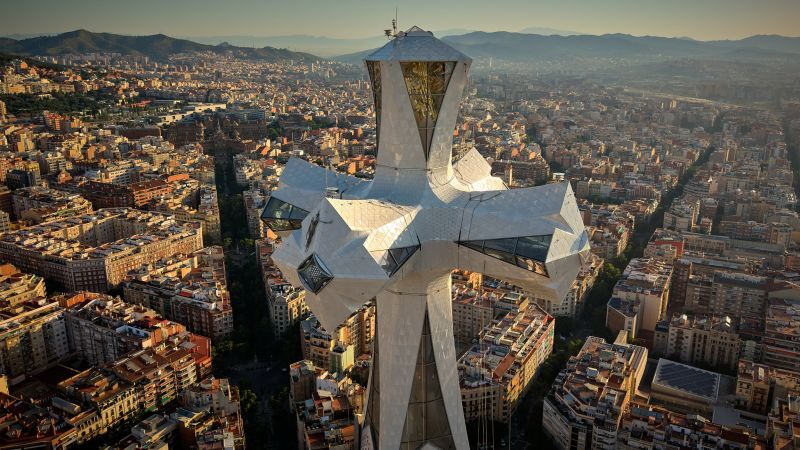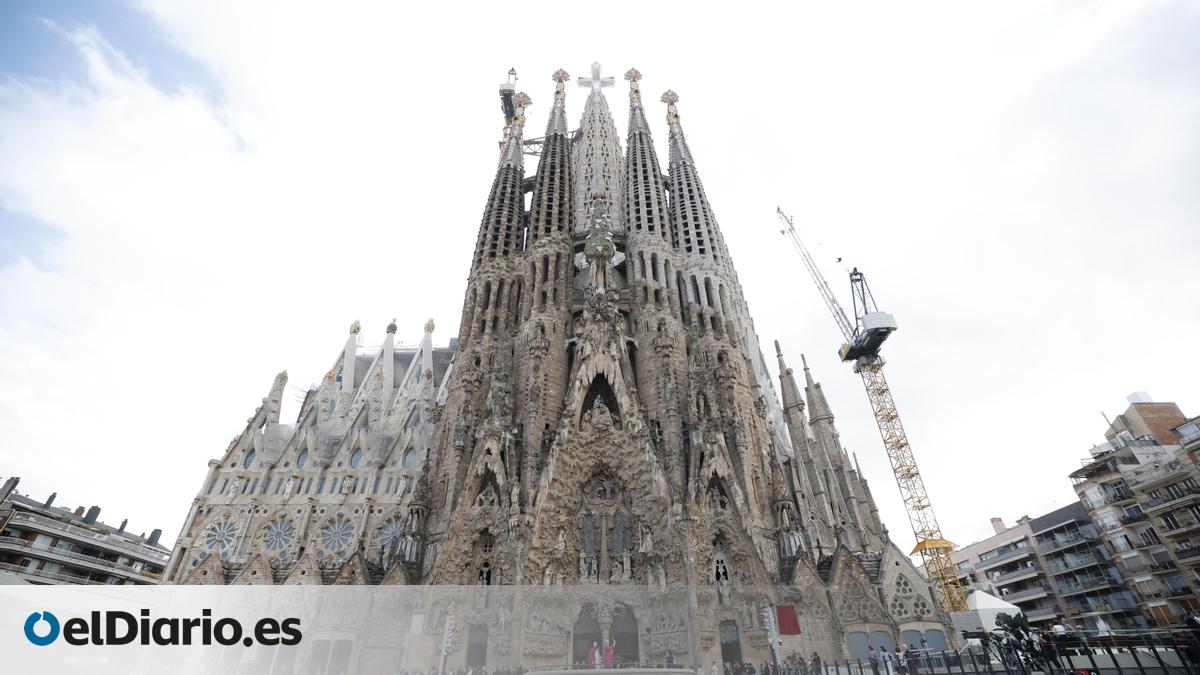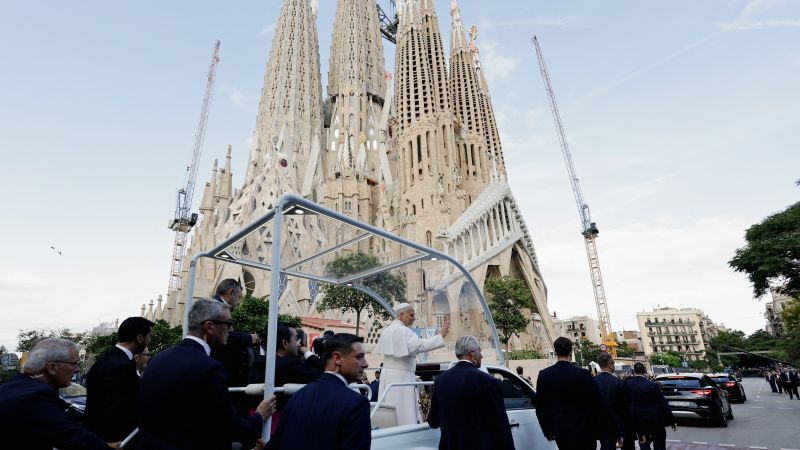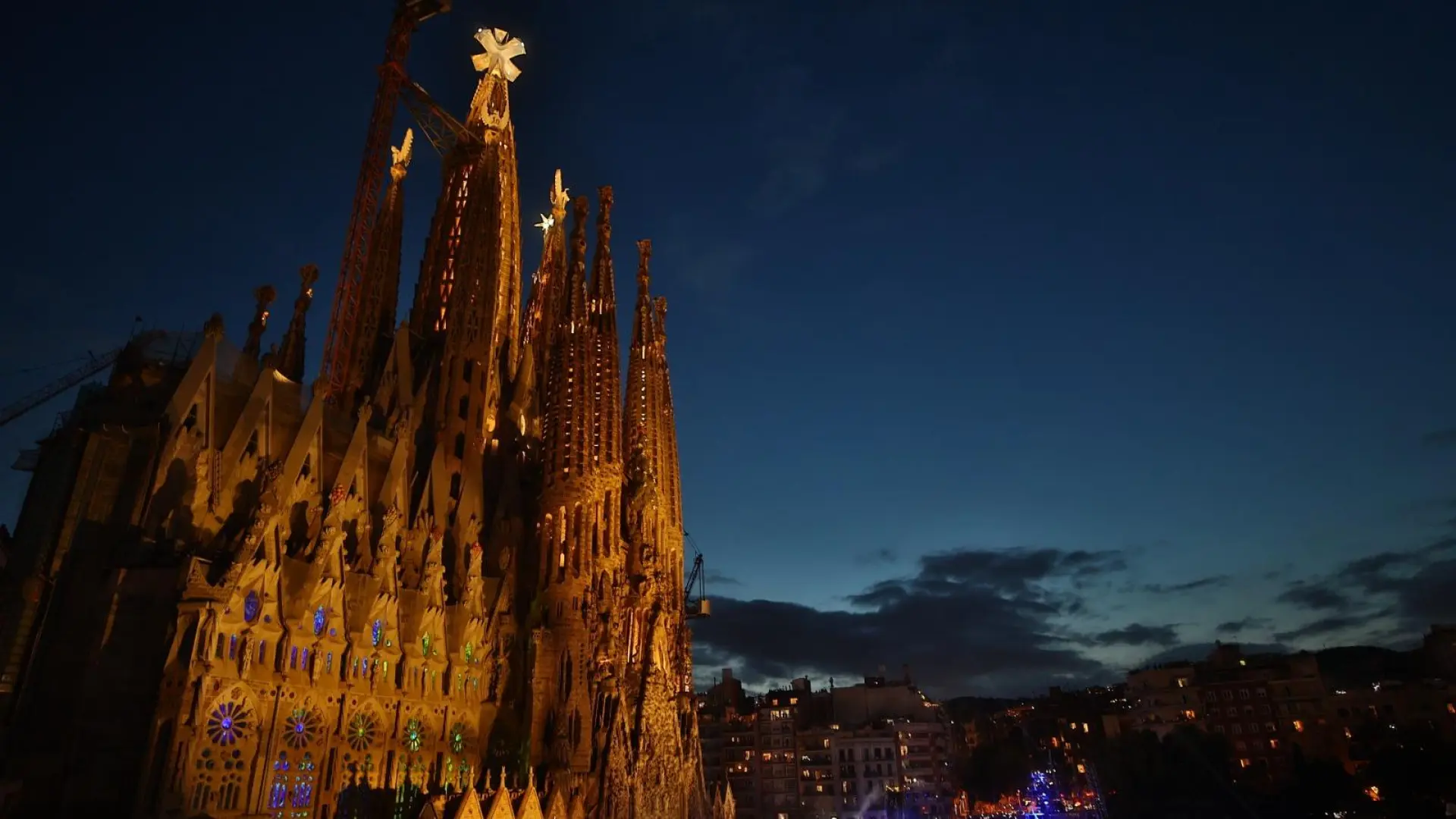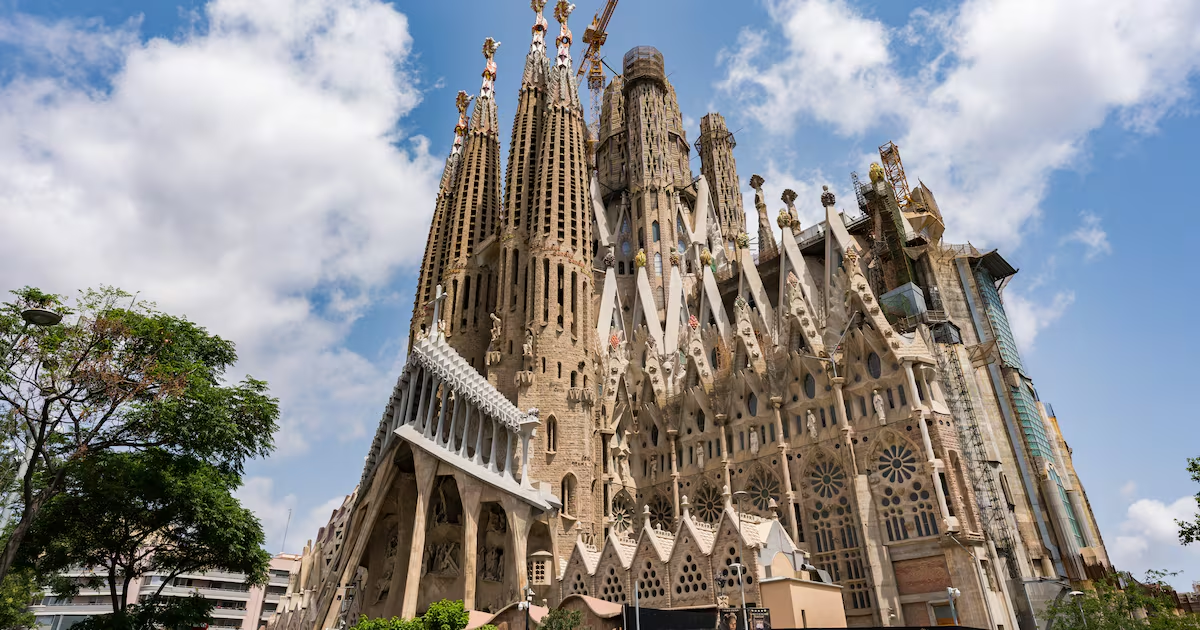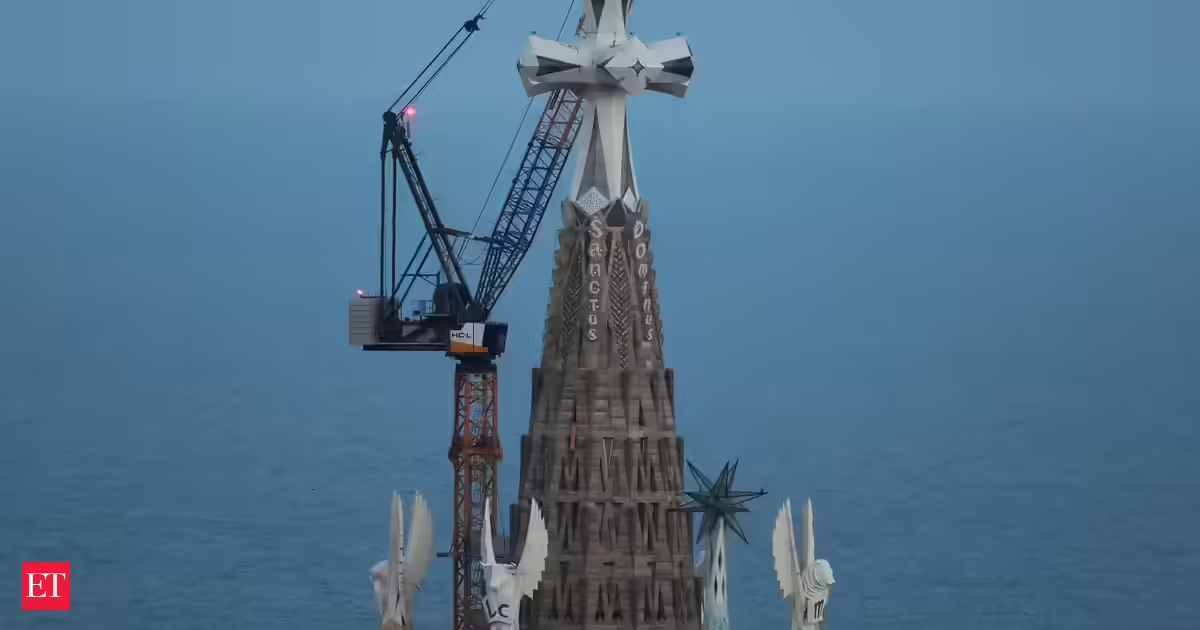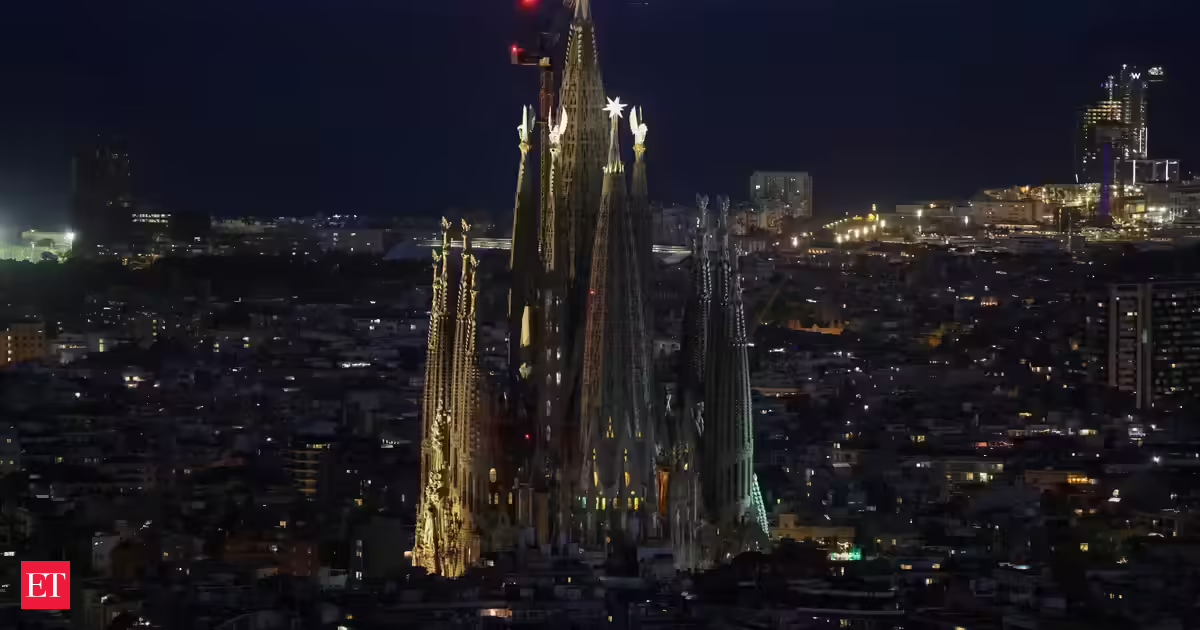
Antoni Gaudí spent decades imagining a church unlike anything the world had ever seen. He died before his greatest creation, Barcelona’s Sagrada Família, could reach completion. Now, 100 years after his death, his impossible-looking architectural dream has reached a historic milestone. A combination of ancient ideas and modern engineering has helped bring the legendary basilica closer to Gaudí’s original vision, as per The BBC and AOL.The legendary Sagrada Família in Barcelona, Spain, has finally reached one of its biggest milestones after 144 years of construction. The basilica, often described as one of the most ambitious architectural projects ever attempted, has become the reality of Gaudí’s extraordinary vision, as per CBS News. Known as “God’s architect,” Gaudí spent 43 years shaping the church before his tragic death in 1926. He never saw the final towers rise, but the ideas he left behind continued to guide the project for generations, as per CBS News.For more than a century, Barcelona’s skyline has been shaped by one of the most ambitious architectural projects ever attempted. The Sagrada Família, the towering basilica designed by Antoni Gaudí, has remained a symbol of imagination, faith, and engineering.Gaudí, who became known as “God’s architect,” never lived to see his dream completed. In June 1926, while crossing a street on his way to church, the elderly architect was struck by a tram. Wearing old and dishevelled clothes, he was not immediately recognized and was taken to a pauper’s hospital, where he died days later.His unfinished creation, however, continued. Today, the Sagrada Família stands as a remarkable achievement, with the central Tower of Jesus Christ reaching 172.5 meters (566 feet), making it the tallest church in the world, as per The BBC and AOL.How Did Gaudí Create Such an Impossible Design?Gaudí’s goal was not simply to build a church. He wanted to create what he called a “Bible in stone.” According to art historian and Gaudí biographer Gijs van Hensbergen, the architect wanted to represent religious stories through architecture while also improving on earlier styles.To achieve this, Gaudí looked back to an ancient engineering wonder — the Arch of Taq-i Kisra in present-day Iraq. Built centuries ago, the structure used a catenary arch, a shape formed naturally when a chain hangs from both ends.When turned upside down, the curve creates a highly stable structure. Gaudí believed this shape could solve a major problem in traditional cathedral design. Many older churches relied on flying buttresses, which Gaudí disliked and considered “crutches” supporting buildings that could not carry their own weight.Instead, he used catenary principles to design columns and structures that supported themselves. Nature also became one of Gaudí’s biggest inspirations. Inside the Sagrada Família, the columns resemble trees, with branches spreading upward to support the enormous weight above, as per The BBC and AOL.Why Did Engineers Turn to Ancient Ideas?Building Gaudí’s dream was never simple. His original sketches and models were damaged during the Spanish Civil War, leaving later architects with limited information about his plans. For years, engineers faced challenges, including concerns about whether the towering structures could safely stand.The Tower of the Virgin Mary became one of the biggest tests. Traditional materials would have made the structure too heavy, putting pressure on the supporting columns. Engineers from Arup introduced a different approach. Instead of relying on heavy reinforced concrete and steel structures, they proposed thinner stone panels strengthened with internal steel tendons.This method used compression to make the stone stronger and helped protect the tower from forces caused by wind.Structural engineer Steve McKechnie described the project as something extraordinary, saying Sagrada Família was “a place of legend.”How Was the Final Tower Completed?Modern technology played a major role in bringing Gaudí’s ideas to life. Computer software, advanced engineering, and prefabricated construction methods helped speed up the process while staying faithful to his original concepts.The basilica’s completion has taken generations. Architect Jordi Faulí, who began working on the project in 1990, said Gaudí left enough information for future builders to continue following his ideas.Even after his death, Gaudí’s influence remained powerful. His models, photographs, and geometric clues helped architects reconstruct his intentions after the damage caused during the Spanish Civil War.The Sagrada Família is still unfinished, with more work ahead. But its newest milestone represents something Gaudí could never witness himself, his dream becoming reality.The architect once believed that his work was guided by a higher purpose. As Gaudí famously said, “God is not in a hurry.” A century later, his vision continues to rise above Barcelona.There is still work ahead. Some parts of the design remain unfinished, and architects do not know exactly when the entire project will be completed. But the dream that began in the 19th century has already achieved something remarkable. Gaudí once believed his work belonged to something larger than himself. He famously said his client was God and that “God is not in a hurry.” A century after his death, the world is finally seeing the scale of what Gaudí imagined. The architect who never lived to witness the finished basilica left behind a creation that continues to rise, inspire, and redefine what architecture can become.FAQsWhy is Sagrada Família famous?It is Gaudí’s unfinished masterpiece known for its unique design.Why did Gaudí never finish it?He died in 1926 after being hit by a tram.
He was hit by a tram before seeing it finished. 100 years later, Gaudí's vision is real; here's the story of Barcelona's iconic Sagrada Família
Antoni Gaudí's Sagrada Família now stands as the world's tallest church. Inspired by ancient arches, modern techniques have perfected its soaring design. Gaudí died in 1926, leaving the iconic structure unfinished. Despite challenges, including lost plans, the church's central pinnacle has been inaugurated. This achievement marks a culmination of centuries of work and dedication.
878 words~4 min read