[Haz clic aquí para leer esta nota en español]
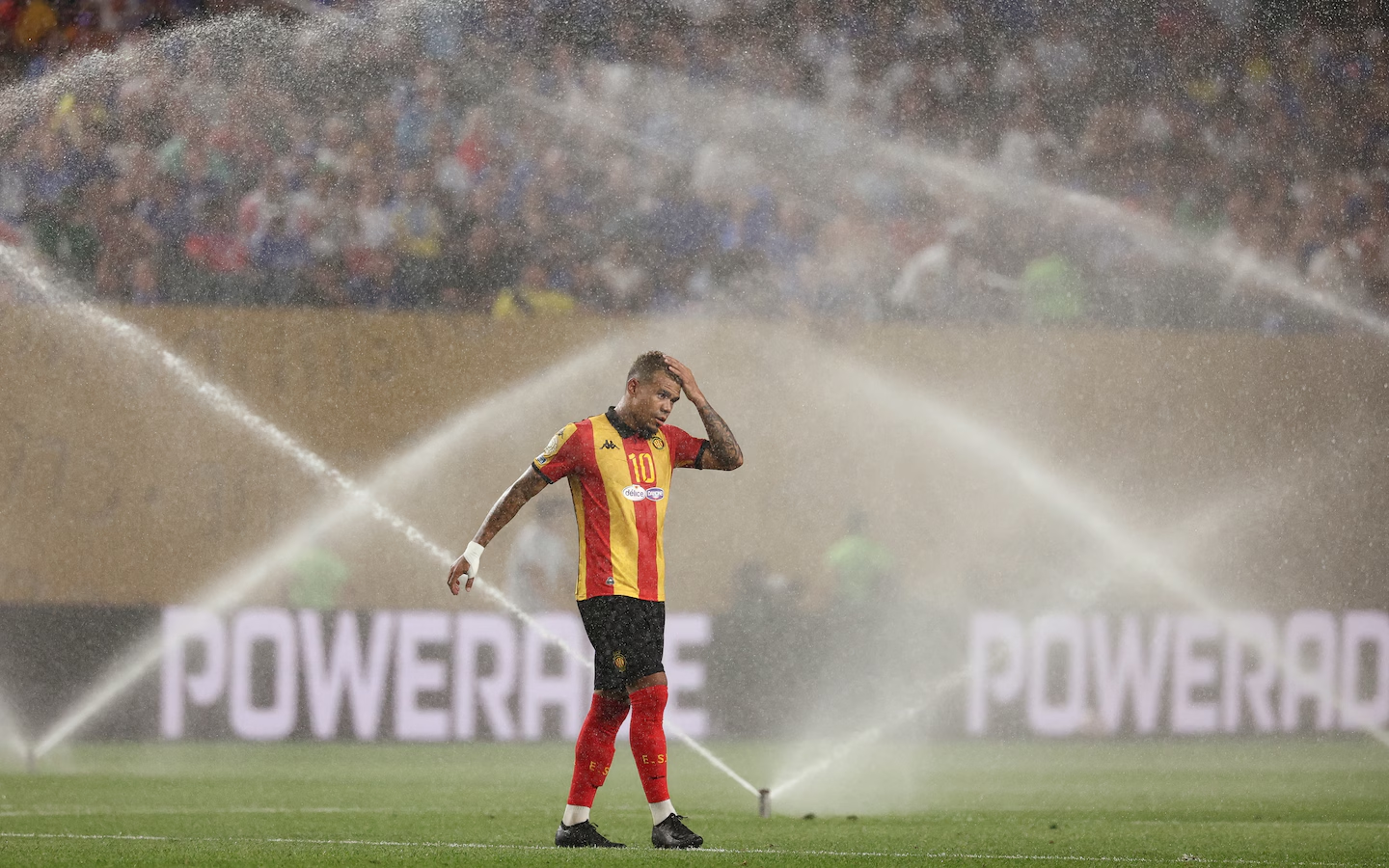
During a Club World Cup semifinal in July 2025 at the MetLife Stadium in East Rutherford, New Jersey, Argentine midfielder Enzo Fernández – suffering from heat exhaustion – had to lie down on the pitch. The temperature was 96°F (35.5°C), and the humidity was over 54%, making it feel even hotter.
“The heat was incredible. I got dizzy during a play and had to drop to the ground. Playing in these temperatures is very dangerous,” Enzo Fernández later said in Spanish.
Similar dangerous heat is likely during this summer’s World Cup in part because FIFA often schedules games in accordance with TV broadcast schedules, not player comfort. Compounding the problem, climate change is boosting the likelihood of performance-impairing heat during most scheduled World Cup matches, according to a new Climate Central analysis.
On July 19, 2026, the same stadium where Fernández suffered heat exhaustion – a facility with no roof or air conditioning – will host the World Cup final at the same time: 3 p.m. Of the tournament’s 104 matches, 54 will be played during the daytime, including 24 of the 32 knockout-stage games.