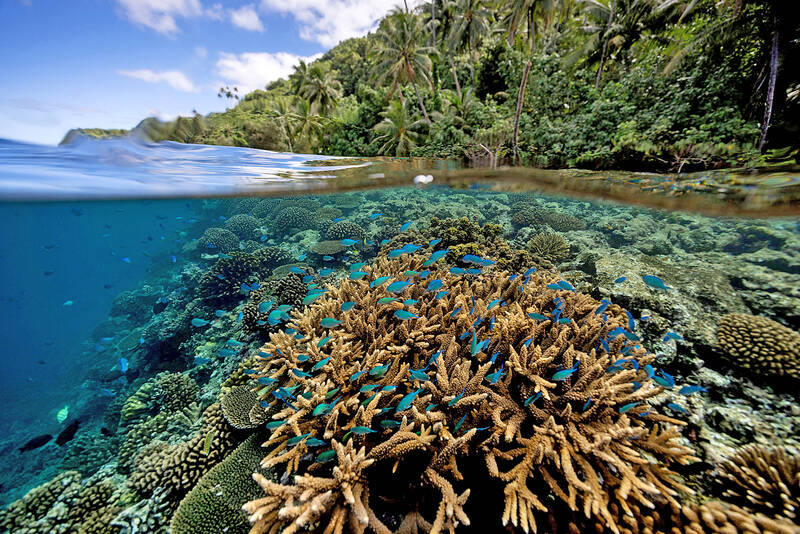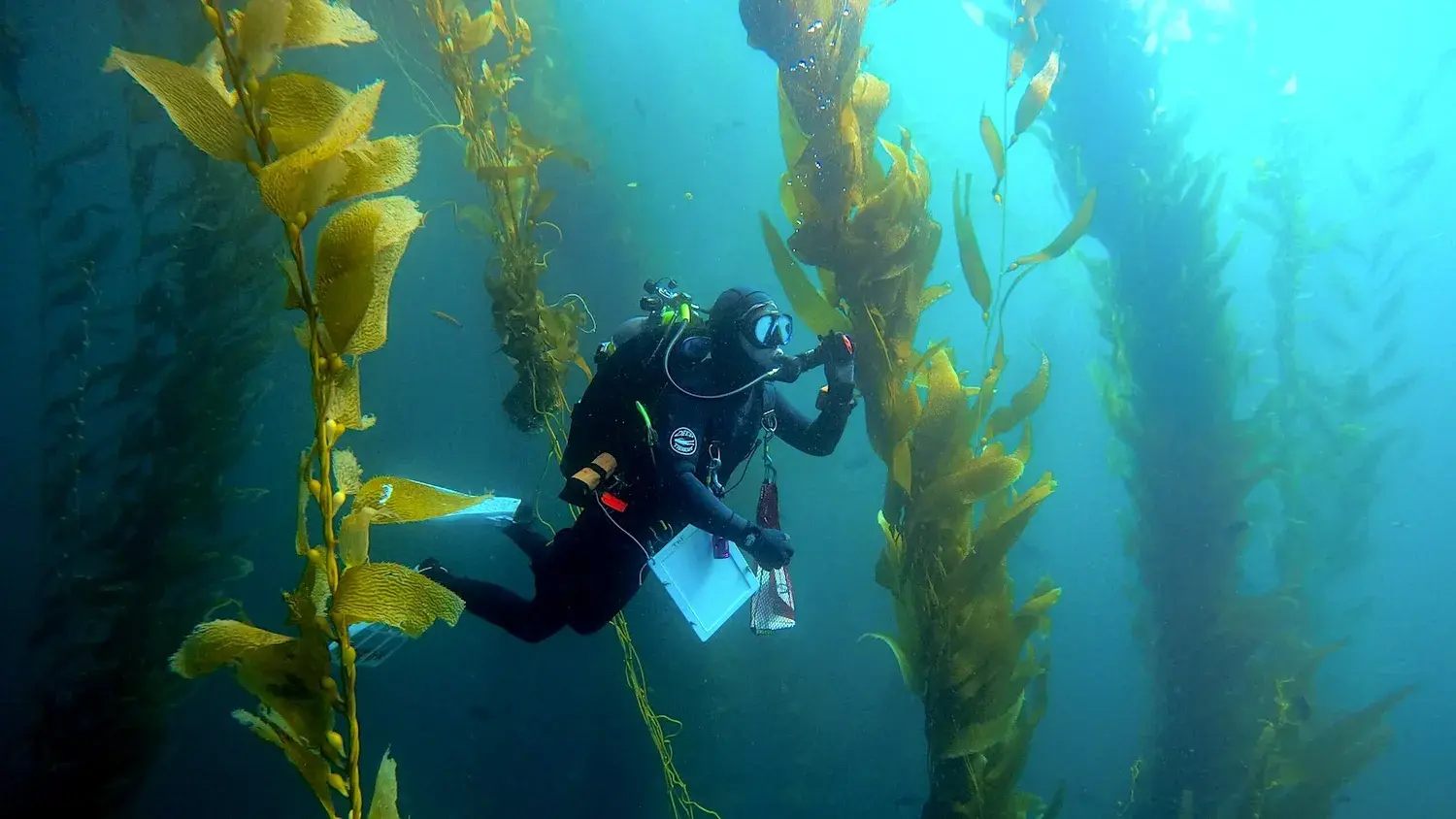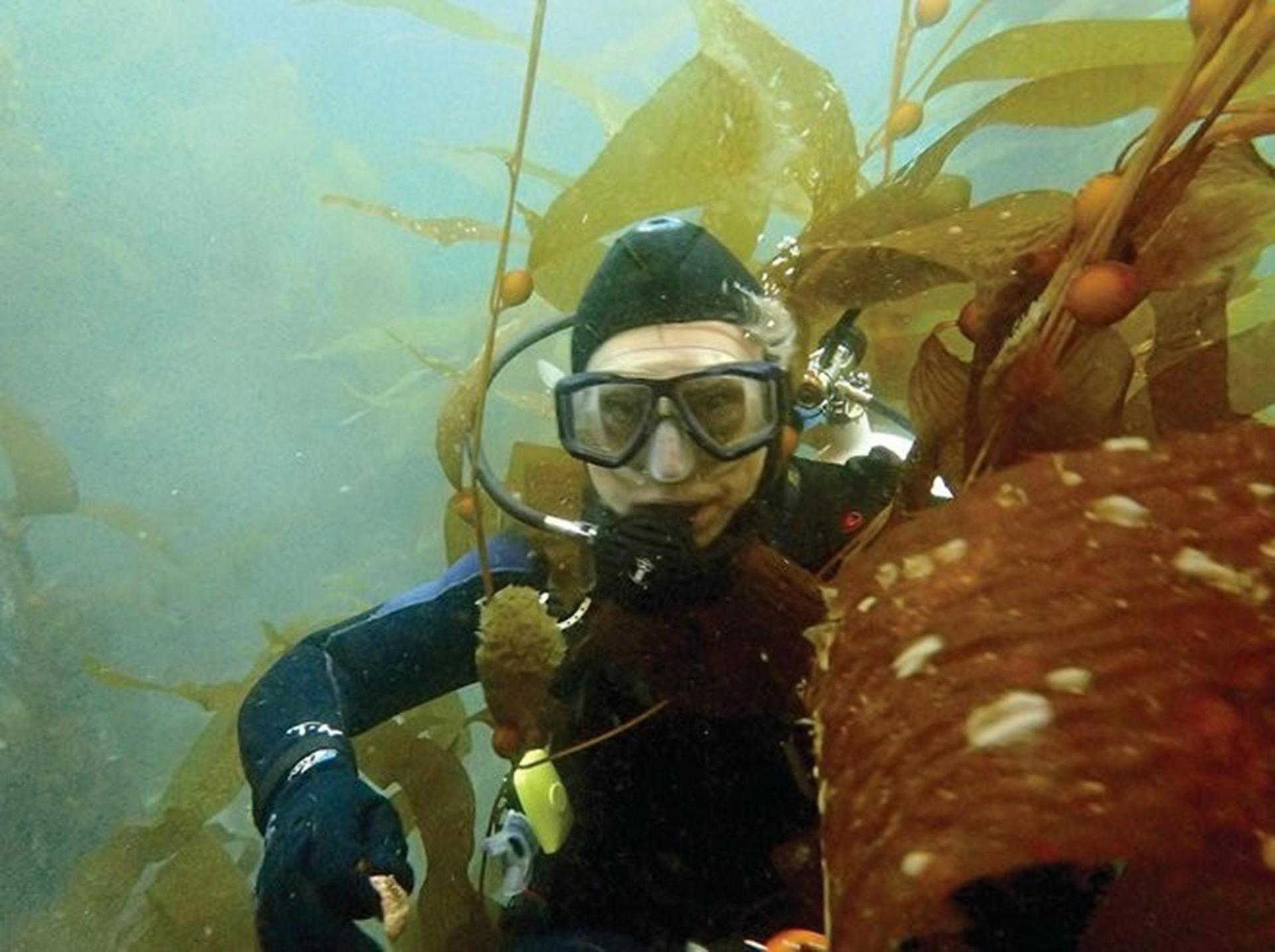
Cold water kelp forests have declined by more than than 50 percent since the mid-20th century, according to David Helvarg, who is seen in this photo. Jessie Altstatt-TNS
Until recently, the main threats to kelp and coral reefs were overfishing and pollution. Now it’s our warming seas.
A study carried out by scientists from the National Oceanic and Atmospheric Administration (NOAA) and 30 other institutions around the world reports that the ocean absorbed more heat last year than ever before. Now the agency is predicting a record-breaking El Niño (periodic Pacific warming) this year that will impact global weather.
This bad news about a changing climate comes on top of a marine heatwave currently stretching from Micronesia to coastal California. Scientists say it’s likely to become more severe than the heat wave known as the “Blob,” which appeared off the Pacific coast between 2013 and 2017 and contributed to widespread loss of marine life and kelp forests on the West coast.
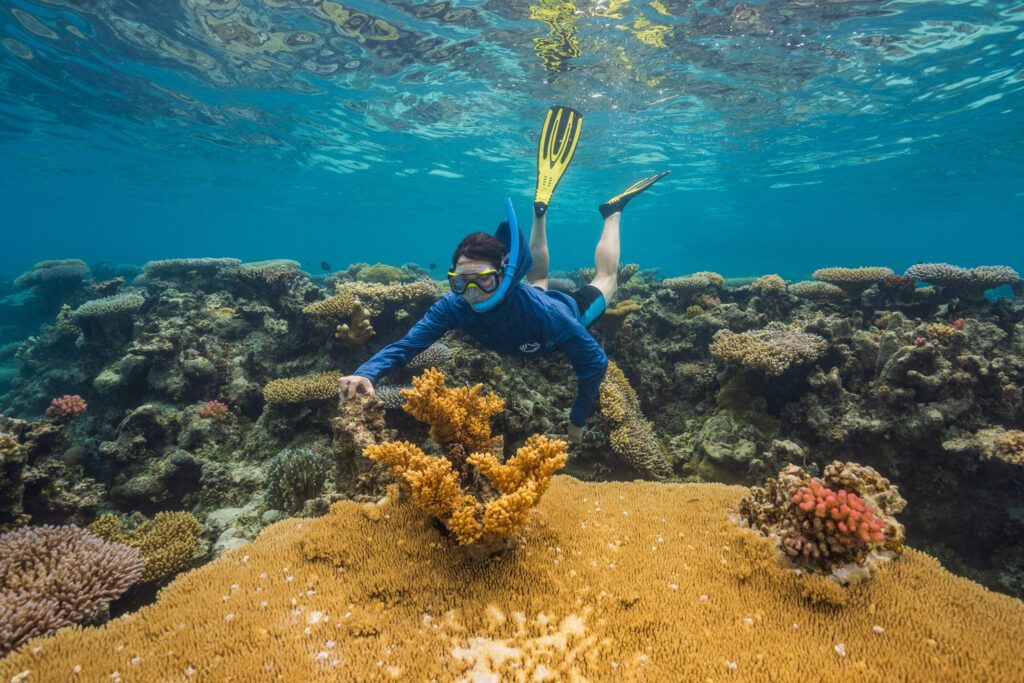
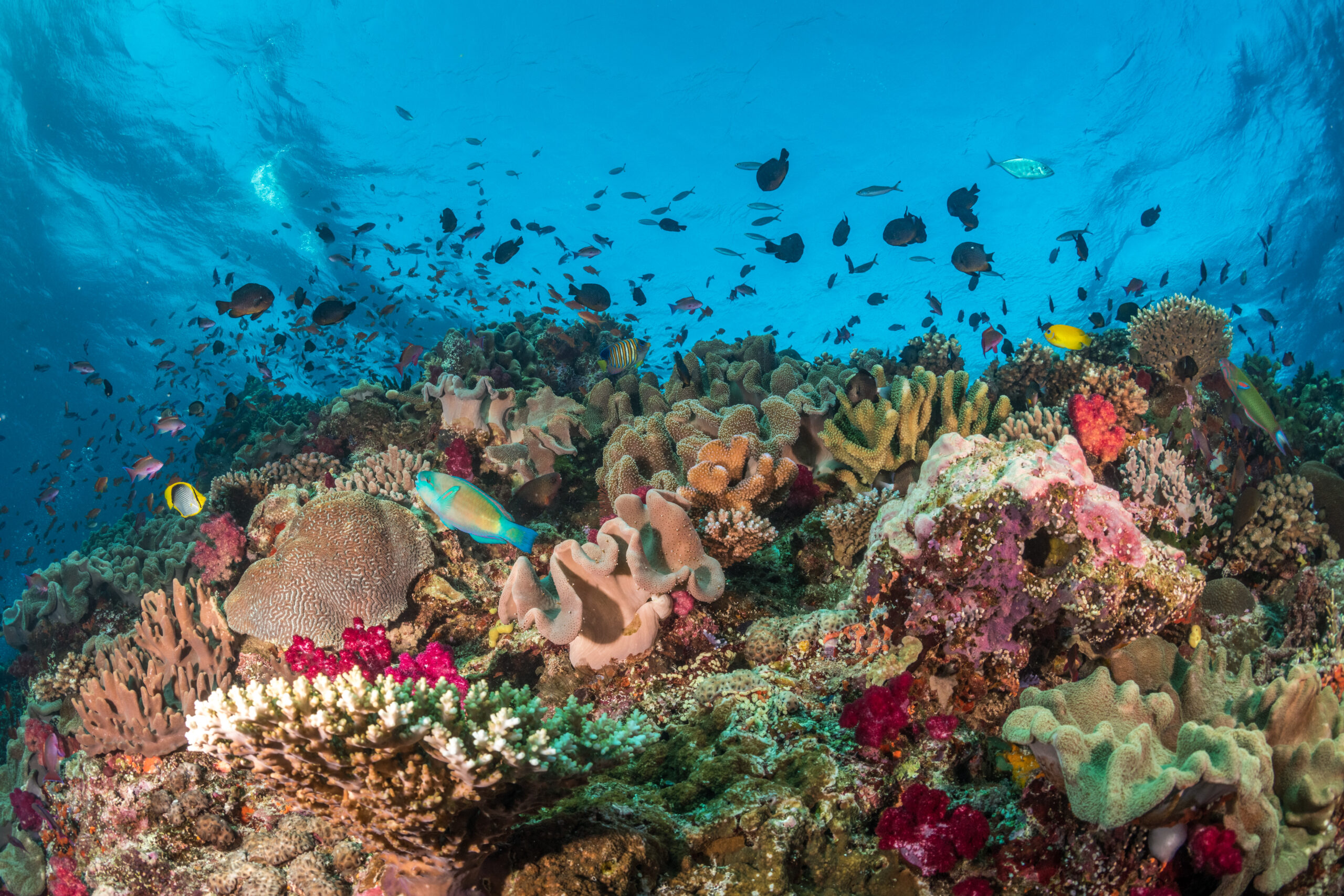
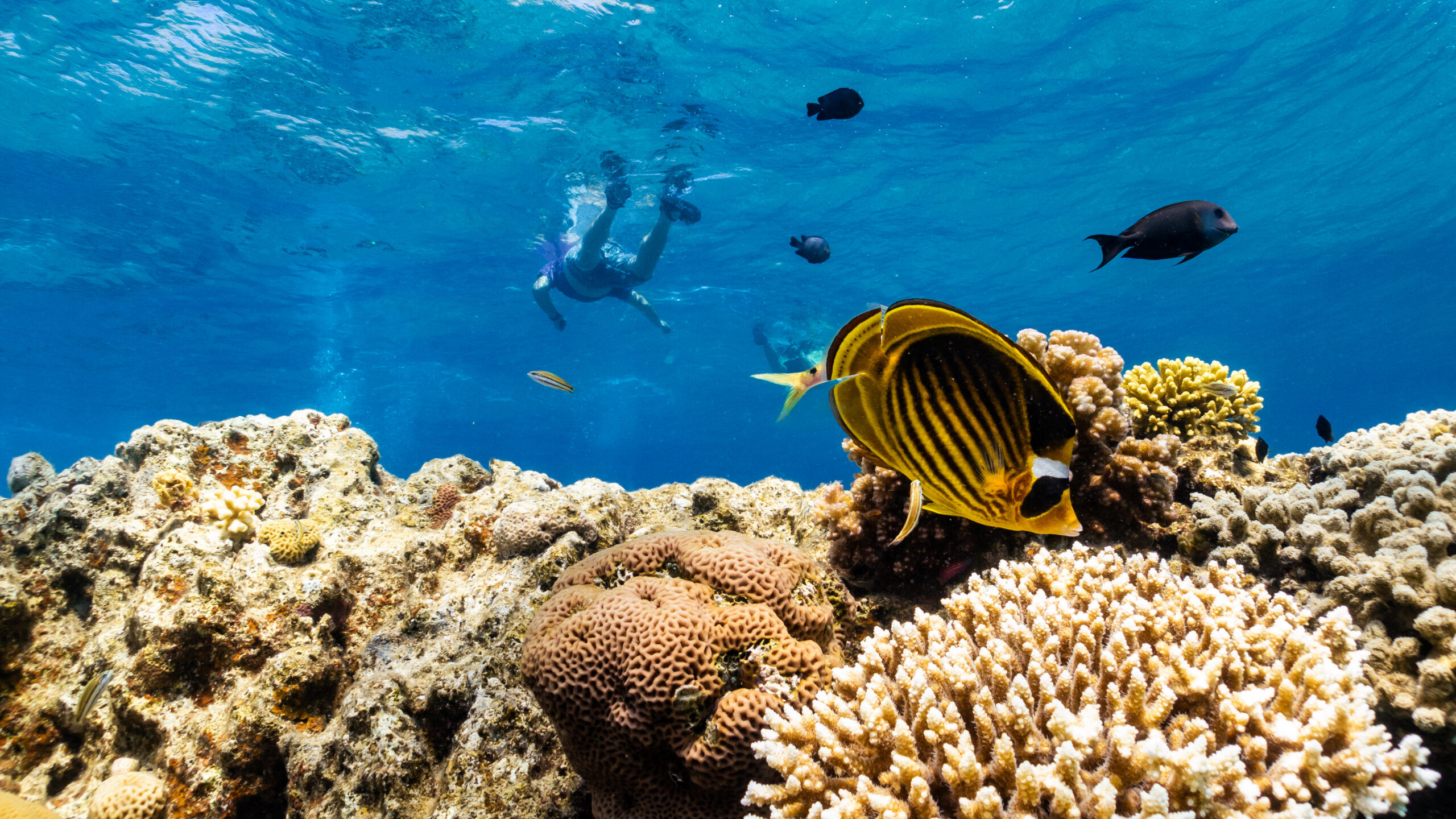
These oceanic heat waves can increase regional water temperatures 4-8 degrees or more, leading not only to critical habitat loss —84% of the world’s coral reefs experienced bleaching in 2025 alone — but also generating more severe storms and torrential rainfalls, as was the case in Hawaii and Wisconsin this year.