The world relies on a modest number of countries to keep watch over the ocean. That arrangement is starting to fail. Europe and Asia must now decide whether to let the system unravel, or to take it up together.
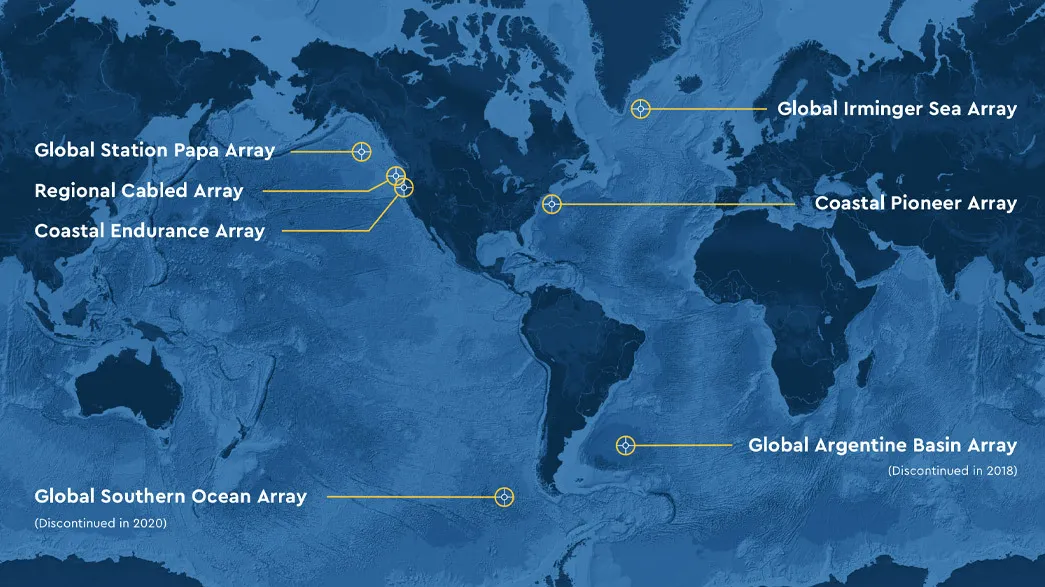
Right now, in every ocean basin on Earth, a global network of instruments measures the state of the sea.
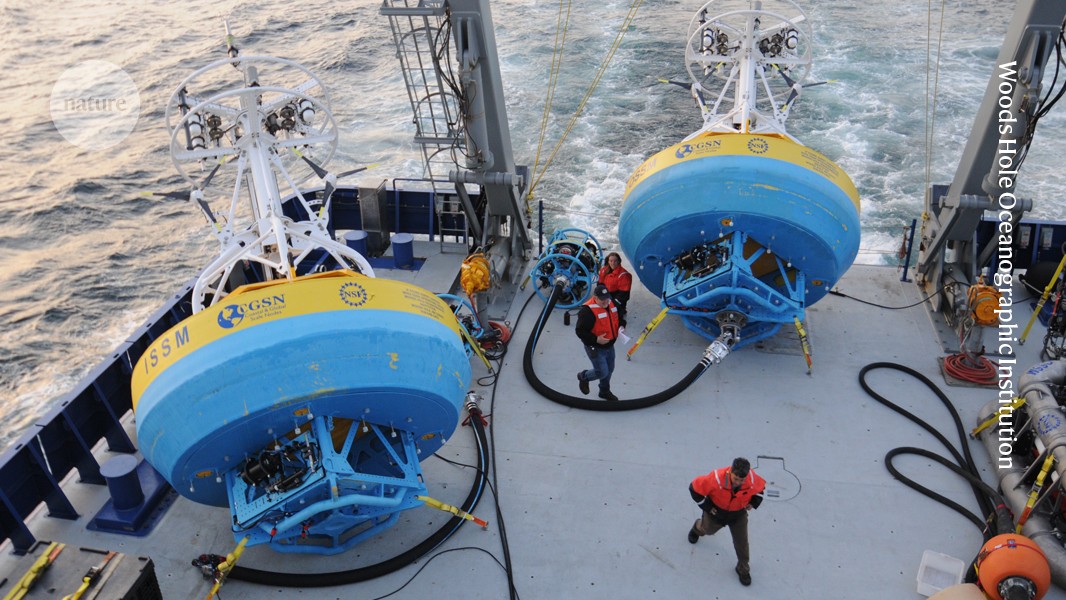
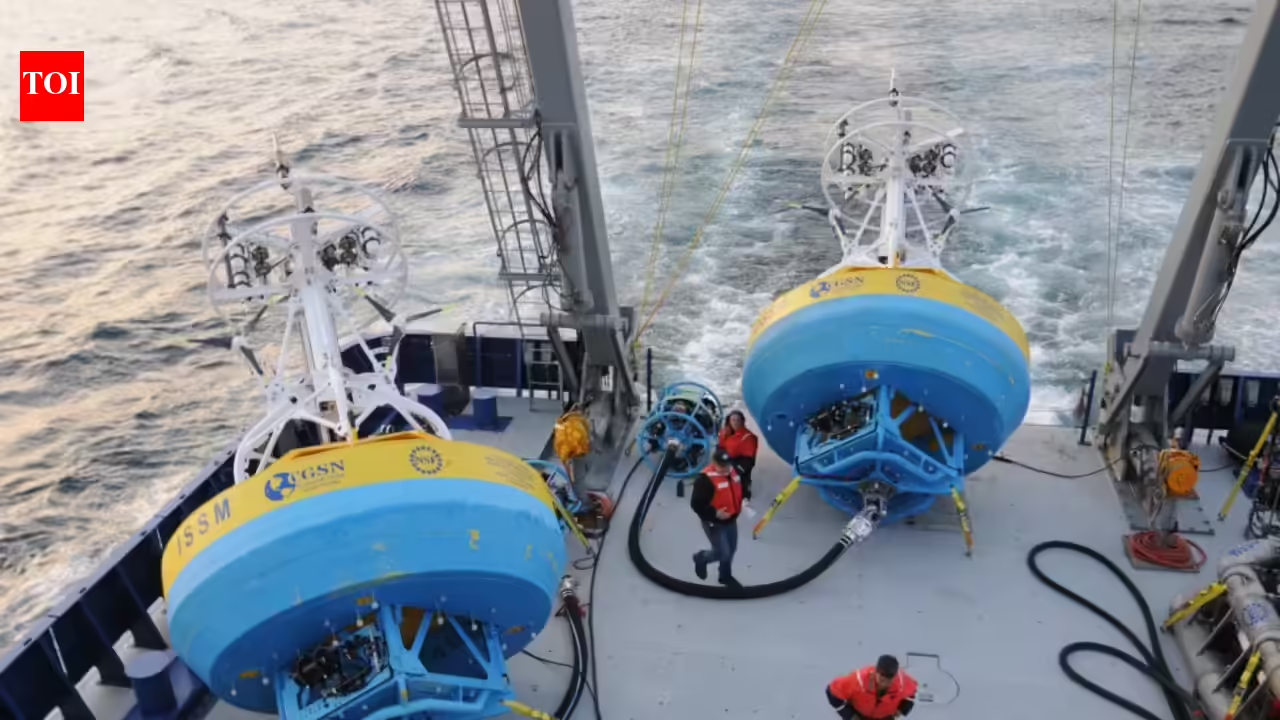
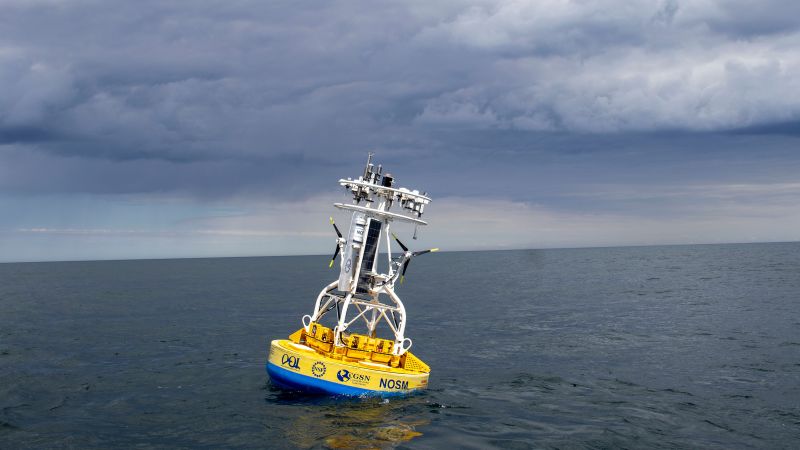
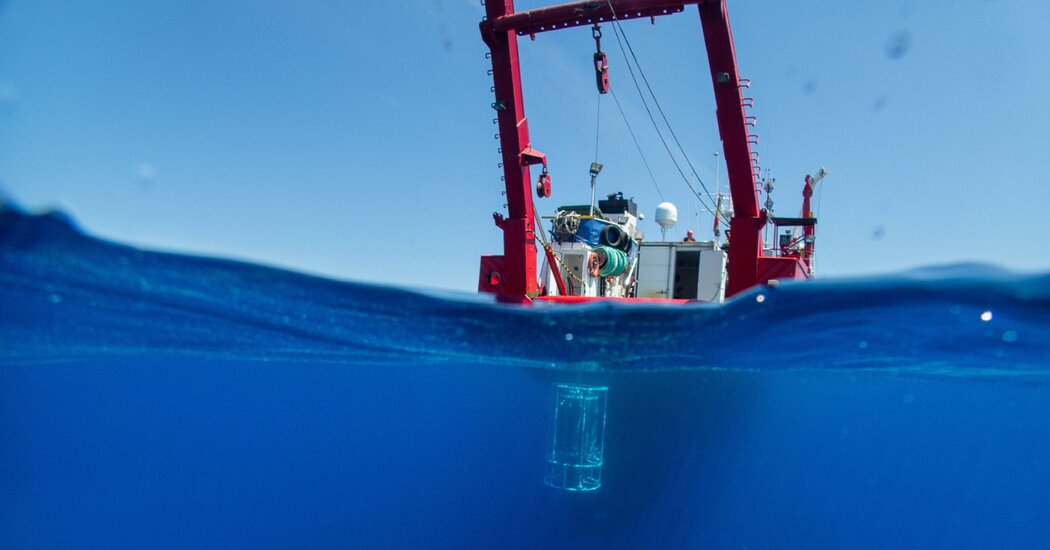
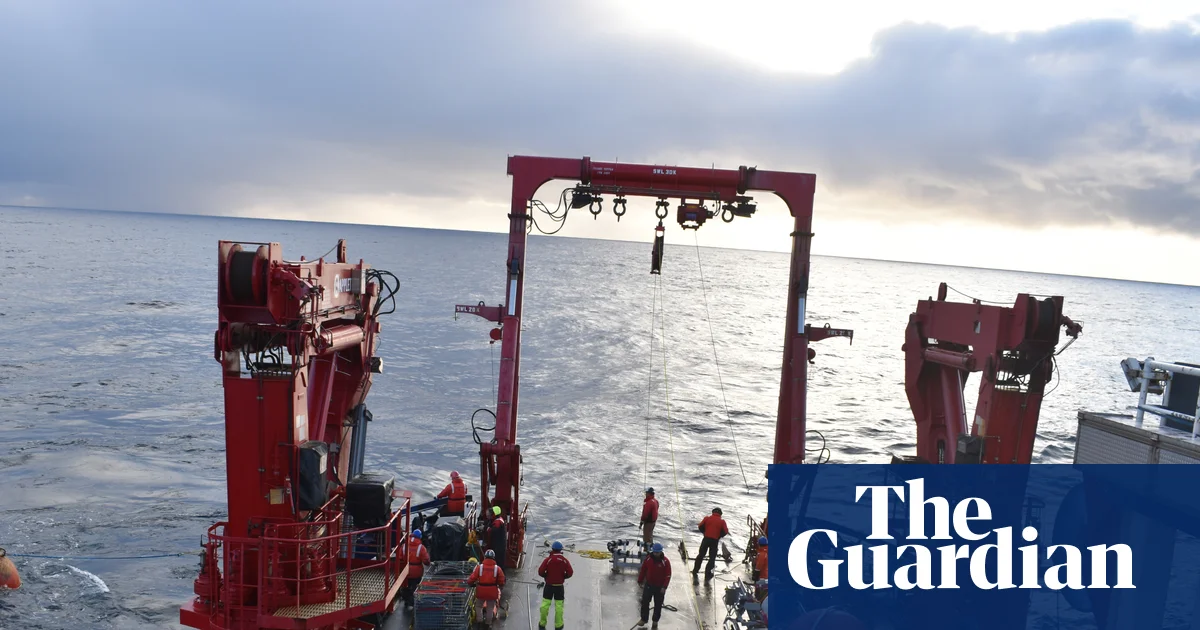
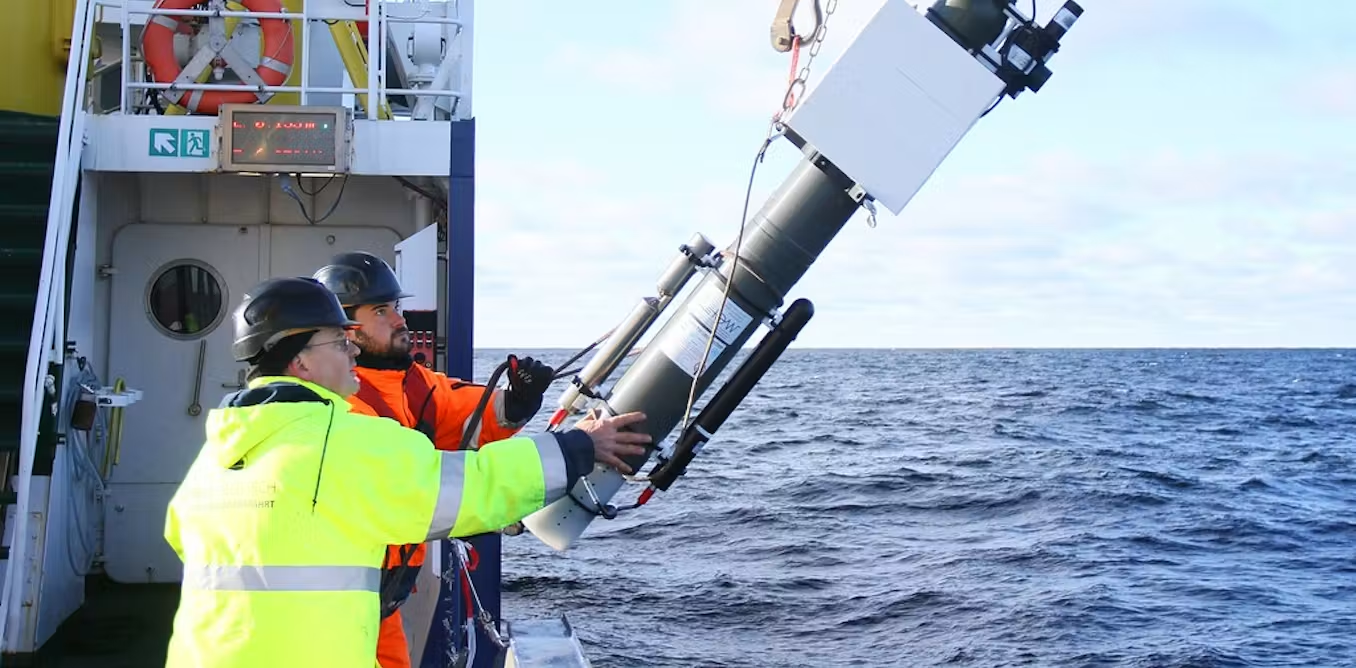
Research ships steam along oceanographic transects from surface to seafloor. Anchored buoys watch the tropical oceans for the first signs of El Niño or tropical cyclones and take the pulse of the thermohaline circulation. Some four thousand autonomous floats sink every ten days to two thousand metres before rising to transmit temperature and salinity to ground stations via satellite. Underwater gliders patrol continental margins, and drifting buoys ride the surface in the most remote waters. Hundreds of elephant seals carry miniaturised sensors beneath the polar sea ice…
Together, this network produces invaluable information that allows societies to anticipate and respond to a changing ocean and weather conditions, and protect the ocean in return.
It is also far more fragile than most people, and most governments realise. A new study published in Nature Climate Change has measured for the first time just how fragile the ocean watch network is.