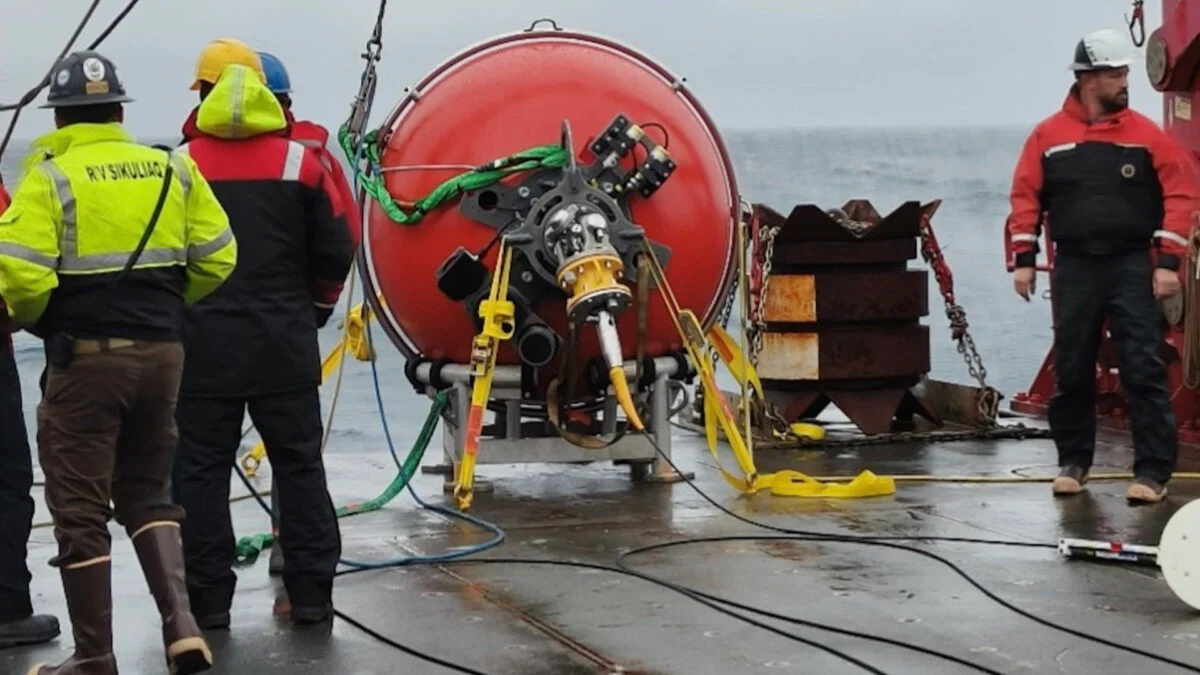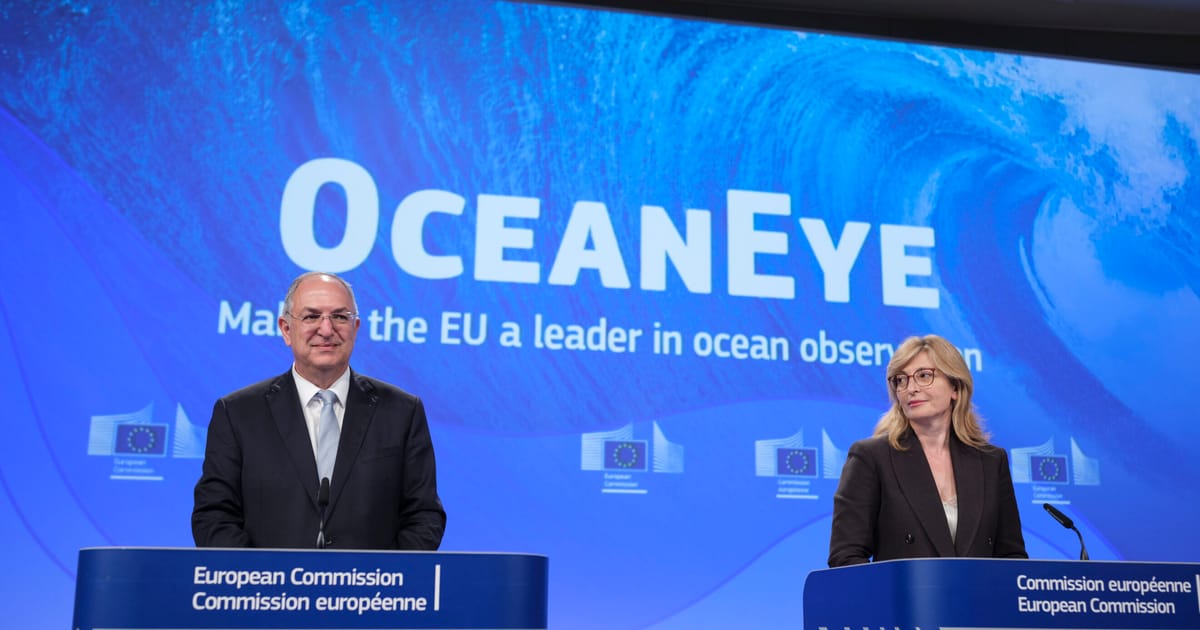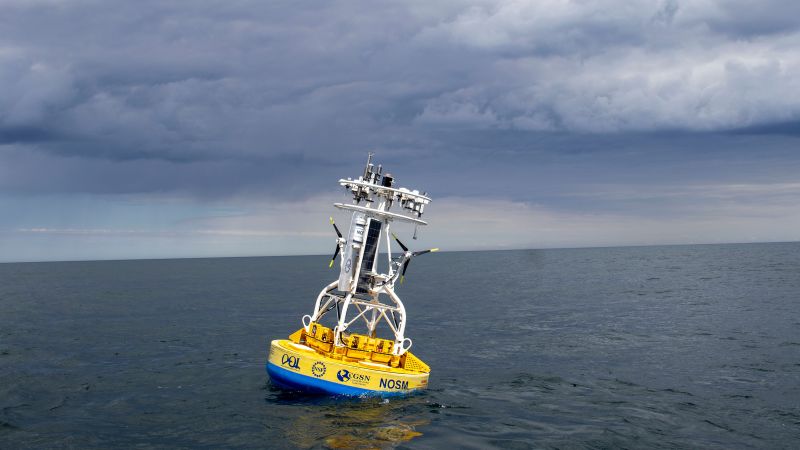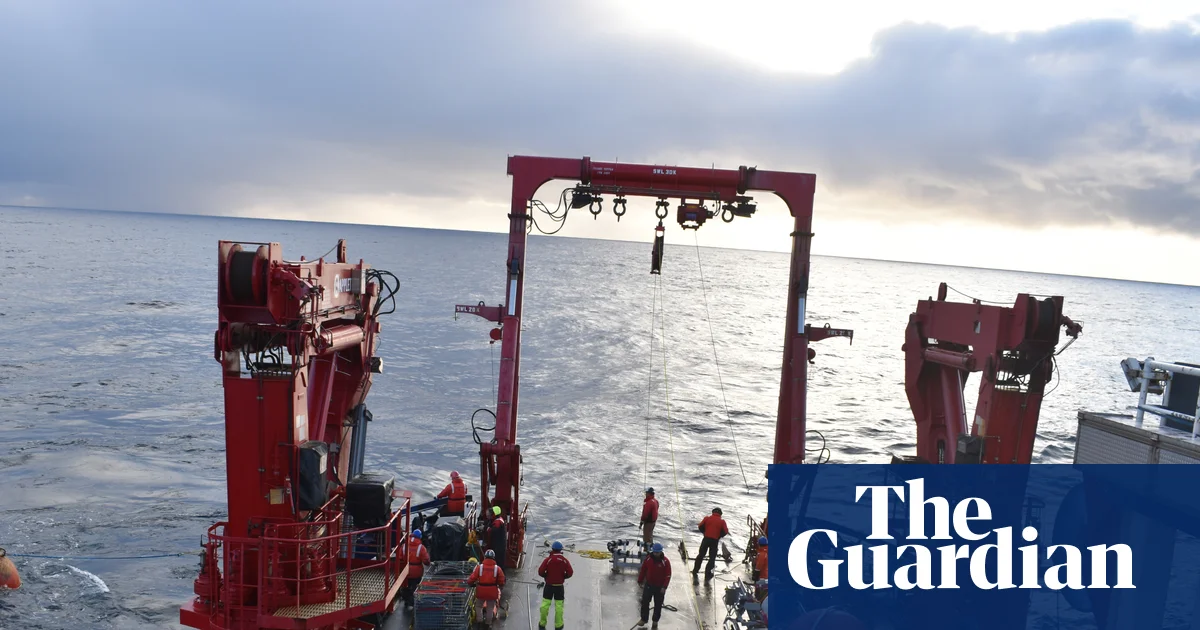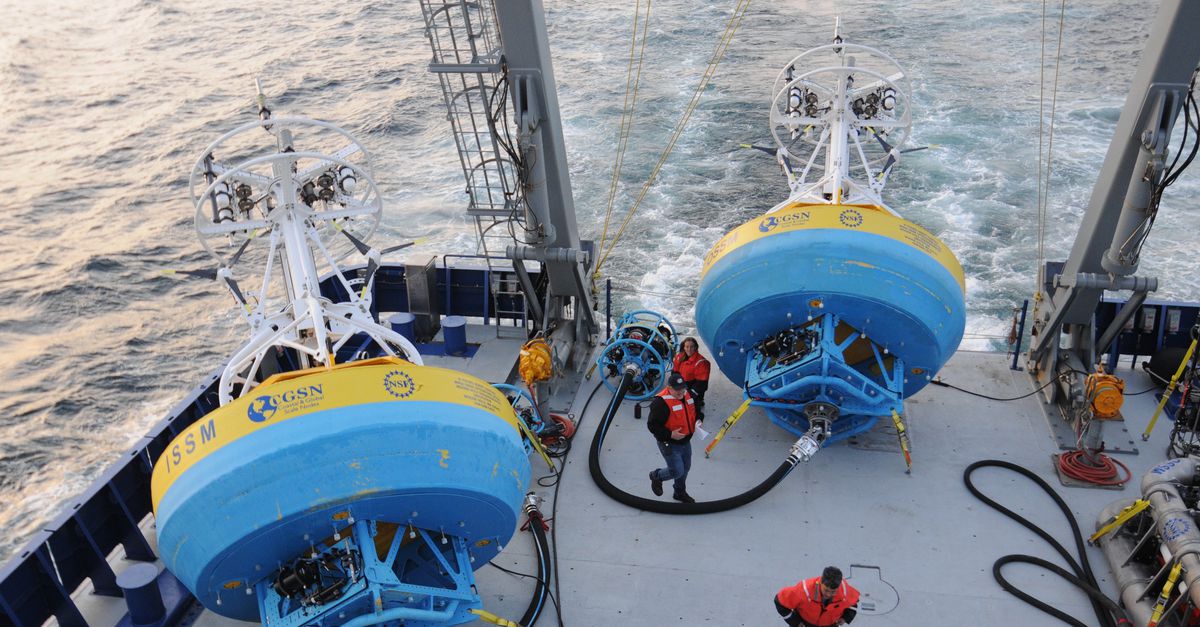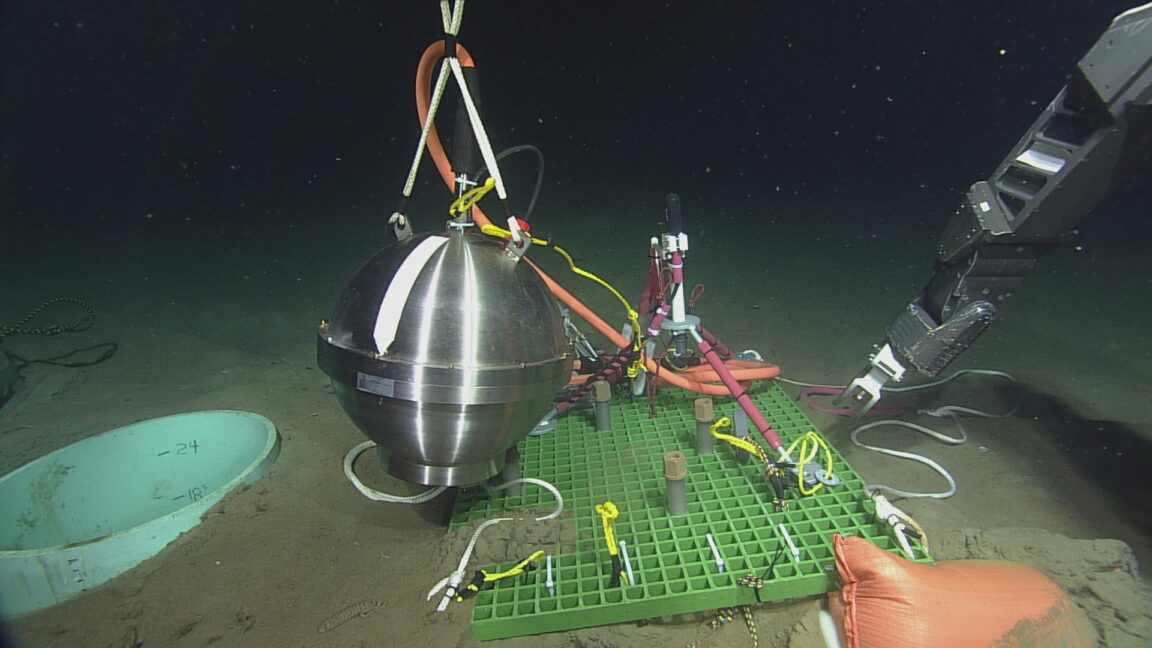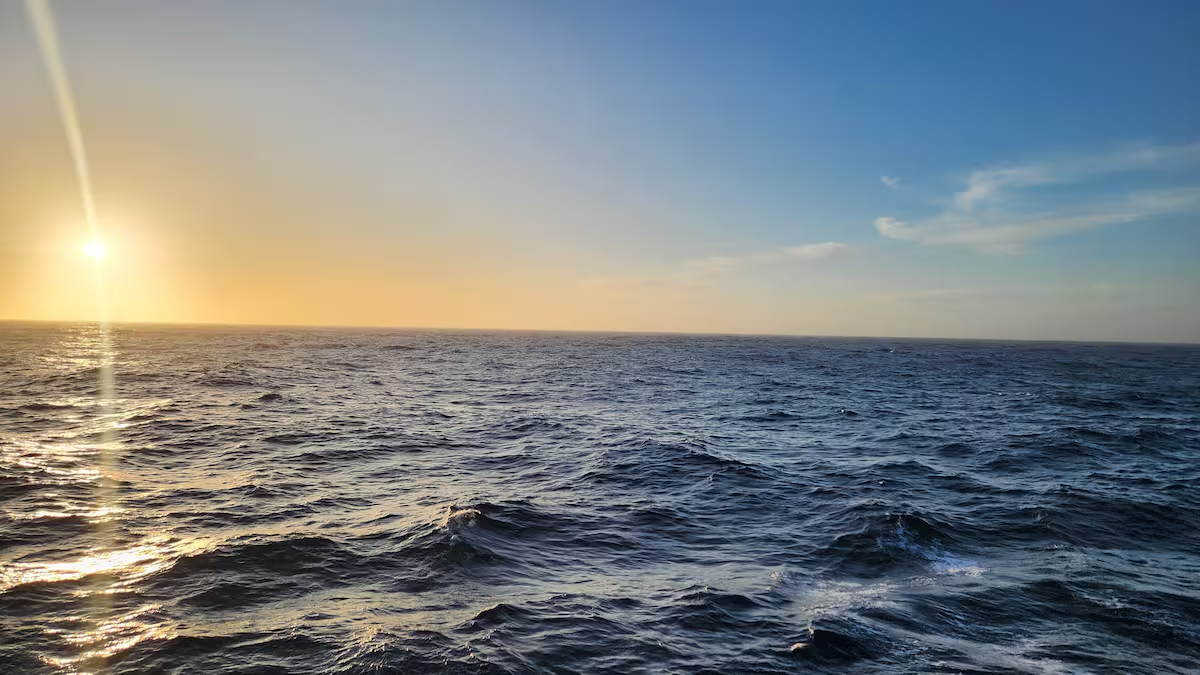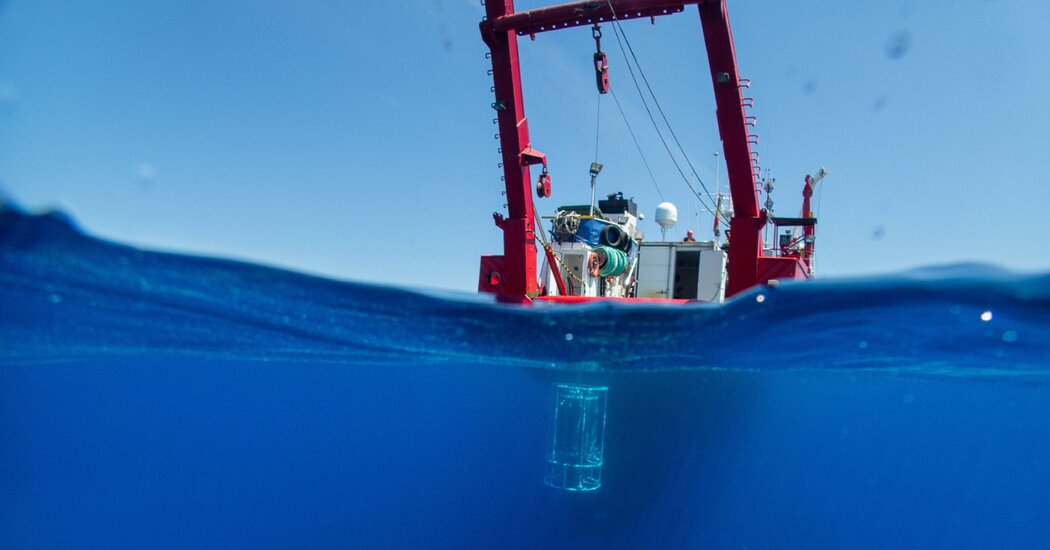
AdvertisementSKIP ADVERTISEMENTYou have a preview view of this article while we are checking your access. When we have confirmed access, the full article content will load.Days after the U.S. said it would kill a network of ocean monitors, European officials pledged to invest more in their version, calling it a “necessity.”Listen · 4:27 min The European plan to invest roughly $107 million comes as the U.S. has said it would dismantle a sprawling network of sensors.Credit...Marta Masdeu Navarro/ShutterstockJune 3, 2026Days after the Trump administration vowed to dismantle a deep-ocean observation system, the European Union said it would bolster its own monitoring of the world’s oceans to improve climate forecasting and better anticipate changes to marine ecosystems.The European Union announcement was long in the works, and not a response to the U.S. pullback. Still, officials in Brussels highlighted the contrast.“To position the E.U. at the forefront of ocean observation is not a goal per se, it is a necessity, especially now that extremely worrying signals are coming from the other side of the Atlantic,” said Costas Kadis, the European Union’s commissioner for fisheries and oceans.In recent days the National Science Foundation in the United States said it would begin dismantling a $368 million deep-ocean observation system that has been monitoring marine ecosystems and the effects of climate change since 2016.That would involve the removal of 900 instruments anchored to the ocean bottom off Oregon, Washington State, Alaska, North Carolina, and an area between Greenland and Iceland known as the Irminger Sea.The European Commission, the executive arm of the European Union, said it would invest $107 million, or 92 million euros, in ocean observation. More than half of the funding would be directed to an existing international ocean observation program sponsored by UNESCO, the World Meteorological Organization and other groups. Ursula von der Leyen, the president of the European Commission, said Europe would “lead the race to understand our ocean.”Thank you for your patience while we verify access. If you are in Reader mode please exit and log into your Times account, or subscribe for all of The Times.Thank you for your patience while we verify access.Already a subscriber? Log in.Want all of The Times? Subscribe.AdvertisementSKIP ADVERTISEMENT
E.U. Steps Up Ocean Monitoring as Trump Administration Backs Away
Days after the U.S. said it would kill a network of ocean monitors, European officials pledged to invest more in their version, calling it a “necessity.”
365 words~2 min read