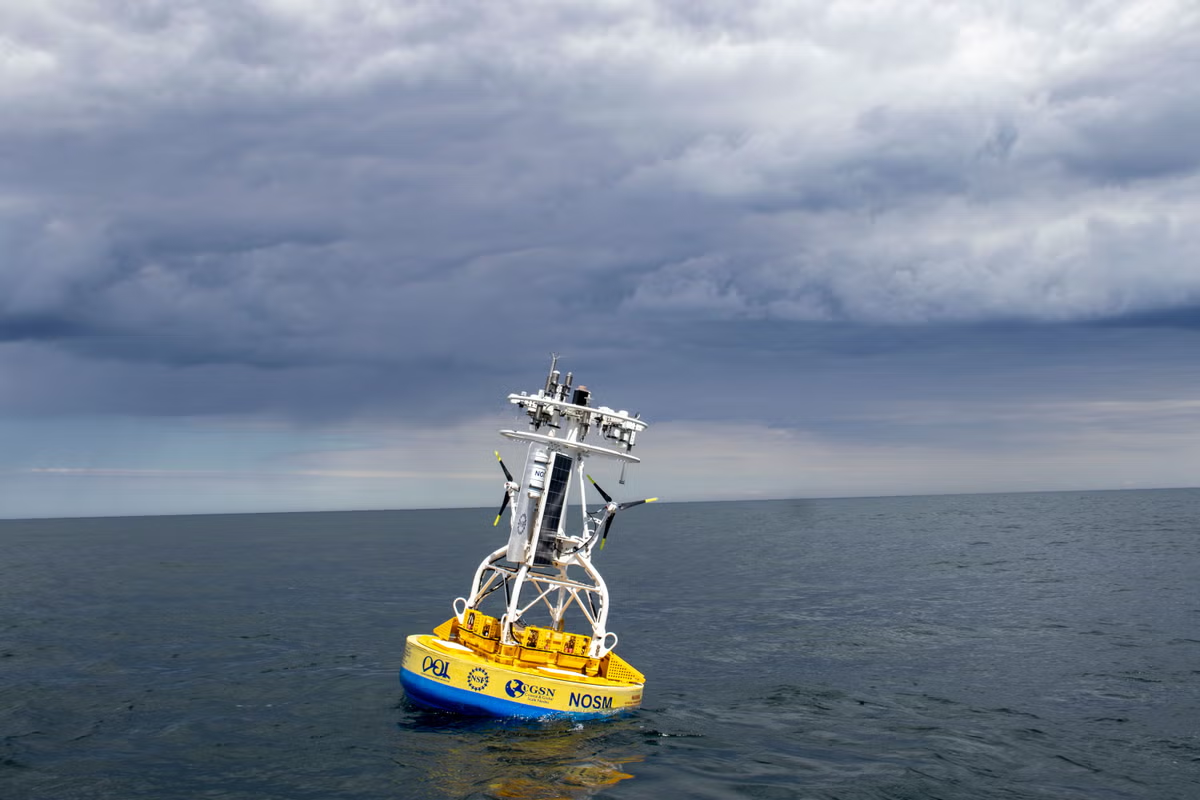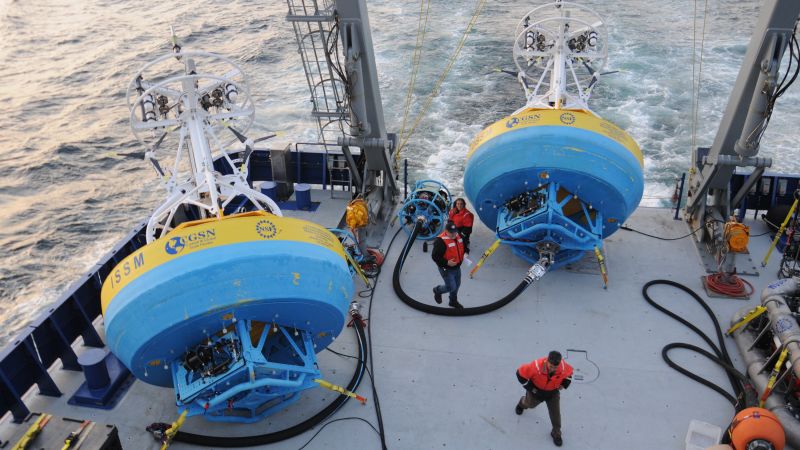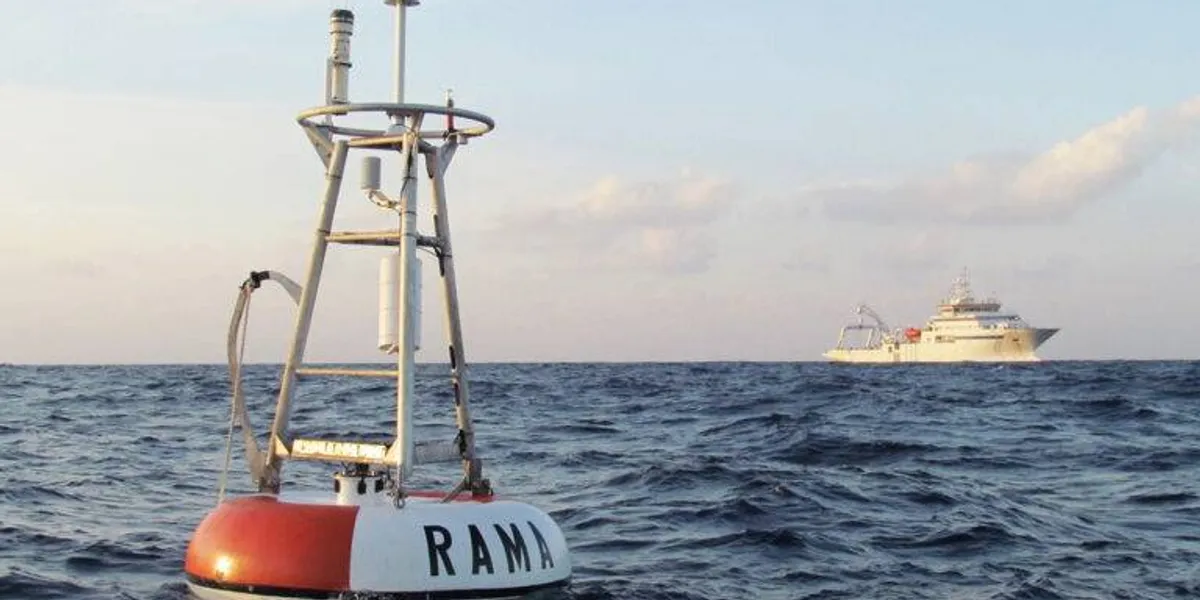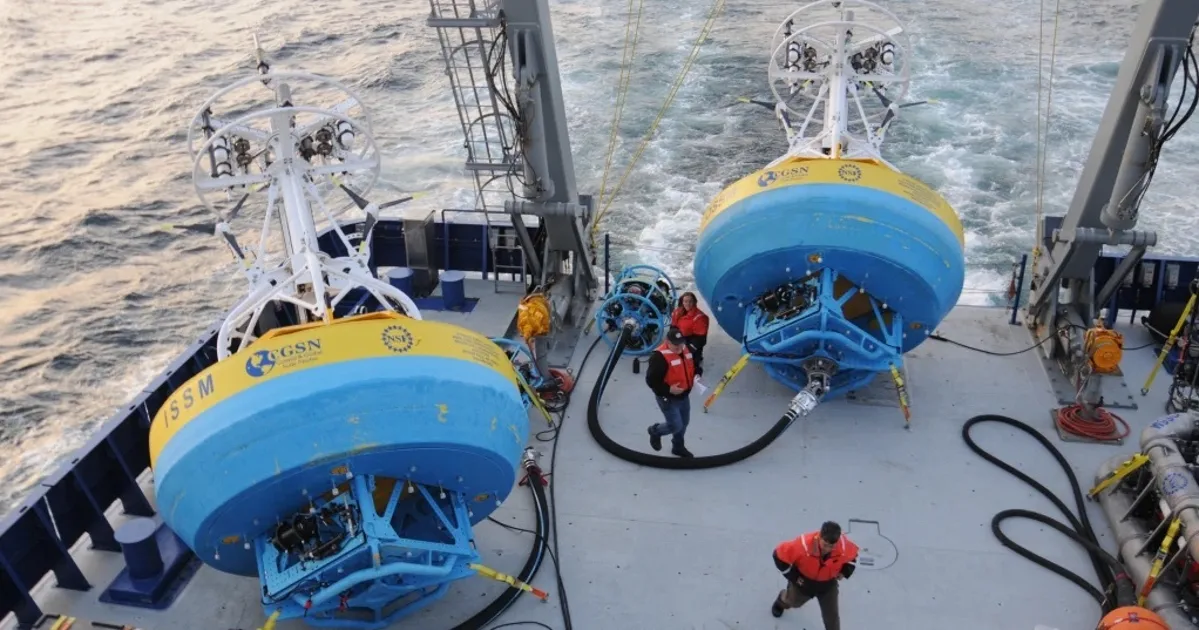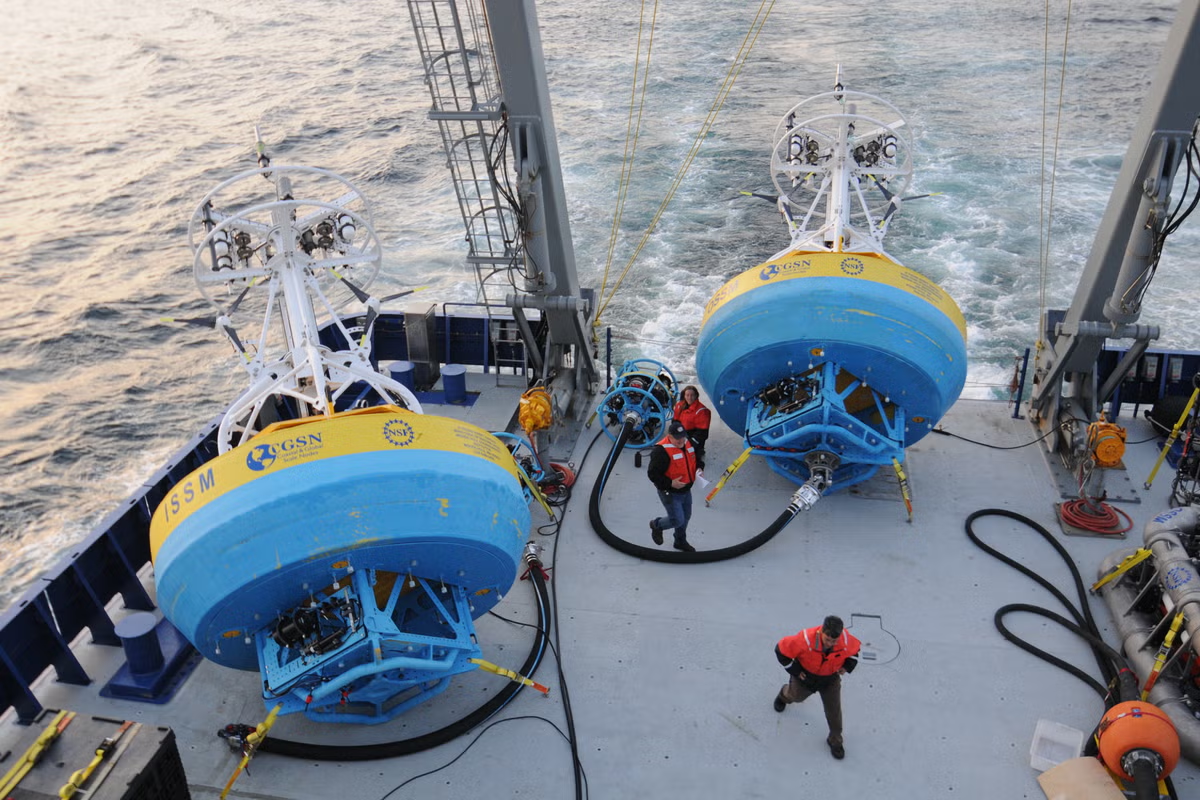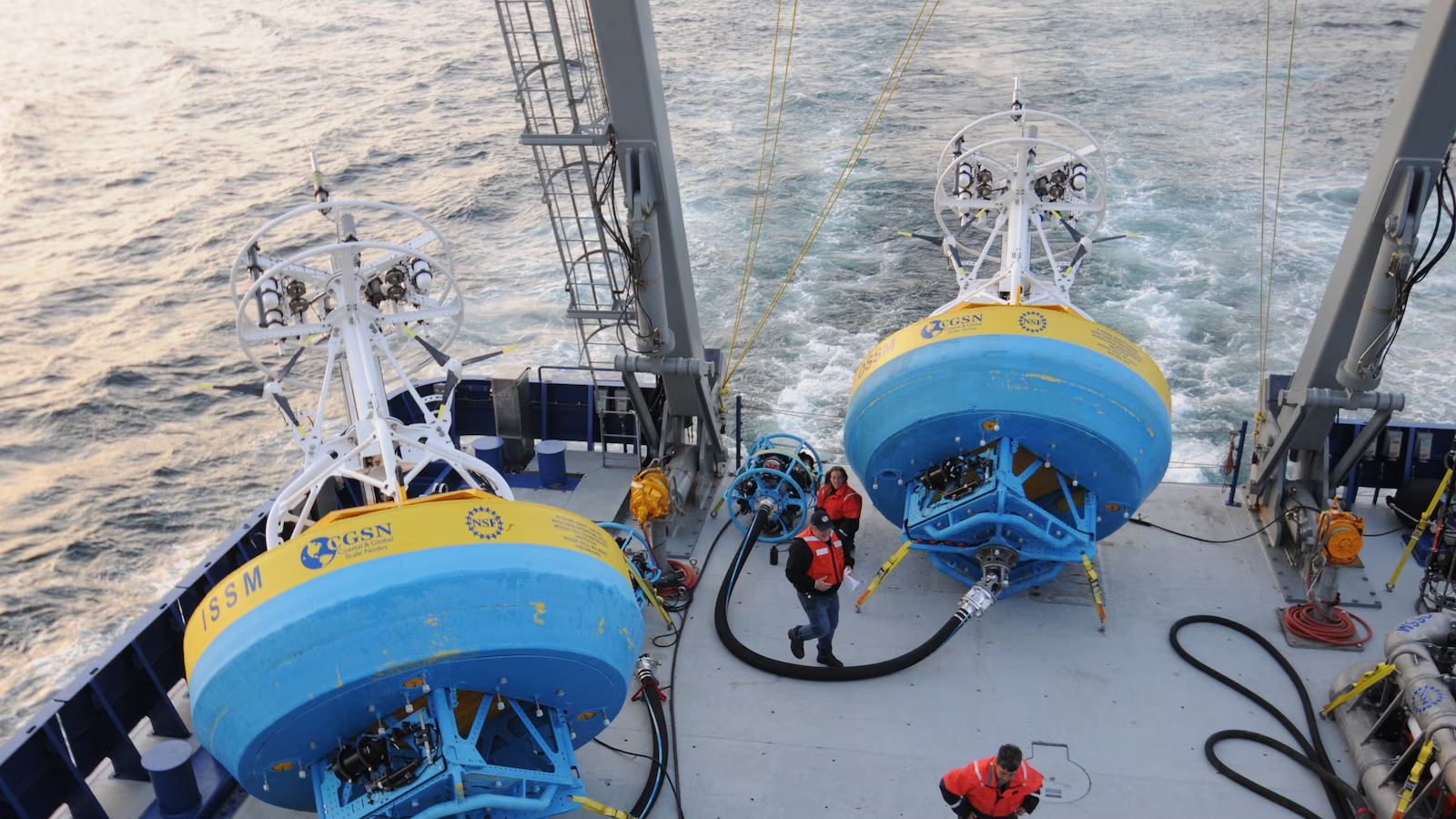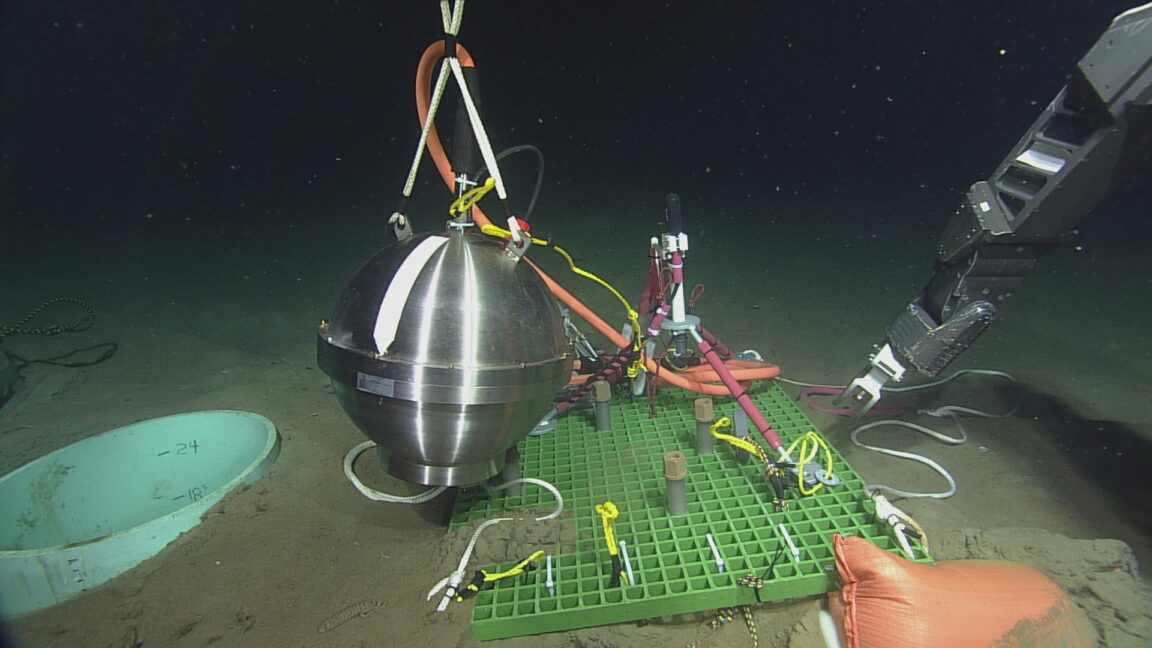
The effort to pull some 900 ocean-monitoring buoys and sensors from the water drew backlash from scientists and lawmakersBy Dan Vergano edited by Claire Cameron Photo by Alex Wong/Getty ImagesJoin Our Community of Science Lovers!The Trump administration is backing off plans to dismantle a crucial U.S. ocean monitoring system, the National Science Foundation (NSF) confirmed on Thursday. The reversal comes after the agency’s May 21 announcement of its intent to remove hundreds of deep-sea buoys and sensors employed by the $368-million Ocean Observatories Initiative had drawn congressional and international backlash.“Effective immediately, NSF will not proceed with further removal or descoping of equipment from the remaining arrays and will continue operations including planned maintenance,” the agency said in a statement on Thursday. News of the plan’s reversal was first reported by the New York Times.On Monday, 10 U.S. senators sent bipartisan letter saying dismantling the ocean system, “threatens the safety of our coastal communities,” as well as jeopardizing oceans research.On supporting science journalismIf you're enjoying this article, consider supporting our award-winning journalism by subscribing. By purchasing a subscription you are helping to ensure the future of impactful stories about the discoveries and ideas shaping our world today.An NSF spokesperson earlier told Scientific American in a statement that the agency had sought to transition to a “nimbler approach to prioritize support for evolving scientific priorities and emerging technologies, as well as smart lifecycle management within its research infrastructure portfolio.”With hurricane season approaching and the National Weather Service this month announcing that El Niño conditions were likely to strengthen in the next year, withdrawing the ocean sensors had worried observers. NSF said in its Thursday announcement that an array of sensors off the Oregon coast would be redeployed in the water after servicing, and not decommissioned.“NSF remains committed to ocean sciences, to responsible stewardship of its research infrastructure and to supporting the stakeholders that depend on it,” the agency said in the statement.Editor’s Note: This story is in development and may be updated.It’s Time to Stand Up for ScienceIf you enjoyed this article, I’d like to ask for your support. Scientific American has served as an advocate for science and industry for 180 years, and right now may be the most critical moment in that two-century history.I’ve been a Scientific American subscriber since I was 12 years old, and it helped shape the way I look at the world. SciAm always educates and delights me, and inspires a sense of awe for our vast, beautiful universe. I hope it does that for you, too.If you subscribe to Scientific American, you help ensure that our coverage is centered on meaningful research and discovery; that we have the resources to report on the decisions that threaten labs across the U.S.; and that we support both budding and working scientists at a time when the value of science itself too often goes unrecognized.In return, you get essential news, captivating podcasts, brilliant infographics, can't-miss newsletters, must-watch videos, challenging games, and the science world's best writing and reporting. You can even gift someone a subscription.There has never been a more important time for us to stand up and show why science matters. I hope you’ll support us in that mission.
Trump administration reverses course on plan to dismantle ocean monitoring network
The effort to pull some 900 ocean-monitoring buoys and sensors from the water drew backlash from scientists and lawmakers
532 words~2 min read